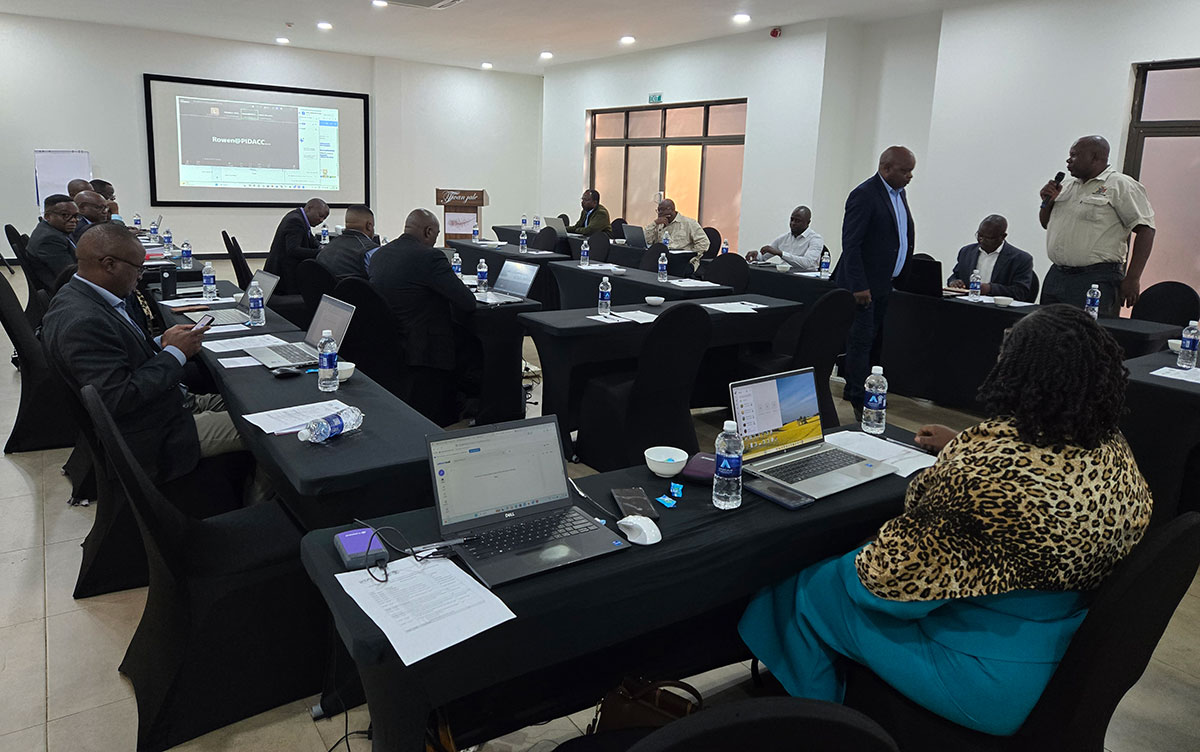
In São Tomé and Príncipe, staple crops such as cassava, maize, sweet potato, and yam play a critical role in food security, nutrition, and rural livelihoods. However, limited access to quality planting materials and weak technical capacities have continued to constrain productivity.
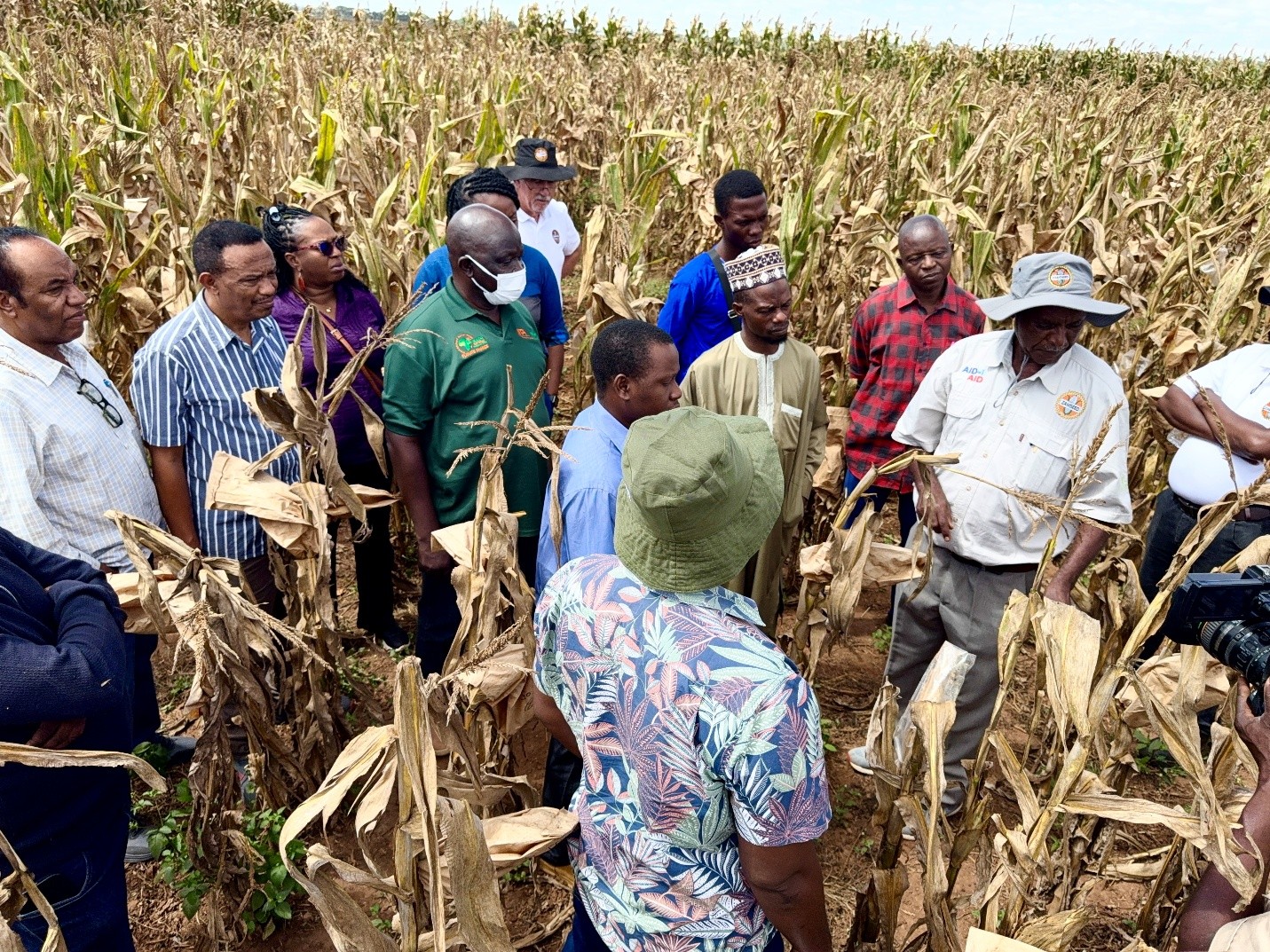
West Africa’s transition from open-pollinated maize varieties to high-performing hybrids could significantly transform productivity, strengthen food security, and improve resilience for millions of smallholder farmers.
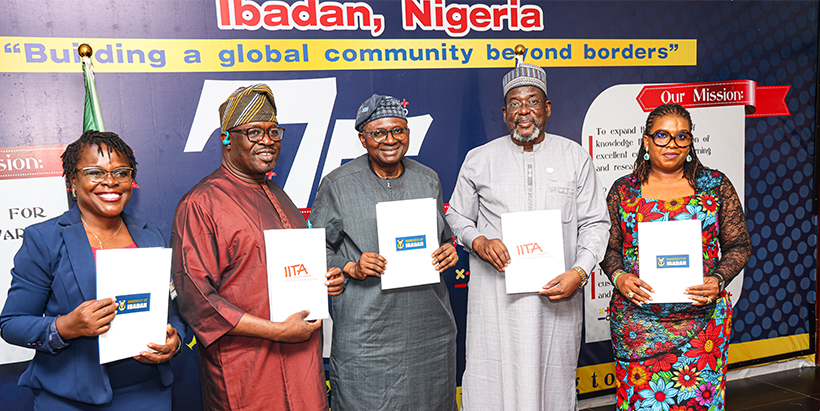
In a significant move to formally strengthen a relationship that has existed for decades, IITA-CGIAR and the University of Ibadan have signed a landmark Memorandum of Understanding
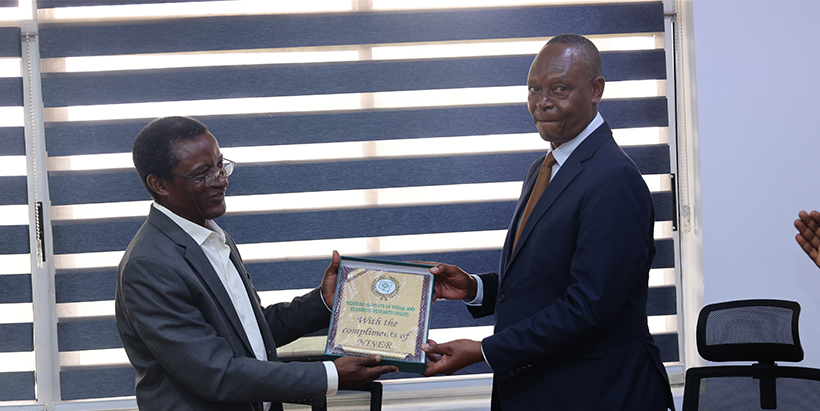
A delegation from the Programme National de Développement Agricole (PNDA), (translated National Agricultural Development Programme) of the Democratic Republic of Congo
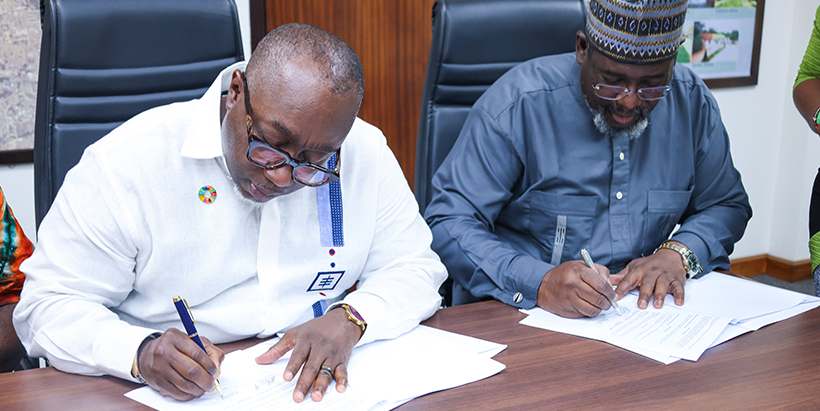
Agriculture remains the backbone of Sierra Leone’s economy, contributing significantly to the country’s Gross Domestic Product (GDP)
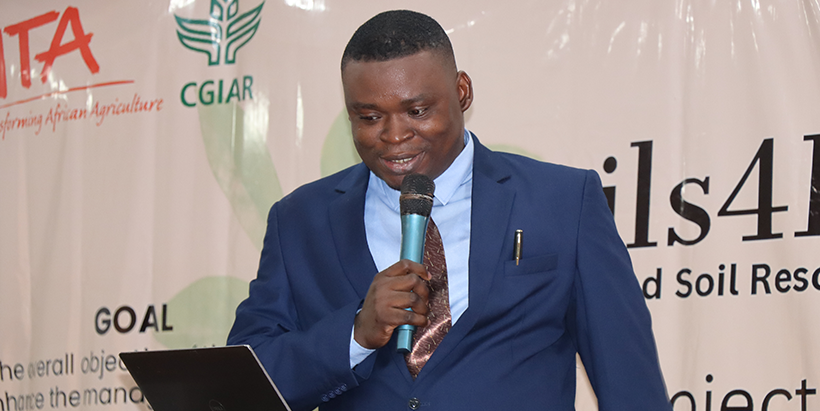
IITA-CGIAR led EU-funded Soils4Liberia project, has facilitated the placement of three Liberian scholars at the Federal University of Agriculture
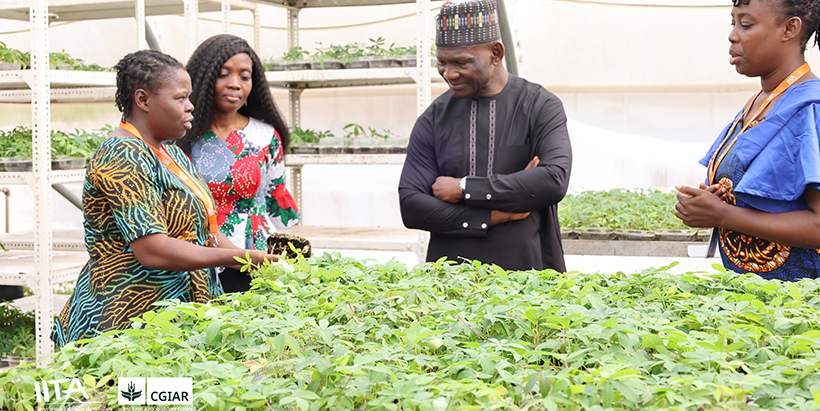
In a bid to build impactful collaborations, a delegation from Farminera Integrated Solutions Management visited IITA-CGIAR on 22 May to explore opportunities
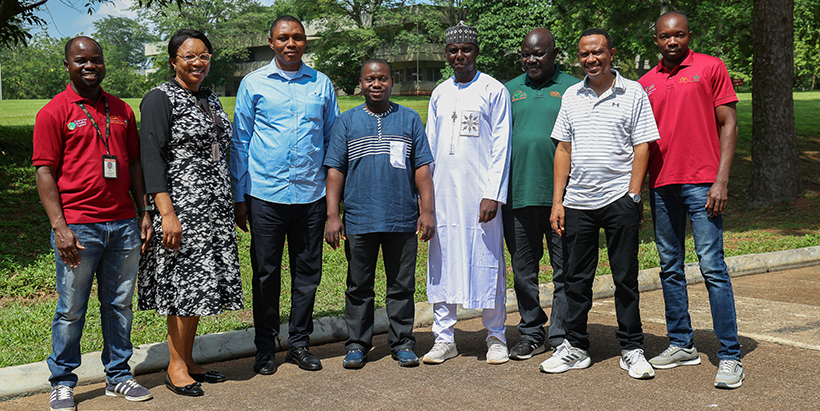
Efforts to modernize breeding operations across CGIAR centers and partner institutions, rooted in a broader shift toward data-driven, digitally enabled breeding systems

Over 50 scientists, breeders, national program leaders, and development partners gathered at IITA headquarters in Ibadan from 18 to 20 May
Go to page:
