
Study explores genetic analysis of important micronutrients in tropical maize
6 April 2023
Malnutrition, especially micronutrient deficiency has been associated with anemia, fatigue, and in some cases implicated in blindness and 17% of all deaths in children younger than five years in developing countries.
While micronutrient deficiency is a form of malnutrition, it has been implicated in stunted growth in infants, increased oxidation stress, low immunity to infections, and slow mental development.
In a study by scientists from IITA–CGIAR and the University of Ibadan, in Nigeria, deficiency of micronutrients in the diet leads to ‘hidden hunger’, necessitating the need for the consumption of foods enriched with adequate content of bioavailable micronutrients.
With micronutrient deficiency prevalent in developing countries where there is high reliance on maize-based foods, the low cost of maize production and its growing use in processed products in these countries make it a suitable means for biofortification.
Listed as an important crop that can contribute to global food security, maize grains contain about 72% starch, 10% protein, 4.8% fat, 8.5% dietary fibre, 3.0% sugar with no anti-nutrients. However, most maize genotypes are low in content of vitamin A and valuable minerals including iron and zinc.
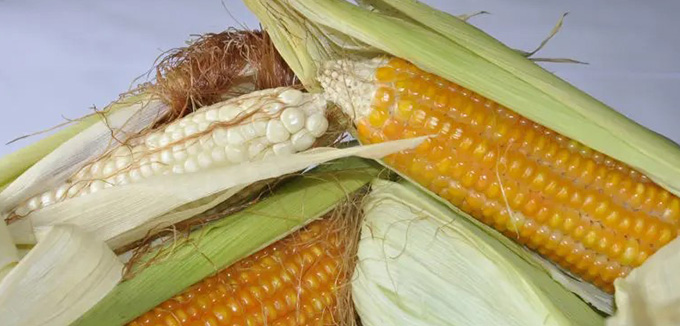
According to the study carried out to analyze the genetic components of micronutirents such as zinc, iron, and provitamin A (PVA) content in tropical maize (Zea mays L.), the orange and yellow colors in maize have been associated with higher nutritional value due to the presence of carotenoids, especially zeaxanthin and β-carotene which impart the color.
For plants, micronutrient accumulation is highly influenced by climatic and soil factors, and this may mask the genetic potential of the crop. Nonetheless, high heritability (the ability to be attributed to inherited genetic factors) estimates for zinc and iron accumulation have been reported in maize, highlighting the low presence of environmental effects on physical expression of these traits and the possibility of transferring them to the next generation of seeds.
In maize, provitamin A is accumulated through the carotenoid biosynthetic pathway and is later changed to Vitamin A in the human body through activities of certain enzymes after consumption.
During the study, 24 yellow to orange endosperm tropical maize inbred lines with low to high levels of zinc and provitamin A were crossed using the North Carolina design II at IITA’s headquarters in Ibadan. These inbred lines were divided into six groups each containing four inbred lines based on similarities in zinc and provitamin A contents determined in previous seasons to generate six sets of crosses.
Each inbred line in each group was used both as a male and a female parent to generate 96 hybrids. Inbred lines and hybrids were planted in separate trials from which data on agronomic and micronutrient traits were collected.
Results from the study showed that additive gene effects controlled provitamin A and iron content in maize predominantly, whereas both additive and non-additive gene effects are important in the inheritance of zinc content and grain yield.
Inbred lines with high general combining ability effects on micronutrient content and grain yield were also identified for use as parents to develop synthetics, hybrids, and new maize inbred lines enriched with high levels of micronutrients and superior agronomic performance.
Hybrids with significant specific combining ability effects on PVA, iron and zinc were also identified during the study.
Food and nutrition security is a major target of the SDG 2, and IITA-CGIAR’s research is strategically focusing on a multi-faceted approach to address this. This study recommends further research to investigate the potential of exploiting heterosis for provitamin A and mineral nutrients in maize as a major crop that millions of smallholder farmers in rural Africa depend on for food, nutrition, and economic security.
Contributed by Timilehin Osunde, IITA
