
Scaling information and innovation one field day at a time
2 August 2025
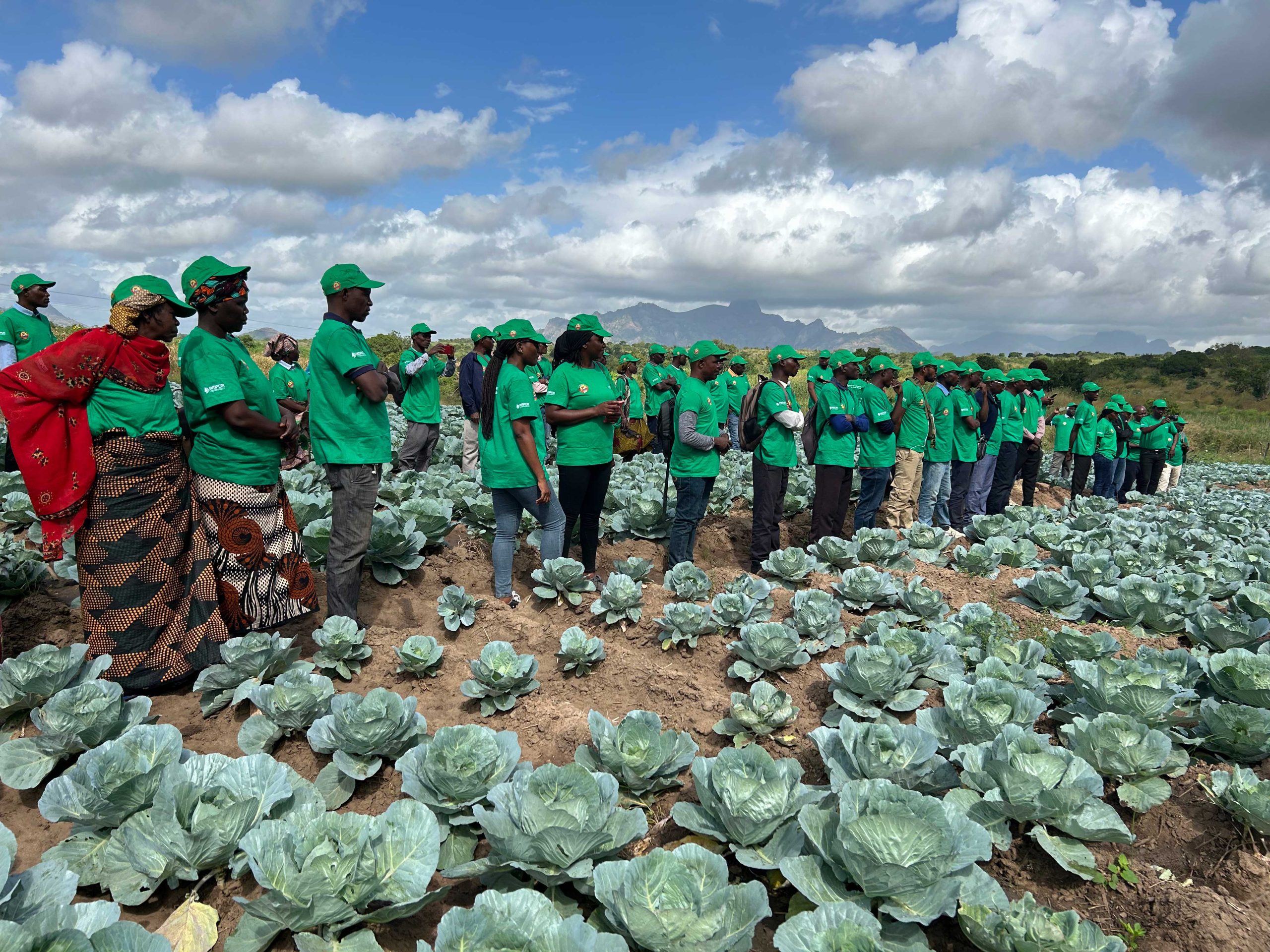
In Mozambique, communities from various districts in three northern provinces are benefitting from field days’ activities aimed to improve their practical knowledge, introduce technologies and increase adoption of new techniques that can improve agricultural production and productivity in their fields.
The field days involved men, women and youth farmers producing maize, sesame, cowpeas, sweet potatoes, soybeans, peanuts and pigeon peas, and the raising of livestock and poultry. During the field days, the different groups attend practical activities such as good farming practices, using improved climate resilient seeds, and identifying and addressing diseases in crops and animals, agricultural innovations and harvesting techniques.
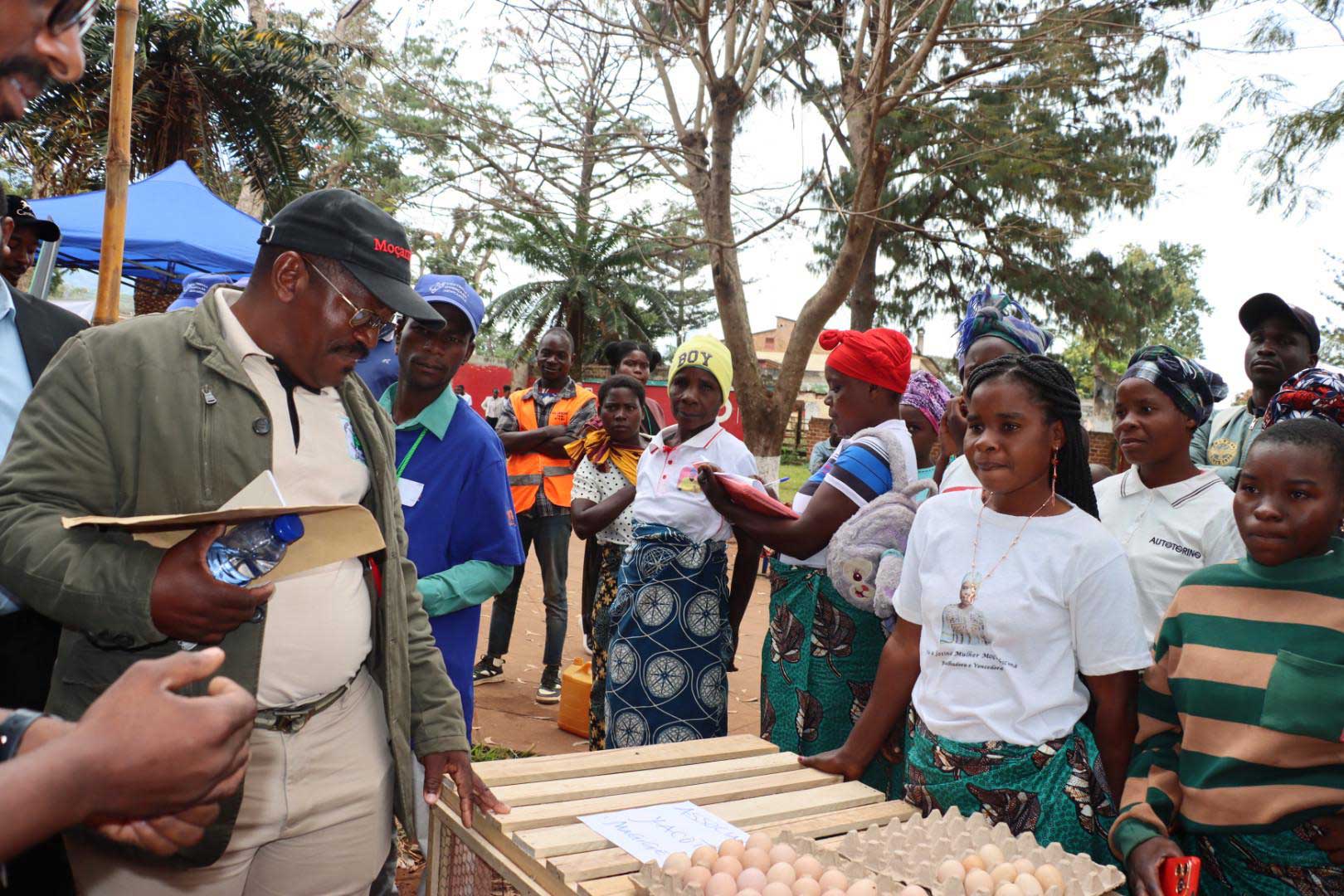
In Niassa province, with high agriculture potential, the Accelerated Innovation Delivery Initiative (AID-I) being implemented by IITA–CGIAR in partnership with the International Potato Center (CIP) has been working with farmers on sweet potato production,, investing in the implementation of new technologies that include the adoption of improved varieties with more nutritional value, short production cycles and better economic returns for families, in the communities.
Through field days, CIP is creating spaces for interaction and knowledge exchange between sweet potato producing communities by distributing seeds, teaching improved planting techniques, and introducing new varieties through informed choices about the benefits of the improved varieties.
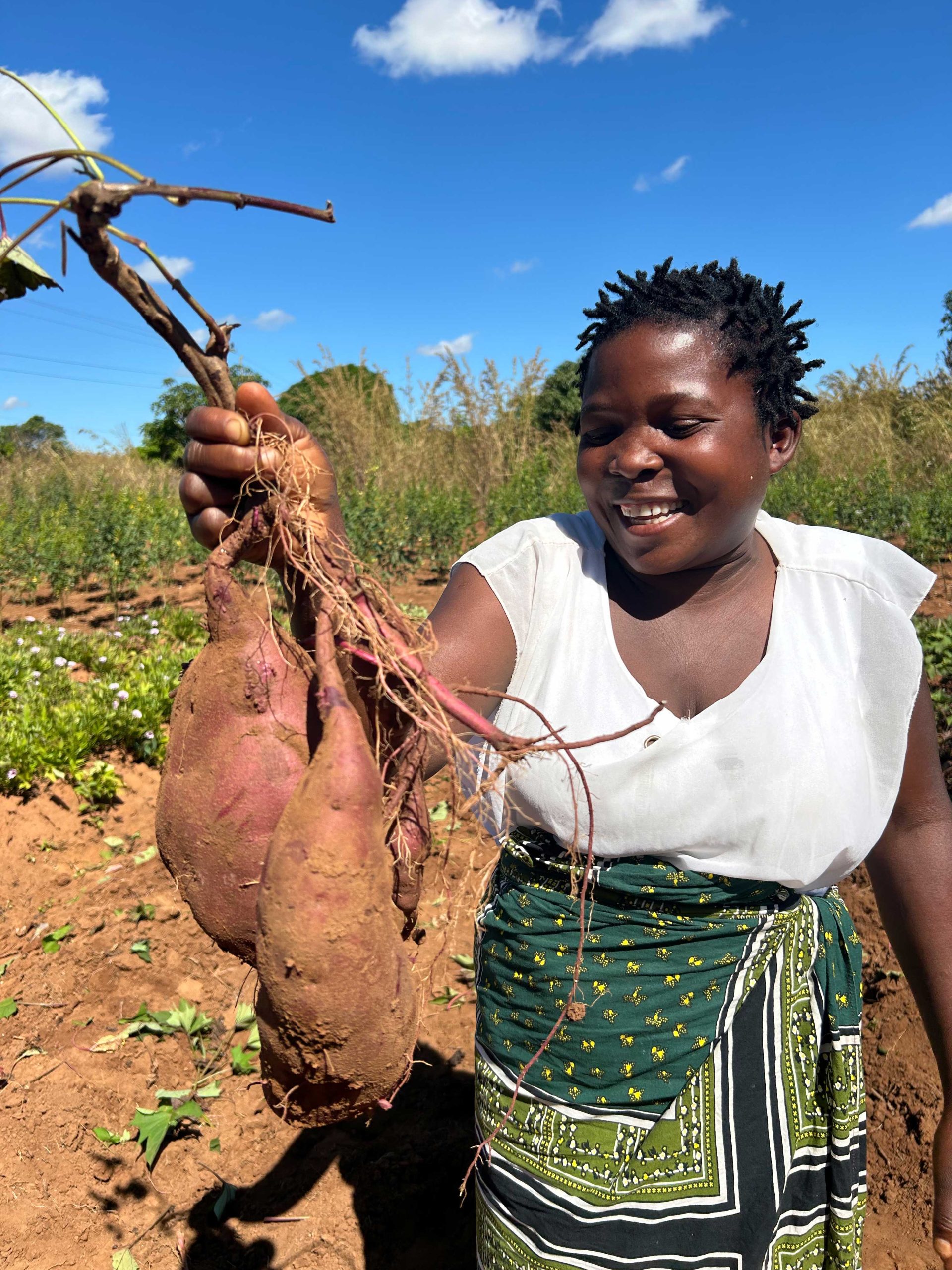 During the filed days, the selection process involved field establishment with multiple varieties of sweet potato, and the producers evaluated various characteristics like the leaves, color of the sweet potato, the pulp and skin, the size, nutritional value, profitability of the varieties and the flavour,, and select the ones that meet their needs.
“Today I learned a lot of things, from recipes for pastry, juice and sweet potato salad, to planting techniques, preventing and managing diseases in the crop. How to sow sweet potatoes in the vegetable gardens,” said Rita Ernesto, a woman farmer in Chimbunila, Niassa province.
In the Zambézia province, the field day organized by the Development Support Association (NANA) served to guide the farmers on organic and inorganic fertilizers’ uses and benefits, their differences and impact on maize production. The session was led by students from Zambeze University, who are beneficiaries of different capacity development activities as part of efforts to contribute to the country’s agriculture sector.
Field demonstrations showed results of the impact of selected fertilizer applications in maize, which includes disease control, and the quantity and quality of maize produced from plots with fertilizer application. The field day also served as an opportunity for smallholder farmers to ask questions and learn about best practices.
“Field days are important for producers because they allow them to consolidate their knowledge to continue producing and to teach other producers. I learned how to make fertilizers from the material that exists in our communities,” said Francisco João, smallholder farmer.
In Alto-Molócue, another district in Zambézi, through Agromiço, the communities also had the opportunity to learn more about maize cultivation techniques, with a focus on identifying and managing pests and diseases during the crop’s growing period in the field.
The field day at theNampula province, had communities learning more about the use of Aflasafe, a natural biocontrol product used to control aflatoxins contamination in maize and groundnut, the incidence of which has negative implications for human health. By using Aflasafe, the communities will be able to improve the quality of the groundnuts and maize, thereby reducing postharvest loss and increasing their supply to markets, and income, and improving their livelihood, and the health of their families and communities.
At the event, smallholder farmers, Directors from the District Services of Economic Activities in Ribáue, Mogovolas and Alto-Molócue, implementing partners, the private sector, and beneficiaries improved their knowledge on the use of Aflasafe, efficient harvesting, and storage techniques in order to reduce losses and pests that compromise the quality of the crops, and negatively impact the income of producers.
In addition to market expansion for aflatoxin-free groundnuts, improving the income and health of their families and communities.
The field days were mostly held while the crops were on the fields, but throughout the entire process, the smallholder farmers were supported by both agricultural and livestock technicians in implementing the best climate-resilient techniques that can improve production and productivity.
In a period of 4 years, the AID-I project, coordinated by IITA, which directly involves 16 partners and the government of Mozambique, will hold 240 field days in the components of demand-driven seed systems, management services and tools, and integrated crop and nutrition consultancy.
Contributed by Safira Gil Chirindza
