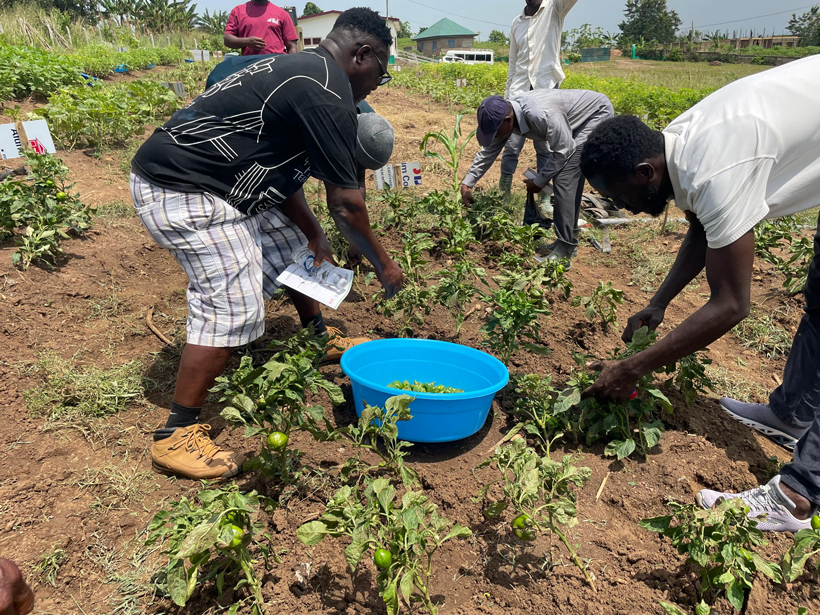
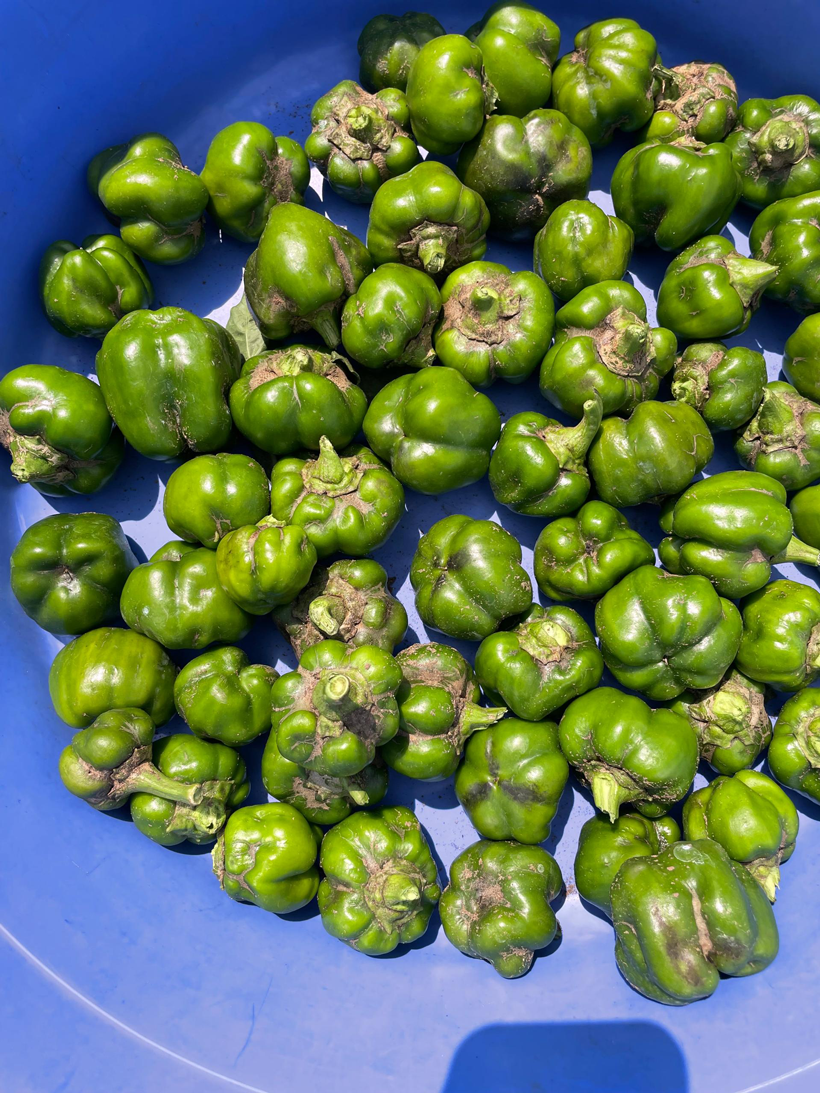
Vegetable farmers harvesting sweet pepper from the demonstration.

The IITA-led BBEST project in Ghana, in collaboration with BNARI, recently hosted farmer groups from Kawukudi (Ayawaso East municipality), Evandy (Ayawaso West Wuogon municipality), and GAEC (Ga East Municipality) at its vegetable demonstration field in Kofisah, Nsawam. This event aimed to promote the adoption and use of the black soldier fly frass (BSFF), a by-product of BSF technology, among smallholder vegetable farmers.

About 20 farmers and extension agents from different parts of Accra were introduced to BSF frass. During this informative session, the facilitators highlighted the advantages of using frass, a nutrient-rich organic fertilizer, produced in an environmentally friendly manner. It contains nitrogen, phosphorus, potassium, and beneficial microorganisms that improve yield and strengthen soil health. These positions BSF frass as an alternative organic fertilizer for growing vegetables.
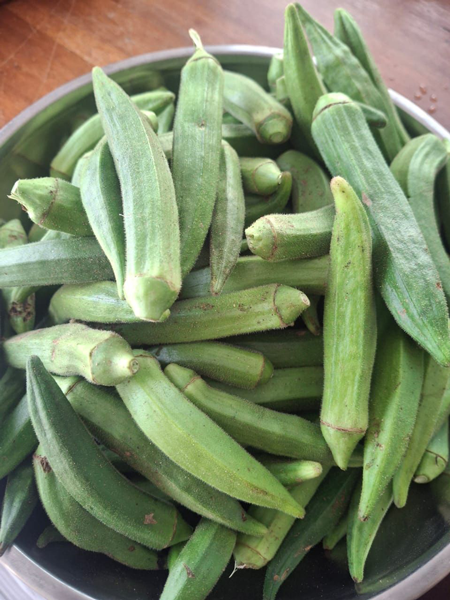
Okra harvested from the demonstration field.

The facilitators provided farmers with insights into applying BSF frass and combining it with inorganic fertilizer to achieve good yields. They highlighted the effects of frass on vegetable growth. Farmers observed the effects of the frass and its combination with other inorganic fertilizers on the vegetables cultivated, namely: Okra, African eggplant, Amaranthus, and sweet pepper.

They shared their perspectives on yields and recognized the importance of integrated soil fertility management for yield increases and long-term crop cultivation.

One of the farmers who used the frass told us, “The application of the BSF frass helped in controlling weeds in his farm. He stated that he obtains more yield using the BSF frass”.

The farmers visited the BSF larvae facility to observe BSF larvae production, another product from the BSF technology, rich in protein and used in poultry, aquaculture, and pig production.
They expressed their appreciation to the IITA and the BNARI team for introducing them to the BSF products and showed interest in purchasing BSF frass. Others expressed a desire to be trained to produce BSF larvae and frass.

The BSF larvae and frass are both certified products in Ghana by the Ghana Standards Authority (GSA) and the Plant Protection and Regulatory Service Directorate (PPRSD) under the Ministry of Food and Agriculture (MoFA).

The BBEST is an IITA-led initiative funded by Norway through the Norwegian Agency for Development Cooperation (Norad) and implemented in Ghana, Mali, Niger, and DRC, with the overall goal to improve the livelihoods of smallholder chicken, fish, pig, and vegetable producers and other value chain actors and contribute to improved urban sanitation and climate change mitigation.

Contributed by Francisca Ocloo
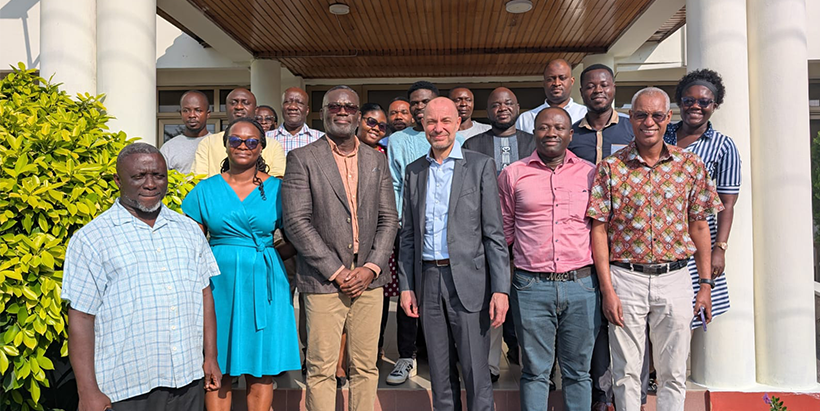
The IITA Country Representative for Ghana, Dr Richard Asare (l) with the Danish Ambassador to Ghana, H. E. Jakob Linulf (r) with some of the IITA researchers and staff in Ghana.

In a move to establish a strategic working relationship with the IITACGIAR, H. E. Jakob Linulf, the Danish Ambassador to Ghana, paid an official visit to the institute’s office in Accra, Ghana, on 1 December.

Linulf was welcomed by Dr Richard Asare, the IITA Country Representative for Ghana, Prof. Samuel Agyei-Nsiah, Dr Bekele Kotu, Dr Djana Mignouna, Dr Faustina Obeng-Adomaa, and the staff at the IITA Accra office.

In his welcome address, Dr Asare introduced IITA-CGIAR, highlighting its activities in the sub-Saharan regions of Africa. He indicated the importance of IITA’s collaborative work with the government of Ghana, the private sector, CSOs, and NGOs. He further highlighted the strategic work being conducted under various projects in Ghana. He identified the institute’s key areas, aligned with the CGIAR’s impact areas, namely Climate adaptation and mitigation, health and nutrition, system transformation, gender equality, youth, and social inclusion.

Following his address, he gave an update on the ongoing projects implemented by IITA in Ghana. The Sustainable Soybean Production in Northern Ghana (SSPiNG) project, implemented in 15 districts in Northern Ghana, and the BBEST project, which utilizes the BSF technology to provide new agricultural solutions to smallholder livestock and vegetable farmers, are both Norad-funded projects.

In addition to these, the AICCRA project funded by the World Bank works in collaboration with national and regional partners to transform climate services and to scale climate-smart agriculture, PROSSIVA works to enhance the efficiency and productivity of seeds system for vegetatively propagated crops, AKILIMO works to provide agronomic support to smallholder farmers and the Strengthening Rural Livelihoods, Resilience to Climate Change in Africa: Innovative Agroforestry Integrating People, Trees, Crops and Livestock (GALILEO) and the EU Food Security project, which is a response to food security in the Northern part of Ghana;

He also mentioned the importance of the Wassa Amenfi Cocoa Landscape Initiative and the Cocoa Agroforestry Systems for Resilient Smallholder Livelihoods in Ghana (CASILIENT), both of which are projects funded by the Danida Green Business Partnerships (DGBP).

Linulf provided an overview of the embassy’s portfolio in Ghana. He said, “The embassy focuses on the following areas: health, meteorological services, and water”. He added that the embassy works collaboratively with the government of Ghana.

One key highlight of this strategic meeting was discussing collaboration and cooperation between the institute and Danish Universities and companies.

Dr Asare highlighted a few challenges, including climatic conditions in northern Ghana, illegal mining, and rising cases of water pollution, as well as competition for land resulting from illegal mining, especially in cocoa-growing areas. He reaffirmed IITA’s commitment to collaborate with the Embassy of Denmark in Ghana.

Contributed by Francisca Ocloo
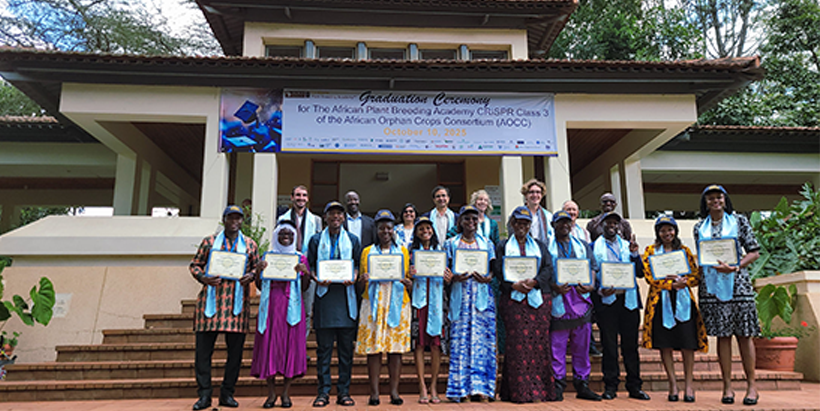
CRISPR Course fellows and facilitators during the graduation ceremony

The third cohort of the Africa Plant Breeding Academy (AfPBA) CRISPR Course has officially graduated, marking another milestone in strengthening Africa’s capacity for advanced crop improvement technologies. This cohort hosted eleven scientists from five African countries, including Benin, Burkina Faso, Ghana, Kenya, and Nigeria.

The training, hosted at the IITACGIAR Biotechnology Platform in Nairobi, on the ILRI campus and at CIFOR-ICRAF, is part of a multi-partner initiative of the African Orphan Crops Consortium (AOCC), in collaboration with IITA, the University of California, Davis, and the Innovative Genomics Institute at UC Berkeley. The course provides African researchers with both theoretical and practical knowledge in the use of CRISPR-Cas systems for precise and efficient genome editing in plants.

Over the intensive 6-week training period, fellows learned to design and execute genome editing, from guide RNA design to plant transformation, molecular analysis, and phenotyping, gaining hands-on experience that bridges the gap between science and application. The course also included sessions on biosafety, regulatory considerations, and communication, reinforcing a holistic understanding of responsible research and innovation.

“This program is building a network of African scientists who can lead the application of genome editing to solve agricultural challenges on the continent,” said Dr Leena Tripathi, Director of Genetic Innovations Science Area and leader of the Biotechnology Program. “We are proud of this new cohort of fellows, and confident that they will make meaningful contributions to their home institutions and national programs.”

Speaking on behalf of the graduating fellows, one participant reflected, “This training has transformed how we view biotechnology. We now have the confidence and the technical skills to apply CRISPR in our work and contribute to Africa’s food security.”

Fellows during a training session in the IITA Biotechnology laboratory

Following the course, each fellow will receive one year of post-course mentorship from experts to support the establishment of genome editing programs for crop improvement at their respective home institutions. IITA remains committed to providing ongoing technical advice and guidance to these fellows as they apply their new skills and develop practical research outputs.

With this third cohort, the CRISPR Course has now trained 32 scientists from 10 African countries, equipping them to advance crop research focused on disease resistance, drought tolerance, improved nutrition, and yield. The program aims to establish a critical mass of African genome editing experts capable of driving innovation in plant science.

The graduation ceremony was marked by enthusiasm and reflection as fellows received their certificates, symbols of both achievement and commitment to advancing modern biotechnology for Africa’s agriculture.

“Our goal,” added Dr Tripathi, “is to ensure that African scientists are not just consumers of technology but active innovators shaping solutions for the continent.”

Contributed by Rose-Harriet Okech

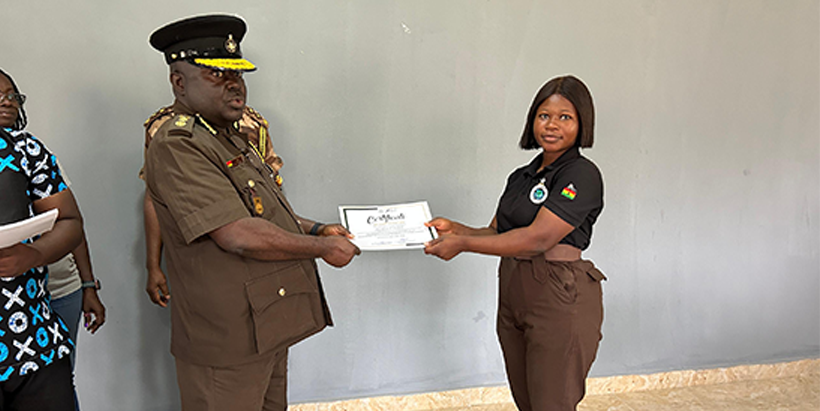
The Director of Prisons Service In-Charge of Agric, Kweku Ababio Ali presenting the certificate to one of the trainees.

The Black Soldier Fly production unit, established in Kofisah, hosted a training session on the Black Soldier Fly (BSF) technology for over 15 officers of the Ghana Prisons Service (GP) from 15 to 18 July 2025.

The training organized by the IITACGIAR led BSF for Bio-circular Economy and Environmental Sustainability (BBEST) project in partnership with the Biotechnology and Nuclear Agriculture Research Institute (BNARI), was in line with:

  • One of the project’s objectives is to build capacities and BSF technology know-how of youth agripreneurs and other stakeholders, and
  • The Ghana Prisons’ agricultural agenda is to reduce the feed cost for their poultry and pig farms.
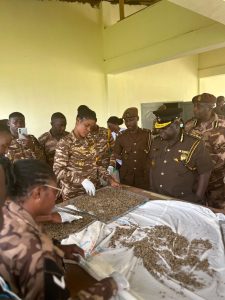
Participants processing the larvae.

On day one, participants were introduced to BSF and its benefits during the theoretical session of the training. The facilitators emphasized the necessary areas to focus on like housing, farm management, and mass production of the BSF.

Dr Selorm Kofi Ofori, an Entomologist from BNARI, highlighted other areas such as the life cycle of the fly and its uniqueness, the biology of the eggs and the larvae, and how the BSF fits into a circular economy. These laid the ground for the practical session, where participants reared and fed the larvae.

In the practical session, participants were guided through setting up traps for wild eggs, egg incubation, and the transfer of the neonate larvae. The training also highlighted the harvesting and processing of the larvae and the process of degutting them.

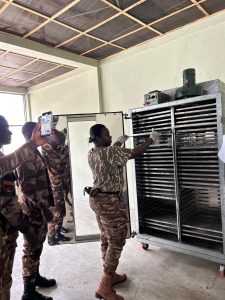
 One of the participants placing the larvae into the oven.
One of the participants placing the larvae into the oven.

Participants were taught how to use seed germination to test the maturity of the frass after composting, this was led by Joshua Sintim, Chief Technologist and Soil Scientist at BNARI.

Participants were awarded a certificate of completion after the three-day training on BSF technology. The Director of Prisons Service in charge of agriculture, Kweku Ababio Ali, was present at the certificate presentation. He expressed gratitude to the IITA and BNARI team for their support.

Contributed by Francisca Ocloo and Amuetey Nagetey0
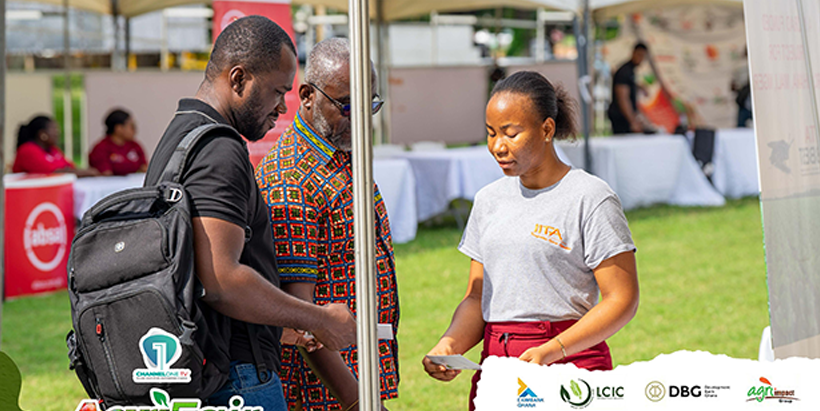
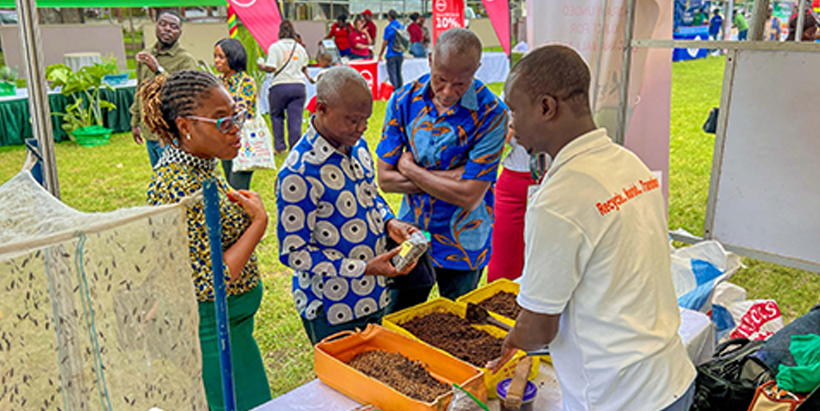
Visit of the CEO of Agri-Impact to the IITA BBEST Exhibition booth at the Agrifair.

The IITACGIAR led BSF for Bio Circular Economy and Environmental Sustainability BBEST Project, engaged farmers at the maiden Edition of Channel One TV’s AgriFair, held from 20 to 22 June at the Efua Sutherland Children’s Park in Accra.

During the three-day event, the project exhibited a live display of the Black Soldier Fly (BSF) life cycle, attracting livestock and aquaculture producers, vegetable farmers, children, potential investors, agriculture institutions, and the general public.

The Production Manager of the BSF Production Unit engaging visitors at the Agrifair.

Amuetey Nagetey, the BSF production manager, said, “The BSF technology is transforming the poultry and the agriculture landscape by converting fruit, vegetable, slaughterhouse, and kitchen wastes into larvae, which are a rich protein supplement used in aquaculture, poultry, and livestock production.”

In addition to reducing a substantial amount of waste in landfills, the BSF also reduces greenhouse gas (GHG) emissions, leading to urban sanitation.

Twumasi, the Monitoring and Evaluation and learning specialist on the IITA-BBEST project, said, “Adopting the sustainable production of the Black Soldier Fly larvae will aid in reducing the import of fish and soybean meal.” This will make the poultry industry more profitable.

A member of the IITA BBEST team explaining the BSF technology to potential investors at the Agrifair.

After being sensitized on the benefits of BSF, a substantial number of poultry farmers, vegetable farmers, and individuals showed interest in receiving training on BSF farming to start producing the larvae and the frass after learning the production process is environmentally friendly.

The BSF frass, a certified product by the Plant Protection and the Regulatory Service (PPRDS) under the Ministry of Food and Agriculture (MoFA), was also exhibited and marketed during the Agrifair. It is used to produce vegetables and to restore soil.

Visiting the IITA-BBEST Project exhibition booth, Daniel Fahene Acquaye, the CEO of Agri-Impact, acknowledged the potential of the BSF technology to create jobs for the youth and showed interest in partnering with the project.

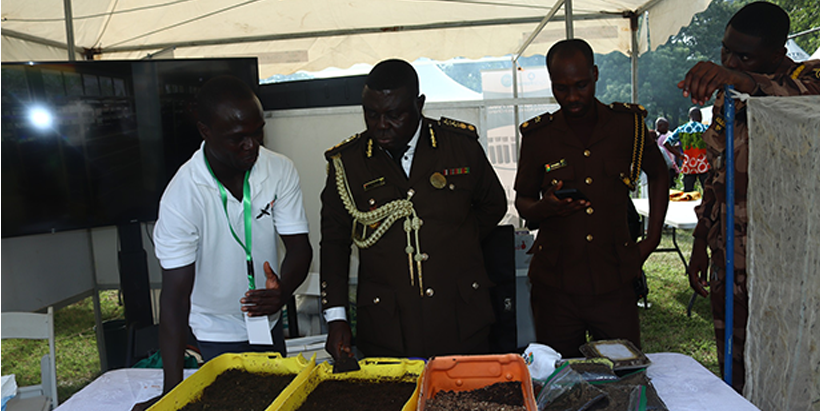
Officers from the Ghana Prisons Service at the exhibition booth.

The Ghana Prisons Service team, led by the Agriculture Director, Kwaku Ababio Ali, who also visited the project exhibition booth, expressed interest in incorporating BSF farming into the prisons’ rehabilitation and agriculture programs.

“This aligns with our poultry and aquaculture production programs. We see great potential in the BSF for food security and skills development for inmates,” Ali said.

Through its participation in the Agrifair, the project has increased farmers’ and feed producers’ awareness of BSF technology, promoted the BSF frass among farmers, and established relationships with private and public institutions to enable the adoption and scaling of BSF technology and the promotion of climate-smart agriculture.

Contributed by Francisca Ocloo
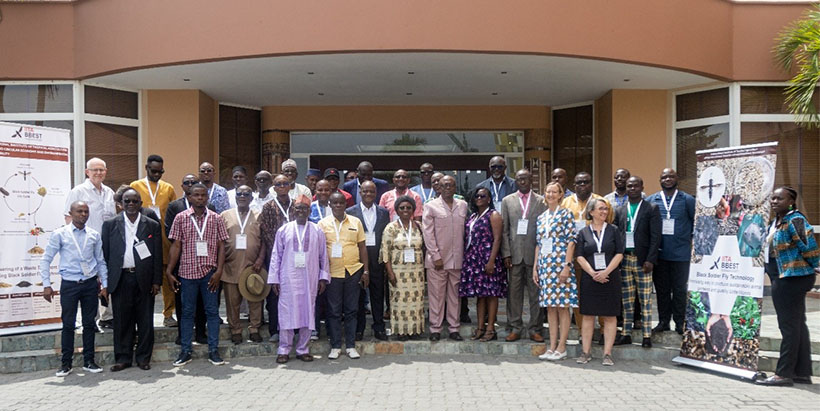
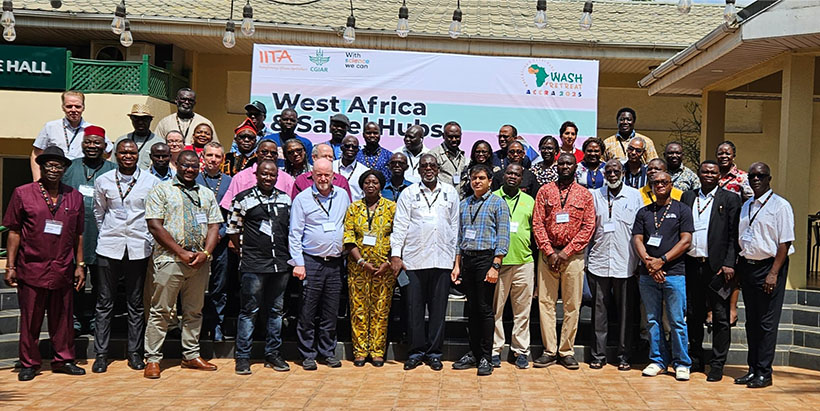
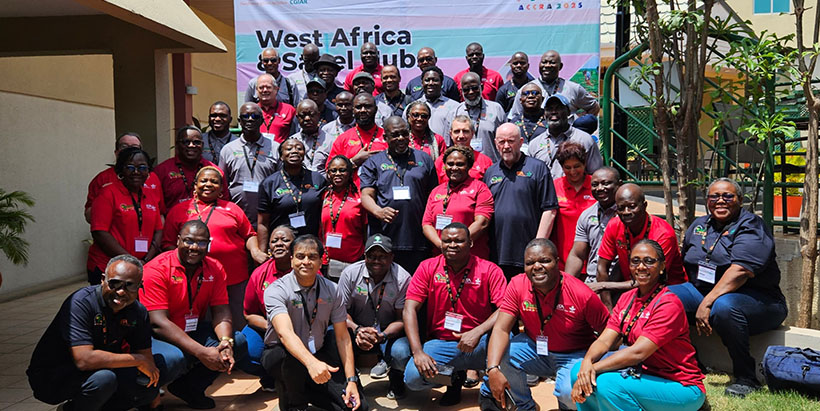
Scientists from the IITA West Africa and Sahel Regional Hubs during the WASH retreat.

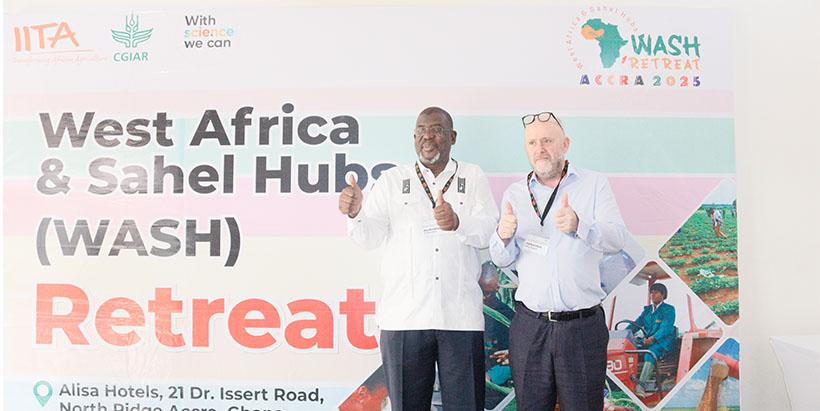
More than 40 scientists from the IITACGIAR gathered in Accra, Ghana, for the annual retreat of the West Africa and Sahel Regional Hubs (WASH) recently. From 18 to 21 March, the four-day event served as a crucial platform to assess past achievements, refine strategies, and strengthen efforts toward advancing nutrition, food security, breeding, and agricultural innovations across the region.

Speaking during the retreat, Director IITA Sahel Hub, Dr Abdoulaye Tahirou said, “The 2025 WASH annual retreat aimed to discuss IITA’s new strategies, strengthening collaboration among scientists and exploring county-specific programs”.

Opening the retreat on the first day, IITA Country Representative for Ghana – host country for the retreat – Dr Richard Asare during his welcome remarks said IITA station in Tamale will ensure the participants have a memorable experience. Adding that the Tamale station is being designed to serve as a technological park and a unit hub. He delivered a presentation on the Research for Development (R4D) and Partnership for Development (P4D) in Ghana with a focus on the BBEST, Cocoasoils, AICCRA, PROSSIVA, Akilimo, SSPiNG and EU Food projects. During the retreat, each country presented its programs and innovations, and discussions were held on scaling innovations, policy innovations, food security, climate-smart agriculture, and breeding programs. A strategic document was developed for the institute’s discussion to enable a smooth engagement with government and policymakers. TAAT showcased its E-catalog and invited scientists to use it in their work.

Scientists from the IITA West Africa and Sahel Regional Hubs during the WASH retreat in Ghana.

Scientists from both hubs engaged in interactive team-building exercises, including memory games, team bonding activities, and identification of IITA KPIs and a concept note development around the following concepts:

  • Climate-smart innovations in the Sahel: Boosting the adaptive capacity of smallholder farmers,
  • Sowing seeds of change (SSC): Empowering youth and women in agriculture,
  • Unleashing the potential of underutilized crops to feed drought-prone areas of Africa,
  • Digital marketplace for African opportunity crops.

Prof Michael Abberton, Director of the West Africa Hub, and Dr Tahirou Abdoulaye, Director of the Sahel Hub, assessed the concept note.

Together, scientists underlined some of the challenges the hubs face and highlighted recommendations to address these challenges.

Prof Michael Abberton, Director, IITA West Africa Hub, and Dr Tahirou Abdoulaye, Director, IITA Sahel Hub.

Challenges

  • Resource mobilization
  • Internal communication
  • Non-utilization of the IITA germplasm
  • Poor internal communication

Recommendations

  • Create an enabling environment for scientists to work and thrive.
  • Mentor young scientists and postdoc fellows
  • Develop a succession plan, as some scientists will be retiring in the next few years
  • Improve internal communication
  • Utilization of IITA germplasm

The hub directors and scientists in the two hubs reiterated their commitments to strategic partnerships, supporting each other and aligning efforts toward achieving IITA’s mission to transform African agriculture.

Contributed by Francisca Ocloo
 Madam Vivian Hilde, Representative from the Royal Norwegian Embassy and Norad, Dr May-Guri Saethre, and Dr Tahirou Abdoulaye.
Madam Vivian Hilde, Representative from the Royal Norwegian Embassy and Norad, Dr May-Guri Saethre, and Dr Tahirou Abdoulaye.

The recently held annual review and planning meeting by the IITA BSF for Bio Circular Economy and Environmental Sustainability (BBEST) Project in Accra, recognized the support of the Government of Ghana through the Ministry of Food and Agriculture (MOFA) by creating an enabling environment for implementing the project activities in the country.

The IITA-BBEST, an environmentally friendly project addresses the issue of urban waste management and unsustainable agricultural outputs for poultry and vegetable producers.

The meeting, held from 24 to 28 February, brought together key stakeholders such as the MOFA, Norad, the Royal Norwegian Embassy, and national and international partners working with the IITA-BBEST project, namely, BNARI, CSIR-IIR AALI, INERA, UNIKIN, IER, WORLDVEG, INRAN, NIBIO, and IMR.

In his address, Dr Mawufe Agbodzavu, the Project Manager, stated that the purpose of the meeting was, “to review the project’s achievements over the past year and exchange ideas on improving its collaborative impact and strengthening networking and cross-country learning.”

Participants of the IITA BBEST Annual Review meeting in Accra, Ghana.

Vivian Hilde, the Counsellor for Food Security and Climate, representing the Royal Norwegian Embassy and Norad, said, “The Black Soldier Flies were a high-protein feed option for poultry and aquaculture production, offering a sustainable and cost-effective alternative to traditional feed sources.

In her goodwill message, Prof Anna Lartey, a board member of IITA, said a substantial amount of food produced in Ghana was lost due to the inefficient supply chain, and BSF technology was needed to address such challenges. She called on the government and stakeholders to upscale the technology for farmers, especially youth and women farmers, to get the maximum benefits from their work.

The IITA-BBEST project partners presented the experiments’ results and updated the audience on the mass production of BSF larvae and frass. They also discussed the challenges faced by the partners and the lessons learned.

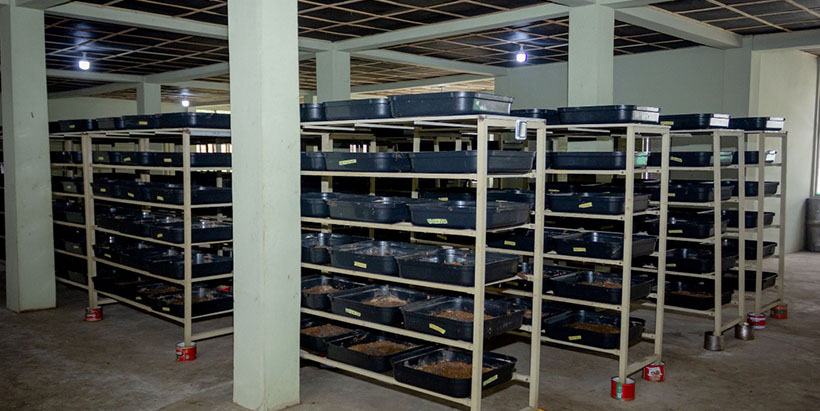
Inside of the Black Soldier Fly Larvarium in Ghana.

Together with the partners, the IITA-BBEST Project Management discussed research results that can be repackaged for practical and effective dissemination of the benefit of BSF larvae and the frass aiming to take the BSF technologies to scale and establish market demand.

An assessment of the engagement of policymakers in each country was done by examining the progress in developing and adopting standards for using BSF products in animal feed and vegetable production in participating countries. Finally, they discussed and agreed on the Project Implementation Plan and reviewed the Annual Indicator Targets for 2025.

The review meeting provided a platform for stakeholders to explore the progress made in Ghana, namely, the production of BSF larvae and frass at the centralized unit established in Kofisah, the gazetting of the dried BSF standard, and the ongoing certification process for the sales of the BSF products.

Contributed by Francisca Ocloo
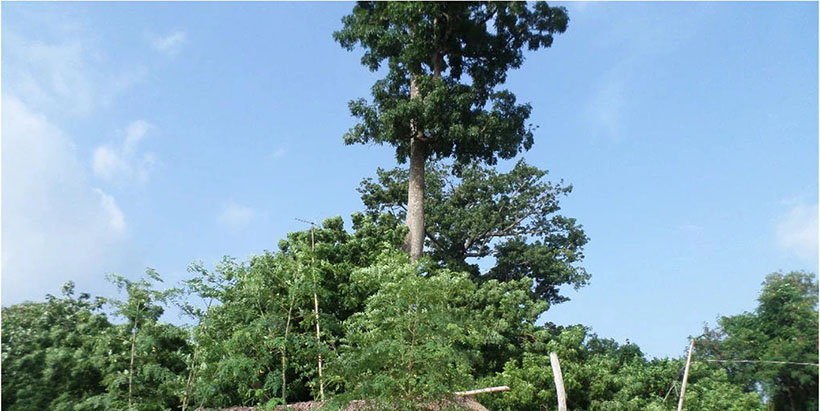
Typical Forest island in Ghana.

West Africa’s ecosystems are transforming, reshaping its vast savannas into forest islands or arable lands. This change, mainly driven by human activity, has profound implications for soil health and ecosystem sustainability.

Researchers from Institut de L’Environnement Et de Recherches Agricoles, Burkina Faso; Crop Research Institute (CSIR), Ghana; Kwame Nkrumah University of Science and Technology (KNUST), Ghana; Imperial College of Science and Technology, London; Wageningen University, Netherlands; Federal University of Agriculture, Abeokuta (FUNAAB), and the International Institute of Tropical Agriculture (IITA), have explored these impacts, shedding light on how land-use changes affect soil organic matter (SOM) and key soil quality indicators, such as macro- and micronutrients.

The study revealed that when savannas transition into forest islands, soil health significantly improves. The SOM in the topsoil rose dramatically—up to 794%—and the abundance of essential nutrients such as potassium, calcium, and magnesium surged. These improvements are attributed to the favorable microclimate and nutrient cycling fostered by forest ecosystems.

Soil profile photos of the ecosystem types at Elewure community (ELE), Nigeria.

Conversely, converting savannas to arable land paints a more concerning picture. The SOM levels plummeted up to 74%, particularly in topsoil layers. This decline compromises the soil’s productive capacity, making it prone to erosion, reduced aggregation, and decreased activity of beneficial soil organisms. Despite efforts to enrich soils through fertilization, the benefits of these practices often fall short of compensating for the inherent losses caused by the transition.

The role of local communities in preserving soil health cannot be overlooked. The study highlights how indigenous land management practices have contributed to the formation of forest islands, countering earlier misconceptions that these patches were remnants of ancient forests. These community-driven efforts offer valuable lessons in sustainable land stewardship and could inform strategies to mitigate the adverse effects of climate change on resource-poor agrarian systems.

The research showed that soil quality indicators vary significantly by land use type and geographic location. For instance, nutrient-rich soils and intensive farming practices at one site in northern Ghana, led to better soil quality in arable lands than in forest islands or savannas. However, this was an exception rather than the rule, with forest islands generally outperforming other ecosystems in soil health.

With the growing demand for food production, there is also an urgent need to convert more savannas into farmland. The findings underscore the urgent need to adopt sustainable farming practices. Techniques such as agroforestry, improved crop rotation, and soil conservation methods could help offset the negative impacts of land-use changes.

As we look ahead, the study offers a hopeful perspective. Restoring marginal lands as forest islands enhances soil fertility and contributes to overall ecosystem health. As West Africa grapples with balancing agricultural expansion and ecological preservation, embracing indigenous practices and promoting sustainable land use could hold the key to a more resilient future.

This research adds a critical voice to the global conversation on land use and climate change, highlighting how localized solutions can make a significant difference in safeguarding soil health and improving food security on the continent.

 Contributed by ‘Timilehin Osunde

On 25 July, IITA–CGIAR, under the HealthyDiets4Africa Project, funded by the EU, launched its third living lab in Accra as part of its innovative strategies to combat malnutrition in Ghana and beyond by generating access to more diverse diets for target populations and supporting consumers’ dietary changes toward more diverse diets that are safe to consume.

Ghana Living Lab workshop participants.

During the opening ceremony, IITA Ghana Country Representative Richard Asare welcomed the partners on behalf of the IITA Director General, Dr Simeon Ehui. He assured them of continued support and access to IITA solutions to enhance their farming activities and food production for optimal productivity. He then introduced IITA and the HD4A project. The program continued with interventions and more highlights of the project and workshop objectives. It also featured expected results with Djana Mignouna, the project convener, on behalf of Rousseau Djouaka, the project leader, before other interventions from Titilayo Falade and Carline Santos. Furthermore, the project partners at the workshop shared an overview of their activities, challenges, and successes concerning food security.

The workshop participants worked towards installing and supporting new innovative living labs for various actors of the food chain—producers, processors, traders, or food industry—focusing on two different aspects prioritized for Ghana: (i) Food safety: SOPs, under-and-over use of pesticides; (ii) underutilized and local foods: conservation, source of seeds, etc.

This will be accompanied by data generation for decisions, advocacy for better-informed nutrition policies, and strategies to shape a societal environment conducive to the diversification of the food system. At the end of the workshop, various action programs for the proper implementation of the project were well defined, with different institutions to be associated with the implementation and an innovative mechanism for conducting the implementation, monitoring, and evaluation of programs and action plans to be put in place.

For the closing of the workshop, Robert Asiedu welcomed the achievement of the objectives of this workshop and noted the richness of the discussions, which were of a high level. Indeed, according to him, it is rare to see such encounters between those who design and develop technologies and those who use them. Finally, the participants were urged to continue to work together to achieve the action plans with SMART indicators within a timeframe. According to him, the interest is the impact the living lab will create.

(Concept of living labs as adopted in HD4A (Steen & van Buren 2017)

Contributed by Djana Mignouna