Climate-resilient food systems take center stage as IITA experts convene in Sierra Leone
27 March 2026
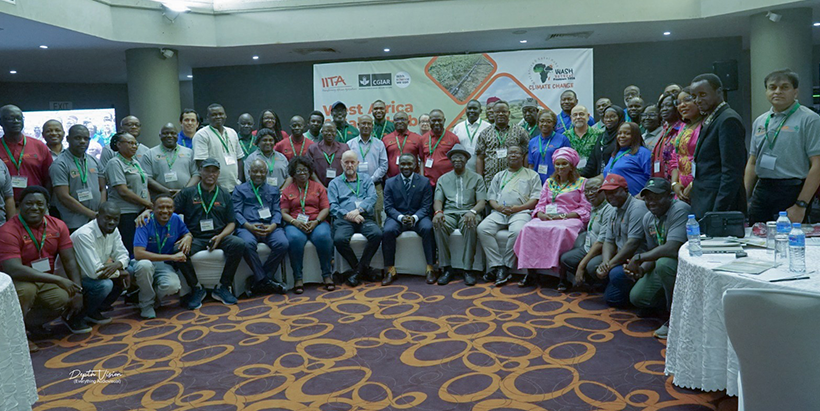
Scientists, professionals, and key stakeholders from the West African and Sahel Hub (WASH) of the International Institute of Tropical Agriculture have gathered in Freetown for the 2026 edition of their annual retreat, placing climate-resilient food systems at the forefront of discussions.
Taking place from 23 to 27 March 2026, the retreat aims to review progress, strengthen regional collaboration, and define strategic priorities to enhance agricultural productivity and resource mobilisation in the face of climate change.
Driving innovation and regional collaboration
In his opening remarks, Professor Michael Abberton, Director of the IITA West African Hub, encouraged participants to explore opportunities around IITA’s impact bundles across countries in the WASH sub-region. He emphasized the importance of aligning research and partnerships to accelerate delivery and impact.
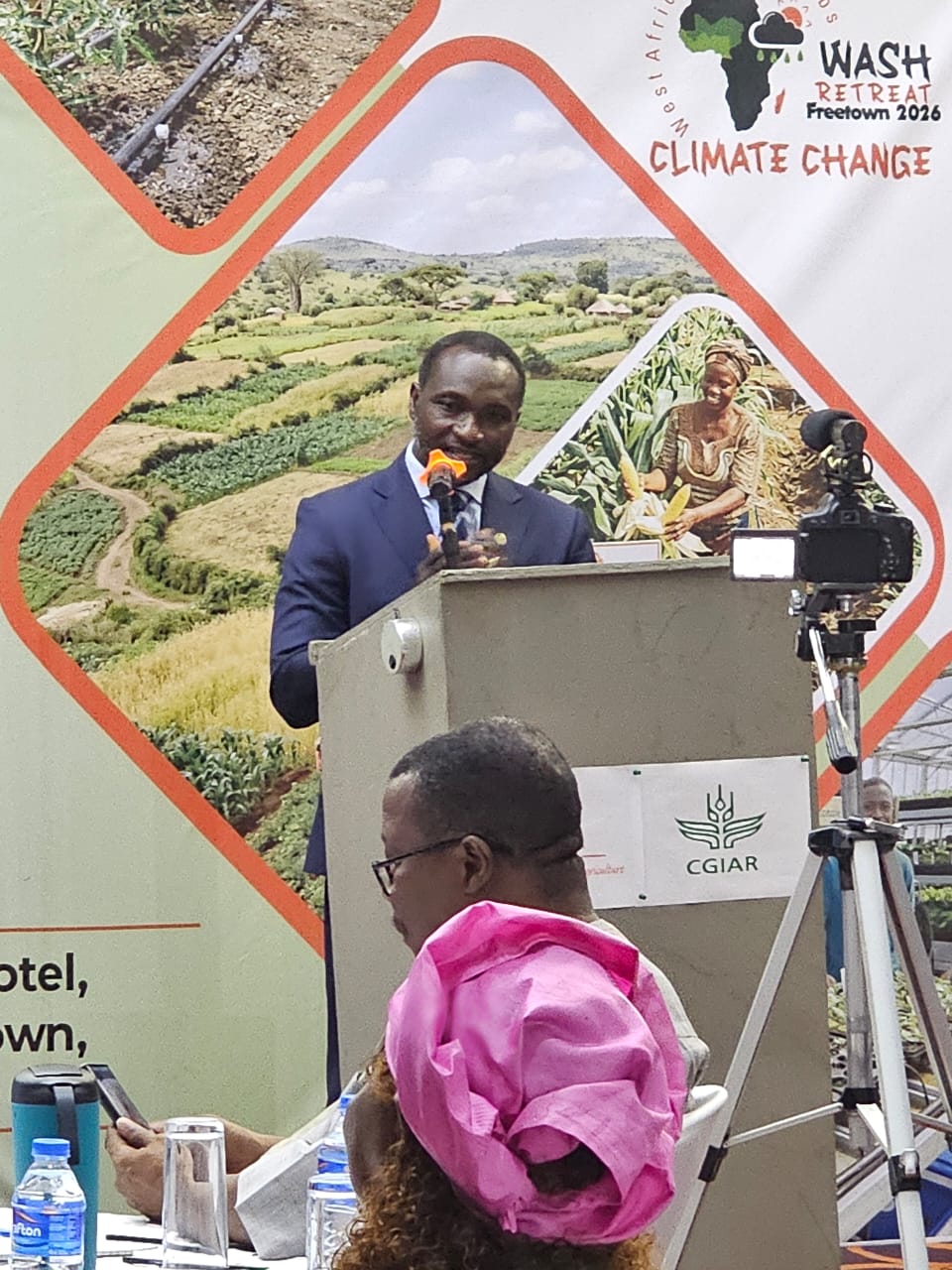
Welcoming participants, Dr Alfred Dixon, IITA Country Representative for Sierra Leone, described the retreat as both timely and strategic, noting that it coincides with Sierra Leone’s national focus on accelerated implementation.
“This gathering is more than a meeting—it is a platform for action, research alignment, strategic collaboration, and innovation toward sustainable food systems across West Africa and the Sahel,” he said.
Strengthening partnerships for impact
Additional goodwill messages were delivered by Dr Ibnou Dieng, Deputy Director General for Partnerships for Delivery and Scaling; Tahirou Abdoulaye; and Bernard Vanlauwe, Deputy Director General for Research for Development, all of IITA.
Local partners also expressed strong support for the initiative. Yatta Samah, President of the National Federation of Farmers of Sierra Leone, and Abdul Rahman Conteh, Director General of the Sierra Leone Agricultural Research Institute, welcomed participants and highlighted the importance of collaboration between farmers, research institutions, and development partners.
Government commitment to climate-resilient agriculture
Delivering the keynote address, Henry Musa Kpaka, Sierra Leone’s Minister of Agriculture and Food Security, reaffirmed the government’s commitment to the Feed Salone strategy and to strengthening partnerships with IITA and other stakeholders.
He highlighted the country’s vulnerability to climate change, noting challenges including limited irrigation infrastructure, reliance on unpredictable rainfall, and rising pest threats.
“With shared responsibility and collaboration with key partners like IITA, Sierra Leone is poised to achieve its goals under the Feed Salone program,” he said.
Dr Kpaka further expressed optimism that hosting the retreat would catalyze innovative solutions:
“We hope this retreat will crystallize cutting-edge research innovations capable of building climate-resilient agricultural systems aligned with national and regional priorities.”
Looking ahead
The retreat is expected to conclude on 27 March 2026 with a clear and actionable roadmap for the WASH’s activities for 2026–2027, reinforcing IITA’s commitment to advancing resilient and sustainable food systems across Africa.
Contributed by Atayi Babs
