
Community rotating savings group helping smallholder farmers solve access to credit
29 January 2026
Access to credit from formal banks is limited for smallholder farmers due to high interest rates, difficulty in gathering the required documents, and other factors across Africa. Through savings and rotative credit groups, communities, mainly women and youths, can save money for a long time and access loans (credit) that allow them to improve and invest in agricultural production and carry out other important projects in their lives, such as building and furnishing their homes and investing in their children’s education.
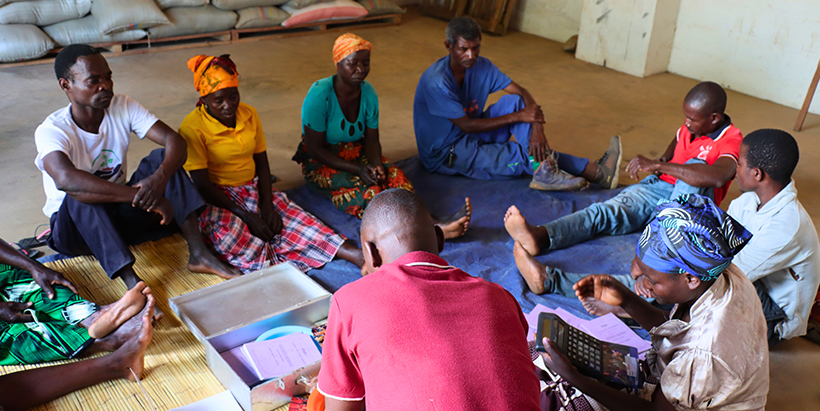
Within the scope of the AID-I project, savings and rotative credit groups are being created and restored to make money more accessible to families in the communities. These groups involve smallholder farmers from the districts of Malema, Mecuburi, Mogovolas, Monapo, and Ribáuè in the province of Nampula, and from Alto Molócuè, Gurúè, Ile, and Mocuba in the province of Zambézia, in Northern Mozambique who receive financial education focused on credit management.
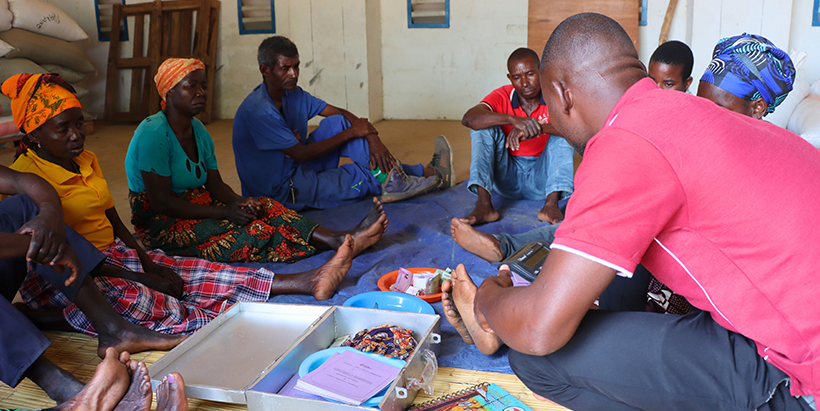
The groups are made up of 20 to 35 members who meet once a week to save a certain amount over the course of a year. The savings process also includes loans and a social fund that any member can use in emergencies.
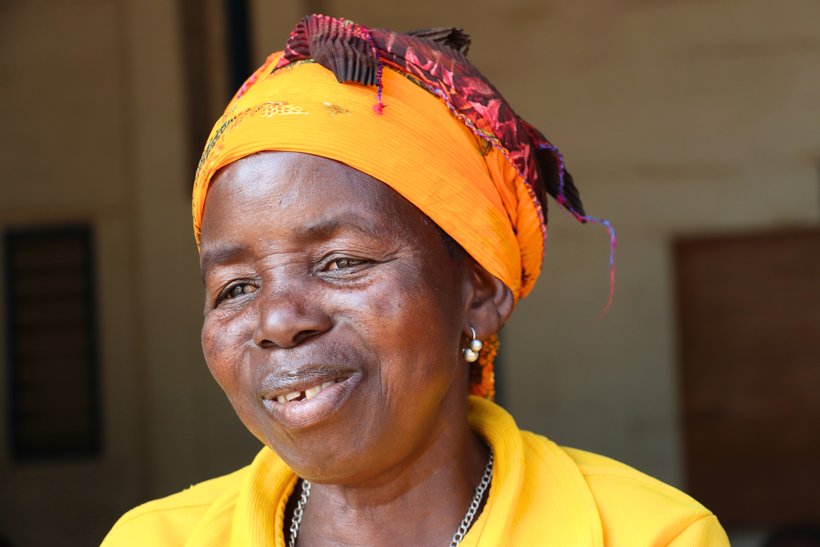
Amélia Semente Bala lives in the Ribáue district located in Nampula province. An agricultural producer from a young age, Amélia is now over 60 and lives alone. She learned about the benefits of saving more than five years ago and has been doing so ever since. As a beneficiary of the AID-I project through the UATAF Association, she has strengthened her knowledge and joined a new family savings group, thanks to the benefits she has noticed. “I have many advantages when I save money. I managed to save enough to buy sheet metal and roof my house and get electricity. With this year’s savings, I want to have concrete blocks made and build a new house. When the cycle ends, I can hire youths to help me with sowing or harvesting, and with the money saved, I can pay them.”
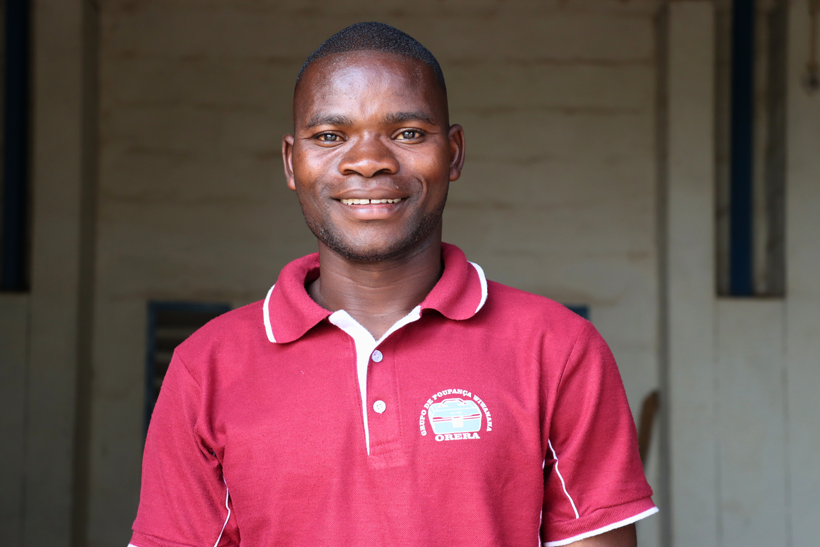
With the same feeling is Moniz Atónio, a youth who also decided to join the savings group where, according to him, he manages to save money, which helps him buy building materials, acquire agricultural inputs such as seeds, herbs, fertilizers and others, which is a benefit for him, as it is difficult to save money alone, but with savings he can cover expenses and carry out his projects. “I have already managed to build my house and buy sheet metal to cover it. I have been in the savings group for four years, and the money comes from what I earn in the field, and I encourage other members of the community to do the same.”
Amélia and Moniz’s savings group consists of 25 members, 11 of whom are women.
By the end of the initiative, it is expected that 220 savings groups will be formed and revitalized, involving more than 4,000 smallholder farmers.
This action is integrated into a set of efforts of the Accelerated Innovation Delivery Initiative (AID-I), implemented by IITA–CGIAR and its partners, whose aim is to accelerate the implementation of innovations to help smallholder farmers cope with challenges and improve agricultural production, and strengthen the resilience of communities in the face of climate shocks in Mozambique.
Contributed by Safira Gil Chirindza
