
Declining coffee production in Africa spurs soil health and nematode control research
29 January 2024
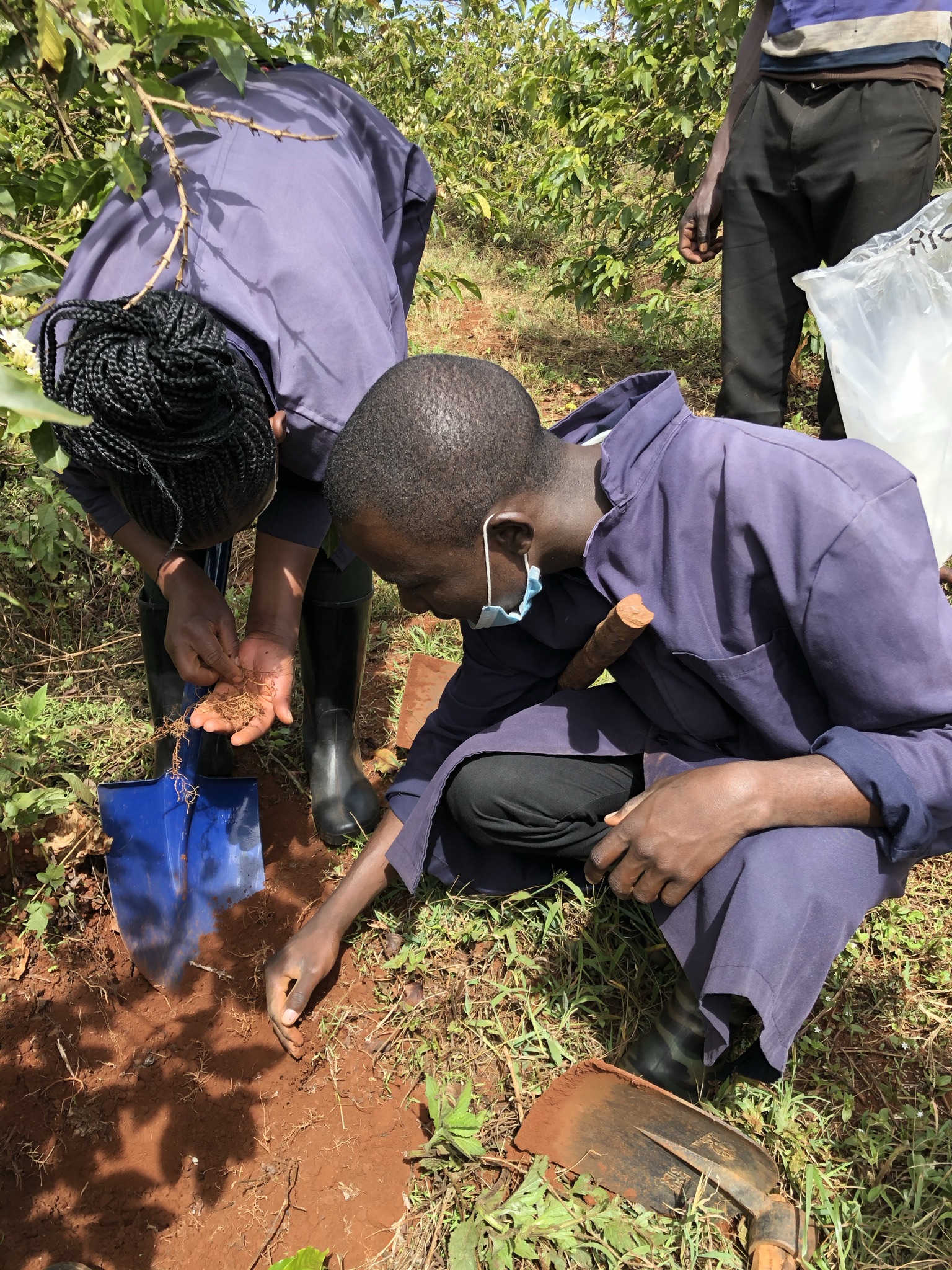
As global coffee consumption continues to rise, driven by increasing demand for the beverage, the African coffee trade faces a challenging trend of declining production. While coffee plantations in Asia are expanding rapidly to meet global demand, Africa is witnessing a concerning decrease in its coffee output. This decline has been attributed to multiple factors, including land loss to real estate development and the significant impact of pests and diseases on coffee crops.
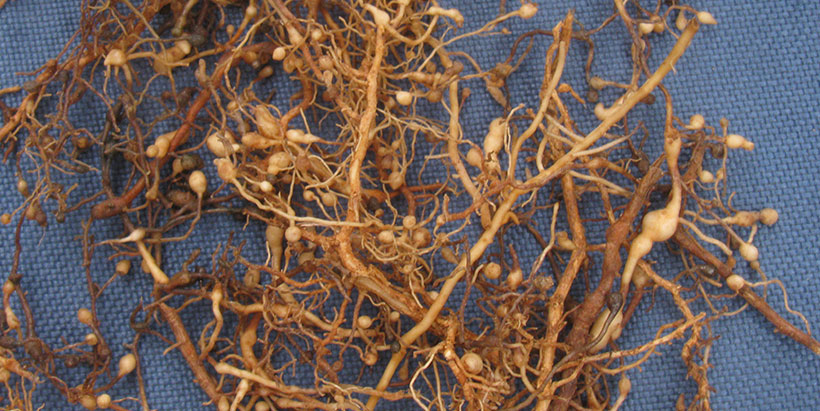
One of the countries feeling the impact of this decline is Kenya, where coffee has long been a cornerstone of the economy. Despite the high global demand for Kenyan coffee, characterized by its superior quality as an Arabica variety, the country’s coffee industry is stagnating. Aging coffee plantations and limited investments in new farms have contributed to diminishing yields. The persistent challenges posed by pests and diseases, such as nematodes, which can gradually devastate perennial crops like coffee, further compound the issue.

In response to these challenges, scientists conducted a recent study to assess the effectiveness of two commercial biological products based on Purpureocillium lilacinum (P. lilacinum) and Trichoderma asperellum (T. asperellum) in combating root knot nematode (Meloidogyne spp.) infections in Kenyan Arabica coffee. The study, conducted over 18 months, aimed to evaluate the products’ ability to suppress nematode populations on coffee roots and in the soil and assess their impact on soil health.

The field trials, led by a visiting scholar at IITA-Nairobi, Kanan Saikai, took place at Chania Estate in Kiambu County, Kenya. It encompassed seven Arabica coffee fields planted from 1926 to 2012. The treatments were applied over 25 months, focusing on establishing fungal colonization in the soil and roots of the coffee plants. The results revealed that while both biocontrol agents showed some effectiveness in reducing nematode densities in the roots, P. lilacinum exhibited greater efficacy than T. asperellum. However, the study also found that T. asperellum had a more positive impact on soil health, as indicated by various soil health indices based on the analysis of the beneficial nematode community.
The study’s findings exposed the complexity of managing nematode infections in coffee crops and the importance of considering soil health in agricultural interventions. The research underscores the need for sustainable strategies to mitigate the impact of pests and diseases on coffee production in Africa, particularly in countries like Kenya, where coffee cultivation holds significant economic importance.
The study noted that as the global coffee industry continues to evolve, understanding and addressing these challenges will be crucial in ensuring coffee production’s long-term sustainability and resilience in Africa and beyond.
Contributed by Ochuwa Favour Daramola
