
IITA, ACReSAL strengthen partnership to drive climate-smart agriculture and landscape restoration in northern Nigeria
22 May 2026
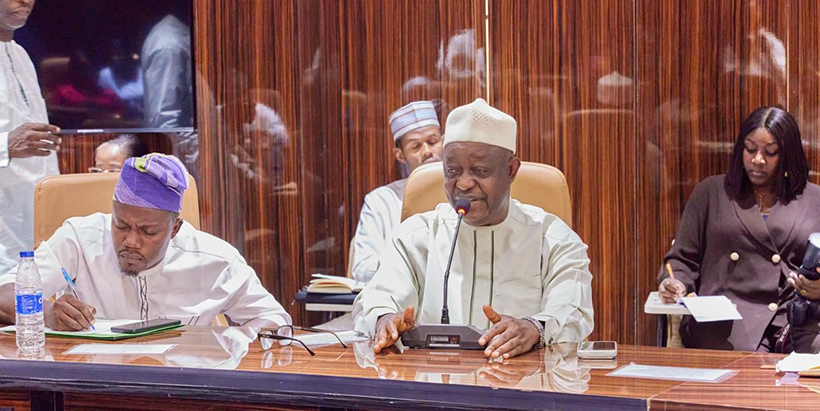
Stakeholders from government institutions, development agencies, technical organizations, and state implementation structures gathered in Abuja for the ACReSAL-IITA technical assistance inception/kick-off meeting to advance climate-smart agriculture, sustainable land restoration, and climate resilience across northern Nigeria.
The meeting formally marked the commencement of IITA’s technical assistance engagement under the Agro-Climatic Resilience in Semi-Arid Landscapes (ACReSAL) Project, a World Bank-supported Federal Government initiative designed to tackle land degradation, environmental decline, and food insecurity.
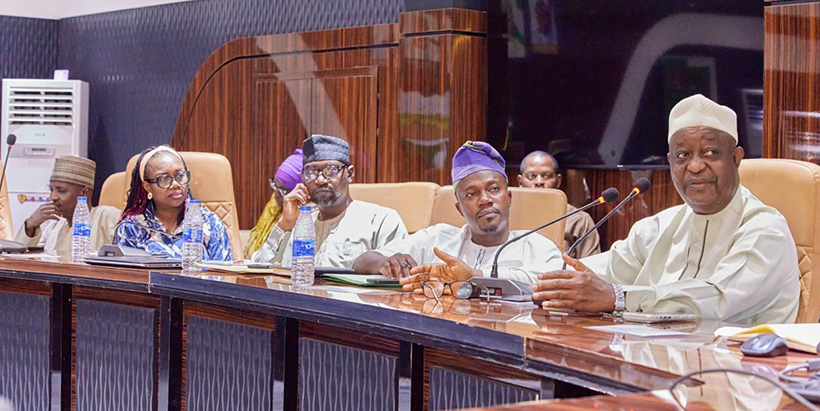
In her opening remarks, the Chairperson, Ms Henrietta Alhassan, emphasized the importance of the partnership between ACReSAL and IITA-CGIAR in addressing land degradation, strengthening climate resilience, and promoting sustainable agricultural systems across affected communities.
She described IITA’s appointment as a Technical Assistance Partner as strategic and timely, noting that the institute’s expertise in agricultural research, climate-smart agriculture, and restoration systems would significantly support the project’s objectives.
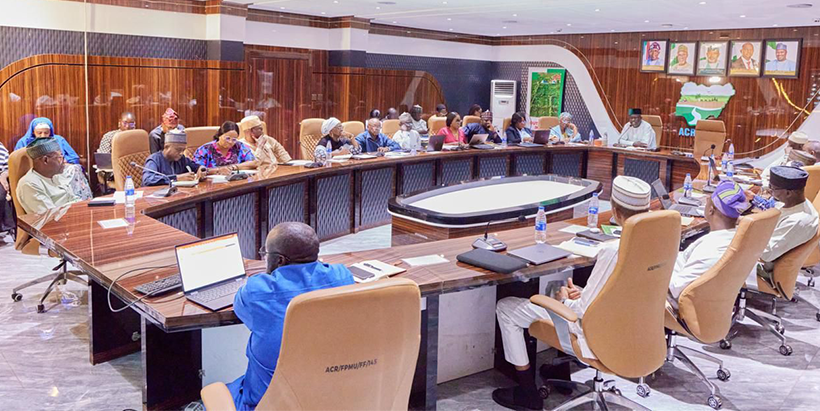
During the meeting, stakeholders emphasized the urgent need for practical, coordinated interventions to restore degraded landscapes while improving agricultural productivity and farmer resilience.
In his remarks, National Project Coordinator, Dr Abdulhamid Umar, described the partnership as a strategic opportunity to reverse environmental degradation and strengthen food systems through climate-smart interventions.
He stressed that implementation must move beyond theoretical discussions to practical field-based solutions that deliver measurable impact to farming communities.
Presenting IITA’s technical proposal, Dr Alpha Kamara highlighted the institute’s commitment to supporting both the Federal and State Governments through evidence-based, ecosystem-specific interventions.
According to him, the project will focus on watershed-based planning, climate-smart agriculture, restoration systems, nursery establishment, irrigation opportunities, and strengthening extension support systems.
Dr Kamara also emphasized the importance of working closely with Agricultural Development Programs (ADPs), extension agents, policymakers, and local communities to ensure effective implementation and sustainability.
Participants at the meeting underscored the need for: clear implementation timelines and KPIs, stronger extension systems, watershed-based site selection, ecosystem-specific interventions, and farmer-centered implementation approaches.
The meeting also identified the forthcoming technical workshop in Ibadan as a critical next step toward refining methodologies, deliverables, timelines, and implementation frameworks.
The ACReSAL Project targets large-scale restoration of degraded landscapes while promoting sustainable agriculture, climate adaptation, and improved livelihoods across 19 northern states in Nigeria and the Federal Capital Territory.
Contributed by Sarah Sallau
