IITA hosts India National Dairy Development Board to advance aflatoxin mitigation collaboration
24 March 2026
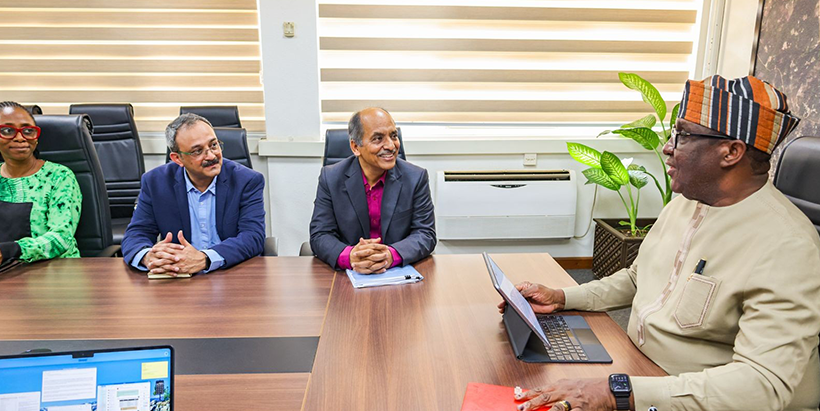
A two-member delegation from India’s National Dairy Development Board (NDDB) visited the IITA–CGIAR headquarters in Ibadan, Nigeria, from 12 to 13 March 2026. During the visit, both teams held intensive technical discussions on aflatoxin mitigation and advanced preparations for a joint initiative to create an India-specific Aflasafe product.
The visiting delegation included Rajesh O. Gupta, Senior General Manager (Productivity Enhancement), and Ponnanna N. Muthappa, Head of the R&D Laboratory at NDDB. During the visit, the NDDB team met with IITA leadership and scientists to discuss aflatoxin contamination in feed and food systems and its implications for the dairy sector. The visit follows a series of consultations held in India between NDDB and IITA, represented by Ranajit Bandyopadhyay, IITA Emeritus Scientist.
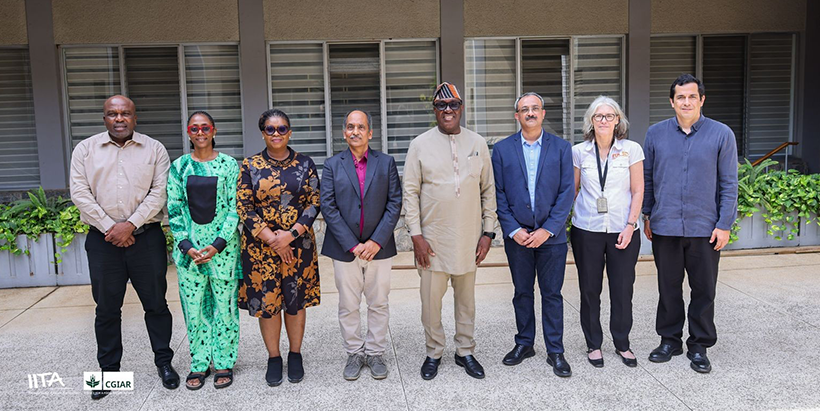
The delegation met with the IITA Director General, Dr Simeon Ehui, and some senior management members and scientists to discuss the modalities of the collaboration. The IITA leadership expressed support for this first engagement between IITA and NDDB on aflatoxin control, which will lead to the first Aflasafe product in Asia. The discussions highlighted the importance of addressing
aflatoxin contamination to improve feed safety, milk quality, livestock productivity, and public health. A key focus of the visit was IITA’s Aflasafe technology, a biocontrol solution that reduces aflatoxin contamination in crops such as maize and groundnuts. Developed and widely deployed across Africa, Aflasafe has helped farmers produce safer food and feed while strengthening agricultural value chains.
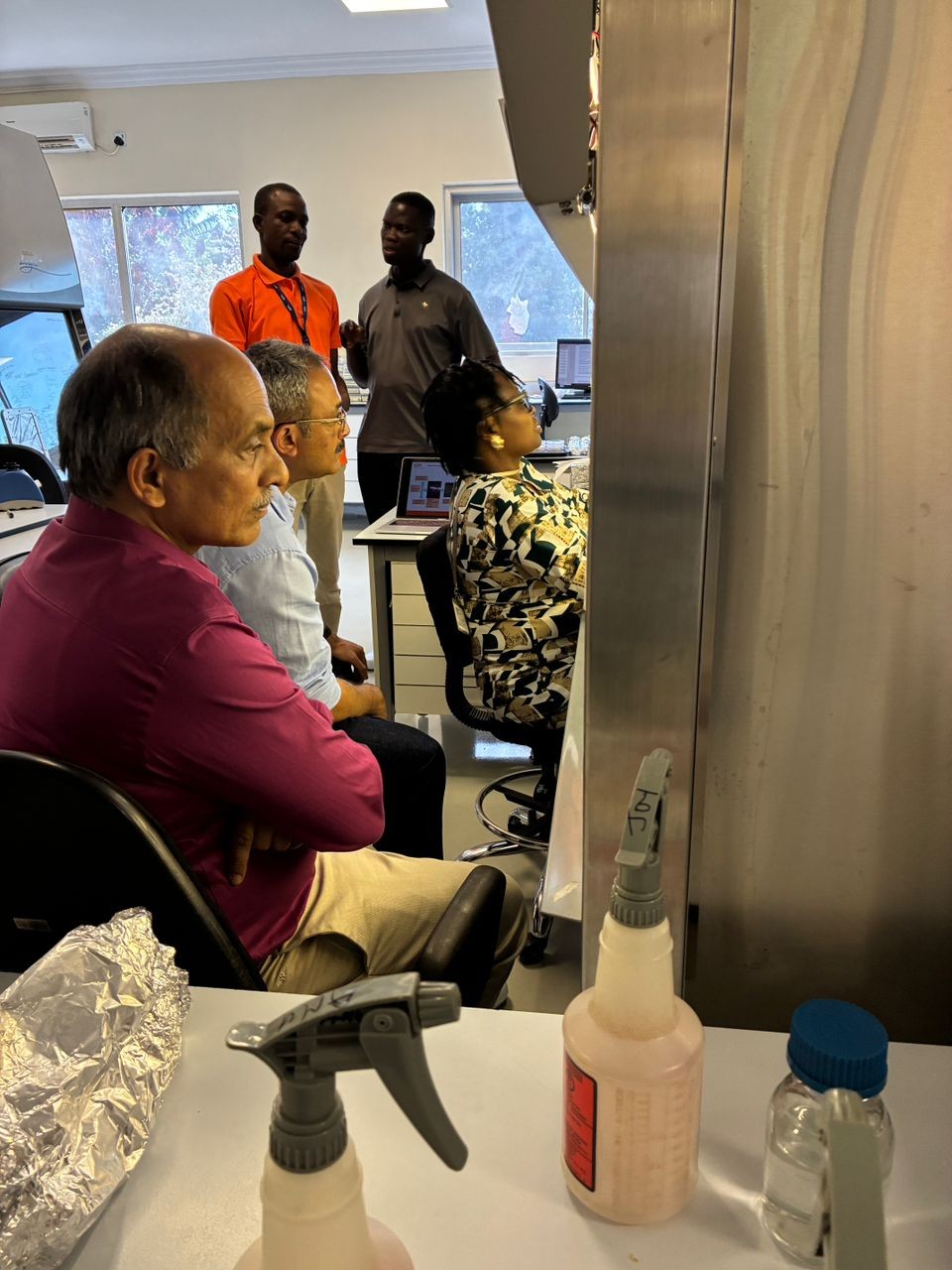
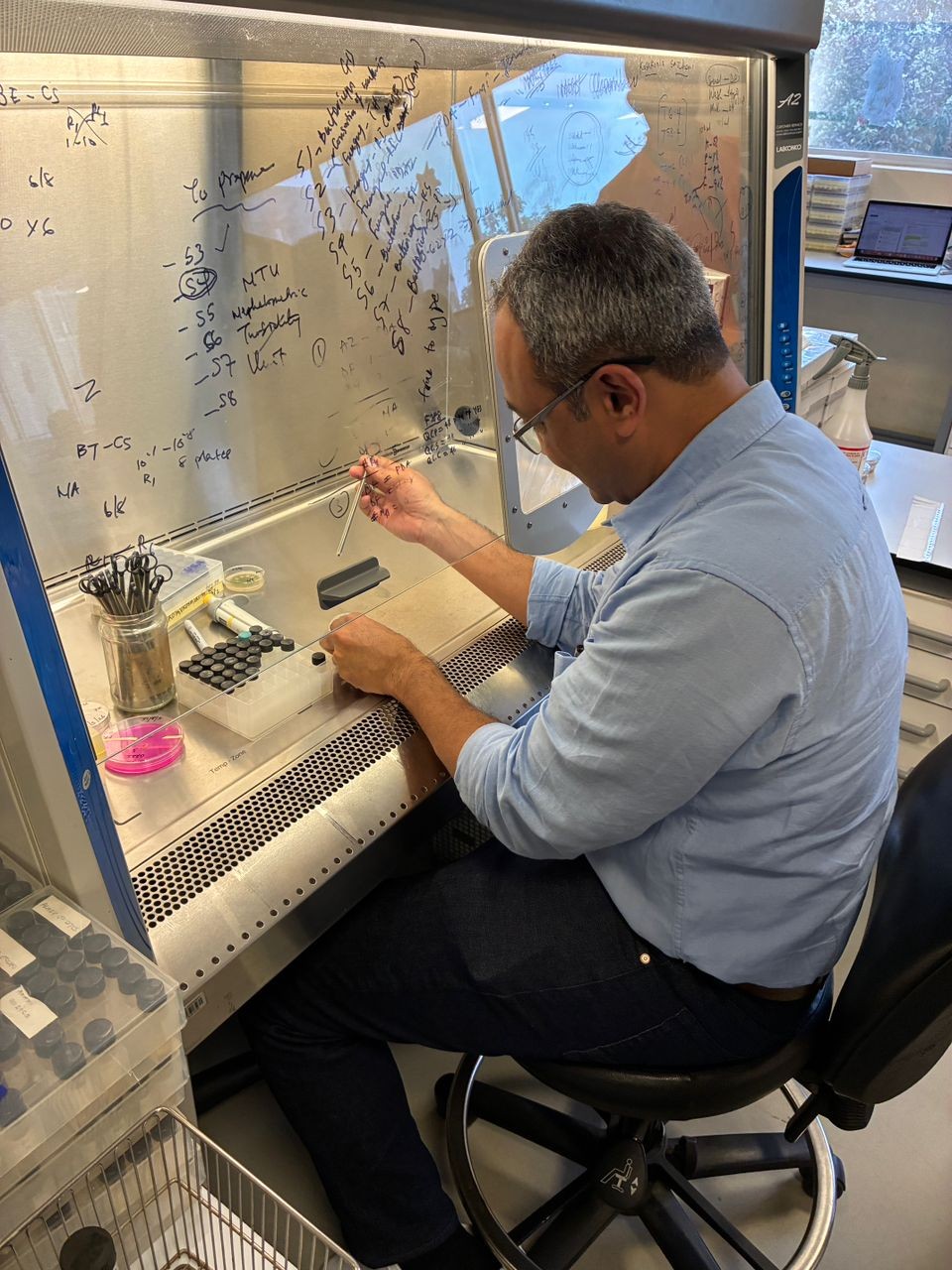
During the visit, the NDDB delegation toured IITA’s Aflasafe laboratories, where scientists Dr Alejandro Ortega-Beltran and Dr Titilayo Falade demonstrated the processes involved in characterizing, testing, and developing atoxigenic isolates used in the biocontrol technology. The visitors also discussed various aspects of the industrial production and formulation of the product.
Under the upcoming collaboration, IITA will provide technical support to enable the development in India of an Aflasafe biocontrol product tailored to conditions in India. The joint work will focus on identifying native atoxigenic Aspergillus flavus strains, conducting field evaluations across diverse agroecological zones, improving product formulation to reduce costs, and preparing the regulatory
dossier required for registration in India. The project will also support technology transfer, establishment of local manufacturing capacity, and strategies to scale the product through feed and crop value chains linked to the dairy sector. The collaboration is expected to begin in the second quarter of 2026 with an initial two-year development phase, with the potential to expand into a larger program as activities progress.
NDDB has played a central role in transforming India’s dairy sector through a cooperative model that spearheaded the country’s “White Revolution,” which made India the world’s largest milk producer. By addressing aflatoxin contamination in feed crops, the collaboration between IITA and NDDB aims to strengthen feed quality, safeguard milk safety, and support sustainable growth in the dairy industry. At the conclusion of the visit, both institutions agreed to continue working toward formalizing the collaboration and rapidly advancing the upcoming project activities.
Contributed by Alejandro Ortega-Beltran.
