IsDB launches Tadamon 2.0 to boost resilience in fragile regions
12 May 2026
In a significant step toward advancing resilience in fragile regions, the Islamic Development Bank (IsDB) Group officially launched Tadamon 2.0 – Seeds of Solidarity in Jeddah, Saudi Arabia, marking a renewed global commitment to inclusive, locally driven development. Held at the IsDB Headquarters on 28 April, the event convened a diverse group of development partners, civil society organizations, and donors, including IITA–CGIAR, Qatar Charity Organization, IICO, MAEIN, IRUSA, ALNOURI, CRC, and others—united by a shared vision to uplift vulnerable communities.
Delivering the opening remarks, IsDB Group Chairman, H.E. Dr Muhammad Al Jasser, described the launch as both a milestone and a call to action. He stressed the urgent need to transition from short-term interventions to long-term resilience-building strategies, particularly in a world where over 32 member countries continue to face fragility, poverty, climate shocks, economic instability, and conflict. Tadamon 2.0, he noted, reflects a deepened commitment to ensuring that no community is left behind, especially those in hard-to-reach areas.
Building on the successes of Tadamon 1.0, which began in 2019, the new phase is anchored on four core pillars: localization, community empowerment, innovation, and reaching the hardest-to-reach populations. By 2030, the initiative aims to expand access to essential services, improve food security and livelihoods, and strengthen the capacity of hundreds of civil society organizations across member countries.
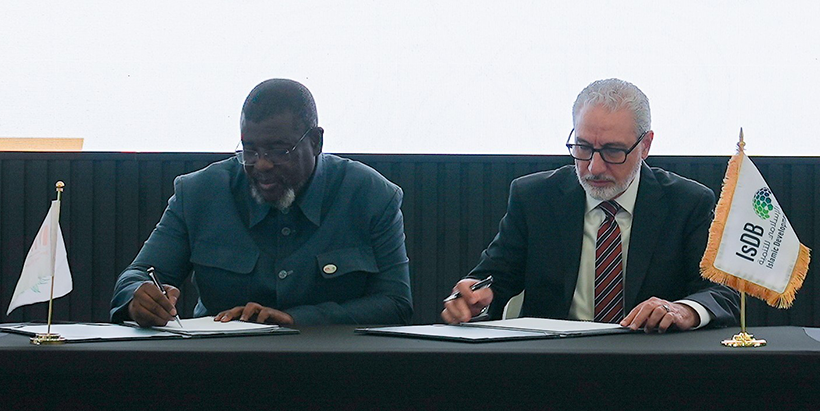
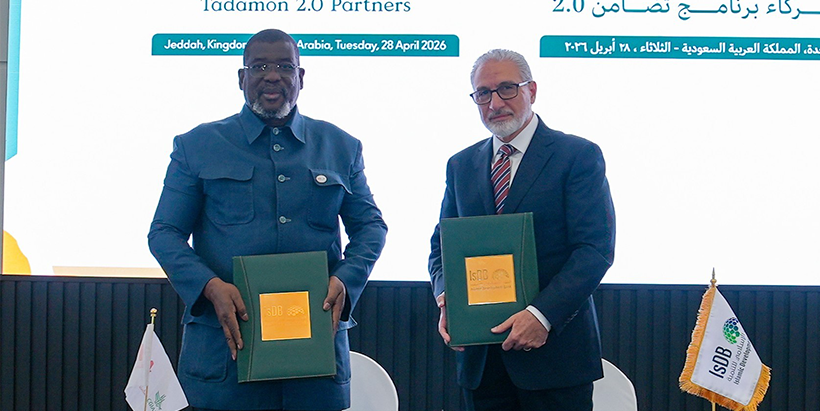
IITA-CGIAR reinforced its position as a key implementing partner with Deputy Director General, Partnerships for Delivery and Scaling, Dr Tahirou Abdoulaye, participating in the official signing of the collaboration agreement with IsDB. Representing the Director General, Dr Simeon Ehui, Dr Abdoulaye expressed gratitude to IsDB for its leadership and innovation in addressing the needs of vulnerable communities.
Dr Abdoulaye highlighted IITA’s commitment to developing and scaling context-specific and impactful agricultural innovations. Through Tadamon Phase 1.0 in Nigeria and Niger, he noted that IITA contributed to improved crop interventions, strengthened local capacity, and supported civil society organizations working directly with farmers. These efforts have already begun transforming livelihoods and building resilience in fragile communities.
“Tadamon 2.0 is not just a program; it is a promise to build on existing successes and deliver sustainable, scalable solutions that improve livelihoods and food systems,” he stated. He further underscored the importance of partnerships as the backbone of effective development, especially in regions affected by conflict, climate change, and economic hardship.
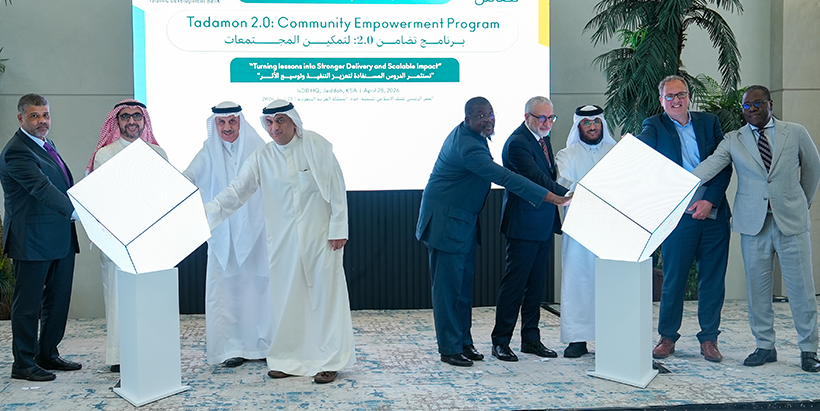
The launch also celebrated the achievements of Tadamon 1.0, which engaged and trained thousands of civil society organizations, reinforcing their role as critical last-mile partners. Partners, including IITA, IICO, Islamic Relief, USAID, UNDP, and HDF were recognized for helping transform Tadamon into a global development movement.
As the event concluded, participants reaffirmed their commitment to deeper collaboration and greater impact. With Tadamon 2.0 now under way, IITA and its partners are poised to scale interventions that empower communities, enhance resilience, and drive sustainable development across some of the world’s most vulnerable regions.
Contributed by Folake Oduntan
