Inspiring transition: How Ugandan Simon Zaake moved from fish waste collector to global analyst
18 July 2025
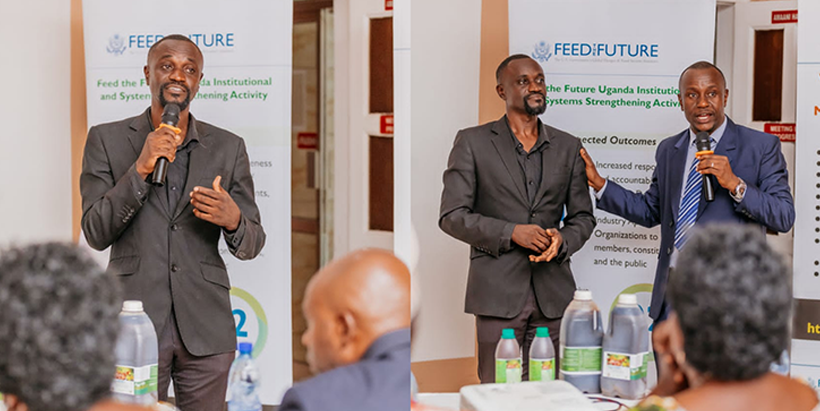
For years, the pungent smell of fish waste hovered above several Ugandan fishing communities, a constant reminder of pollution and neglect. While most passersby covered their noses to navigate the area, Simon Zaake saw potential.
A trained forester with deep concern for the environment, Simon’s path changed the day he joined the ENABLE TAAT Compact, under the Youth in Agribusiness Program of the International Institute of Tropical Agriculture. The training, designed to equip young Africans with agribusiness and entrepreneurial skills, became a turning point, giving him a platform to turn his passion for sustainability into purpose-driven action.
That purpose soon took shape in the form of FHS+, a youth-led agribusiness venture he founded, focused on transforming fish waste into organic agricultural inputs. While others were nauseated by the smell, Simon and his team got to work, reimagining waste as a resource. He launched the fish hydrolysate fertilizer, a natural soil enhancer created through the enzymatic breakdown of discarded fish waste, which reduces existing environmental challenges and promotes healthy soil and sustainable farming practices.
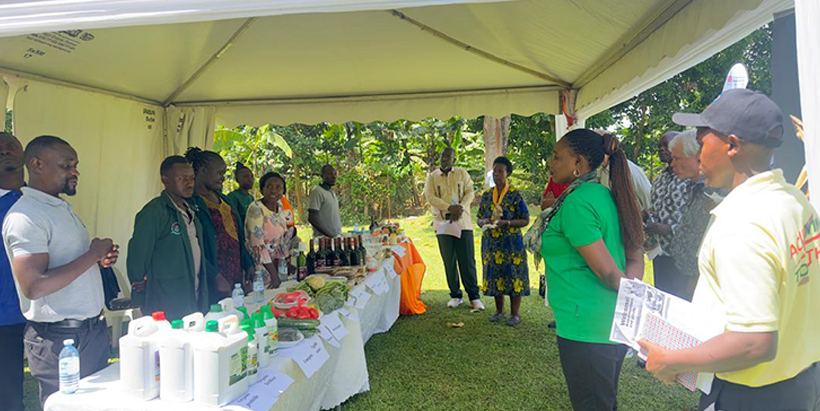
But Simon didn’t stop there. Under his leadership, FHS+ also introduced an organic pesticide from fermented rice water and milk, an affordable, safe alternative to chemical products for smallholder farmers. These eco-friendly solutions have made FHS+ a household name in Uganda for circular economy practices, where waste is no longer a problem, but part of the solution.
Beyond products, Simon’s venture has created real opportunities. What started as a solo idea now employs young people in production, packaging, and marketing, providing dignified work and hope for many who were previously unemployed.
Meanwhile, Simon’s work did not go unnoticed. As his impact grew, so did his influence. Today, he works as a Project Analyst with the Food and Agriculture Organization (FAO) of the United Nations, contributing to sustainable agriculture initiatives on a global scale. From managing waste in Ugandan villages to informing global policy, Simon’s journey shows how far innovation can transfer when rooted in local realities.
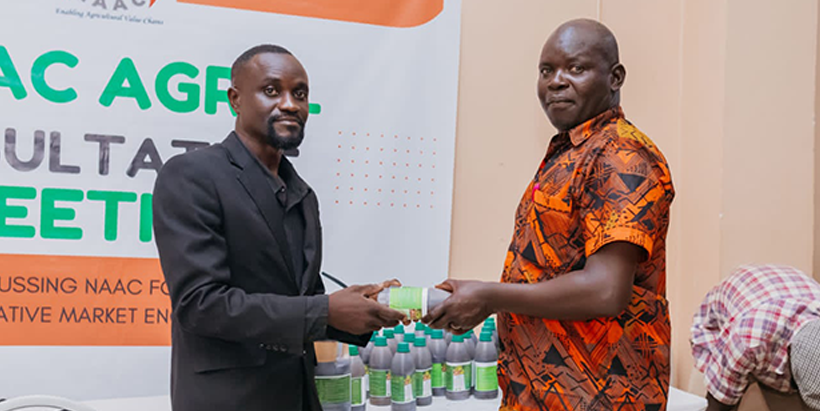
“I have learned that agribusiness is not just about profit,” Simon says. “It’s about restoring ecosystems, empowering the youth, and creating global impact.”
Currently, FHS+ is undergoing organic certification to expand into new markets and establish consumer trust. His journey from a forester in Uganda to a UN professional proves that with the right mindset, mentorship, and incubation support ENABLE-TAAT provides, youths can unlock their potential, as he’s helping others unlock theirs.
Simon’s transition from collecting fish waste to becoming an analyst at the FAO has become a clarion call for Uganda’s youth, particularly in identifying the hidden treasure in what others run away from.
Contributed by Jesutofunmi Sharon Robinson
