Showcasing innovation, partnerships, and the power of diversified diets – IITA-Zambia celebrates World Food Day with food fair
30 October 2025
The world came together on 16 October 2025 to commemorate World Food Day under the theme, “Hand in hand for better foods and a better future.” The theme was a call for collective action to strengthen food systems and value chains, making food affordable, healthy, and accessible to all.
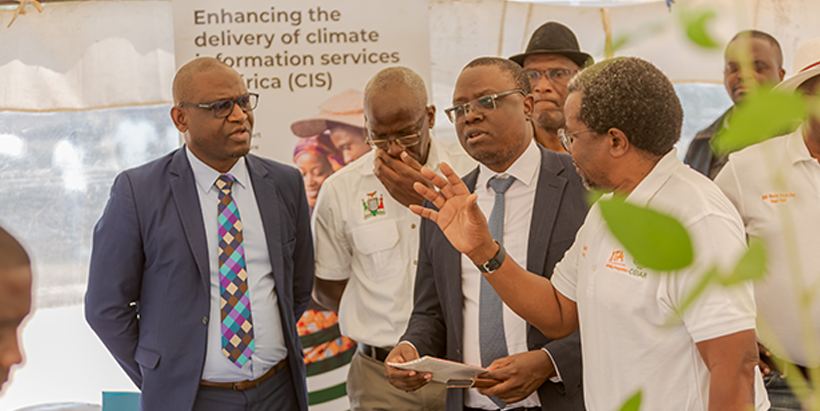
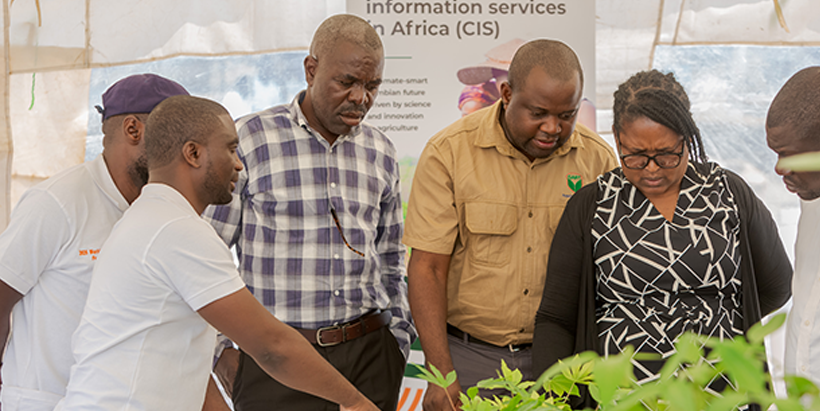
In Zambia, IITA–CGIAR hosted a vibrant food fair that brought together key players in Zambia’s food systems. From government, research institutions, farmers, partners, academia, the private sector, to women and youth, came together to celebrate diversified diets, food security, and agricultural innovation.
Held at the IITA Southern Africa Research and Administration Hub (SARAH) in Ngwerere, Lusaka, the event featured exhibitions and displays of locally processed food products by youth and agribusiness enterprises. It also featured a thought-provoking panel discussion on how households can enhance their diets with locally sourced foods. The food fair also served as a platform that promoted healthy and nutritious diets, while highlighting how agricultural research and innovation can drive food security and economic empowerment.
Gracing the occasion as a guest of honor, the Head of the Presidential Delivery Unit (PDU), Kusobile Kamwambi, spoke through her representative, Jones Shimbela, Manager for Efficient Value Chains at PDU. He explained that the theme calls for collaboration across governments, various sectors, and communities to align food systems with sustainability, equity, and resilience. He further called for action beyond words to support smallholder farmers with the tools and resources they need, ensuring that nutritious, safe food is accessible to all, leaving none behind. “On this World Food Day, let us commit ourselves to action, not only by words but in footsteps and pledge to protect our environment that sustains food production today and for our future generation, work hand in hand across sectors and borders,” he said.
Meanwhile, the IITA-Southern Africa Regional Director, Dr David Chikoye, stated that no single actor could ensure food security, emphasizing that collective action of governments, research institutions, farmers, and the private sector could. “We must work hand in hand to produce more food sustainably, to reduce losses and waste, to make diets healthier, and to protect the natural resources that sustain life,” he buttressed.

He explained that IITA has been part of the solution for more than five decades, working to transform African agriculture through research, innovation, and partnerships that improve food security, income, and nutrition. “Our work with national partners, governments, and the private sector under initiatives, such as the Technologies for African Agriculture Transformation (TAAT), IITA Youth Agripreneurs (IYA) program, Soybean for Africa, Legumes for Development, and CGIAR research programs, reflects our belief that science can change lives when put in the hands of farmers,” he added.
“In the spirit of this year’s theme, we will continue to work hand in hand with farmers, to co-develop technologies that respond to their needs, governments, and policymakers. We will also ensure that research informs national priorities and the private sector, to expand markets, create jobs for the youth, and empower the next generation of food system leaders,” he finalized.

Also speaking at the event, the Administrator of the IITA-Southern Africa Regional Hub, Dr Adeleke Ali, expressed appreciation to all partners who participated in the food fair and continue to support IITA’s mission of transforming African agriculture through research and innovation. He underscored IITA’s commitment to promoting diversified diets and sustainable food systems that improve nutrition and livelihoods.
The food fair concluded with a renewed call for stronger partnerships and collaborative action to scale agricultural innovations and ensure research continues to benefit smallholder farmers, youth, and communities across Zambia and beyond. The event had over 200 participants from 15 organizations in attendance, representing a diverse range of partners across research, academia, government, and the private sector.
Contributed by Rachel Namukolo-Covic
