
The quiet revolution reshaping African agriculture
18 March 2026
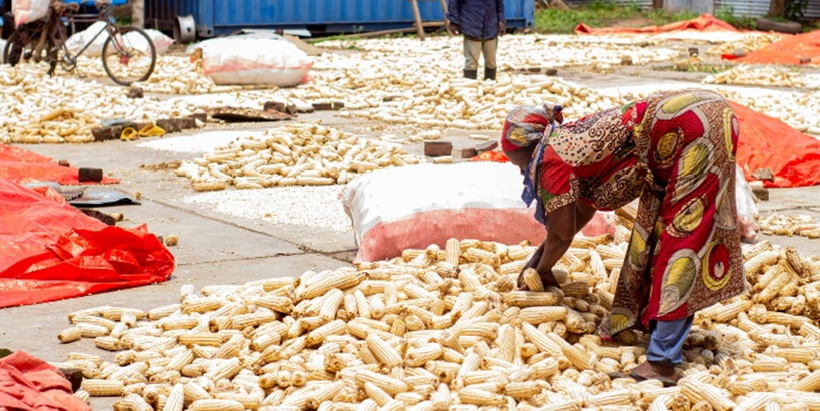
Agriculture is increasingly recognized as the cornerstone of sustainable development across Africa, where it is significantly reshaping livelihoods, economies, and food systems. Across the continent, governments, development institutions, and research partners are aligning efforts to ensure food and nutritional self-sufficiency, reduce dependence on costly imports, and position African nations more competitively in global trade. What was once a long-term aspiration is now unfolding as a coordinated movement – with key actors drawn from research, academia, and governments, driven by innovation, policy reform, and investment, quietly transforming the lives of millions.
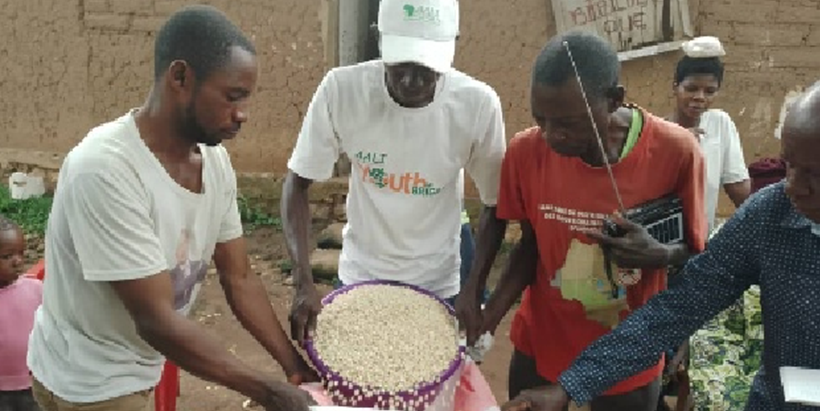
At the center of this shift is the smallholder farmer. Long overlooked despite forming the backbone of agricultural production, small-scale producers are now receiving the long-overdue attention and development support from initiatives that are targeting agricultural transformation. Programs designed to modernize farming practices are expanding access to improved seeds, digital advisory tools, mechanization, and markets. Commercial seed systems built on recent breeding efforts are becoming viable across multiple crops and countries, enabling farmers to transition from subsistence production to profitable enterprise models, particularly in cassava, maize, and rice value chains.
Along with these, technology is a defining factor in this transformation. Digital agriculture platforms are improving access to extension services, weather information, financial tools, and market intelligence. At the same time, mechanization is reducing labor burdens and making farming more attractive to youth. Women, who make up a significant share of Africa’s agricultural workforce, are also gaining technical and economic empowerment through targeted training, financing opportunities, and inclusive policies. These combined drivers are not only raising productivity but also strengthening resilience in the face of climate variability and economic shocks.
Organizations such as IITA and other CGIAR centers, along with their partners, such as AALI, are playing a central role by linking research innovation with practical field application. Through collaborations with governments, donors, and institutions like the African Development Bank (AfDB), these efforts are demonstrating scalable models for agricultural growth across Africa. Their work shows that transformation is most effective when research, policy, and investment align strategically.
The momentum is significant, and the impact is visible. Over the past quarter-century, Africa has experienced strong macroeconomic growth, yet agriculture, employing roughly 65 percent of the workforce, has not fully reflected these gains. Evidence consistently shows that agricultural growth is more effective at reducing poverty than growth from other sectors. This realization has renewed commitment to reforms that prioritize rural economies, fair trade policies, and investment in research and development. Reducing excessive tariffs on farm inputs, strengthening producer incentives, and supporting value addition are among the policy measures helping unlock agricultural potential.
Unlike past efforts to revitalize African agriculture, this current transformational phase has gathered sizable political will and initiated additional rounds of policy re-evaluation and reform. The active participation of governments and regional organizations in recent landmark events highlights this turning point toward agricultural transformation. Still, challenges remain.
Many countries continue to import staple foods because domestic production falls short of demand. Climate change, land pressures, and unequal access to resources threaten progress. To address these realities, experts from IITA-CGIAR and The African Agricultural Leadership Institute (AALI), led by Paul Woomer, in a recent report titled, “African Agricultural Transformation: Perspectives from the International Institute of Tropical Agriculture,” emphasized some of the result-driven approaches that are being deployed from private sector engagement to technology bundling – which includes combining improved seeds, climate-smart practices, soil management, and digital tools tailored to local conditions. According to another study, integrated approaches, such as technology bundling, are attracting attention as tools for agricultural development in countries like the DR Congo, Kenya, and Nigeria.
According to the researchers, these types of approaches are essential to meet changing consumer preferences, diversify diets, and build resilient food systems.
The study shows that, despite International Financial Institutions’ investments playing a key role in supporting numerous programs and initiatives on the continent, the private sector is critical for widespread investment and scaling for impact.
Ultimately, agricultural transformation goes beyond yields or markets; it is about smallholder farmers adopting innovations, and women and youth embracing small-scale mechanization to reduce drudgery.
Agricultural transformation is about farm productivity, which translates into increased household incomes, better nutrition, improved health, and stronger opportunities for the next generation. With visionary leadership, inclusive policies, and strategic partnerships, Africa stands on the threshold of an agricultural renaissance capable of reshaping its development trajectory and delivering lasting prosperity for millions.
Contributed by Ochuwa Favour Daramola
