Landmark decision recognizes non-GMO status of gene-edited banana events

12 May 2026 – Nairobi, Kenya: A quiet but significant shift in Kenya’s agricultural landscape is opening new opportunities and doors for innovation and renewed hope for banana farmers affected by bacterial wilt disease.
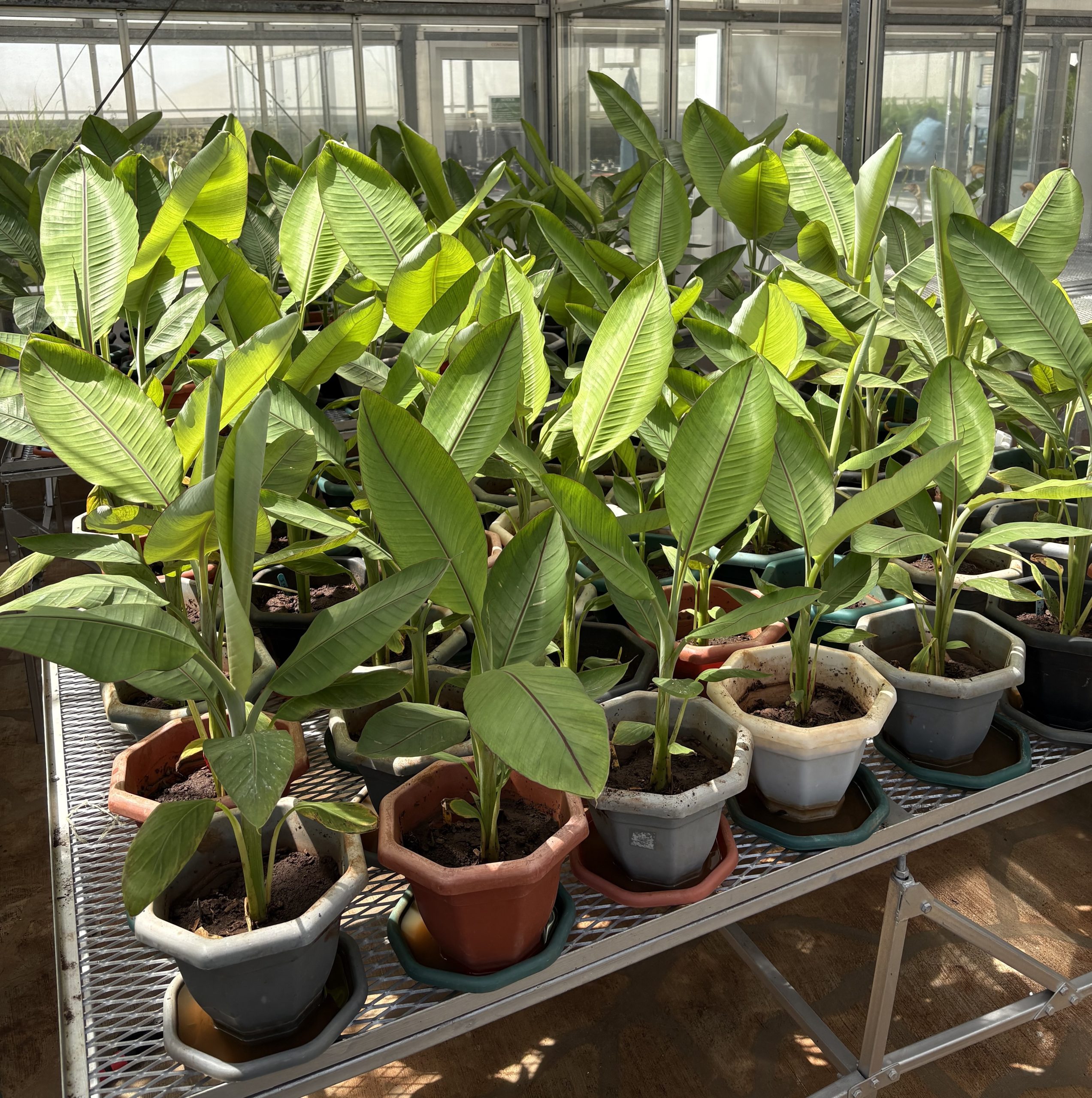
Kenya Clears Path for Field Trials of Gene-Edited Banana
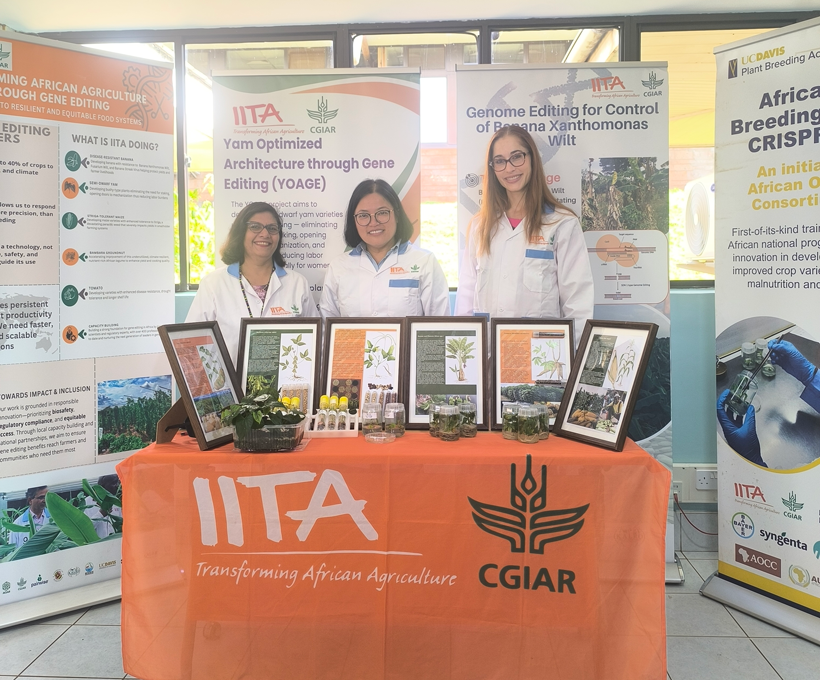
Gene-edited banana plants in the greenhouse. (Photo credits: Dr Jaindra Tripathi).

In a landmark decision, the National Biosafety Authority (NBA) has confirmed that gene-edited banana events developed by the International Institute of Tropical Agriculture (IITA) in Kenya are not classified as genetically modified organisms (GMOs) as they do not contain any foreign genetic material. This determination allows impr oved gene-edited bananas to advance through conventional research pathways, marking a major step in enabling the use of modern breeding technologies.

Following this clarification, the NBA has approved for field trials of the improved banana lines, developed to combat Banana Xanthomonas Wilt (BXW), a devastating disease that continues to threaten banana production and farmers’ livelihoods across East Africa. The new gene-edited bananas are designed to resist the disease while maintaining strong growth and yield.

The field trials will be conducted by IITA in partnership with the Kenya Agricultural and Livestock Research Organization (KALRO), focusing on agronomic performance and resistance to BXW under field conditions.

“This is a major step forward not just for banana research, but for agricultural innovation,” said Dr Leena Tripathi, Eastern Africa Hub Director and Principal Investigator leading the work. “It shows that science-based, proportionate regulation can enable the development of practical solutions for farmers.”

The decision reflects Kenya’s commitment to a science-driven and enabling regulatory environment. By distinguishing gene-edited crops without foreign DNA from traditional GMOs, the country is championing innovation while maintaining strong biosafety oversight.

With approval in place, the research moves from the laboratory to the field. The trials, strictly for research, will generate critical data on the performance of the improved bananas under real farming conditions.

“The opportunity to evaluate these bananas in the field is a critical step,” Dr Tripathi noted. “Our goal is to develop improved crop varieties that farmers can rely on—helping to boost production and strengthen resilience.”

For farmers across the region, the stakes are high. BXW remains one of the most destructive banana diseases, with limited long-term control options. The development of resistant varieties offers a promising and sustainable solution.

More broadly, this milestone signals growing confidence in gene editing as a practical tool for crop improvement in Africa, setting an important precedent that could accelerate the development of resilient crops and strengthen food security in the years ahead.

About IITA

The International Institute of Tropical Agriculture (IITA) is a not-for-profit institution dedicated to generating agricultural innovations to address Africa’s most pressing challenges of hunger, malnutrition, poverty, and natural resource degradation. Working with various partners across sub-Saharan Africa, IITA improves livelihoods, enhances food and nutrition security, increases employment, and preserves natural resource integrity. IITA is a member of CGIAR, a global agriculture research partnership for a food and nutrition secure future.

Media Contact

Dr Leena Tripathi
Eastern Africa Hub Director/ Biotechnology Program Lead
International Institute of Tropical Agriculture (IITA)
Email: l.tripathi@cgiar.org
Website: www.iita.org / genomeengineering.iita.org

Rose Harriet Okech
Communication Associate
International Institute of Tropical Agriculture (IITA)
Email: r.okech@cgiar.org
Website: www.iita.org / genomeengineering.iita.org
Chart
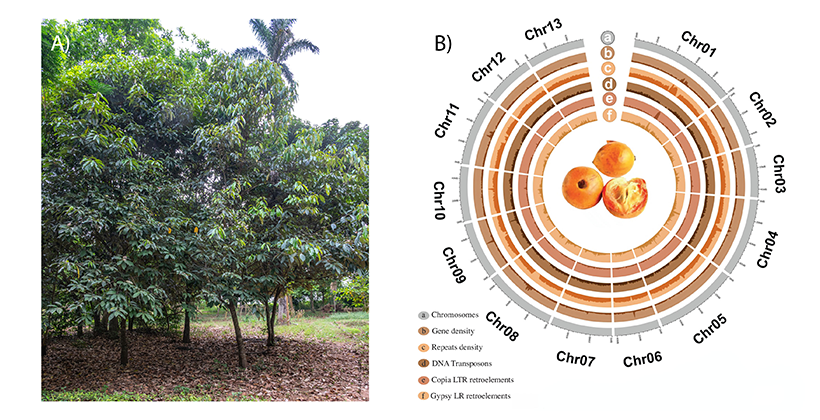
A) White apple tree at IITA Farm Unit. B) Circos plot displaying the chromosomes and the gene and repeat densities of the genome.

In a recent collaboration, Inqaba Biotec, Malimbe Foundation, the African BioGenome Project (AfricaBP), and IITA (Bioinformatics Unit and Forest Center) successfully produced the first chromosome-scale, annotated genome assembly of the white star apple (Gambeya albida), an iconic indigenous fruit tree of West and Central Africa. This achievement marks a significant step forward for African-led genomics, conservation, and agricultural research.

Scientists from the participating institutions jointly led the genome project. Dr Michael Landi (IITA Nairobi) was responsible for the assembly and annotation, and served as the lead author of the resulting manuscript. Abiodun Lukman Aroworamimo led the Inqaba Biotec in local sequencing services, while Dr Adewale Awoyemi of the IITA Forest Center provided ecological leadership. Dr Andreas Gisel (IITA Ibadan) provided bioinformatics support and access to IITA’s Bioinformatics high-performance computing, while Dr ThankGod Echezona Ebenezer guided the work under the AfricaBP ethics and data-governance framework.

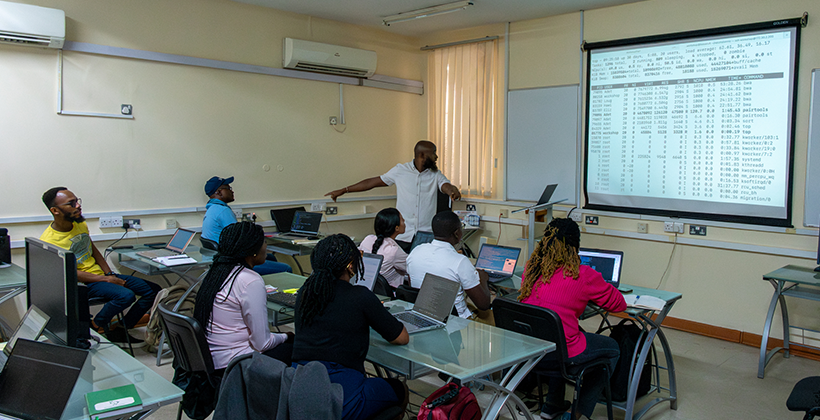
Class of the assembly workshop led by Dr Michael Landi.

The white star apple, known locally as Agbalumo, Udara, Agwaliba, and Alasa, is widely consumed across West and Central Africa, and is valued for its rich vitamin content, medicinal properties, cultural importance, and contribution to household incomes. Despite its economic and cultural relevance, the species has remained genetically under-characterized, limiting opportunities for its enhanced conservation, varietal improvement, and industrial applications. The new genome fills these critical gaps. Using PacBio HiFi long-read sequencing combined with Omni-C scaffolding, we produced an 822 Mbp haploid genome assembled into thirteen chromosomes. This resource provides, for the first time, a comprehensive view of the genetic basis underlying the fruit’s nutritional, medicinal, and metabolic properties.

This newly generated genome will support ongoing efforts to conserve the highly sought-after white star apple, which faces threats from habitat loss, overexploitation, and environmental change. It will also enable future research into fruit quality traits, phytochemical pathways, domestication potential, and improved propagation practices. For breeders, nutritionists, conservationists, and policymakers, the genome offers a foundational tool to unlock the species’ agricultural and economic potential.

Beyond its scientific value, the project demonstrates the rapidly expanding genomic capabilities within Africa. All the sequencing, assembly, annotation, and validation were conducted using local expertise and infrastructure. The collaboration also highlights strengthened partnerships among African research organizations, enabling high-impact genomic discoveries that directly benefit local communities and ecosystems.

The data have been made publicly available in the NCBI SRA repository, with a preprint accessible at Research Square. The manuscript is currently under peer review in Scientific Data.

Another outcome of this collaboration was the transfer of knowledge gained to 11 early-career African scientists from six countries, including the Benin Republic, Cameroon, CĂ´te d’Ivoire, Ethiopia, Nigeria, and Zimbabwe. This was achieved through a 5-day (2-6 June 2025) workshop organized at the Bioscience in Ibadan, in collaboration with Inqaba Biotec, IITA Forest Center, IITA Bioinformatics Unit, and the AfricaBP. The workshop covered extensive theory, discussions, and hands-on sessions using the IITA’s Bioinformatics computing resources and the data from the white star apple project. The eleven beneficiaries were selected through a rigorous fellowship that attracted 260 applicants.

IITA, together with its partners, celebrates this achievement as a landmark contribution to African genomics. The institutions look forward to future collaborations that advance the understanding, conservation, and sustainable use of Africa’s plant biodiversity.

Contributed by Andreas Gisel

Multi-year partnership aims to strengthen breeding capacity and deliver breakthrough crop varieties for 30 million smallholder farmers across sub-Saharan Africa

IBADAN, Nigeria / ST. LOUIS, Missouri – 20 April  2026 – The International Institute of Tropical Agriculture (IITA) and Bayer today announced a comprehensive research collaboration agreement focused on accelerating agricultural innovation and building scientific capacity across sub-Saharan Africa. The partnership, which runs through 2028, will combine IITA’s globally recognized expertise in tropical crop improvement and smallholder farming systems  with Bayer’s global breeding technologies to develop climate-resilient, high-yielding, nutrient-dense crop varieties tailored to smallholder farming systems.

The collaboration targets seven priority crops  critical to African food systems and livelihoods—maize, soybean, cowpea, cassava, yam, banana and plantain, and Bambara groundnut—with the shared objective of delivering varieties that achieve a minimum 25% yield advantage in farmers’ fields. This ambitious goal directly supports critical Sustainable Development Goals including food security, poverty reduction, improved nutrition, and climate adaptation.  It is also aligned with the Gates Foundation’s goal: Enabling hundreds of millions of people to break from poverty, putting more countries on the path to prosperity.”

“This partnership represents a powerful model of co-innovation between the public and private sectors to address Africa’s most pressing agricultural challenges,” said Dr Bernard Vanlauwe, IITA Deputy Director General for Research for Development. “IITA brings decades of leadership in crop breeding, biotechnology, and farmer-centered research. By combining complementary strengths, we are accelerating the development of next-generation crop varieties while further strengthening scientific excellence across the continent. ”

The collaboration encompasses three strategic pillars:

People Development:  Through structured training and knowledge exchange, the partnership will deepen IITA’s expertise in genomic selection, molecular breeding, biotechnology integration with breeding, and data-driven decision-making. The initiative reinforces IITA’s role in developing a strong pipeline of skilled professionals capable of driving sustained agricultural innovation.

Enabling Capabilities: Building on IITA’s established breeding networks, the partnership will strengthen IITA’s capacity in digital phenotyping, statistical modeling, and centralized breeding operations, enhancing the precision and efficiency of crop performance evaluation and variety development.

Breakthrough Products: Joint efforts will focus on developing transformative crop varieties including biotech maize for West Africa, rust-resistant Asian soybean varieties, gene-edited insect-resistant cowpea, and disease-resistant banana breeding lines.

“Bayer is committed to supporting 100 million smallholder farmers in developing nations by 2030,” said Dr.JD Rossouw, Senior Vice President and Plant Breeding Lead at Bayer. “This collaboration with IITA exemplifies our dedication to building local capacity and co-creating solutions that deliver real impact for farming communities. By sharing our expertise and technologies, we’re helping accelerate the development of varieties that farmers need to thrive in changing climates.”

The partnership will provide up to $1.2 million in in-kind support from Bayer, including technical advisory services, training platforms, and access to advanced breeding tools. IITA will serve as the primary implementer, leveraging its research infrastructure and regional networks, with support from Gates Foundation through the Genetic Innovations Public-Private Partnerships platform.

Key innovation areas include:

  • Integration of molecular tools and genomic selection into breeding workflows
  • Advanced phenotyping platforms using drones and digital sensors
  • Biotechnology and gene editing for trait development
  • Data analytics and bioinformatics for breeding decisions
  • Seed system digitization and mechanization

The collaboration builds on successful previous partnerships between IITA and Bayer, including the Modern Breeding Project and research on increasing genetic gains in cowpea. The initiative has potential to impact approximately 30 million smallholder farmers across sub-Saharan Africa.

“By building onIITA’s long-standing leadership in biotechnology, crop breeding, and understanding of African agricultural systems, this collaboration with Bayer creates a powerful catalyst for innovation,” added Dr Leena Tripathi, IITA Genetic Innovation Director. “By integrating advanced genomic tools, gene editing, and data-driven breeding approaches with Bayer’s global expertise, this partnership will accelerate our ability to deliver high-performing, climate-resilient, and nutrient-dense crop varieties at greater speed and scale. Together, we will strengthen Africa’s scientific leadership while creating lasting impact for millions of smallholder farmers.

The collaboration aligns with Bayer’s vision for regenerative agriculture: produce more, restore nature, and scale regenerative agriculture practices globally.


About IITA

The International Institute of Tropical Agriculture (IITA) is a leading research-for-development organization focused on improving agricultural productivity, enhancing food security, and reducing poverty in sub-Saharan Africa. Established in 1967 and headquartered in Ibadan, Nigeria, IITA conducts innovative research on important African food crops and works with national and international partners to develop sustainable agricultural solutions. IITA is a member of CGIAR, a global agriculture research partnership for a food and nutrition secure future. For more information, visit www.iita.org.

About Bayer

Bayer is a global enterprise with core competencies in the life science fields of health care and nutrition. Its products and services are designed to help people and the planet thrive by supporting efforts to master the major challenges presented by a growing and aging global population. Bayer is committed to driving sustainable development and generating a positive impact with its businesses. For more information, visit www.bayer.com.

Media Contacts:

IITA
Katherine Lopez
k.lopez@cgiar.org
+234 803 9784454

Bayer
Liza Bohlmann
liza.bohlmann@bayer.com

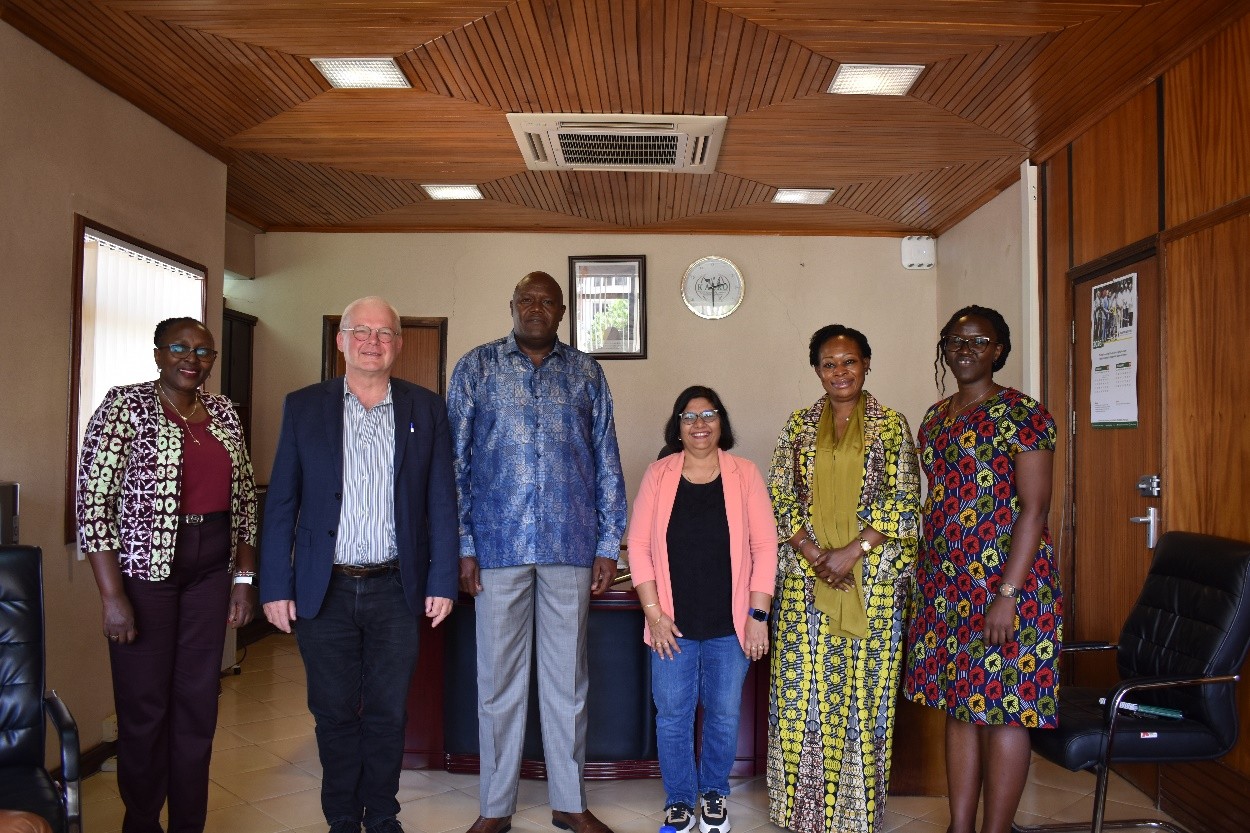
IITA and KALRO team during the visit to the KALRO Director General.

A high-level delegation from IITA Kenya paid a courtesy visit to the newly appointed Director General of the Kenya Agricultural and Livestock Research Organization (KALRO), Dr Patrick Ketiem, at KALRO Headquarters, as part of efforts to reaffirm institutional collaboration and discuss new areas of strategic partnership.

IITA’s Deputy Director General for Research for Development (DDG-R4D), Dr Bernard Vanlauwe, led the visit. He was accompanied by the Director of the Eastern Africa Hub, Dr Leena Tripathi, and the Country Representative for Kenya, Rachel Zozo. Dr Ketiem, the Deputy DG, Dr Alice Murage, and the Head of Legal, Patriciah Ngutu, welcomed them.

The engagement provided an opportunity to congratulate Dr Ketiem on his appointment and to reflect on the long-standing collaboration between IITA and KALRO. In his remarks, the KALRO Director General highlighted key milestones achieved through the partnership, including the successful construction and equipping of the state-of-the-art Aflasafe Manufacturing Plant at KALRO-Katumani in Machakos County, and the licensing of KALRO by IITA to produce Aflasafe™ KE01 for the Kenyan market and the wider region. He also highlighted the importance of continued collaboration in biotechnology capacity building, particularly in banana and cassava improvement. He challenged both institutions to strengthen efforts in scaling improved varieties, quality seed systems, and aflatoxin mitigation technologies to reach millions of farmers.

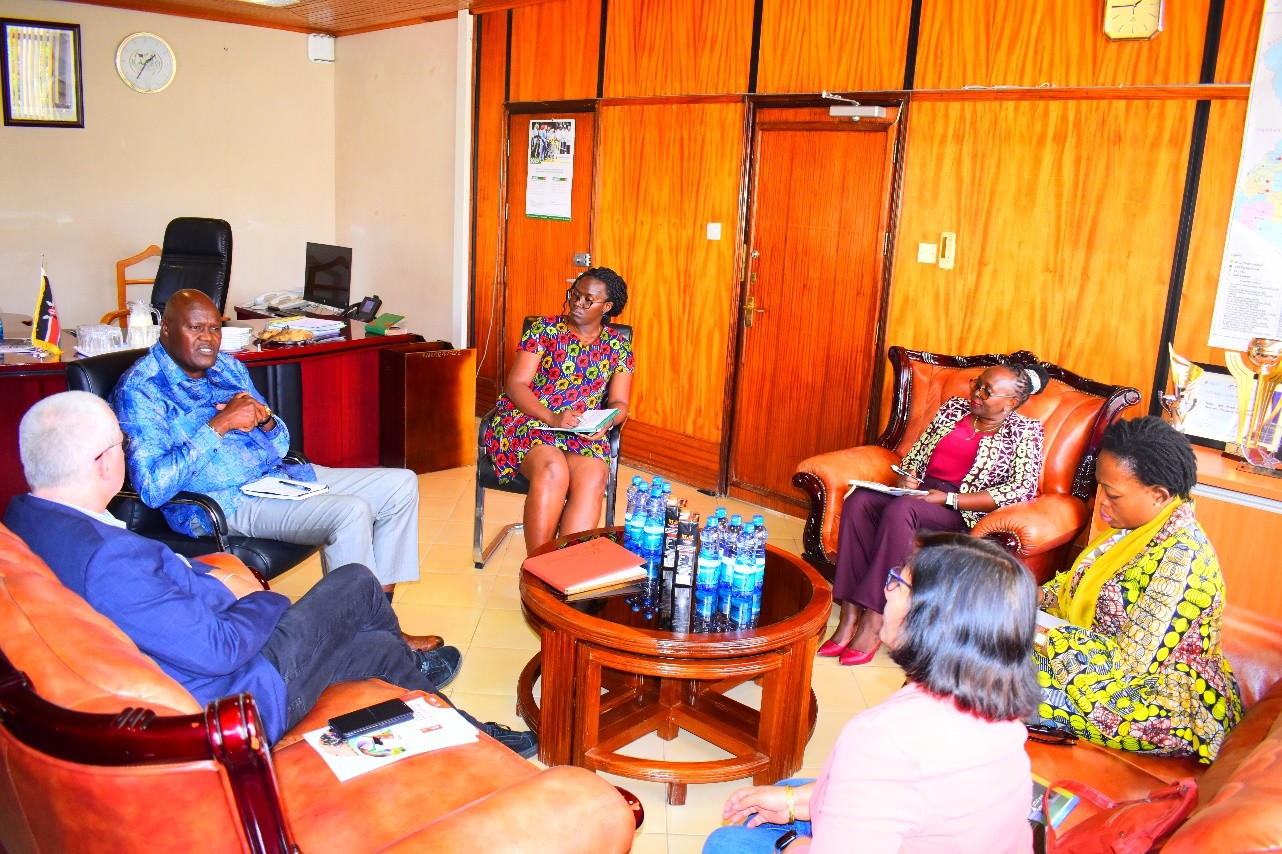
IITA delegation and KALRO team at the office of the KALRO DG during discussion.

Discussions further identified priority areas for deepening collaboration, including scaling the sustainable deployment of Aflasafe™ KE01, capacity building on Biotechnology, data sharing and digital advisory tools, soil and plant health, and seed system development through integrated platforms such as Seed Tracker, Nuru App, and leveraging the TAAT work through the TEJATI initiative. These thematic areas were agreed as key pillars for enhancing the existing partnership between the two institutions.

The visit also provided a platform to discuss IITA-CGIAR’s legal status, including IITA’s Host Country Agreement (HCA) in Kenya. IITA’s leadership highlighted operational challenges arising from the absence of a formal HCA and requested KALRO’s support in facilitating engagement with relevant government authorities to help fast-track the process, enabling IITA to operate more effectively as an established and recognized entity within the country.

The courtesy visit reaffirmed the strong institutional relationship between IITA and KALRO and set a clear pathway for strengthened collaboration focused on scaling impact, building national research capacity, and delivering science-based solutions that support farmers’ livelihoods and the sustainable development of Kenya’s agrifood systems.

Contributed by Rose-Harriet Okech

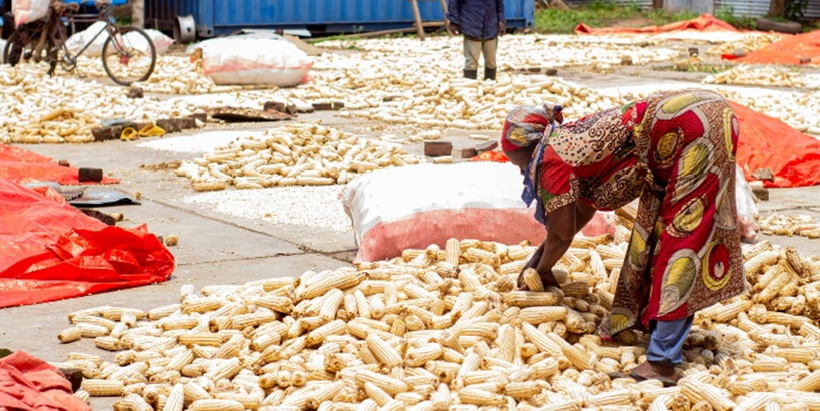
Drying and shelling of maize surpluses at campaign collection points

Agriculture is increasingly recognized as the cornerstone of sustainable development across Africa, where it is significantly reshaping livelihoods, economies, and food systems. Across the continent, governments, development institutions, and research partners are aligning efforts to ensure food and nutritional self-sufficiency, reduce dependence on costly imports, and position African nations more competitively in global trade. What was once a long-term aspiration is now unfolding as a coordinated movement – with key actors drawn from research, academia, and governments, driven by innovation, policy reform, and investment, quietly transforming the lives of millions.

Inspecting and bagging shelled maize for market

At the center of this shift is the smallholder farmer. Long overlooked despite forming the backbone of agricultural production, small-scale producers are now receiving the long-overdue attention and development support from initiatives that are targeting agricultural transformation. Programs designed to modernize farming practices are expanding access to improved seeds, digital advisory tools, mechanization, and markets. Commercial seed systems built on recent breeding efforts are becoming viable across multiple crops and countries, enabling farmers to transition from subsistence production to profitable enterprise models, particularly in cassava, maize, and rice value chains.

Along with these, technology is a defining factor in this transformation. Digital agriculture platforms are improving access to extension services, weather information, financial tools, and market intelligence. At the same time, mechanization is reducing labor burdens and making farming more attractive to youth. Women, who make up a significant share of Africa’s agricultural workforce, are also gaining technical and economic empowerment through targeted training, financing opportunities, and inclusive policies. These combined drivers are not only raising productivity but also strengthening resilience in the face of climate variability and economic shocks.

Organizations such as IITA and other CGIAR centers, along with their partners, such as AALI, are playing a central role by linking research innovation with practical field application. Through collaborations with governments, donors, and institutions like the African Development Bank (AfDB), these efforts are demonstrating scalable models for agricultural growth across Africa. Their work shows that transformation is most effective when research, policy, and investment align strategically.

The momentum is significant, and the impact is visible. Over the past quarter-century, Africa has experienced strong macroeconomic growth, yet agriculture, employing roughly 65 percent of the workforce, has not fully reflected these gains. Evidence consistently shows that agricultural growth is more effective at reducing poverty than growth from other sectors. This realization has renewed commitment to reforms that prioritize rural economies, fair trade policies, and investment in research and development. Reducing excessive tariffs on farm inputs, strengthening producer incentives, and supporting value addition are among the policy measures helping unlock agricultural potential.

Unlike past efforts to revitalize African agriculture, this current transformational phase has gathered sizable political will and initiated additional rounds of policy re-evaluation and reform. The active participation of governments and regional organizations in recent landmark events highlights this turning point toward agricultural transformation. Still, challenges remain.

Many countries continue to import staple foods because domestic production falls short of demand. Climate change, land pressures, and unequal access to resources threaten progress. To address these realities, experts from IITA-CGIAR and The African Agricultural Leadership Institute (AALI), led by Paul Woomer, in a recent report titled, “African Agricultural Transformation: Perspectives from the International Institute of Tropical Agriculture,” emphasized some of the result-driven approaches that are being deployed from private sector engagement to technology bundling – which includes combining improved seeds, climate-smart practices, soil management, and digital tools tailored to local conditions. According to another study, integrated approaches, such as technology bundling, are attracting attention as tools for agricultural development in countries like the DR Congo, Kenya, and Nigeria.

According to the researchers, these types of approaches are essential to meet changing consumer preferences, diversify diets, and build resilient food systems.

The study shows that, despite International Financial Institutions’ investments playing a key role in supporting numerous programs and initiatives on the continent, the private sector is critical for widespread investment and scaling for impact.

Ultimately, agricultural transformation goes beyond yields or markets; it is about smallholder farmers adopting innovations, and women and youth embracing small-scale mechanization to reduce drudgery.

Agricultural transformation is about farm productivity, which translates into increased household incomes, better nutrition, improved health, and stronger opportunities for the next generation. With visionary leadership, inclusive policies, and strategic partnerships, Africa stands on the threshold of an agricultural renaissance capable of reshaping its development trajectory and delivering lasting prosperity for millions.

Contributed by Ochuwa Favour Daramola

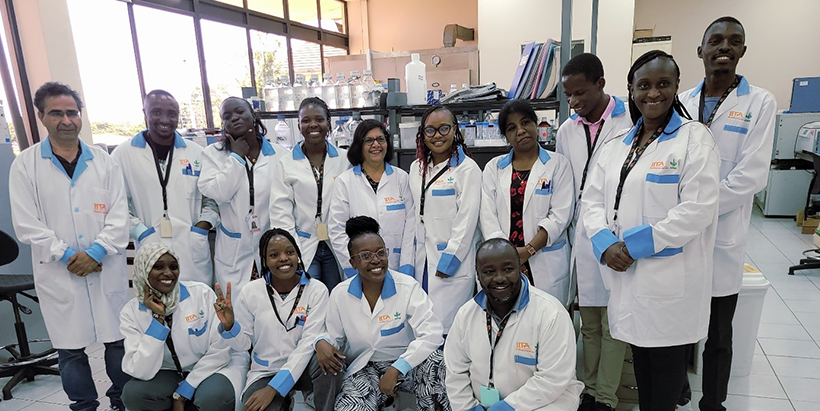
IITA genome editing team members pose for a photo in the lab.

Every year on the International Day of Women and Girls in Science, the global scientific community reflects on a persistent challenge: women remain underrepresented across STEM fields. According to UNESCO, women make up only about 33% of researchers globally, with even lower representation in advanced scientific leadership and frontier technologies such as biotechnology and genome engineering. Building on the 2024 UNESCO Call to Action, “Closing the gender gap in science,” and the 2025 global campaign, “Imagine a world with more women in science,” the 2026 International Day of Women and Girls in Science marks a critical shift. The focus moves beyond recommendations and reflection to showcasing concrete, working solutions that are already shaping more inclusive technology, engineering, and mathematics (STEM) ecosystems.

The IITA Biotechnology Program stands as one such example. With women comprising 60% of the biotechnology team, and through sustained investments in capacity building, mentorship, and career progression, the program demonstrates how intentional institutional practices can translate global commitments into measurable impact. By training, mentoring, and retaining women scientists across the career pipeline, IITA’s Biotechnology Program is actively contributing to the realization of a more equitable and representative scientific community, from pre-PhD exposure to postdoctoral research and leadership development.

Our biotech program views capacity building not only as a technical exercise but as a powerful mechanism for closing gender gaps in science. Through structured on-job training, doctoral research support, hands-on laboratory mentorship, and continuous professional development, women scientists are equipped with cutting-edge skills in genetic transformation, genome editing, molecular biology, and biosafety stewardship.

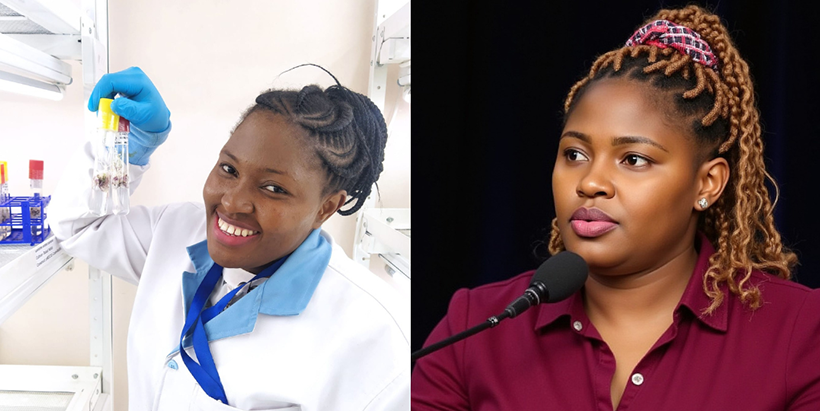
Dr Syombua in the lab during her PhD, presenting at a conference as an Associate Scientist

Beyond technical skills, mentorship plays a central role. Early-career scientists are supported through close supervision, peer learning, exposure to international collaborations, and opportunities to lead experiments, publish research, and represent science on global platforms. This holistic approach ensures that women are not only trained, but retained, visible, and empowered within the scientific ecosystem.

Speaking to Dr Leena Tripathi, IITA Eastern Africa Hub Director and Lead of the Biotechnology Program, on her guiding star on this issue, this was her rhetoric:

“As a scientist and mentor, one of my greatest motivations is to see women progress from trainees to confident, independent researchers. At IITA, we are deliberate about nurturing talent, especially among young women, because representation matters. Building scientific capacity goes beyond the skills; it’s about belief, mentorship, and opening doors that were once closed.”

The journey of Dr Easter Syombua illustrates how this approach translates into real impact. She first served as a research assistant in Dr Tripathi’s group at IITA’s biotech program for 2 years, where she built a strong foundation in laboratory techniques, experimental design, and critical thinking. Encouraged by mentorship and belief in her potential, she transitioned to a PhD under Dr Tripathi’s NRF-funded project, focusing on yam genome editing, one of the pioneering gene-editing efforts in Africa.

Reflecting on her experience, she notes that she learned an enduring lesson: innovation in science must ultimately serve the farmer. That project ignited her long-term commitment to genome editing as a tool for transformative, farmer-centered solutions and shaped her aspiration to work within impact-oriented research organizations. Today, as an Associate Scientist at CIMMYT and a former Norman Borlaug Fellow mentor during her postdoctoral training, she represents the continuity of mentorship, having benefited from strong guidance and now investing in the next generation of scientists.

Stories like hers are not isolated. They reflect a broader system that gives women access, trust, and opportunity, allowing talent to flourish regardless of gender.

As the world calls for more inclusive science systems, the IITA Biotechnology Program stands as a practical example of how institutions can move beyond rhetoric to results. We are actively contributing to narrowing the gender gap in agricultural biotechnology, one of the most critical fields for food security, climate resilience, and sustainable development.

Contributed by Rose Harriet Okech


IITA, CIMMYT, and ICRISAT representatives pose for a photo with the NNF Board Vice Chair and his team.

IITACGIAR recently hosted the Vice Chair (VC) of the Novo Nordisk Foundation (NNF) board, Lars Munch, during a strategic visit to the CGIAR in Kenya to strengthen engagement on science, innovation, and agricultural research for development. The visit provided an opportunity to showcase IITA’s research capabilities and to highlight the role of advanced biotechnology in addressing key agricultural challenges in Africa.

Led by IITA’s Deputy Director General for Research for Development (DDG-R4D), Dr Bernard Vanlauwe, and the Director of the IITA Eastern Africa Hub, Dr Leena Tripathi, the VC toured IITA’s research facilities, including the biotechnology laboratories and glasshouses, where ongoing genome-editing work was presented.

Dr Bernard Vanlauwe and the NNF Board Vice Chair, Lars Munch interacting with a PhD student in the gene editing lab.

Discussions focused on IITA’s contributions to disease resistance, climate resilience, and productivity enhancement, as well as the importance of research infrastructure and capacity strengthening in delivering sustainable impact.

The engagement also brought together representatives from CIMMYT and ICRISAT, who presented overviews of their respective NNF-funded projects and shared perspectives on emerging opportunities and future collaboration within the Foundation’s portfolio.

Dr Jaindra Tripathi showcasing banana cell cultures during a visit to IITA’s gene-editing lab.

Reflecting on the visit, Lars noted, “It is inspiring to see how advanced science and practical innovation are being applied to address real agricultural challenges. IITA’s work demonstrates how research excellence, partnerships, and capacity building can translate into meaningful impact for farmers and food systems.”

IITA’s DDG-R4D, Dr Vanlauwe emphasized the value of strategic partnerships, stating, “This visit reflects the importance of building strong relationships with global partners who share our commitment to science-driven development. Collaboration is essential to advancing innovative solutions that are locally relevant and globally significant.”

Dr Tripathi, on the other hand, highlighted the institutional significance of the engagement, adding, “Hosting the Novo Nordisk Foundation Board Vice Chair at our labs is an absolute honor. It reinforces our role as a regional platform for science, innovation, and partnership, and our commitment to translating research into impact.”

The visit created a valuable platform for dialogue on science-led development, strategic investment in innovation, and opportunities for future collaboration, reinforcing the importance of partnerships in improving livelihoods across Africa.

Contributed by Rose Harriet Okech

Dr Jaindra demonstrating IITA's research work to the delegates.
Dr Jaindra demonstrating IITA’s research work to the delegates.

IITACGIAR in Kenya recently hosted a delegation from Madagascar for a learning visit aimed at deepening collaboration and sharing practical experiences across key areas of crop improvement. The visit brought together partners across the agricultural research ecosystem, with stops at IITA-supported facilities and collaborating institutions.

The delegation began their tour at the KALRO–Njoro Cassava Semi-Autotrophic Hydroponics (SAH) Facility, where IITA provided the training, technical support, and backstopping that enabled the successful establishment of the SAH system. The team observed firsthand how SAH is accelerating the production of clean cassava planting materials, improving efficiency, and supporting the strengthening of Kenya’s seed system.

Delegates from Madagascar visiting IITA labs at ILRI in Kenya.

At the IITA Biotechnology Laboratory, located at the ILRI Campus, the visitors were introduced to IITA’s integrated approach to crop improvement. Scientists showcased how genetic transformation, genome editing, tissue culture, and SAH propagation complement each other to develop resilient crop varieties. Discussions emphasized how these technologies can be adapted to address Madagascar’s agricultural challenges, particularly those related to pests, diseases, and climate pressures.

The delegation also visited the IITA Nematology Laboratory located at the ICIPE Campus, where they learned about the institute’s research on plant-parasitic nematodes, diagnostic tools, and integrated management strategies that help safeguard crop productivity. The hands-on demonstrations provided valuable insights into managing one of agriculture’s most persistent but often under-recognized threats.

In addition to IITA-led sessions, the delegation spent time with the International Potato Center (CIP) team, exploring potato breeding, seed production systems, and phytosanitary diagnostics. This engagement provided a broader understanding of root and tuber crop research and the complementary roles of CGIAR centers in strengthening seed systems across the region.

Reflecting on the visit, IITA Eastern Africa Hub Director, Dr Leena Tripathi, noted:

“Partnerships like this are central to building stronger, more resilient agricultural systems across Africa. We are proud to share our science, our innovations, and our experiences with Madagascar as we work together toward sustainable crop improvement and food security.”

The delegation expressed appreciation for the comprehensive exposure to research, diagnostics, and seed system innovations, marking the visit as a key step toward future collaboration in technology adoption and capacity building.

Contributed by Rose-Harriet Okech

YOAGE team members during the annual review meeting

With one successful year down, the Yam Optimized Architecture through Gene Editing (YOAGE) project team convened in Nairobi for its annual review meeting. The gathering brought together colleagues from IITACGIAR and project partners from Pairwise, USA, to assess the progress made and chart the path forward. Dr Nic Bate, Senior Program Officer from the Gates Foundation, also joined in to listen to the milestones achieved so far and advise on future planning, aligning with the foundation’s strategy.

The meeting provided an opportunity for the team to present updates on ongoing work, exchange insights on technical progress, and strengthen collaborative efforts between the teams. It also featured a visit to IITA’s biotechnology facilities in Nairobi, where participants viewed ongoing gene editing research and interacted with the scientists behind the work.

Pairwise scientists and donor representative in the IITA Gene Editing Lab (with Jeneffer) and Greenhouse (with Dr Jaindra Tripathi).
Pairwise scientists and donor representative in the IITA Gene Editing Lab with Jeneffer

Dr Leena Tripathi, IITA’s Director for Eastern Africa Hub and Leader of the Biotechnology Program, expressed pride in the team’s accomplishments. “It’s inspiring to see how far we’ve come in just one year. The commitment from all the team members of IITA and Pairwise has been incredible,” she said. “Beyond the science, this project is about creating tangible solutions that will make yam farming more productive and sustainable for African farmers.”

Pairwise scientists and donor representative in the IITA Greenhouse with Dr Jaindra Tripathi

Echoing her sentiments, Dr Bate from the Gates Foundation commended the collaboration and results so far. “This project is a great example of how partnerships can accelerate innovation,” he said. “The progress made in such a short time shows the power of combining world-class science with a shared vision for impact.”

Representing Pairwise, Dr Lolita Mathew, Associate Director of the Cherry Program, noted the importance of collaboration in driving innovation. “Working with IITA on the YOAGE project has been an inspiring journey; it’s a true partnership that brings together diverse expertise to make science work for farmers,” she said.

As the project steps confidently into its second year, the team feels even more inspired and ready to push the boundaries to deliver tangible benefits for Africa’s yam farmers.

Contributed by Rose-Harriet Okech