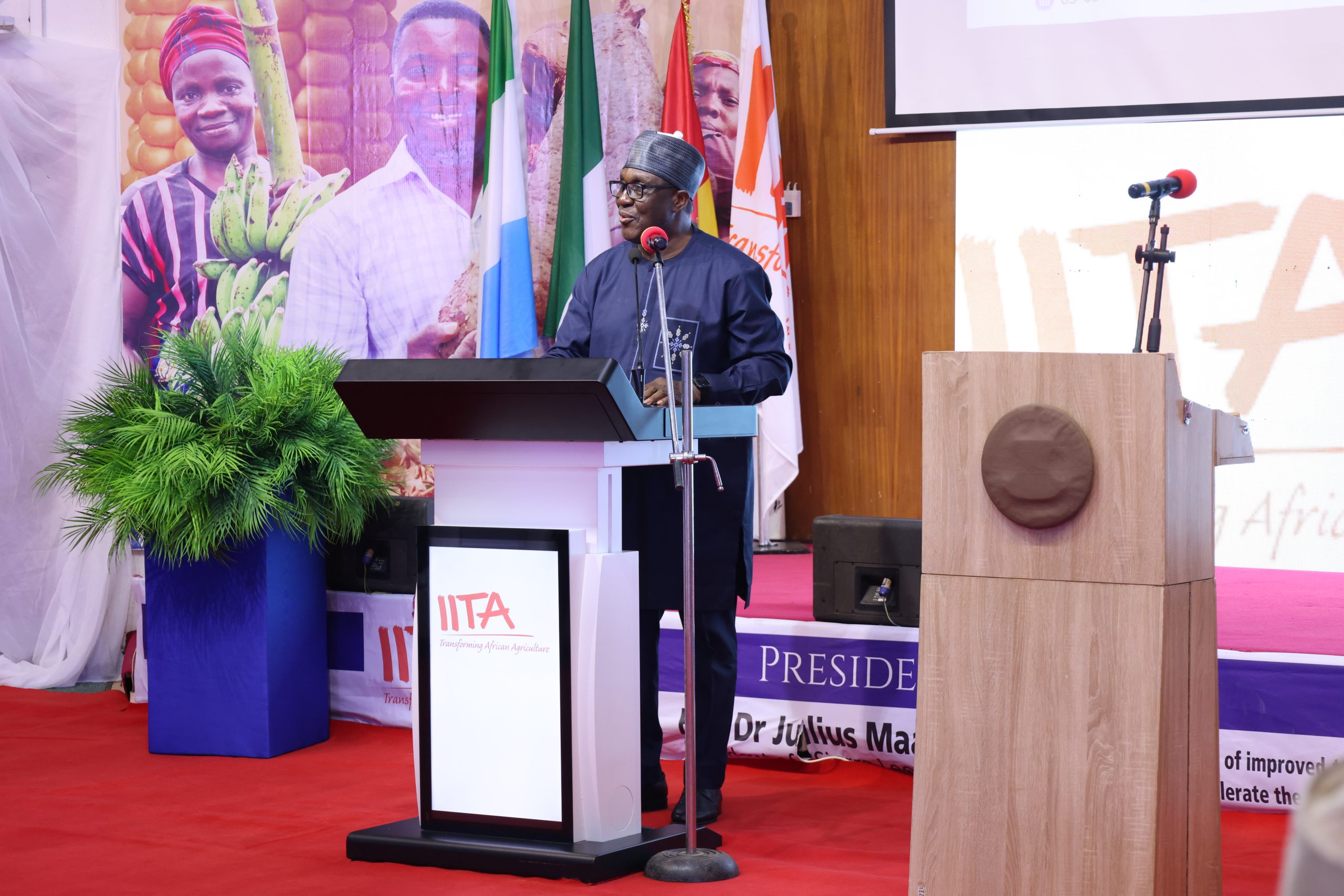
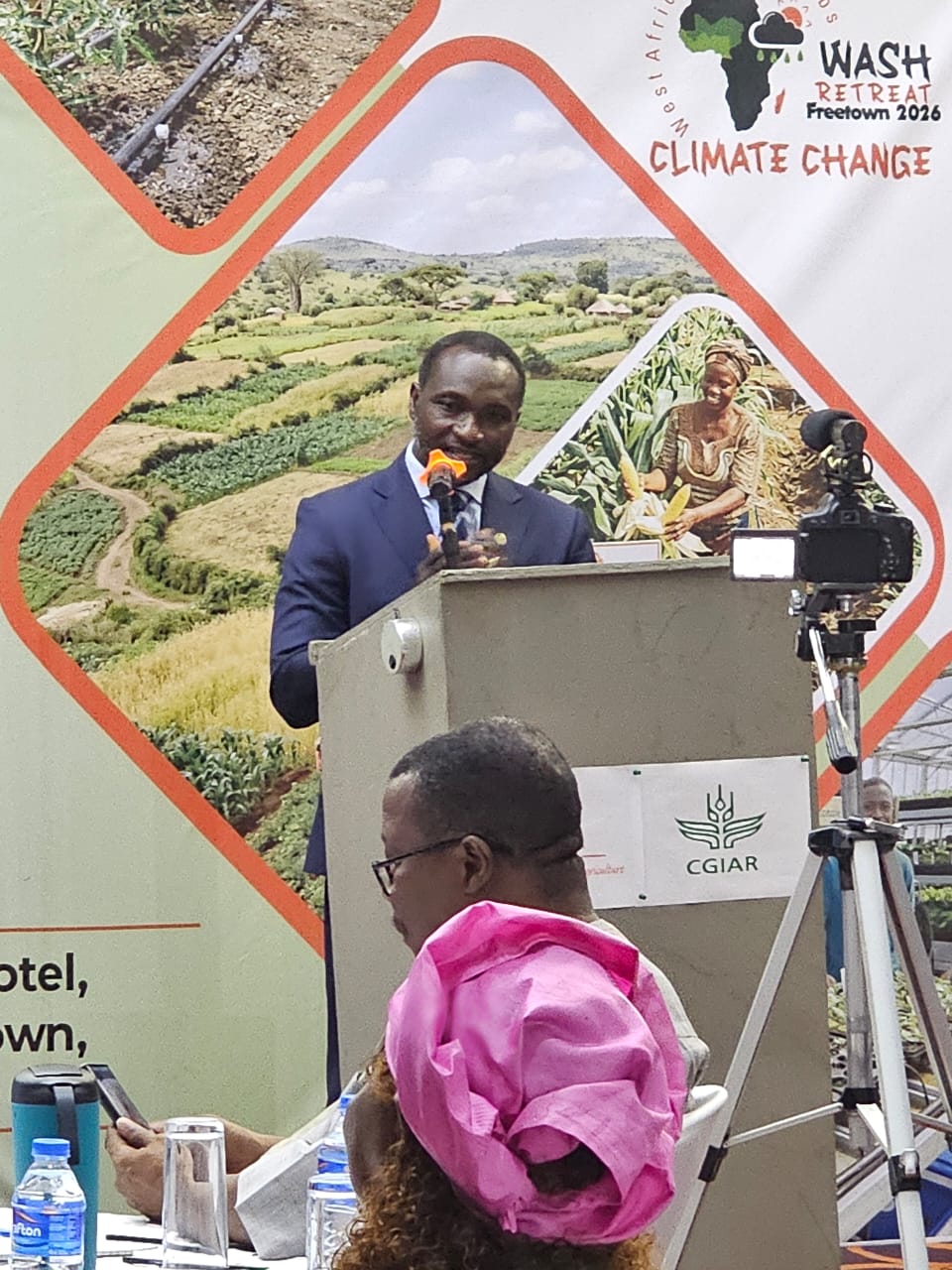
Sierra Leone Minister of Agriculture and Food Security, Dr Henry Musa Kpaka during his goodwill remarks.

Scientists, professionals, and key stakeholders from the West African and Sahel Hub (WASH) of the International Institute of Tropical Agriculture have gathered in Freetown for the 2026 edition of their annual retreat, placing climate-resilient food systems at the forefront of discussions.

Taking place from 23 to 27 March 2026, the retreat aims to review progress, strengthen regional collaboration, and define strategic priorities to enhance agricultural productivity and resource mobilisation in the face of climate change.

Driving innovation and regional collaboration

In his opening remarks, Professor Michael Abberton, Director of the IITA West African Hub, encouraged participants to explore opportunities around IITA’s impact bundles across countries in the WASH sub-region. He emphasized the importance of aligning research and partnerships to accelerate delivery and impact.
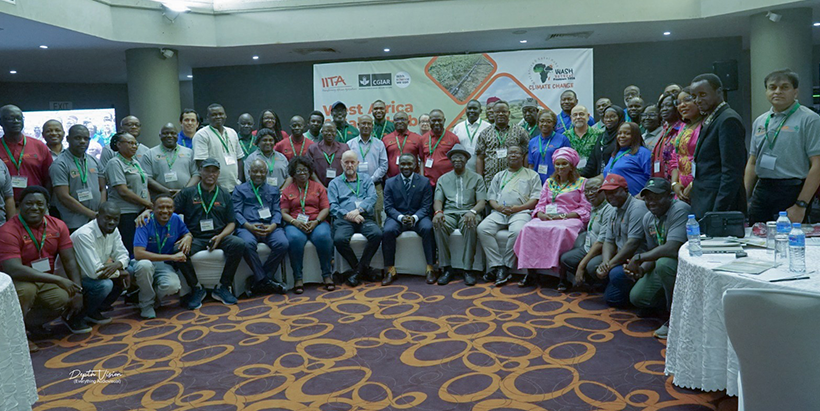
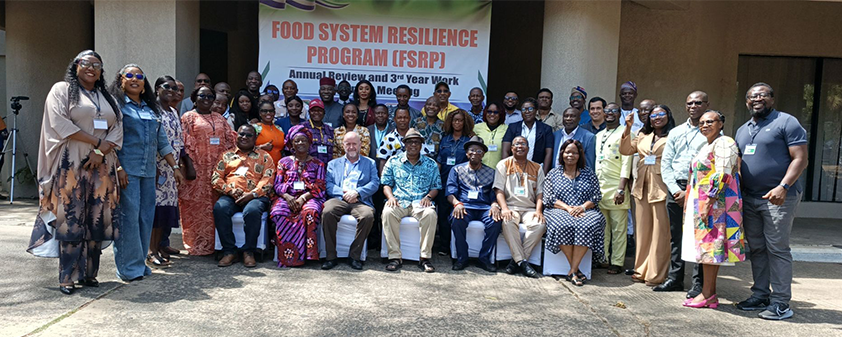
IITA scientists from West Africa and the Sahel with partners during the retreat.

Welcoming participants, Dr Alfred Dixon, IITA Country Representative for Sierra Leone, described the retreat as both timely and strategic, noting that it coincides with Sierra Leone’s national focus on accelerated implementation.

“This gathering is more than a meeting—it is a platform for action, research alignment, strategic collaboration, and innovation toward sustainable food systems across West Africa and the Sahel,” he said.

Strengthening partnerships for impact

Additional goodwill messages were delivered by Dr Ibnou Dieng, Deputy Director General for Partnerships for Delivery and Scaling; Tahirou Abdoulaye; and Bernard Vanlauwe, Deputy Director General for Research for Development, all of IITA.

Local partners also expressed strong support for the initiative. Yatta Samah, President of the National Federation of Farmers of Sierra Leone, and Abdul Rahman Conteh, Director General of the Sierra Leone Agricultural Research Institute, welcomed participants and highlighted the importance of collaboration between farmers, research institutions, and development partners.

Government commitment to climate-resilient agriculture

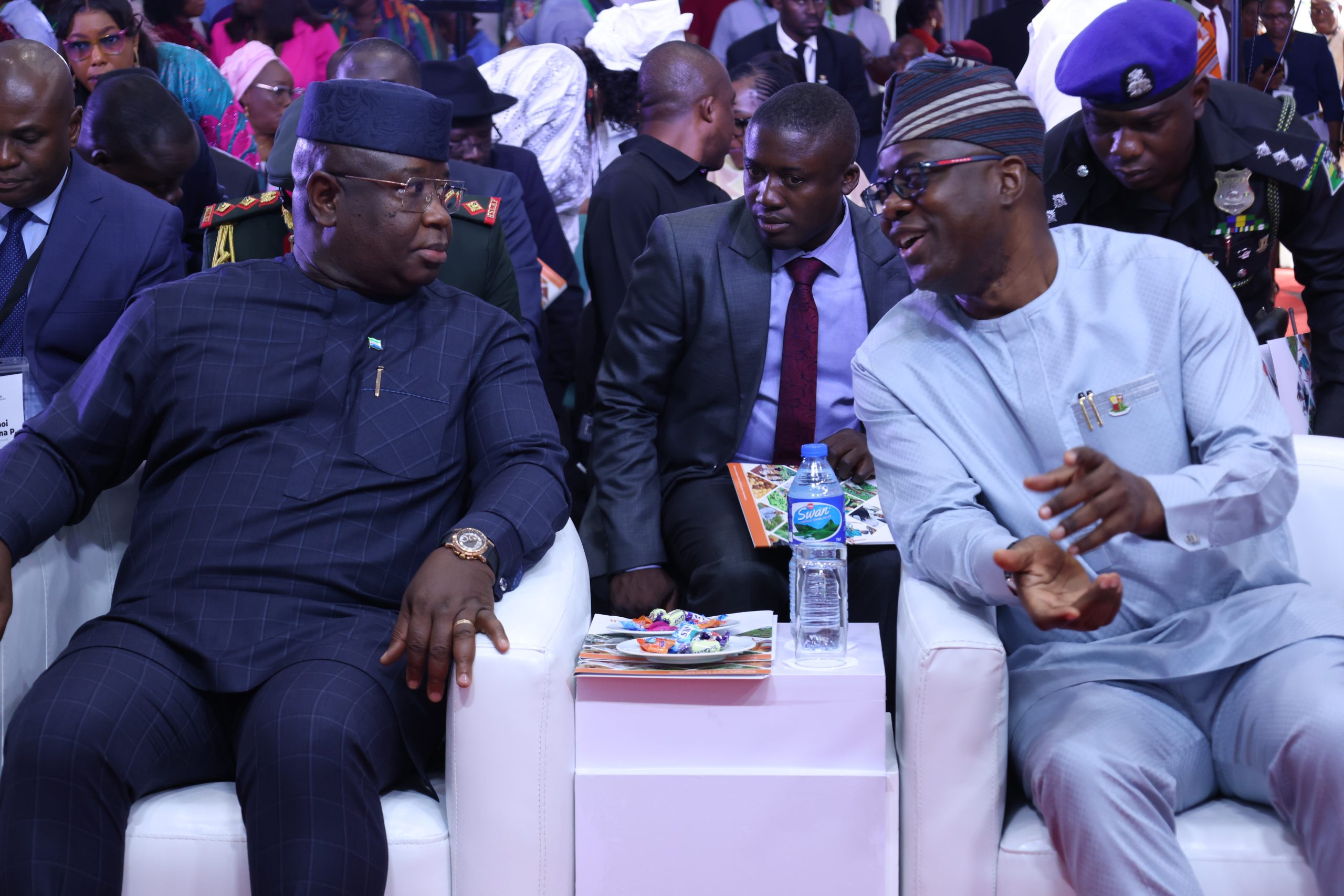
Delivering the keynote address, Henry Musa Kpaka, Sierra Leone’s Minister of Agriculture and Food Security, reaffirmed the government’s commitment to the Feed Salone strategy and to strengthening partnerships with IITA and other stakeholders.

He highlighted the country’s vulnerability to climate change, noting challenges including limited irrigation infrastructure, reliance on unpredictable rainfall, and rising pest threats.

“With shared responsibility and collaboration with key partners like IITA, Sierra Leone is poised to achieve its goals under the Feed Salone program,” he said.

Dr Kpaka further expressed optimism that hosting the retreat would catalyze innovative solutions:

“We hope this retreat will crystallize cutting-edge research innovations capable of building climate-resilient agricultural systems aligned with national and regional priorities.”

Looking ahead

The retreat is expected to conclude on 27 March 2026 with a clear and actionable roadmap for the WASH’s activities for 2026–2027, reinforcing IITA’s commitment to advancing resilient and sustainable food systems across Africa.

Contributed by Atayi Babs

Panelists from IITA, SLARI and FSRP during the panel session.

Sierra Leone’s agricultural sector remains central to millions of livelihoods, employing a significant proportion of the population. Yet, it continues to face persistent challenges, including low productivity, limited access to improved inputs, climate variability, and weak market linkages. These constraints have contributed to food insecurity and a heavy reliance on food imports, underscoring the urgent need for a coordinated and systems-based transformation of the sector.

In response, the Government of Sierra Leone launched the Feed Salone Strategy as a flagship national initiative to drive agricultural growth, enhance food self-sufficiency, and create economic opportunities, particularly for smallholder farmers, women, and youth. The strategy prioritizes key value chains, promotes climate-smart agriculture, and strengthens institutions across the country’s agricultural ecosystem.

IITA team with the SLARI and FSRP team.

To support the effective implementation of this agenda, IITACGIAR is providing technical assistance through a World Bank-funded Food System Resilience Programme (FSRP). The program aims to strengthen food system resilience by enhancing productivity, improving regional coordination, and building the capacity of national institutions to respond to shocks and long-term challenges.

Professor Michael Abberton during the panel session.

IITA’s technical assistance focuses on delivering science-based solutions, capacity building, strengthening research-extension linkages, supporting policy and institutional development, and facilitating partnerships that enable the scaling of proven agricultural innovations. Through this integrated approach, the project is helping to translate the Feed Salone vision into tangible outcomes that improve food and nutrition security while building a more resilient agricultural system in Sierra Leone.

Through its technical assistance to the Feed Salone Strategy under FSRP, IITA-CGIAR recently convened stakeholders for the 2nd Annual Review and Planning Meeting for Year three implementation plans in Freetown, Sierra Leone, marking another milestone in the country’s journey toward agricultural transformation and food security.

The annual review and planning meeting, held at the Radisson Blu Hotel, brought together key national and international partners, including the Sierra Leone Ministry of Agriculture and Food Security (MAFS), the Sierra Leone Agricultural Research Institute (SLARI), and development partners. The platform provided an opportunity to reflect on achievements, assess implementation progress, and align priorities for the coming year.

Over the past two years, the FSRP-supported technical assistance has recorded significant milestones, contributing meaningfully to the implementation of the Feed Salone Strategy. These achievements have been driven by strong collaboration among key stakeholders, including SLARI, the Sierra Leone Seed Certification Agency (SLeSCA), universities, and private sector actors, ensuring a coordinated and inclusive approach to agricultural transformation.

IITA-CGIAR’s role in providing technical assistance, a critical component of the country’s flagship program, has supported the government in strengthening agricultural systems through research-driven innovations, institutional capacity building, and the deployment of proven technologies. It has also facilitated stronger coordination among national systems and key partners, ensuring that interventions align with the country’s agricultural transformation agenda.

The annual review meeting highlighted progress across several strategic areas, including improved access to agricultural technologies, entrepreneurship and business management skills development, enhanced Agribusiness advisory services, including a mentorship program, establishment of cooperatives for beneficiaries, and capacity strengthening of national research systems. These efforts align with the broader objectives of FSRP, which aim to improve food system resilience, boost productivity, and enhance regional agricultural coordination across West Africa.

Speaking at the meeting, Chief Dr Alfred Dixon emphasized the importance of sustained partnerships and innovation in delivering impact.

“This review meeting reflects our shared commitment to transforming Sierra Leone’s agriculture through science, innovation, and strong partnerships. By working together, we are building resilient food systems that will improve livelihoods and ensure long-term food security,” he said.

Also speaking, Prof Abdulai Jalloh reaffirmed the government’s commitment to the Feed Salone Strategy, noting that collaboration with IITA and partners is critical to achieving national food sovereignty.

“Feed Salone is a national priority, and partnerships such as this are essential to unlocking the full potential of our agricultural sector. With the support of IITA and our partners, we are laying the foundation for a more productive, resilient, and inclusive food system,” he stated.

Looking ahead, the project is entering its third year of implementation, with a renewed focus on consolidating gains and expanding impact. The team plans to deepen engagement with existing partners while bringing on board new collaborators to ensure that all project objectives are fully achieved.

The meeting concluded with the approval of the work plan and budget for the third year of implementation, signaling continued momentum and stakeholder commitment to delivering measurable results.

As Sierra Leone, IITA-CGIAR, and partners move into the next phase, the focus remains on scaling proven innovations, strengthening institutional systems, and accelerating impact at the last mile.

Contributed by ‘Timilehin Osunde

President Maada Bio with Dr Abdoulaye Tahirou and Dr Alfred Dixon

The Sierra Leone Agricultural Research Institute (SLARI) in partnership with IITACGIAR demonstrated the impact of cutting-edge agricultural research and innovation in national food security during this year’s World Food Day celebration, held in Kambia District recently. The two-day national event, themed “Hand in hand for better food and a better future,” brought together farmers, researchers, development partners, and policymakers to display progress under the Feed Salone Initiative.

A defining highlight of the event was the visit of His Excellency, the President, Dr Julius Maada Bio, to the exhibition grounds. Impressed by the remarkable display of improved crop varieties, soil management technologies, and innovative research outputs, the President publicly commended the exceptional work in driving agricultural transformation. “I want to specially thank SLARI and all the partners,” he remarked, as he encouraged the audience to applaud their efforts, adding, “…they have done well.”

The President’s statement met with loud applause from participants at the event, marking a proud moment that recognized the tireless efforts of SLARI and all the partners in supporting national food security and sustainable agricultural growth in Sierra Leone.

SLARI’s strong highlight at this year’s World Food Day celebration was made possible through a successful collaboration with the IITA-CGIAR team from Ibadan, Nigeria, led by Dr Tahirou Abdoulaye, the Acting Deputy Director General for Partnership, Delivery, and Scaling. The joint effort between SLARI and IITA-CGIAR ensured that the exhibition was impactful, well-coordinated, and reflective of the ongoing regional partnership supporting the Feed Salone vision.

The exhibition featured several cutting-edge technologies developed across SLARI’s research centers, including newly released crop varieties, value-added processing techniques, and innovations aimed at empowering farmers, women, and youth nationwide, as well as printed communication materials on Good Agronomic Practices (GAP). Visitors to the booth commended SLARI’s commitment to scientific excellence and its ongoing efforts to bridge research and real-world applications.

Speaking after the event, the Acting Director General of SLARI, Dr Abdul Conteh, expressed profound appreciation to all staff members who worked diligently to ensure successful representation of the institute. He further extended gratitude to IITA-CGIAR for its continuous technical backstopping and partnership in advancing agricultural research in Sierra Leone. The resounding success of SLARI’s World Food Day celebration reaffirms its central role in transforming the nation’s agricultural landscape through innovation, collaboration, and research that delivers real impact.

Contributed by Moses Sahr Fayiah


President of Sierra Leone, H.E. Julius Maada Bio, giving his remark.

IITA continues to play an important role in alleviating poverty and ensuring food security for millions of farm families in sub-Saharan Africa. As part of its commitment to fostering research-driven agricultural innovations and strengthening public-private partnerships, IITA hosted His Excellency President Julius Maada Bio of Sierra Leone at its headquarters in Ibadan, Nigeria, from 3 to 6 March. This visit marked a significant milestone in accelerating the ‘Feed Salone Program,’ an initiative to transform Sierra Leone’s agricultural sector.

This engagement between IITA and the Sierra Leonean government highlights a shared commitment to advancing food security through innovation, research, and strategic investment. The visit assembled key stakeholders from Nigeria and across West Africa to align strategies and explore areas of collaboration that will drive agricultural transformation in the region.

Welcoming President Bio and his delegation, the IITA Director General, Dr Simeon Ehui, underscored the institute’s unwavering dedication to championing research-driven innovations for nearly six decades.

“This is not just a visit; it is a reaffirmation of our collective vision for food security and economic development in Africa. We recognize that technology is a key driver of agricultural transformation, and Sierra Leone stands at the heart of this transformation. While science is fundamental, partnerships will ultimately accelerate the change we seek,” Ehui said.

The Permanent Secretary of Nigeria’s Ministry of Agriculture and Food Security, Dr Marcus Ogunbiyi, shared insights into Nigeria’s ongoing agricultural transformation, emphasizing the country’s advancements in mechanization and agribusiness. Nigeria’s $1.2 billion initiative in technical training, technology transfer, and joint investments provides a model for collaboration with Sierra Leone, particularly in food storage, fertilizer distribution, and youth empowerment programs.

President Bio and other participants, on a tour of IITA-CGIAR Cassava Processing Center.

Governor of Oyo State, Seyi Makinde, showcased the state’s unique strategies for agricultural development through private partnerships, leveraging climatic and logistical advantages. He highlighted Oyo’s well-established agricultural institutions, including the University of Ibadan, NIHORT, FRIN, IAR&T, and CRIN, as pivotal players in fostering agricultural research and innovation. Governor Makinde also emphasized the ‘Start Them Early Program’ (STEP), designed to cultivate interest in agriculture among secondary school students, reinforcing Oyo State’s role as a hub for agricultural excellence.

IITA Deputy Director General, Research for Delivery (R4D), Bernard Vanlauwe, shared CGIAR’s cutting-edge research innovations that are revolutionizing agriculture, including high-quality cassava flour, Semi-Autotrophic Hydroponics (SAH) – rapid cassava reproduction – digital soil mapping for soil fertility management, and the Seed Tracker for improved seed distribution. These innovations offer promising opportunities for Sierra Leone to enhance its agricultural productivity and resilience.

In his keynote address, President Bio reaffirmed Sierra Leone’s commitment to transforming its agricultural sector by leveraging research, innovation, and technology.

“Food is not just about what we grow; it is linked to economic stability, health, and national security. To truly transform African agriculture, we must harness research and innovation. Our collaboration with IITA has already yielded remarkable progress in enhancing seed systems, strengthening agronomical practices, improving food safety, and creating youth employment opportunities,” he stated.

Emphasizing youth and women’s empowerment, he noted that 70% of Sierra Leone’s agricultural workforce comprises women. He underscored the importance of expanding mentorship programs, technical training, and collaboration with IITA’s fertilizer hub to increase yields and build a sustainable food system.

Cross section of the participants at the high-level engagement during the Presidential Visit of H.E. Dr Julius Maada Bio at IITA headquarters in Ibadan.

Sierra Leone’s Minister of Agriculture and Food Security, Dr Henry Musa Kpaka, outlined the Feed Salone Strategy, which aims to reduce reliance on food imports, enhance export earnings, create jobs, and build a resilient food system. The initiative focuses on mechanization, improved seed and input systems, aggregation, processing, marketing linkages, agricultural finance, Ag-Tech, climate-smart agriculture, and youth and women empowerment.

In addition, Khalid Bomba, former CEO of Ethiopia’s Agricultural Transformation Agency (ATA) and current CEO of Development Sovereignty Group, discussed Ethiopia’s agricultural transformation model and its potential adaptability to Sierra Leone’s Feed Salone Program.

President Bio’s visit to IITA signifies a renewed commitment to advancing agricultural transformation in Sierra Leone and the broader West African region. By harnessing improved technologies, fostering strategic partnerships, and empowering youth and women, the Feed Salone Strategy will drive sustainable agricultural development and economic growth.

As stakeholders continue to collaborate, the drive generated by this engagement is expected to lead to impactful solutions that will strengthen food security and resilience in Sierra Leone and beyond. The partnership between IITA and Sierra Leone is a testament to the power of research, innovation, and cooperation in shaping the future of African agriculture.


Contributed by Ochuwa Favour Daramola

On the second day of President Julius Maada Bio’s visit to the IITA-CGIAR, an esteemed assembly of policymakers, industry leaders, researchers, and development partners gathered, all committed to shaping the future of agriculture in Africa. Under the theme “The Power of Improved Technologies and Public-Private Partnerships to Accelerate the Feed Salone Strategy,” discussions centered on solutions to drive food security and economic growth across the continent.

His Excellency President Julius Maada Bio, President of Sierra Leone; Hafez Ghanem, Former Vice President of World Bank; and Dr Simeon Ehui, Director General of IITA in strategic dialogue; with high-level guests and development practitioners sharing perspectives to accelerate Africa’s agricultural transformation.

Welcoming dignitaries to the event, IITA’s Director General and CGIAR Regional Director for Continental Africa, Dr Simeon Ehui, highlighted the importance of collaboration in achieving sustainable agricultural development. Among the high-level guests were the Governors of Plateau, Borno, and Oyo States; Honorable Ministers from Sierra Leone; and key partners from the World Bank, African Development Bank (AfDB), and other development organizations.

Ehui led a pivotal strategic dialogue session with President Bio and Hafez Ghanem, Fellow at the Brookings Institution and former World Bank Vice President. The conversation spotlighted the major challenges hindering global agricultural transformation, particularly in Africa, and explored actionable strategies for successfully implementing the Feed Salone initiative.

“We stand at a critical junction in global food systems, tasked with reimagining agriculture to be more sustainable, resilient, and inclusive,” said Ehui. He underscored the necessity of partnerships, innovation, and investment as core pillars for driving agricultural progress, emphasizing that Africa should aim for self-sufficiency and contribute to feeding the world.

Hafez Ghanem provided a global perspective on agriculture’s challenges, citing the ongoing geopolitical shifts, climate change, and the impact of external funding withdrawals, such as USAID’s exit from some African countries. “Of the 750 million people experiencing hunger today, 300 million are in Africa,” he noted. He stressed that Africa’s agricultural potential remains vast, but governments must allocate more resources to the sector. Despite commitments to invest 10% of national budgets in agriculture, many African nations fall short of this target.

His Excellency President Julius Maada Bio, President of Sierra Leone; Hafez Ghanem, Former Vice President of World Bank; and Dr Simeon Ehui, Director General of IITA in strategic dialogue; with high-level guests and development practitioners sharing perspectives to accelerate Africa’s agricultural transformation.

President Bio reinforced this sentiment, linking food security to broader economic stability, employment, and public health. “The investments required for agriculture are huge, but we cannot afford to neglect them,” he said, calling for regional cooperation and increased private-sector involvement. He emphasized the need for African nations to tailor agricultural investments based on their comparative advantages to maximize impact.

A session moderated by IITA Deputy Director General, Partnerships for Delivery, Dr Kenton Dashiell, featured insights from the Governors of Borno, Plateau, and Oyo States. They shared their states’ agricultural development strategies, underscoring the role of infrastructure and investment in transforming the sector.

The governor of Borno highlighted his administration’s efforts to boost productivity through mechanization, subsidized fuel for farmers, and investments in rain-fed irrigation systems, which were facilitated in collaboration with IITA. Meanwhile, the Governors of Plateau and Oyo emphasized the importance of developing infrastructure and leveraging private-sector expertise to drive agricultural progress, ensuring sustainable growth beyond government-led initiatives.

The agricultural financing model session, led by Sierra Leone’s Minister of Finance, Sheku Ahmed Fantamadi Bangura, tackled the challenge of mobilizing resources for agricultural investment. He proposed a blended financing approach combining public funding with international investments to de-risk agriculture and attract large-scale investments. “The government is committed, and we call on multinationals and partners to help scale up and invest in local communities,” he stated.

The final session of the day, led by Aline Mugisho, Executive Manager of IITA’s I-Youth program, focused on the crucial role of youth in advancing agriculture and agribusiness in Sierra Leone. She presented compelling statistics from IITA’s Youth in Agribusiness (IYA) initiative, demonstrating how young people across Africa have embraced agriculture when provided with the right skills, mentorship, and opportunities.

“Youth engagement is central to achieving food security and sustainable agricultural growth in Africa,” Mugisho emphasized. She highlighted that Sierra Leone had been identified as a priority country under the AfDB’s Transition Support Facility (TSF), focusing on building youth capacity for agribusiness.

To further support youth involvement in agriculture, she proposed visiting Sierra Leone to develop a roadmap for advocacy and skill development. She stressed the importance of ongoing mentorship and strategic private-sector partnerships to make agribusiness more attractive to young people.

The discussions on the second day of President Bio’s visit to IITA reinforced the critical role of partnerships, innovation, and investment in transforming agriculture across Africa. By aligning scientific advancements, private-sector engagement, and youth participation, African nations can accelerate food security initiatives like Feed Salone and build a resilient agricultural sector that contributes to global food systems. IITA remains committed to supporting these efforts, ensuring that research-driven solutions lead to sustainable agricultural growth across the continent.

Contributed by Folake Oduntan

In a significant demonstration of commitment to its partnership with the Government of Sierra Leone, IITA donated high-quality seeds and agricultural inputs to support the country’s food security efforts.

Sierra Leone Minister of Agriculture and Food Security Dr Henry Musa Kpaka receiving the inputs' donation from IITA Director General Dr Simeon Ehui at IITA headquarters.
Sierra Leone Minister of Agriculture and Food Security Dr Henry Musa Kpaka receiving the inputs’ donation from IITA Director General Dr Simeon Ehui at IITA headquarters.

Sierra Leone Minister of Agriculture and Food Security, Dr Henry Musa Kpaka, received the donation on behalf of the government from IITA Director General and CGIAR Regional Director for Continental Africa, Dr Simeon Ehui, on behalf of the government.

This initiative aligns with the government’s ‘Feed Salone’ agenda, prioritizing agricultural transformation and food sufficiency. Providing improved seeds and inputs will enable farmers, especially youth and women, across Sierra Leone to increase crop productivity, adopt climate-smart agricultural practices, and drive economic growth within the sector.

Speaking at the handover event, Dr Ehui reaffirmed IITA’s dedication to strengthening Sierra Leone’s agricultural landscape. “This donation is part of our broader vision to support African nations in achieving sustainable food systems. Through research, innovation, and strong partnerships, we are committed to ensuring farmers access improved technologies to boost productivity and resilience.”

IITA Director General Dr Simeon Ehui handing over packs of Aflasafe to Sierra Leone Minister of Agriculture and Food Security Dr Henry Musa Kpaka.

On behalf of President Julius Maada Bio, the Minister of Agriculture and Food Security, Dr Kpaka, expressed gratitude to IITA, highlighting the impact of such strategic support in transforming agriculture and improving livelihoods in Sierra Leone.

“IITA has been a valuable partner in our agricultural journey. These inputs will greatly empower farmers, enhance food security, and drive national development.”

This milestone further deepens IITA’s collaborative efforts with Sierra Leone to scale agricultural solutions and ensure a more food-secure future for the country and the region.

Contributed by ’Timilehin Osunde

PRESS RELEASE

Ibadan, 3 March 2025 – The International Institute of Tropical Agriculture (IITA) is hosting His Excellency, President Julius Maada Bio of Sierra Leone, during an official visit to IITA headquarters in Ibadan, Nigeria.

This visit highlights the strong collaboration between IITA/CGIAR and the Government of Sierra Leone in advancing agricultural transformation through the Feed Salone agenda.

 LR - H.E. Dr Julius Maada Bio, President of Sierra Leone and H.E. Engr Oluwaseyi Makinde, Governor of Oyo State
(L-R) H.E. Dr Julius Maada Bio, President of Sierra Leone and H.E. Engr Oluwaseyi Makinde, Governor of Oyo State

During the visit, President Bio will engage with IITA/CGIAR leadership, scientists, policymakers, development and business partners to explore innovative solutions that support Sierra Leone’s agricultural development goals. IITA/CGIAR has been a key technical partner in implementing Feed Salone, a national program aimed at achieving food self-sufficiency, improving nutrition, and enhancing agricultural productivity in Sierra Leone.

“We are delighted to welcome President Bio and reaffirm our commitment to supporting Sierra Leone’s vision for a resilient and food-secure nation,” said Dr Simeon Ehui, IITA Director General and CGIAR Regional Director for Continental Africa.

Dr Simeon Ehui, IITA Director General and CGIAR Regional Director for Africa giving opening remarks.
Dr Simeon Ehui, IITA Director General and CGIAR Regional Director for Africa

“Our ongoing collaboration with the Sierra Leone Ministry of Agriculture is focused on scaling climate-smart agricultural technologies, strengthening research capacity, and empowering youth and farmers with innovative solutions.”

The Feed Salone agenda aligns with IITA’s mission to enhance agricultural productivity and ensure food security across Africa. Through joint research initiatives, capacity-building programs, and technology dissemination, IITA and the Government of Sierra Leone are working together to transform the country’s agricultural sector.

President Bio’s visit includes high-level discussions on expanding research partnerships, adopting cutting-edge agricultural technologies, and mobilizing resources to drive sustainable food production.

The visit also aims to strengthen the relationship between Sierra Leone and Nigeria in advancing regional agricultural cooperation and opening business opportunities in several value chains that include cassava, yam, banana/plantain, and rice.

“Agriculture is the backbone of our economy, and through our partnership with IITA and Nigeria, we are making strategic investments to enhance productivity and empower our farmers,” said Dr Henry Musa Kpaka, Minister of Agriculture of Sierra Leone.

“The Feed Salone agenda is a national priority, and we are committed to leveraging scientific innovations to achieve our food security goals,” said Dr Kpaka.

This visit marks a significant milestone in the partnership between IITA and Sierra Leone, reinforcing the shared commitment to agricultural transformation, economic growth, and improved livelihoods for millions of people.

About IITA (www.iita.org)

The International Institute of Tropical Agriculture (IITA) is a not-for-profit institution that generates agricultural innovations to meet Africa’s most pressing challenges of hunger, malnutrition, poverty, and natural resource degradation. Working with various partners across Africa, we improve livelihoods, enhance food and nutrition security, increase employment, and preserve natural resource integrity. IITA is a member of CGIAR, a global agriculture research partnership for a food-secure future.

For media inquiries, please contact:

IITA Communication
Katherine Lopez, k.lopez@cgiar.org

Government of Sierra Leone
Sheku Tanga, joyama972@gmail.com

To increase research efforts, align with the country’s agricultural agenda, and define collaborative areas in Sierra Leone, IITA Director General and CGIAR Regional Director for Continental Africa, Dr Simeon Ehui, led a high-level delegation to meet with President Julius Maada Bio and some members of the Sierra Leone government.

Sierra Leone President Julius Maada Bio welcoming IITA Director General Dr Simeon Ehui.

Emphasizing the meeting’s significance to achieving the goal of food sufficiency in Sierra Leone, DG Ehui said that President Bio’s invitation was a welcome development highlighting the strong partnership between IITA and Sierra Leone and their collective commitment to ensuring Sierra Leone’s food security.

President Julius Maada Bio welcomed the IITA team to his office in Freetown, thanking them for accepting his invitation while stressing that agriculture is the foundation of his flagship program, the Feed Salone agenda. He added that while the program has the potential to feed Sierra Leoneans, the country lacked essential elements such as technologies for best practices and improved varieties for increased yield.

The parties discussed the need to align their goals and how IITA can provide the needed support to ensure agriculture in Sierra Leone becomes more productive, generating employment for the teeming youth and stimulating economic growth.

DG Ehui reaffirmed IITA’s commitment to Sierra Leone’s agrifood systems, saying IITA stands with Sierra Leone as a steadfast ally on the path to achieving food security. “Our reach cuts across Africa and beyond, partnering with governments and organizations to uplift communities from poverty and drive sustainable development. We are in Sierra Leone to strengthen existing relationships and explore new collaboration possibilities with your esteemed office,” he said.

IITA Director General and CGIAR Regional Director for Continental Africa Dr Simeon Ehui with Sierra Leone President Julius Maada Bio and the IITA delegation.

President Bio said, “Sierra Leone is looking for a strong seed system to boost the agriculture sector, and with Nigeria’s success in this area, partnering with IITA is remarkable and timely. Knowing that lots of experience will bear in this partnership with IITA is reassuring. We want history to know that IITA was part of our Feed Salone initiative drive.”

In another meeting with the Sierra Leone Minister of Agriculture, Henry Musa Kpaka, the IITA team reassured the Minister of their ability to support the country’s agricultural agenda.

“We can make Sierra Leone a good case study if we put our best foot forward. IITA is optimistic that with the country’s leadership and vision, the right kind of support from other quarters is possible. We are here to listen and reorient our program in Sierra Leone to align with the government’s agenda,” said IITA Development and Delivery Office Director and Sierra Leone Country Representative Alfred Dixon.

Minister Kpaka said, “As IITA was part of the Sierra Leone roadmap development, the institute’s expertise will be leveraged along with other partners. We want to deploy IITA’s youth engagement and development expertise for our country’s youth programs.”

He continued: “Sierra Leone is looking to explore the capacity building that IITA has to offer so that our youth can benefit from building not only PhDs but mid-level ranks within the National Research systems.”

IITA Director General Dr Simeon Ehui with Sierra Leone President Julius Maada Bio.

While IITA has been working with the Sierra Leone government in minor efforts focusing on research development and food security programs, both parties plan to align efforts in areas like seed systems and crops like cassava and rice.

In the days ahead, IITA will deploy innovations from the Technologies for African Agricultural Transformation (TAAT), BASICS-II, and the Nigeria Integrated Agriculture Activity programs to support the Feed Salone agenda.

“With the right partnerships, adequate funding, and clear demand-driven goals, we can leave a legacy of transforming agriculture and food security in Sierra Leone,” DG Ehui said.

This partnership between IITA and the Sierra Leone government could improve the livelihoods of millions of Sierra Leoneans, boost economic development, and strengthen the country’s research and agriculture sectors.

Contributed by Timilehin Osunde

In the heart of bustling African countries, TAAT has emerged as a beacon of hope for the continent’s youth. With a mission to empower and uplift through innovative technology in agriculture, TAAT, under the ENABLE TAAT Compact, is bridging the gap between traditional farming practices and modern techniques, paving the way for a more sustainable and prosperous future.

Beneficiaries of the ENABLE TAAT Youth program in Sierra Leone.

The ENABLE TAAT Compact is making a positive impact, extending new technologies from different TAAT compacts to the youths in Africa, building their capacities in entrepreneurship, business management skills, and business plan development.

A survey of approximately 100 beneficiaries of a training program organized in collaboration with the SLARiS project shows testimonials from the ENABLE TAAT Compact’s transformative influence.

The young beneficiaries who were once unsure of their paths now showed a newfound sense of purpose as provided by their feedback.

Their feedback reflects a sense of empowerment, with an overwhelming majority citing the training’s impact. A staggering 91% acknowledged the mindset change orientation as a pivotal catalyst for their positive transformation. Additionally, 84% reported a substantial increase in their understanding of entrepreneurship and business management, while 86% expressed newfound proficiency in marketing strategies. Furthermore, 83% gained valuable insights into the operation of agribusiness parks, cluster farming operations, and the crucial role of cooperatives in agricultural success.

Data showing results of the survey.

The consensus among 97% of respondents highlighted the relevance of the comprehensive training package provided by the ENABLE TAAT Compact, emphasizing its necessity at this pivotal juncture in their lives.

Within the borders of Sierra Leone, the prospect of a more prosperous future looms large, driven by the fervor and resolve of a generation emboldened by the ENABLE TAAT Compact. This transformative is reshaping the narrative of African agriculture, instilling hope and optimism for a brighter future.

Contributed by Akinola Ogunsola