The International Institute of Tropical Agriculture (IITA) has a strong, longstanding presence in Kenya, a premier research organization dedicated to generating agricultural innovations. IITA’s work in Kenya addresses critical challenges, including hunger, malnutrition, poverty, and degradation of natural resources, across Africa. Our Kenyan office, located in Nairobi and hosted by International Livestock Research Institute (ILRI) and International Centre of Insect Physiology and Ecology (icipe), delivers science-based solutions and fosters collaboration to promote inclusive growth and improved livelihoods. IITA’s work in Kenya directly supports the Fourth Medium Term Plan (MTP IV) 2023-2027 and the Bottom-Up Economic Transformation Agenda (BETA).
IITA collaborates closely with the Government of Kenya to achieve its agricultural transformation goals, directly supporting the Fourth Medium Term Plan (MTP IV) 2023-2027 and the Bottom-Up Economic Transformation Agenda (BETA). Through science-based solutions and fostering collaboration, IITA aims to promote inclusive growth and improve livelihoods in Kenya.
Core focus areas of IITA’s work in Kenya include:
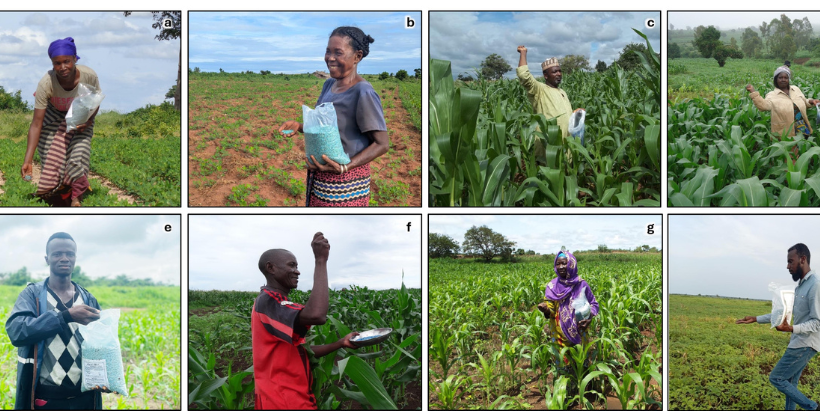
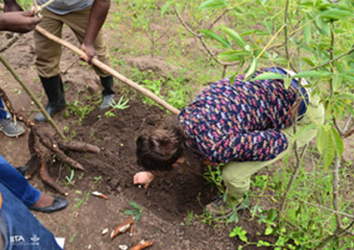
- Agronomy and sustainable farming practices to improve agricultural productivity and soil health. IITA, as part of its support for the CGIAR Sustainable Farming Program, focuses on developing and implementing sustainable agronomy practices to enhance agricultural productivity and promote soil health. SFP aims to advance agronomy practices and promote soil health. This includes demonstrating agronomic practices to enhance farming efficiency, developing evidence-based fertilizer recommendations, and establishing long-term experiments to improve soil health.
- Combating Aflatoxin Contamination for Health and Trade.
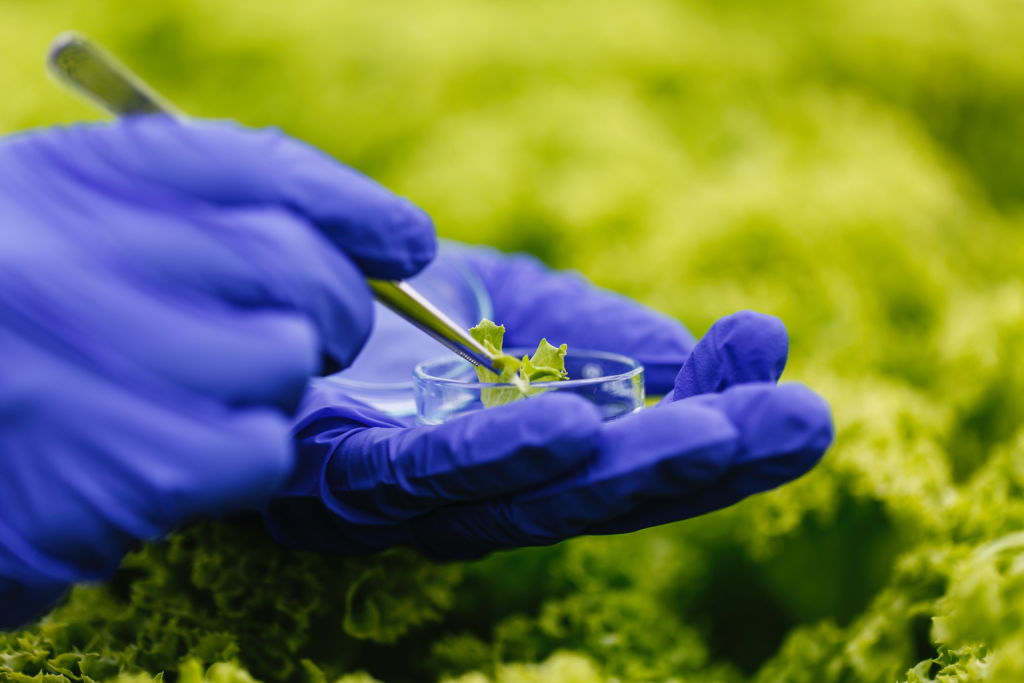
- Leveraging Biotechnology and Genome Editing for Resilient Crops.
- Breeding for Improved Varieties, particularly focusing on crops like soybean.
- Developing Expertise in Nematology and Soil Health.
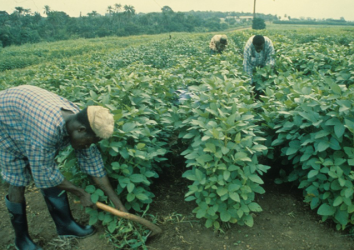
- Strengthening Value Chains and Providing Quality Inputs, notably for soybeans
- Conducting extensive Field Research across various Kenyan counties.
These activities collectively aim to enhance food security, boost agricultural productivity, reduce imports, strengthen value chains, and create economic opportunities for farmers in Kenya.
STAFF
IRS: 22
STATIONÂ Â
IITA-Kenya (Nairobi)
CROPS
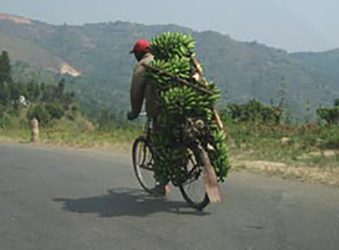
Banana and Plantain, Yam, Cassava, Soybean, and Cowpea
- New technologies, improved seed varieties, or digital farming tools developed for the country:
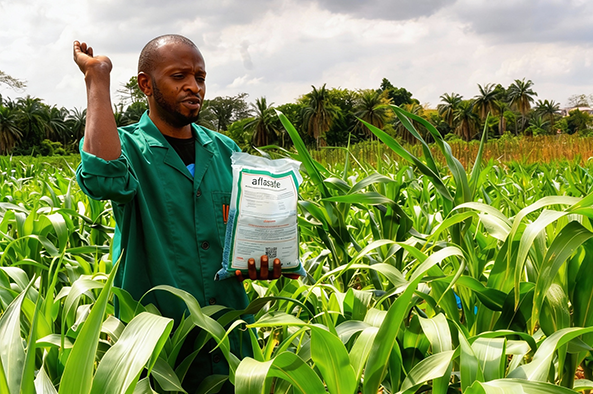
- AflasafeKE01: A cost-effective biological product that significantly reduces aflatoxin contamination in crops.
- Mycotoxin laboratory and modular Aflasafe manufacturing plant: State-of-the-art infrastructure at KALRO Katumani for surveillance, monitoring, and production of AflasafeKE01.
- Improved crop varieties through biotechnology and breeding:
- Banana varieties resistant to Xanthomonas wilt and banana streak virus.
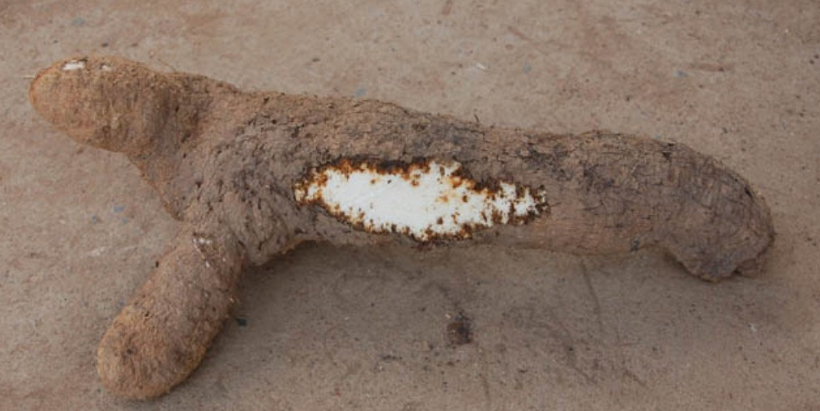
- Semi-dwarf yam varieties optimized for mechanization.
- Maize varieties developed to combat the parasitic Striga weed.
- Tomato varieties with extended shelf life, drought tolerance, and disease resistance.
- High-yield, locally adapted soybean varieties (SB 19, SB 8).
- NemAfrica Hub: A regional nematology and soil health hub with the largest nematology lab in sub-Saharan Africa (outside South Africa), focusing on research, diagnostics, and capacity building.
- Evidence-based fertilizer recommendations: Specific recommendations for maize, rice, wheat, and potatoes to improve fertilizer efficiency.
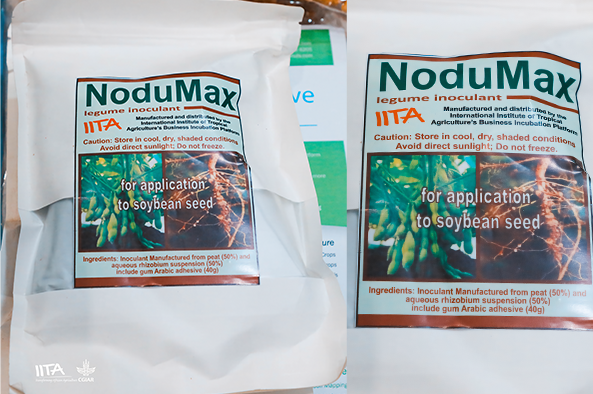
- Biofix inoculant promotion: Crucial input for soybean production.
- Aflatoxin reduction: AflasafeKE01 significantly reduces aflatoxin contamination, improving public health and enhancing food security. The manufacturing plant produces up to five tons per day.
- Crop improvement and food security: The Development and adoption of high-yield, stress-tolerant crop varieties contribute to boosting agricultural productivity and enhancing food security, particularly with soybean varieties, reducing imports.
- Capacity building: Over 300 researchers trained in genome editing through IITA’s programs, including 18 PhD and 13 Master’s students. NemAfrica has directly supervised 78 Kenyan postgraduates and trained 55 MSc students. Capacity is also built for extension workers and farmers on soil health best practices.
- Economic opportunities: Strengthening soybean value chains empowers farmers and develops economic opportunities, promoting quality farm inputs, market access, and agro-processing.
- Soil health advancement: Long-Term Experiments (LTEs) provide insights into soil health and inform policy decisions regarding sustainable agriculture. Global Acidic Soils Innovation Alliance (GAIA) develops scalable innovations for data on soil health and crop performance.
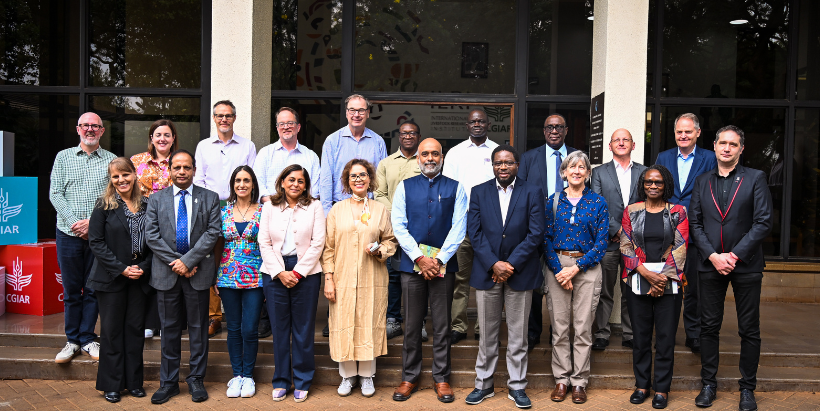
IITA’s success in Kenya is built on strong partnerships with diverse organizations. These collaborations enable IITA to leverage local expertise, extend its research impact, and deliver practical solutions to Kenyan farmers and the broader agricultural sector, facilitating the testing and scaling of improved crop varieties, soil health interventions, and aflatoxin control across various counties.
Key partners include:
- Kenya Agricultural and Livestock Research Organization (KALRO)
- Ministry of Agriculture, Livestock, and Fisheries
- Kenya Plant Health Inspectorate Service (KEPHIS)
- National Irrigation Board
- The Nature Conservancy (TNC)
- Sustain Africa
- International Centre of Insect Physiology and Ecology (icipe)
- Alliance of Bioversity International and CIAT
- Presidential Economic Transformation Secretariat (PETS)
- University of Nairobi
- Kenyatta University
- Kenya Bureau of Standards
- NGOs
- Private sector firms
- Farmers’ organizations
- Koppert Biologicals
- Alliance for Science
- Nairobi County Government
- JKUAT
- CGIAR (as a network)
Quick Facts
Capital: Nairobi
Currency: Kenya shilling
Area (total): 582,646 km2
Population: 49,699,862 (UN July 2017 estimates)
Contact us
Rachel Zozo
Country Representative
  +254 204223000
  r.zozo@cgiar.org
IITA-Kenya, c/of ILRI, PO Box 30709-00100, Nairobi, Kenya
Susan Karonga
Station Administrator
254 204223000
IITA-Kenya, c/of ILRI, PO Box 30709-00100, Nairobi, Kenya