
The Reducing Post-harvest loss across Vitamin A Maize and Cassava Value Chain project of IITA-CGIAR organized a virtual seminar on 26 August.

Within the IITA-CGIAR technical assistance framework in implementing the ATA-DRC program under the Ministry of Agriculture in the Democratic Republic of Congo, the private sector intervenes in the rapid multiplication of cassava varieties using SAH technology.

Former Nigerian President Olusegun Obasanjo, IITA’s Goodwill Ambassador, recently visited Democratic Republic of Congo (DRC) President Félix Tshisekedi, 22 to 24 August 2022, at the presidential palace “Cité de l’OUA”.
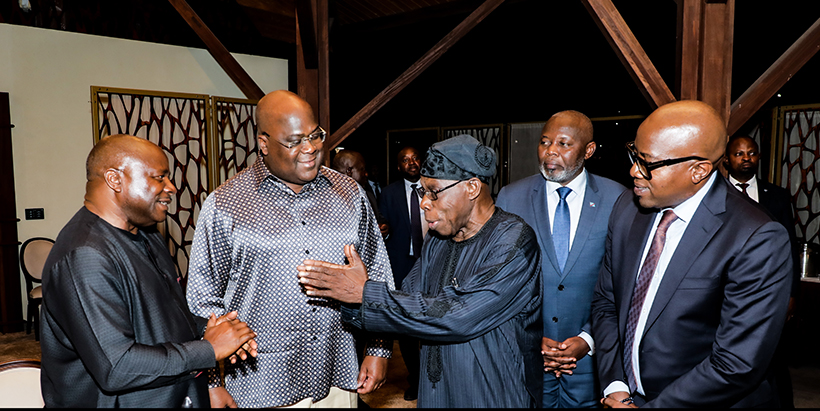
Former Nigerian President and IITA-CGIAR Goodwill Ambassador, Chief Olusegun Obasanjo, recently visited Democratic Republic of Congo (DRC) President Félix Tshisekedi on 22-24 August 2022, at the presidential palace “Cité de l’OUA”.
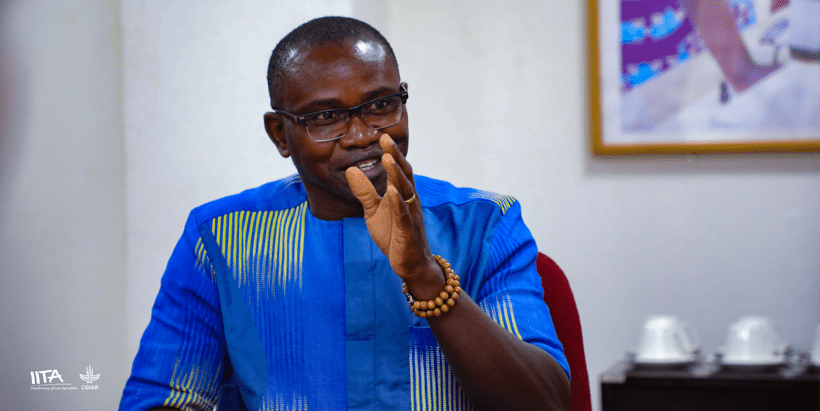
The Senior Regional Director of Mennonite Economic Development Associates (MEDA), Dr Pierre Kadet, and his Country team visited IITA-CGIAR headquarters on 22 July. The purpose of the visit was to explore values chains of some IITA crops, such as soybean, and request support and linkages on other non-IITA mandate crops like rice and groundnut.
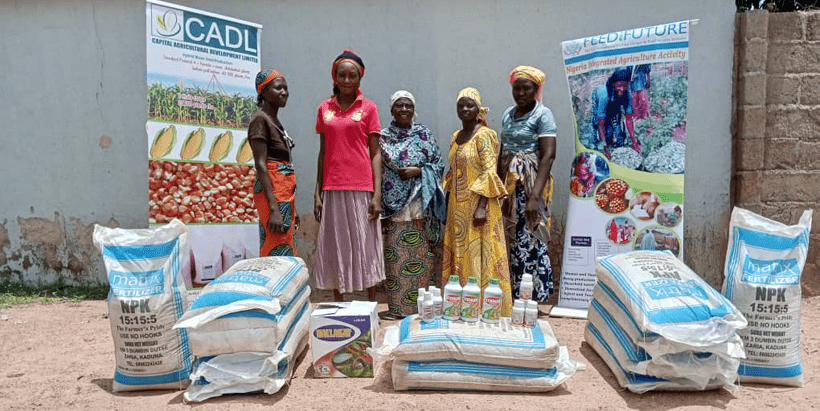
In continuation of input financing for 259 maize and rice farmers in Gombi and Song Local Government Areas of Adamawa State, the USAID-funded Feed the Future Nigeria Integrated Agriculture Activity (IAA), and Capital Agricultural Development Limited (CADL), commenced the second phase of the exercise in July.

With a deep sense of loss, IITA announces the demise of the former Director of Cereal Improvement Program from 1975 to 1980, Ivan William Buddenhagen.
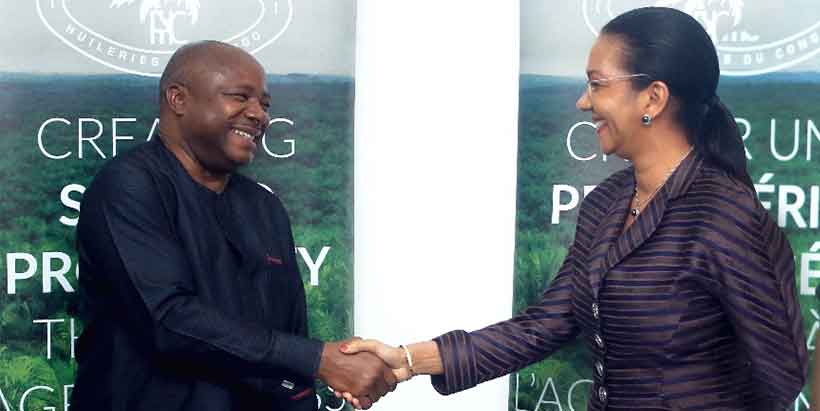
After only three months of implementing the Agenda for the Transformation of Agriculture in the Democratic Republic of Congo (ATA-DRC), the program has registered multiple successes, giving the government and people of the country much to celebrate.

Since 19 July 2019, the USAID-funded Feed the Future Nigeria Integrated Agriculture Activity’s major goals have been to improve food security, increase agricultural incomes, and improve resilience among smallholder farmers and their families in Adamawa and Borno states.
Go to page:
