
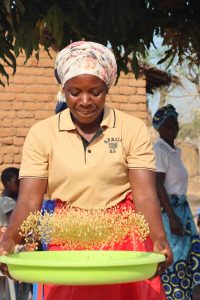
In Mozambique, 37% of children under 5 suffer from chronic malnutrition, according to government data (2023). The northernmost provinces of the country present a more critical situation, with between 44 and 47% of children under 5 years of age suffering from chronic malnutrition, despite having high agricultural production nationwide. Among the main causes of this challenge are a lack of nutritious food, food insecurity, and poor food preparation habits.
To address this challenge and contribute to improving nutrition and food security, IITA–CGIAR and its partners are implementing nutritional education actions in communities in Nampula, Niassa, and Zambézia provinces.
Based on soybeans, a highly nutritious food with proteins, vitamins, minerals, fiber, and antioxidants, the Nossara Cooperative, under the Accelerated Innovation Delivery Initiative (AID-I) Mozambique, led by IITA, is carrying out nutritional education sessions in communities in Gurúè district, Zambézia province, to aid the reduction of malnutrition and improve food security.
The sessions include culinary demonstrations, counselling for families on nutrition, and monitoring the nutritional status of children under 5 years of age, as well as collaboration with health units for referral and follow-up of identified cases.
The food preparation is not only based on soybeans but also utilizes locally available and easily accessible ingredients for the communities, such as peanuts, cornmeal, sugar, eggs, and vegetables, mainly in the preparation of enriched porridges during culinary demonstrations, which provide an opportunity for the replication of knowledge among families.
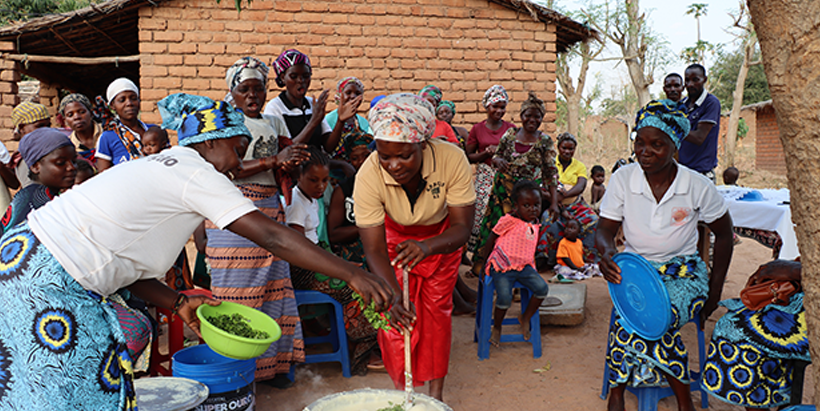
“In the sessions, I learned how to make porridge, flour, sweet bread, cake, bread, and other soy recipes. I prepare porridge for my children, and I also notice that the other children here in the community are developing thanks to soy derivatives,” shares Arlinda Máquina, 29 years old, resident in Ruace, Gurúè district.
Mira Adriano, 38 years old, with six children, says that she started preparing enriched porridge for her children after understanding the benefits of soy for development, especially for children and pregnant women. In addition, she highlights that the project brought a business component for her and other women and young people in the community, through the production and marketing of soy milk and cakes, thus contributing to income generation.
Comprising 22 women, the Nossara Cooperative, which works with soy derivatives with strong support from IITA, has been collaborating with the community to improve the nutritional situation for over 13 years. The project is now strengthening its actions to reach a greater number of people.
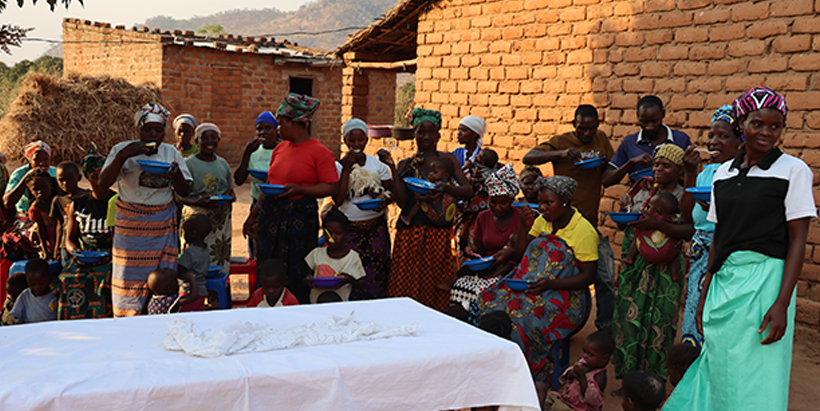
“In our work with the communities, we noticed cases of malnutrition and, in collaboration with health units, we began to monitor these cases, teaching mothers how to prepare enriched porridges. This work is also done with pregnant women to prevent an increase in malnutrition. We also include the girls in the community in learning how to do business with soybeans to keep them occupied and with some source of income and prevent them from going astray,” says Teresa Augusto, president of the Nossara cooperative.
By the end of AID-I, 7,000 people, especially women and young people, would have been trained in vegetable production, creating home gardens and adopting healthier nutritional habits.
Contributed by Safira Chirindza
Contributed by
Recent stories