
In Zambia, aquaculture is being championed as a solution to pressing challenges like poverty, hunger, and undernutrition while also fostering rural economic growth. Among the various fish species Zambian farmers cultivated, tilapia is the most prevalent. However, raising tilapia requires an adequate supply of essential nutrients like proteins, amino acids, vitamins, and energy sourced from carbohydrates and fats. To achieve optimal productivity, farmers must ensure their fish receive high-quality feed in sufficient quantities.
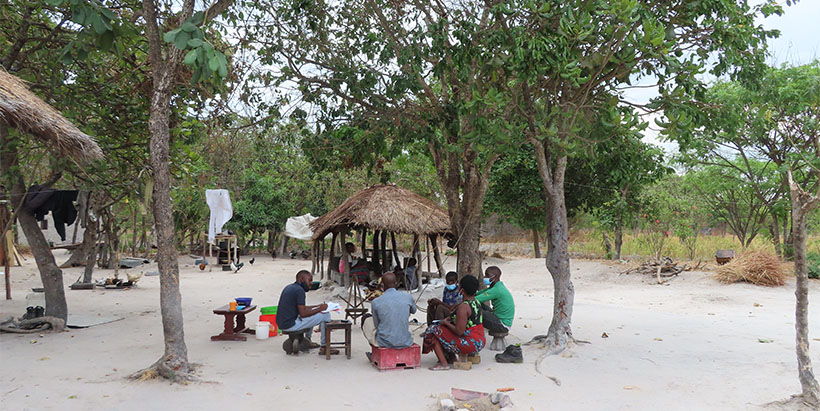
Tilapia feeding approaches are typically categorized into three types: natural feeding, complete feeding, and supplemental feeding. While complete feeding offers the most comprehensive nutritional solution, it remains largely inaccessible to farmers in northern Zambia due to limited infrastructure, undeveloped markets for commercial aquaculture inputs, and low household purchasing power.
Smallholder farmers often rely on supplementary feeds such as fishmeal, maize meal, and soybean meal, which, despite their nutritional benefits, are frequently unaffordable, unavailable, or directly competing with household food security needs. This challenge has driven research to focus on locally sourced, farm-generated feed alternatives that are affordable, nutritionally adequate, and non-competitive with human food needs.
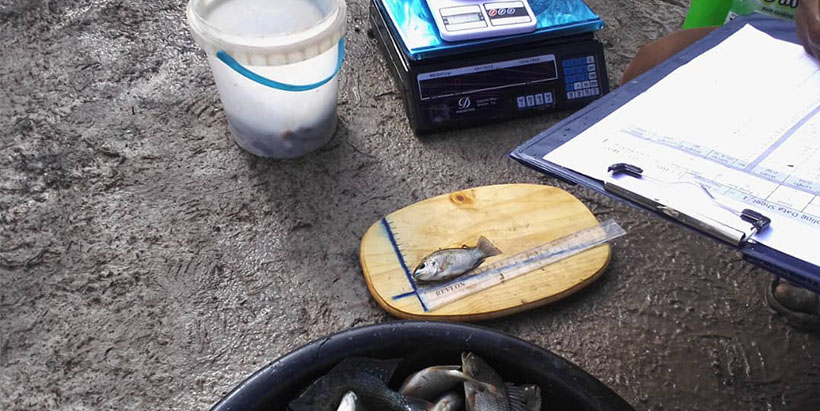
A study conducted in the Luwingu and Luponsoshi Districts of Zambia’s northern province explored feeding practices and their impacts on aquaculture productivity. Using a mixed-methods approach, researchers collected quantitative data through surveys and qualitative data via interviews, discussions, and observations.
The study revealed that most farmers used a combination of homemade feeds—mashes or crumbles from maize and soybeans—alongside food waste, vegetation, maize or rice bran, and, occasionally, commercial feeds. The most employed inputs were livestock manure, garden residues, and kitchen.
Despite these efforts, average fish yields remained low, except among a handful of intensive farmers who incorporated commercial feeds, chemical fertilizers, and diverse homemade feed ingredients. By contrast, low intensity feeding strategies relied solely on farm waste and termites. Key factors influencing feed intensity included household income, proximity to the towns, aquaculture experience, and access to extension services.
The study highlighted ways to boost aquaculture productivity and its contribution to poverty alleviation. First, strengthening commercial feed supply chains by investing in developing reliable commercial value chains to provide affordable, high-quality feeds is essential. Second, promoting microfinancing programs to increase smallholders’ disposable income can enhance access to commercial feeds and other critical inputs. Third, improving technical training, such as extension services and gender-sensitive training programs in aquaculture and integrated farm management can expand farmers’ feed formulation and resource management skills. Fourth, exploring locally adapted alternatives like maize bran, cassava meal, sweet potato meal, sunflower seeds, plant leaf meals, and insects can provide cost-effective and sustainable feed options. Special attention should be given to resources available during October–December, when feed scarcity is most acute.
The research team lead, Jacob W. Johnson, who was an IITA Research Fellow, mentioned that innovative feeding strategies hold the potential to transform smallholder aquaculture in Zambia, improving productivity, reducing poverty, and ensuring better nutritional outcomes. “By addressing barriers such as limited infrastructure, low household incomes, and feed availability, Zambia can unlock the full potential of aquaculture to drive sustainable rural development,” he added.
Contributed by Ochuwa Favour Daramola
Contributed by
Recent stories