
As the global population increases, leading to more consumption of animal protein, aquaculture is key to delivering proteins and micronutrients to people, especially in low-income countries such as Zambia. Aquaculture is an economic activity with the potential to be as important as agriculture for smallholder producers, in terms of socioeconomic development and food security.
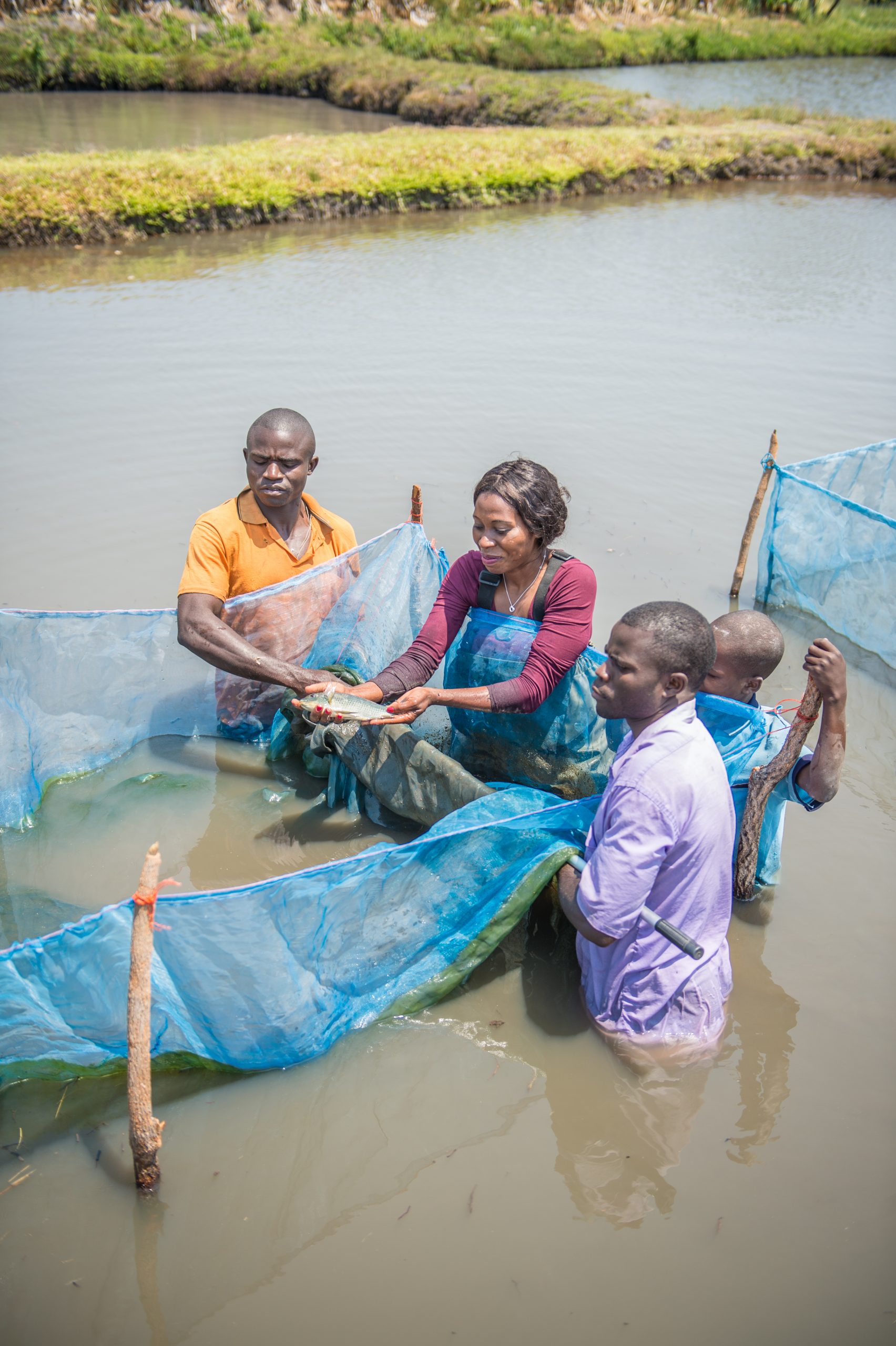
Zambia is a landlocked country in southeast Africa, endowed with water bodies. Fish from the capture fisheries in the country are usually the only accessible and affordable source of animal protein for resource-poor populations in rural areas, providing 55% of the animal protein in Zambian diets. Fish is also a key source of income, food, and nutrition. However, capture fisheries no longer meet the national demand for fish.
A significant challenge confronting the development of the aquaculture value chain in Zambia is ensuring that the larger scale commercial sector can continue to grow and generate economic benefits for the country while simultaneously safeguarding incusive and sustainable growth of smallholder production systems.
Recently, researchers from various agricultural organizations, including IITA, carried out an in-depth, mixed-method aquaculture value chain study in Zambia to provide relevalnt stakeholders with necessary information on the contribution of aquaculture to economic growth and its inclusiveness, as well as social and environmental sustainability. The information would help stakeholders decide on the proper intervention process to employ.
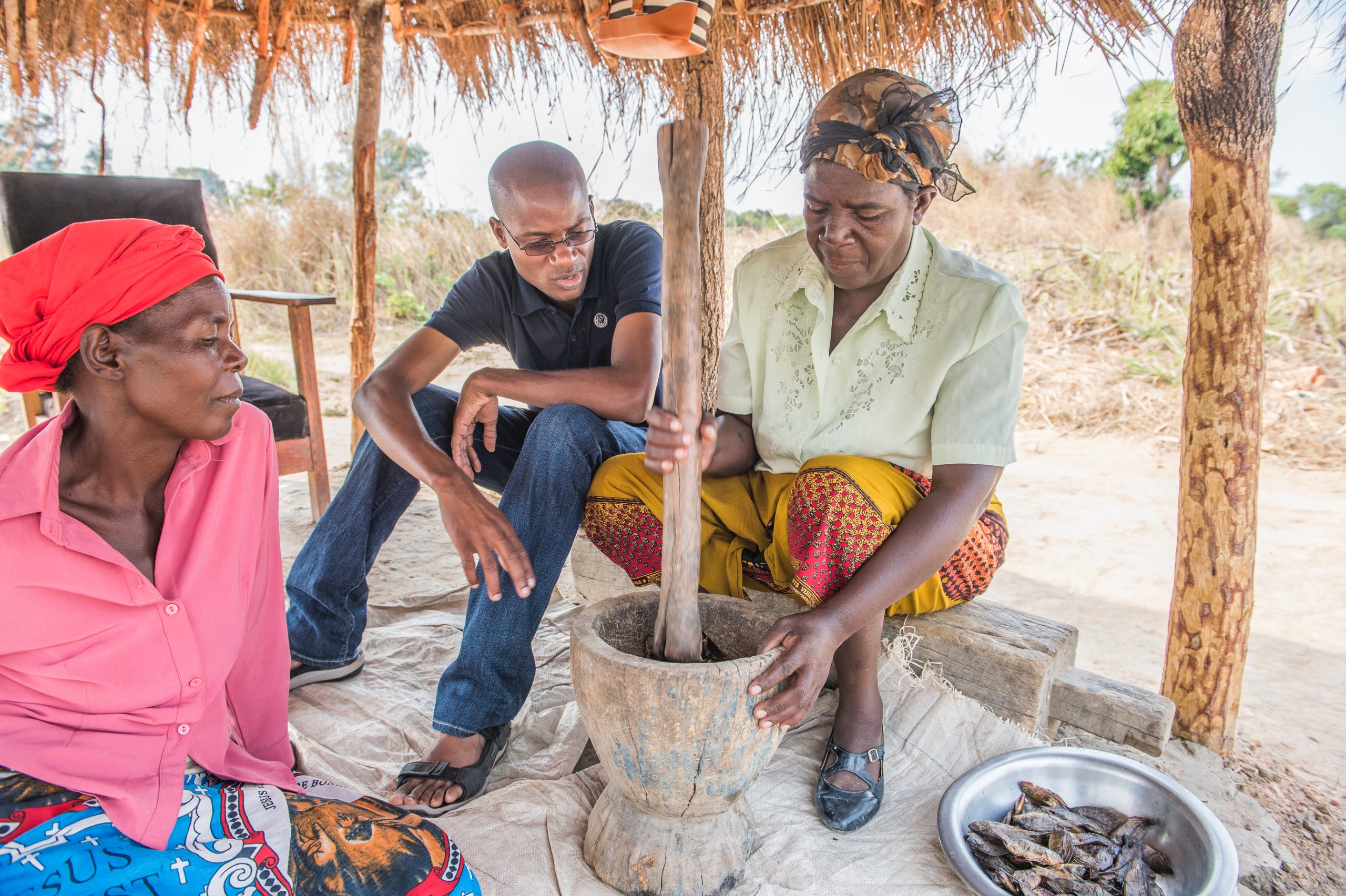
The result revealed that for smallholders to achieve better production outcomes from fish farming, they need improved access to inputs and other necessary resources, training to increase their management skills, and links to output markets that demand their products. Results also showed that increasing the supply of microfinance to farmers would increase their access to improved fingerlings and feeds. The researchers stated that there should also be efforts to strengthen technical knowledge of aquaculture and business skills.
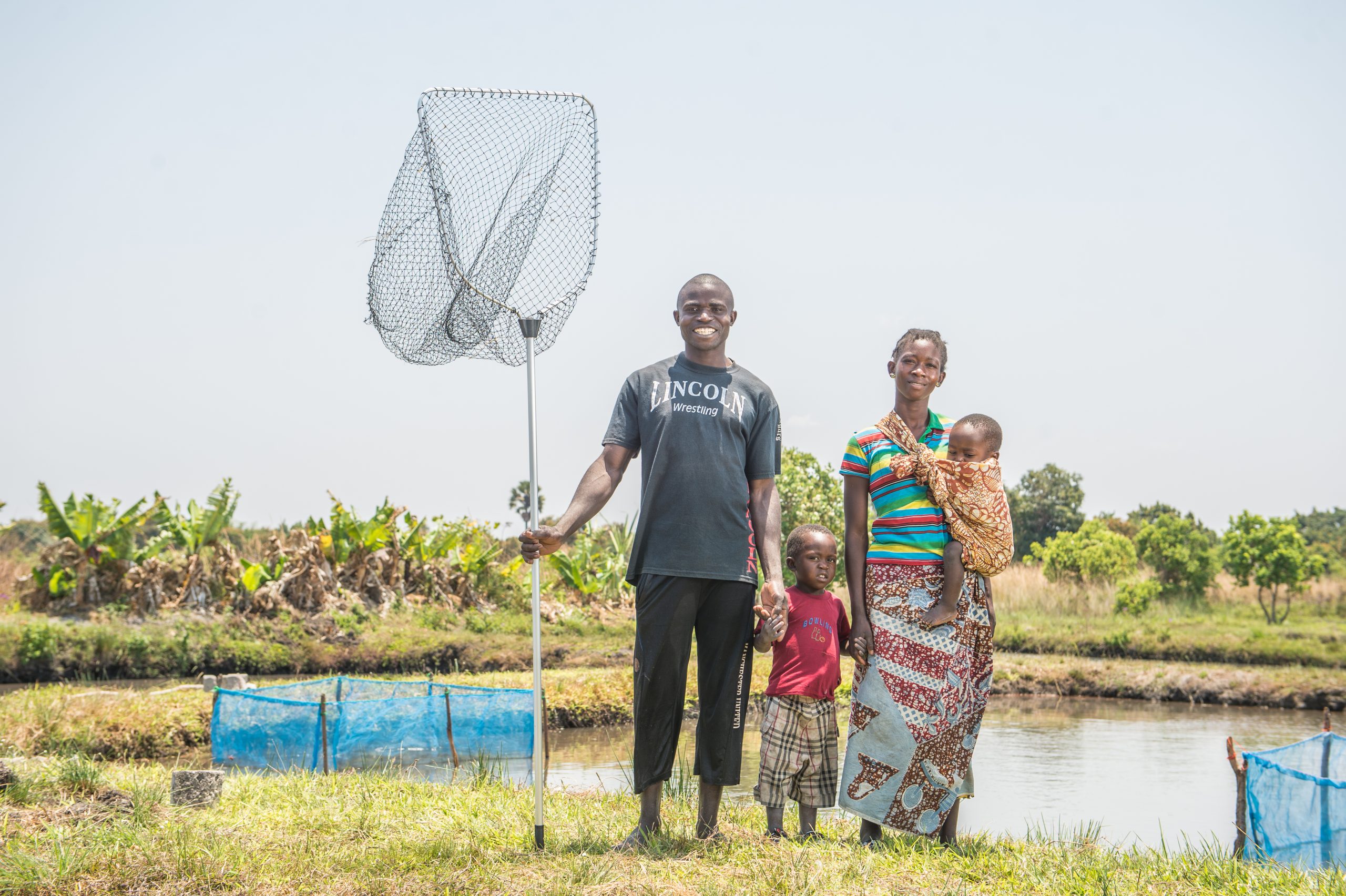
The researchers also pointed out the need to design and test appropriate aquaculture labor-saving technologies with women, men, and youth, with a focus on testing and promoting integrated aquaculture systems and water management practices to enhance the productivity of smallholders. They added that comprehensive studies of the smallholder aquaculture sector are also needed to determine the right innovations, such that technologies developed by stakeholders in the sector would address the needs of smallholder farmers and other value chain actors.
Steven Cole, IITA Senior Scientist and Gender Specialist, mentioned that the technologies would also need to address the social and gender issues that constrain women from meaningfully participating in and benefiting from aquaculture in Zambia.
Contributed by Ochuwa Favour Daramola
Contributed by
Recent stories