
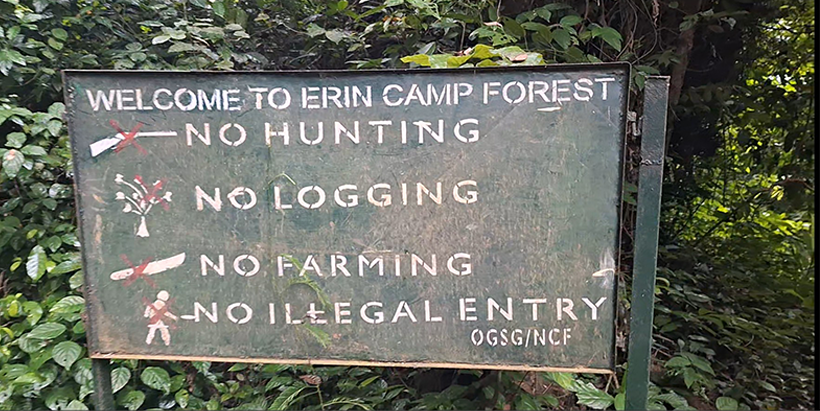
The Omo Forest Reserve, an important biodiversity hotspot in Southwest Nigeria, is home to endangered forest elephants and diverse plants and animals. Thanks to dedicated conservation efforts, there have been no recorded cases of elephant poaching in the Reserve for over ten years.
Earlier this season, during activities related to World Ranger Day, Wild Africa, one of IITA-CGIAR’s partners, organized a reporting trip in collaboration with the Nigerian Conservation Foundation (NCF). The purpose was to highlight ongoing efforts to protect wildlife and address human-elephant conflicts.
At Wild Africa, educating the media, who in turn inform and inspire the public, is central to our mission, said Festus Iyorah, the Nigeria representative at Wild Africa and organizer of the trip.
“These reporting trips give journalists firsthand exposure to the realities facing our wildlife and wild spaces, helping them connect with both the challenges and the people on the frontlines, such as the rangers.
“Omo Forest’s story is one of both hope and ongoing struggle. That is why continued collaboration with the media is vital in championing its protection, especially safeguarding its iconic forest elephants.”
Ranger Emmanuel Olabode led climate change and environmental journalists on a visit to River Omo, Erin Camp Forest, and the surrounding core conservation areas where elephants roam.
“Encroachment is one of the problems we face,” Olabode said. “Logging and farming have reduced animal habitats, forcing elephants to migrate. Still, they are resilient animals that carry ancestral memories of their paths and tend to return to safer grounds like Itase, where human disturbance is minimal.”
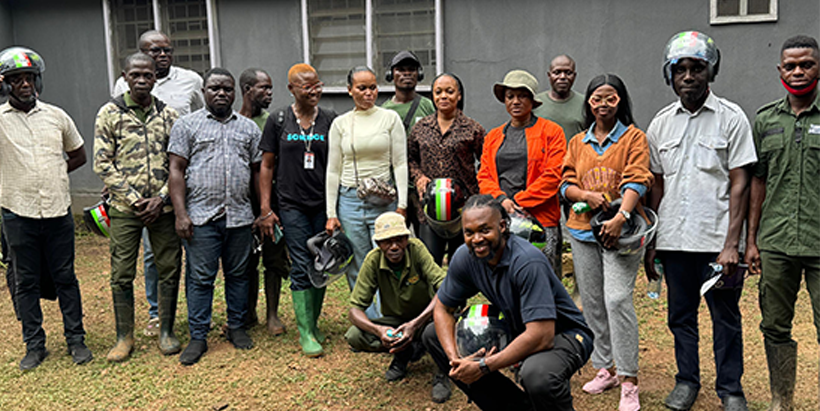
The conservation program, supported by partners including NCF and the Wild Planet Trust, combines wildlife monitoring, ranger patrols, and community education. Over 12 rangers, some former hunters, now protect the forest and run environmental awareness programs in local schools.
Stakeholders acknowledged the challenges, while farmers and loggers expressed concerns over land disputes and livelihoods. The community chiefs urged the government to establish clear boundaries for sustainable land use. According to Odunayo Odujobi, a licensed logger:
“The government generates significant revenue from forestry, but if concessions continue without balance, thousands of jobs could be lost.”
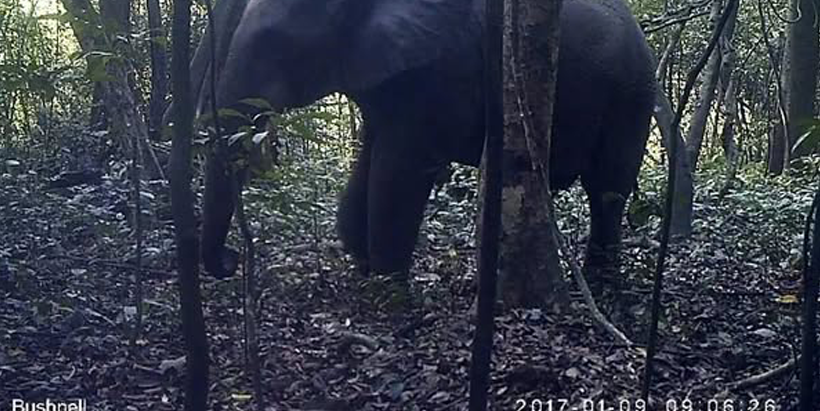
Ibigbami Olusanjo Oladele, Divisional Forest Program Officer at the Forestry Research Institute of Nigeria (FRIN), in Area J4 of the Omo Forest Plantation Projects, emphasized the importance of partnership. “Animals know no boundaries; to them, it is one forest. We must work together to protect it,” a representative stated.
Around 55,000 hectares have been proposed for conservation, though approval is still pending. Meanwhile, rangers focus on safeguarding the core habitat around Erin Camp and the UNESCO-designated strict nature reserve.
IITA’s focus on sustainable land use and forest conservation aligns with these initiatives, ensuring that agricultural development does not come at the expense of biodiversity. Protecting the Omo Forest elephants is more than saving a species; it is about maintaining ecological balance and creating a future where communities and wildlife can thrive together.
Contributed by Dajie Odok
Contributed by
Recent stories