
An agribusiness boot camp was organized recently to improve the learning skills of the agribusiness Masters’ students from the Rome Business School (RBS) within a non-traditional learning system. During the boot camp, organized by the IITA–CGIAR Training Unit, participants learned how to improve and commercialize the seed system to ensure food sufficiency and improve the nutritional status of Africans. IITA External Training Manager Olumodupe Banwo coordinated the training.

IITA Food and Nutrition Science (FNS) Research Associate Gregory Nwaoliwe reiterated the importance of agricultural value addition as the key to food sufficiency and good nutrition in Africa. He listed the various activities involved in value addition, including post-harvest handling and processing; provision of technologies for production and handling; grading criteria and facilities; and packaging and marketing.
Nwaoliwe outlined some value addition benefits, including increased research findings and development, reduced post-harvest losses, and reduced food importation. He added that expanding agricultural value addition would increase product diversification and market competitiveness in Africa, which would boost the continent’s economy.
Nwaoliwe also shared a success story from previous training in DR Congo, which has contributed to reduced importation of wheat flour by 70%.
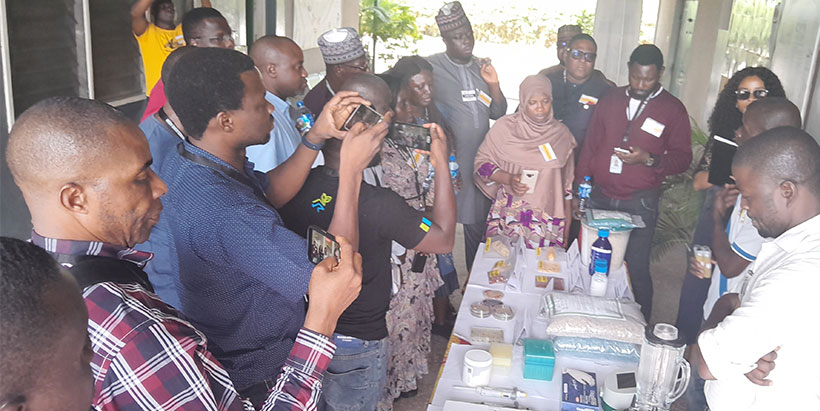
IITA Research Associate with YIIFSWA Chukwunalu Ossai and Zero Hunger Monitoring, Evaluation, and Learning Manager Oyewale Abioye spoke on technological innovation. Ossai gave an overview of aeroponics and hydroponics technologies and how they enhance yam production at IITA.
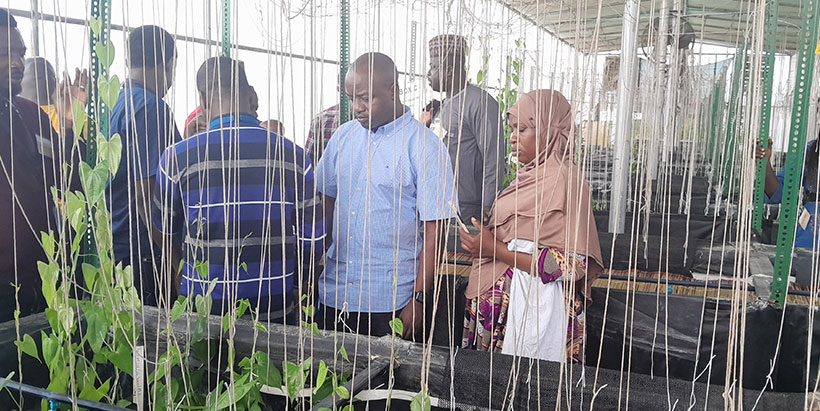
One of the boot camp beneficiaries, Desmond Umukoro, commended the partnership between IITA and RBS which helped the participants to get unrefined information directly from researchers. He mentioned that the boot camp created an avenue to explore IITA’s mandate crops and their value-addition opportunities.
“I intend to disseminate the knowledge gained to small and medium scale enterprises (SMEs) and smallholder farmers on how they can develop nutritious products from crops to improve consumer’s health and create wealth for them, as this would be achieved through partnerships,” Umukoro said.
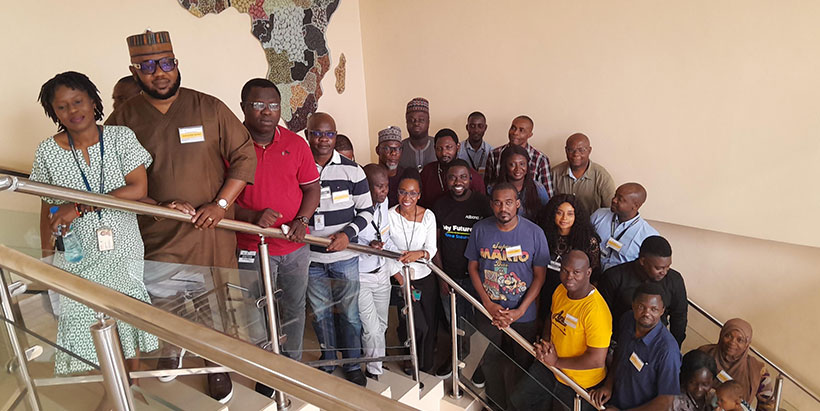
Aside from the knowledge acquired from the boot camp, the participants also used the avenue to network with the researchers. Wrapping up the boot camp, the participants toured some of the Institute’s facilities—yam hydroponics, biogas, cassava breeding, and the Aflasafe and Nodumax laboratories.
Contributed by Anita Akinyomade
Contributed by
Recent stories