Engineer Thierno Diallo, IITA Postharvest Specialist;  Ismail Oyinlola and  Oluwasegun Ibajesomo, Representatives of Agroloop Farms Limited, Nigeria; and Idowu Osun, Business Development Officer, ENABLE-TAAT Compact, during the visit of Agroloop Farms Ltd representatives to the Mobile Cassava Processing Plant at IITA Headquarters.
Engineer Thierno Diallo, IITA Postharvest Specialist; Ismail Oyinlola and Oluwasegun Ibajesomo, Representatives of Agroloop Farms Limited, Nigeria; and Idowu Osun, Business Development Officer, ENABLE-TAAT Compact, during the visit of Agroloop Farms Ltd representatives to the Mobile Cassava Processing Plant at IITA Headquarters.

The Technologies for African Agricultural Transformation (TAAT) Cassava Compact, led by IITA-CGIAR, has partnered with ENABLE-TAAT to strengthen private sector participation in cassava value chains across Nigeria and the Democratic Republic of the Congo (DRC). The collaboration aims to promote the adoption of proven TAAT technologies that enhance productivity, reduce post-harvest losses, and boost agribusiness profitability.

In September 2025, the ENABLE TAAT Compact worked in collaboration with the TAAT Cassava Compact and the Cassava Value Chain Development (CVCD) Project to engage two private sector companies: Agroloop Farms Limited in Nigeria and Bien-être – Bien Vivre SARL in the Democratic Republic of Congo (DRC) to explore opportunities for cassava technology transfer and commercialization.

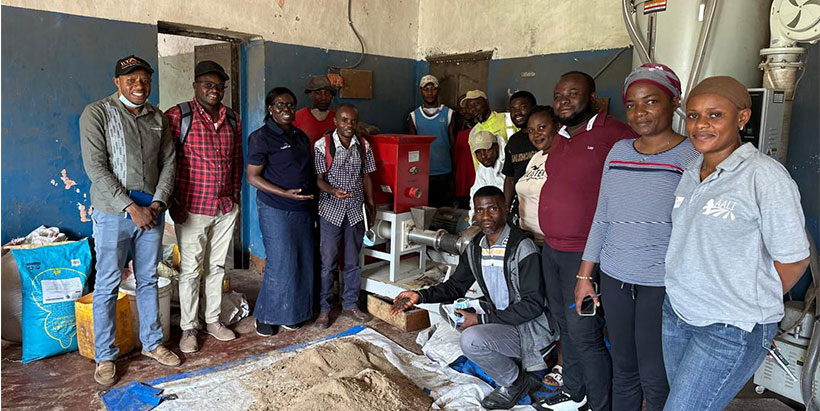
At IITA headquarters in Ibadan, the TAAT team introduced Agroloop Farms Limited to the Cassava Mobile Processing Plant technology. The company, which plans to process cassava from over 2,500 hectares through its own farms and an outgrower scheme, was advised to adopt the mobile processing plant to convert cassava roots into cake before transporting them for further processing.
This innovation is expected to significantly reduce transportation costs and post-harvest losses, while ensuring higher-quality raw materials, better engagement with farmers (outgrowers), and improved business efficiency. Agroloop’s adoption of this technology will also strengthen linkages with smallholder farmers, creating an inclusive model that benefits both processors and producers.

In the DRC, the team engaged Bien-être – Bien Vivre SARL, a company aiming to establish over 100 hectares of cassava plantations for processing into High-Quality Cassava Flour (HQCF) and fufu for local and export markets.

Benjamin Muganga, Technology Transfer Officer, TAAT Cassava Compact; Adeniyi Ogunkoya, Cassava Processing Specialist, Cassava Value Chain Development Project, IITA Kinshasa; and Idowu Osun, Business Development Officer, ENABLE-TAAT Compact with Kasereka Katondolo Zibrael and Yongesa Mbunge Didier, Representatives of Bien-ĂŠtre Vivre SARL, DRC.

Muganga Benjamin, TAAT Cassava Technology Transfer Officer, introduced the company to several TAAT innovations, including improved and high-yielding cassava varieties, rapid propagation of virus-free planting materials, good agricultural practices, and post-harvest processing technologies.

During both engagements, ENABLE-TAAT Business Development Officer, Idowu Osun, emphasized how the adoption of TAAT cassava technologies can improve efficiency, profitability, and competitiveness within agribusiness enterprises.

“TAAT’s technologies are designed to help agribusinesses reduce costs, minimize post-harvest losses, and achieve sustainable business growth,” he said. “Through these innovations, companies can achieve up to 40% reduction in labor costs, faster turnover on existing facilities, and earlier business expansion compared to local technologies. By working with the private sector, we are ensuring that these innovations reach more farmers and create sustainable impact.”

He further highlighted that the TAAT model enables businesses to transition from traditional systems to technology-driven operations, improving cash flow, and ensuring sustainable growth. “The benefits extend beyond profitability,” he added. “TAAT supports companies with business plan development, de-risking strategies, and facilitation of access to credit and blended finance instruments. This holistic approach ensures agribusinesses are not only viable but scalable and sustainable in the long term.”

The collaboration marks a significant step in TAAT’s broader mission to de-risk agribusiness investment, strengthen linkages with private sector actors, and promote large-scale adoption of proven agricultural technologies across Africa.

Contributed by Jesutofunmi Robinson

Photo: Researchers from the Institute of Agronomic Research of Central Africa and the PADECAS project coordinator trained on SAH technology for high-quality cassava seed production at IITA headquarters, Ibadan, Nigeria.
Photo: Researchers from the Institute of Agronomic Research of Central Africa and the PADECAS project coordinator trained on SAH technology for high-quality cassava seed production at IITA headquarters, Ibadan, Nigeria

The Central African Republic has been facing challenges related to the shortage of clean seeds for food security crops, mainly cassava, yams, and maize. This shortage leads to farmers planting diseased seeds, resulting in insufficient productivity that exacerbates food security issues among smallholder farmers and negatively affects their livelihoods.

To address this challenge, the Government of the Central African Republic (CAR) aims to invest in establishing Semi-Autotrophic Hydroponics (SAH) technology to produce healthy, high-yield cassava and yam cuttings, as well as disseminating technologies and innovations to improve productivity in the cassava value chain.

The Government of the Central African Republic and IITACGIAR, through the Agricultural Value Chain Development Project in the Savannahs (PADECAS), are currently introducing SAH facilities in the CAR. IITA-CGIAR provides technical support through capacity building for local scientists, enabling them to establish the foundation for SAH technology in the country and accelerate breeding work for pre-basic seeds of food security crops, primarily cassava, yams, and maize.

In early August 2025, six researchers from the Institute of Agronomic Research of Central Africa (ICRA), the implementing entity of the PADECAS project, and the PADECAS project coordinator participated in a two-week intensive training program at the IITA headquarters in Ibadan, Nigeria. During this training, they were guided through a stepwise introduction to SAH technology and learned how it can be implemented in Central Africa to accelerate seed multiplication, thereby increasing the availability of clean seeds in CAR farming systems.

The Deputy Director General for Partnership for Delivery, Dr Abdoulaye Tahirou, welcoming the team on behalf of the IITA Director General, expressed satisfaction with the partnership between IITA-CGIAR and the Central African Republic under the PADECAS project. He encouraged the team to collaborate further in developing opportunities for technology delivery to farmers through the development of a Memorandum of Understanding (MoU).

“This collaboration with ICRA under the PADECAS project is a testament to IITA-CGIAR’s commitment to strengthening national agricultural systems through partnership. By building capacity in innovative technologies such as Semi-Autotrophic Hydroponics, we are not only advancing cassava and yam research but also contributing to food security and resilience in the Central African Republic. We look forward to deepening this collaboration and co-developing solutions that directly benefit farmers and communities,” urged Dr Abdoulaye Tahirou, the IITA Deputy Director General, Partnership for Delivery.

Photo: The CAR delegation trained on field transplanting of SAH cassava plantlets

The training focused on Semi-Autotrophic Hydroponics (SAH), a cutting-edge plant propagation method designed to improve the multiplication of clean planting materials for cassava, yam, and maize. The scientists participated in hands-on sessions in the Cassava and Yam SAH units, where they gained valuable experience in setting up and managing the system. They also received training on cassava breeding strategies, visited seed multiplication trials, and explored yam breeding fields.

Beyond SAH, the delegation was exposed to IITA-CGIAR’s Bioscience and Genebank facilities, cassava processing units, and the Aflasafe production plant, demonstrating the Institute’s broad scope of research and innovation.

The ICRA Director General, Steive Mbenda, expressed his appreciation for the opportunity to strengthen the team’s technical skills and emphasized how the knowledge gained would be directly applied in CAR’s strategy to enhance the clean seed system.

Speaking on behalf of the Central African Republic scientists’ delegation, he stated: “On behalf of the Central African Republic team, I would like to express our gratitude for the welcome we received. We had a pleasant stay, during which we learned about SAH cassava and yam technology, visited the Genebank and Bioscience laboratory, and our entire program went smoothly. Our objective was achieved, and we leave with a feeling of satisfaction. May God bless IITA and all its staff. The success of the IITA-PADECAS partnership will be demonstrated through the deployment of such technology in our country. We will report to the Minister of Agriculture what we have seen and learned.”

This initiative enhanced the participants’ technical expertise in SAH technology and reinforced institutional collaboration between IITA and ICRA. A follow-up training will be organized in Bangui in October 2025, reflecting IITA’s continued dedication to building research capacity, transferring technology, and fostering partnerships that support food security and agricultural transformation across Africa.

Within the framework of PADECAS, the researchers will use their acquired expertise to establish and scale up SAH units for cassava and yam multiplication, improve the supply of clean planting materials, and strengthen local seed systems. This is expected to enhance productivity, ensure the availability of disease-free planting materials, and contribute to food security and income generation for farmers in CAR.

Contributed by Apollin Fotso Kuate & Bumwe Ritha

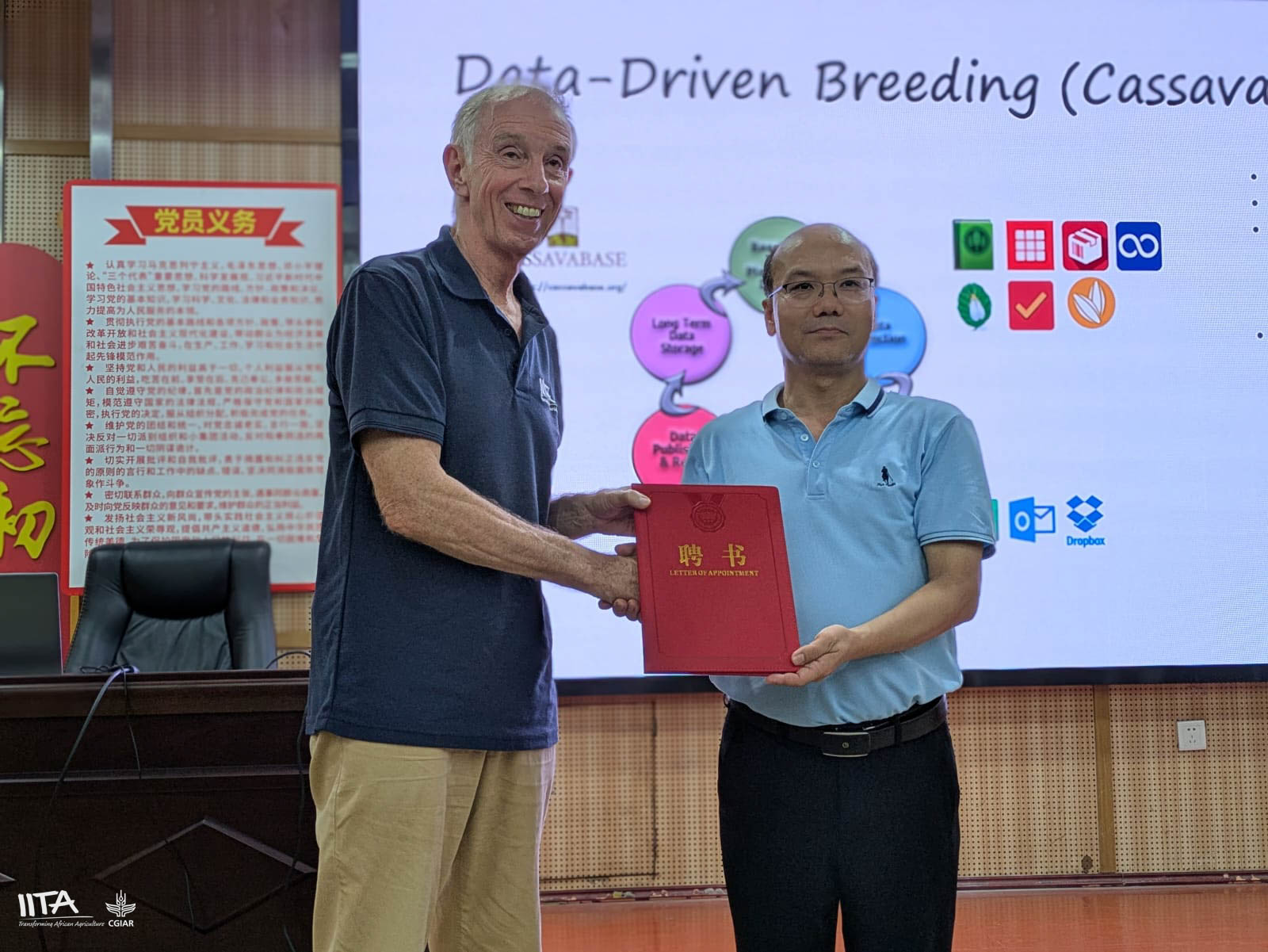
Prof Rony Swennen (left) receiving an award from Guangxi Academy of Agricultural Sciences

In a prestigious recognition of his expertise in bananas, Professor Rony Swennen, a scientist at IITA-CGIAR, has been appointed visiting professor at the Guangxi Academy of Agricultural Sciences in China. This honorary title was conferred upon Prof. Swennen during a recent visit to China, at the invitation of the Chinese Academy of Tropical Agricultural Sciences (CATAS), where he, along with other IITACGIAR scientists Dr Delphine Amah and Dr Ismail Rabbi, explored potential collaborations with Chinese institutions.

The appointment is a significant milestone for IITA-CGIAR, reflecting the institute’s growing reputation as a leader in tropical agricultural research. As a visiting professor, Prof. Swennen will have the opportunity to develop joint research proposals with the Guangxi Academy, particularly in banana improvement. This collaboration has the potential to benefit both IITA-CGIAR and the Guangxi Academy, enabling an exchange of knowledge, resources, and expertise.

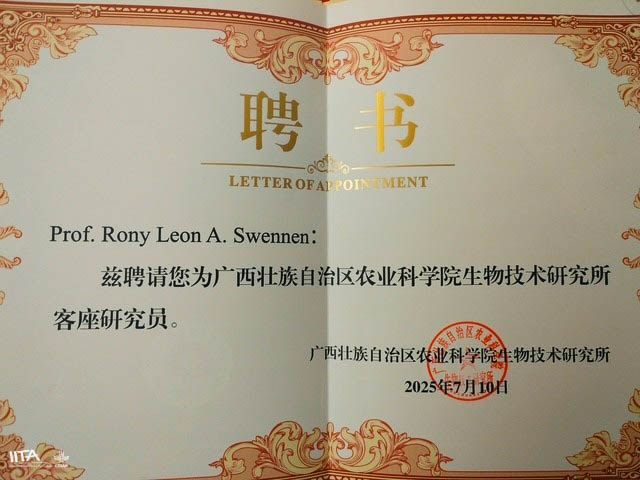
Prof. Swennen’s appointment letter as Visiting Professor at Guangxi Academy of Agricultural Sciences

The partnership is expected to yield mutual benefits. IITA-CGIAR will leverage the Guangxi Academy’s advanced facilities and expertise to test its banana hybrids for resistance to Panama TR4 disease, a significant threat to banana crops currently confined to Mozambique in Africa.

This will help identify resistant varieties and inform breeding decisions. Meanwhile, the Guangxi Academy can utilize IITA-CGIAR’s advanced breeding strategies and germplasm, enhancing breeding programs and developing more resilient banana varieties.

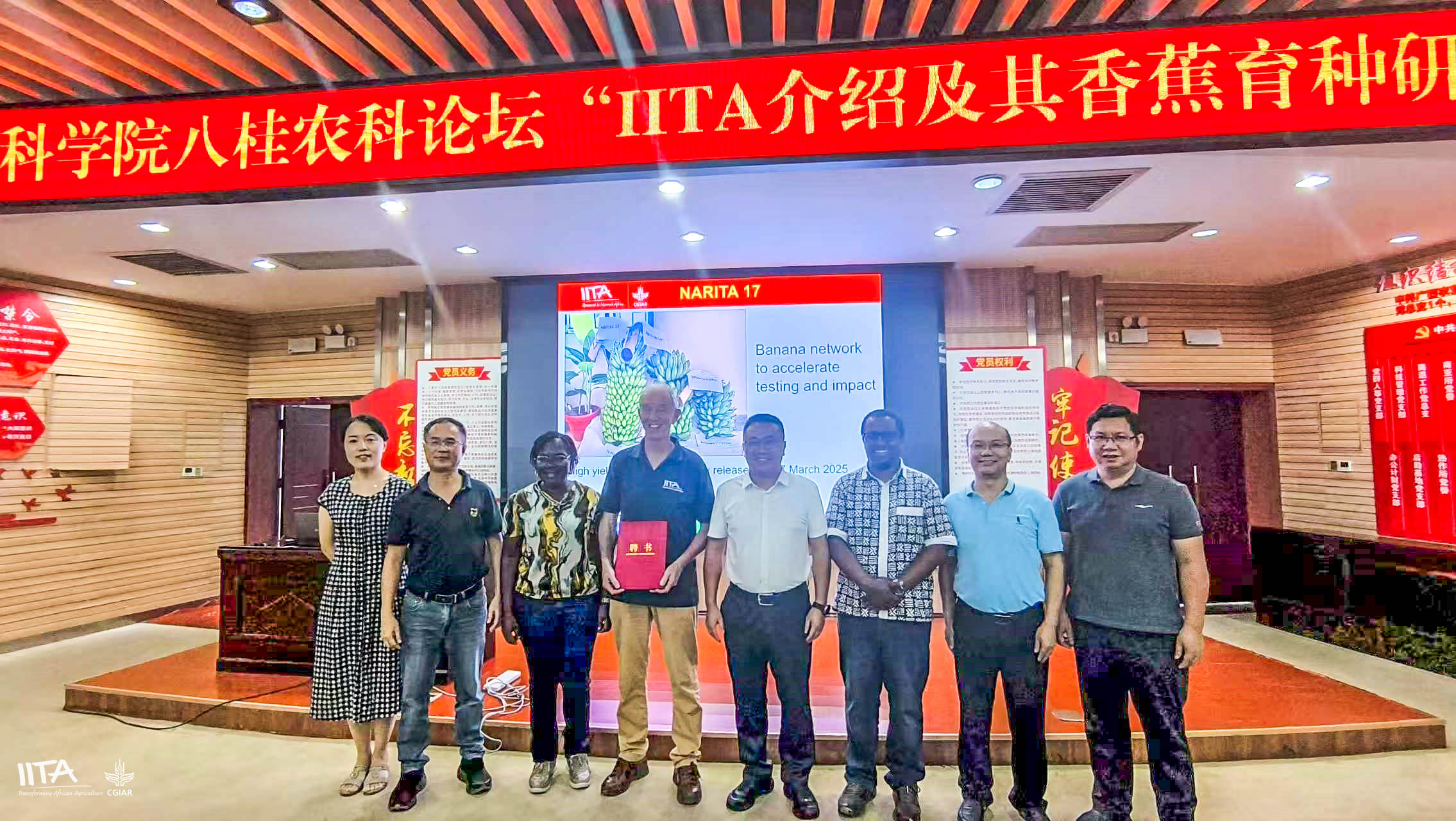
Prof Rony Swennen with certificate, flanked by IITA colleagues and Chinese partners

This award is a testament to Prof. Swennen’s expertise and IITA-CGIAR’s commitment to international collaboration. As a leading research institute, IITA-CGIAR continues to forge strategic partnerships with institutions worldwide to address pressing agricultural challenges and improve food and nutritional security.

The visiting professorship award is a significant achievement for IITA-CGIAR that can drive positive changes in agriculture and food security. Congratulations, Prof. Swennen, on this well-deserved recognition.

Contributed by Moureen Awori, Prof. Rony Swennen and Katherine Lopez

Ibadan, Nigeria – IITACGIAR proudly celebrates the recognition of Dr Mercy Diebiru-Ojo as one of the 2025 Africa Food Prize Laureates, honoring her outstanding contributions to advancing Africa’s agricultural transformation through the widespread promotion of a novel node culture technology for cassava and yam called Semi-Autotrophic Hydroponics (SAH).

Dr Mercy Diebiru-Ojo

Dr Diebiru-Ojo’s work is shaping a new frontier in rapid crop multiplication, transforming SAH from a scientific breakthrough into a scalable enterprise model that directly benefits farmers and seed entrepreneurs across sub-Saharan Africa. The technology accelerates the production of clean, disease-free planting materials, ensuring that improved varieties of cassava and yam—two crops that feed hundreds of millions of Africans—reach farmers faster and more efficiently.

Through her leadership, SAH has transitioned beyond research to practical application, supporting the development of stronger seed systems in multiple countries. This achievement is not only boosting agricultural productivity but also creating opportunities for youth and women agripreneurs, strengthening food security, and opening new pathways for sustainable livelihoods.

“Dr Mercy Diebiru-Ojo’s recognition as a recipient of the Africa Food Prize underscores the power of African-led science to deliver practical solutions,” said Dr Simeon Ehui, IITA Director General and CGIAR Regional Director for Continental Africa. “Her work in SAH demonstrates how cutting-edge research, when scaled, can drive real transformation in the lives of farmers, enhance resilience in our food systems, and secure Africa’s agricultural future.”

The Africa Food Prize, awarded annually, is the continent’s most prestigious recognition of individuals and institutions leading efforts to transform African agriculture. By spotlighting innovations that create lasting impact, the Prize highlights the vision, dedication, and creativity required to address Africa’s urgent food security challenges.

Dr Mercy Diebiru-Ojo

Speaking on the award, Dr Diebiru-Ojo said “This award is not the end, it is a beginning. A call to action. A reminder that much remains to be done if we are to achieve a food-secure Africa. I accept it not as a symbol of fulfillment, but as fuel to work even harder for the opportunities ahead.”

Dr Diebiru-Ojo’s selection affirms her role as a trailblazer in agricultural science and enterprise development, bridging the gap between laboratory research and farmers’ fields. Her success in scaling out the SAH node culture technology sets a new standard for how scientific discoveries can be translated into solutions that scale across Africa, helping the continent feed itself and contribute to global food security.

About IITA

The International Institute of Tropical Agriculture (IITA) is a non-profit research-for-development organization that works across Africa to improve food security, increase agricultural productivity, create employment and wealth, and enhance the resilience of natural resources. Founded in 1967 and headquartered in Ibadan, Nigeria, IITA is a member of the CGIAR, the global research partnership for a food-secure future. Through research, partnerships, and innovations, IITA addresses the challenges of hunger, malnutrition, poverty, and natural resource degradation, contributing to the achievement of the United Nations Sustainable Development Goals (SDGs).

Training of the vegetable farmers.

Vegetable farmers in the Democratic Republic of the Congo are building their capacity in the production of organic fertilizer under the IITA BSF for Bio Circular Economy and Environmental Sustainability (IITA-BBEST) Project, in partnership with the National Institute for Agronomic Study and Research (INERA). A practical training workshop for 50 people, including 24 men and 26 women was organized on 6 January 2025, at the University of Kinshasa (UNIKIN) to equip these agripreneurs with knowledge on the production of organic fertilizer from the Black Soldier Fly residue (frass). This training is part of implementing the (BSF for Bio Circular Economy and Environmental Sustainability) IITA-BBEST Project, the activities funded by the Norwegian Agency for Development Cooperation (NORAD).

This workshop was structured in two parts. The first part focused on rearing the black soldier fly (BSF) with a general overview of its origin and some fundamental characteristics of the species that make it a good candidate for rearing without risk for humans and animals. These characteristics are the expansion of the species throughout the intertropical zone despite its American origin, its wealth in proteins and lipids, making it an extremely interesting alternative source of feed for different livestock sectors (chickens, fish, and pigs), and its harmlessness to humans (i.e., does not bite).

It was highlighted that using BSF larvae for animal nutrition and organic fertilizers from livestock farming for market gardening is an innovative and sustainable solution that offers farmers an effective way to reduce costs while increasing their productivity. Also, integrating black soldier fly larvae and organic fertilizer into agriculture helps to preserve the environment.

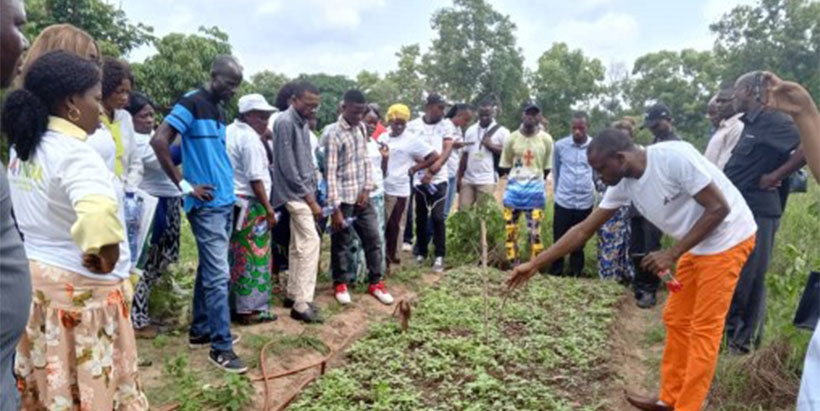
Visit of the agripreneurs to the vegetable field fertilized with the BSF frass.

After the explanations on breeding the black soldier fly, the participants visited the black soldier fly larvae production unit to follow the different rearing stages, starting with the collection of waste and ending with obtaining the fly, including the collection of eggs, pre-pupae, and pupae.

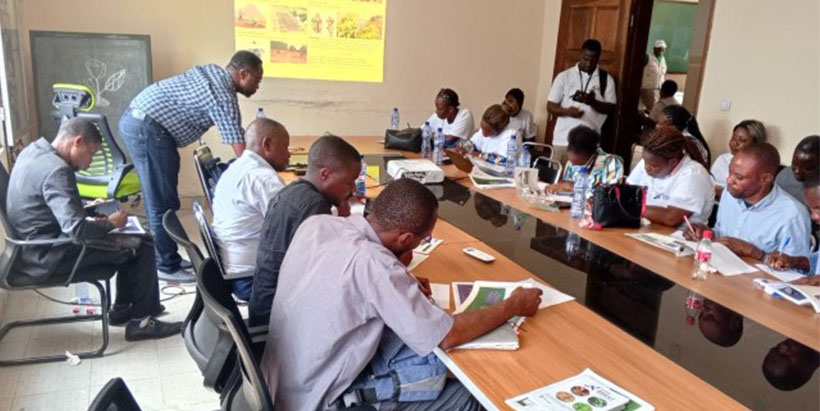
The second part of the workshop was to train the participants on using organic fertilizers from the larvae of the black soldier fly. It was mentioned that the residues obtained after the digestion of organic matter by the larvae constitute a rich fertilizer and can be used after composting as an organic amendment to fertilize crops. It was recalled that organic fertilizer makes it possible to grow healthier vegetables and reduce the ecological footprint. Participants were advised to opt for these agroecological practices to ensure sustainable management of their resources by reducing chemical inputs. The participants visited some flower beds made and fertilized with the black soldier fly larvae organic fertilizer at the University of Kinshasa.

Eight members of the IITA BBEST project beneficiaries in Kinshasa participated in this workshop to increase their knowledge. These include two members of the Agricultural Cooperative of the Center of Kimbanseke (COOPACEK), two members of the Agricultural Cooperative of the Center Maraicher of N’djili (COOPACEN), two members of the Association of Fish Farmers for Development in Congo (APIDEC) and two members of the Judith farm.

This training ended with the presentation of a certificate to each participant.

Contributed by Claude Bahati and Francisca Ocloo

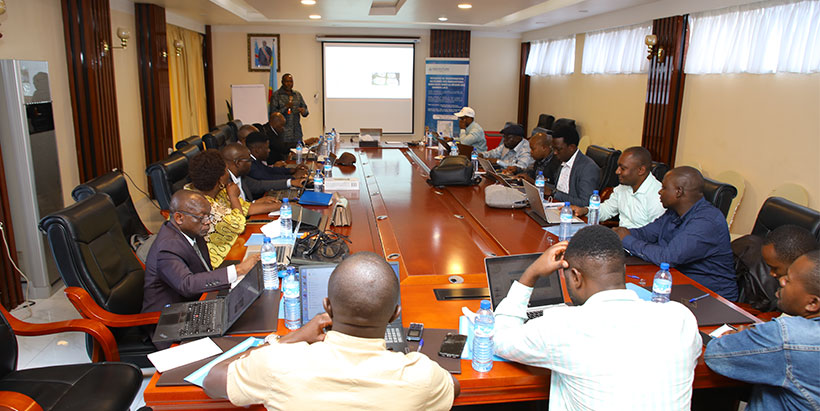
The participants of the two day evaluation workshop in South Kivu.

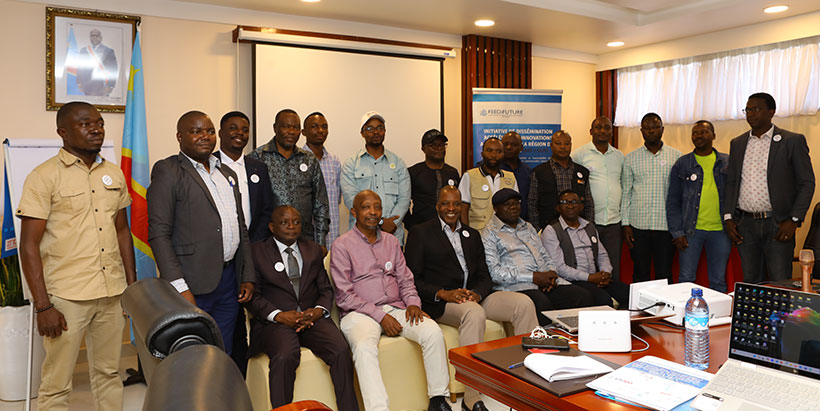
The IITA led Great Lakes Accelerated Innovation Delivery Initiative Rapid Delivery Hub (AID-I GLR) project for the dissemination of agricultural innovations in the Great Lakes region, organized a workshop with the project’s various implementing partners between 4 and 5 December 2024. The workshop held in the New Riviera Hotel in Bukavu evaluated the project’s second year of implementation, drawing lessons from activities, while learning how to improve interventions and plan activities for the first quarter of 2025.

Each partner – RIKOLTO, VSF, Support and capacity-building services for women’s self-promotion (SARCAF), SAWBO, ILRI, IRRI, and CIP – presented the various achievements accomplished during year 2024, while drawing up their work plans for the next agricultural season.

Breakout session on intersection work during the workshop.

Several technologies have been disseminated in the various villages spread over six territories in the province of South Kivu, with the aim of improving yields of food crops (cassava, banana, rice, maize, beans) and market garden crops. These technologies also promote practices such as artificial insemination, the manufacture of lick blocks, and the establishment of high-nutrition forage crops for livestock farmers.

Since inception, the USAID-funded AID-I GLR project has supported seed companies in ensuring the sufficient availability of quality seeds to farming households in South Kivu province while promoting good agronomic practices. Using the village-based agricultural advisor (VBA) approach, the advisors act as intermediaries between seed companies and farming households while passing on to farmers the   innovations learned from implementing partners to reinforce this process.

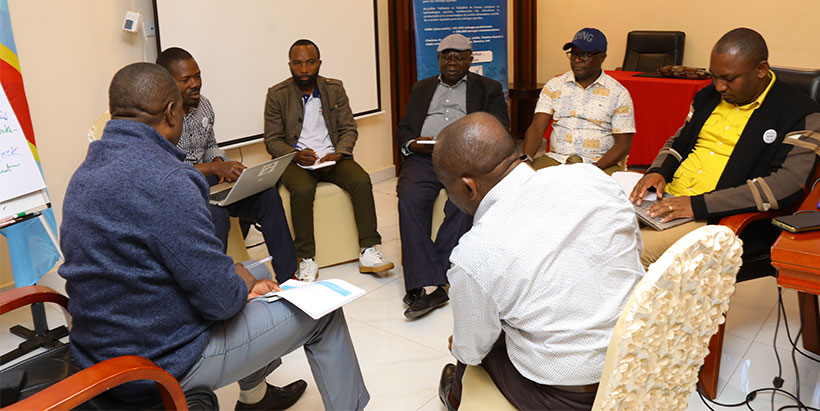
Participants discussing strategic plans for 2025 during the evaluation workshop in South Kivu.

During the workshop, Project Coordinator Dr Jacob Mignouna urged all partners present to redouble their efforts to achieve the objectives set by the project, placing particular emphasis on the quality of data submitted to the project system. Also, IITA Delivery Specialist Dr Léon Nabahungu, suggested that the implementing partners write about their success story at the end of the project.

This initiative will highlight the level of satisfaction of the beneficiaries and demonstrate the impact of the interventions on increasing the agricultural incomes of households in the Zone concerned.

Contributed by Isabelle Buhoro

The workshop participants at the opening ceremony.

The Soils4Africa initiative recently held a transformative training workshop in Luanda, Angola, between 30 September and 5 October 2024. This event, hosted by IITA and supported by the Hungarian University of Agriculture and Life Sciences, gathered researchers from across Angola to hone their soil sampling, field assessment, and agricultural land management skills to develop soil information systems.

The participants in the field.

The workshop focused on empowering local experts, particularly from Angola’s Instituto de Investigação AgronĂłmica (IIA). After three days of intensive classroom lectures, participants transitioned to a practical field experience in Catete. They applied their newly acquired skills to real-world soil assessments in the Mazozo area.

Participants collecting soil samples during the field assessment.

One of the fieldwork highlights included visiting a large

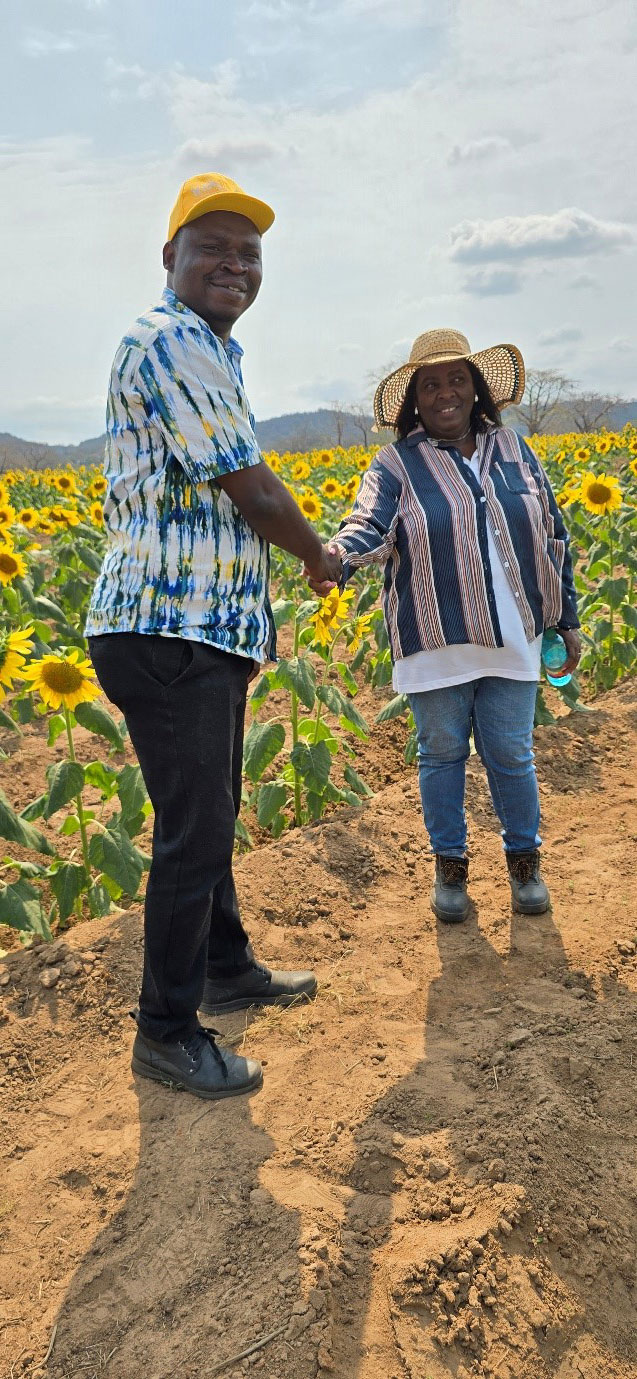
Dr Samuel Mesele with the Head of Mazozo Experimental Station on a sunflower experimental field.

irrigated sunflower field, which thrived despite challenging soil conditions characterized by low organic matter and nutrient levels. The Arenosols, known for their low fertility, provided a perfect learning ground for participants. The experience underscored the impact of agronomic best practices in transforming poor soils into productive farmland.

“This hands-on experience was incredibly valuable,” one participant noted enthusiastically. “You have introduced us to new tools that would be useful in our research, and we are grateful for this.”

The Angola training represents a key milestone for Soils4Africa, being the final session in a series of workshops across 49 African countries. This initiative is a beacon of hope, aiming to establish a robust soil information system to monitor soil quality in African agricultural land. With the support of IITA, ISRIC, and other leading organizations, Soils4Africa continues to advance soil health and agricultural sustainability in Africa.

Contributed by Samuel Mesele

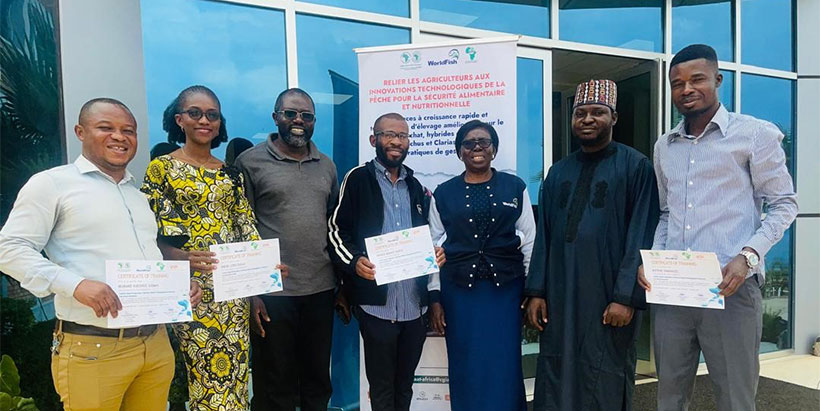
Certified participants after the catfish training at the IITA Kalambo office.

To enhance fish production and processing in the province of South Kivu, the African Development Bank (AfDB) has partnered with WorldFish to provide fish farmers and the national aquaculture service with comprehensive training in aquaculture technologies and practices in the DRC as part of the Technologies for African Agricultural Transformation (TAAT) aquaculture program. This was achieved through a series of training courses held from 4 to 17 September in the province of South Kivu.

The TAAT program, with its ambitious goals, aims to double the productivity of crops, livestock, and fish by 2025 by expanding access to productivity-enhancing technologies to more than 40 million smallholder farmers across Africa. It also seeks to generate an additional 120 million metric tons (T) of food while lifting 130 million people out of poverty.

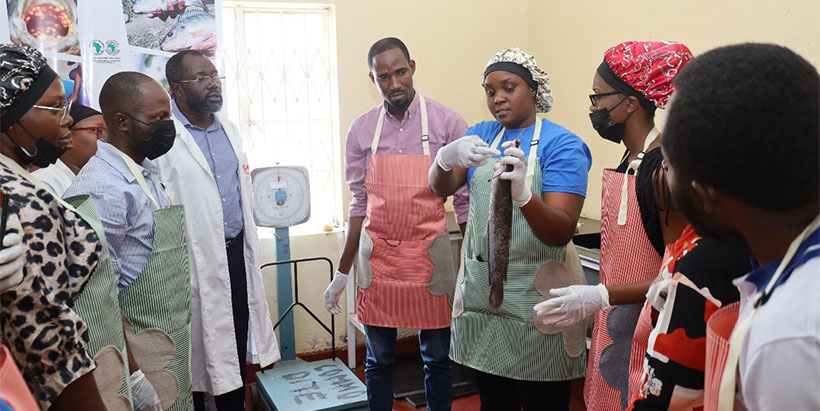
Participants in processing and value-addition training.

The TAAT program was prioritized around priority crop, livestock, and aquaculture value chains. It rolled out a “twin approach,” which involves facilitating the delivery of productivity-enhancing technologies to farmers at scale while also seeking to create an enabling environment of policies and regulations for technology adoption and functioning of input and output markets. This approach is significant as it not only provides farmers with the necessary tools but also ensures that they can effectively use these tools in a conducive environment.

TAAT’s partners and stakeholders, including the African Development Bank, WorldFish, and the national aquaculture service, work in close collaboration to ensure the accelerated dissemination of the right knowledge and technologies at an accelerated pace, demonstrating the strength of our collective efforts.

With this in mind, WorldFish and IITA organized four Training of Trainers (ToT) sessions on four topics: Catfish fingerlings production, feed fish production, post-harvest and processing, and tilapia fingerlings production.

Training on feed fish ongoing at Kashusha feed mill at Kabare territory.

The workshop’s main objectives were to assess the present status of catfish and tilapia fingerling production, including challenges and opportunities along the value chain. They also aimed to identify facilities, inputs, and capacity-building needs for hatchery management in the catfish and tilapia industry. They also extend to increasing aquaculture production and productivity by identifying and deploying quality tilapia and catfish seeds, producing low-cost fish feed, and adding value through outreach campaigns, extension, and market linkage campaigns in RMCs.

In 2018, AfDB launched TAAT as a major continent-wide initiative designed to increase agricultural productivity by rapidly delivering proven technologies to millions of farmers.

Contributed by Isabelle Buhoro

High-ranking officials from AGRA, USAID, IITA, and local administration in Rwanda visit an agrodealer in Rwamagana District, Eastern Province, Rwanda.

30 August 2024, Rwamagana District, Rwanda – The Assistant to the Administrator for the Bureau for Resilience, Environment, and Food Security (REFS) at the United States Agency for International Development (USAID) and Deputy Coordinator for Development of Feed the Future, Dina Esposito, led a delegation comprising Alliance for a Green Revolution in Africa (AGRA) President Dr Agnes Kalibata, USAID Bureau for Resilience and Food Security Chief Scientist Dr Rob Bertram, IITA Country Representative and Chief of Party of the Great Lakes Accelerated Innovation Delivery Initiative Rapid Delivery Hub (AID-I Great Lakes) Abdou (Matieyedou) Konlambigue, and Rwamagana District Mayor Mbonyumuvunyi Radjab to visit some of AID-I Great Lakes Project’s sites in Rwanda to assess firsthand the progress being made to enhance Rwanda’s seed systems.

The visitors directly engaged with scaling partners, including Emma Uwera, a seed entrepreneur and owner of I&J Harvest Ltd, and other agrodealers. They were also shown the Rwanda Agriculture and Animal Resources Development Board (RAB) seed certification processes.

Emma Uwera, standing in front (in a white top), explains her company's role in improving the availability, adoption, and sustainability of the seed system in Rwanda.
Emma Uwera, standing in front (in a white top), explains her company’s role in improving the availability, adoption, and sustainability of the seed system in Rwanda.

The visitors commended the project’s role in improving the livelihoods of smallholder farmers through access to disease-resistant, nutrient-rich seeds and scaling sustainable practices across the country.

The delegation had lively and extensive interactions with AID-I Great Lakes scaling partners across various levels, giving them on-the-ground insights into the tangible and transformative support provided by Feed the Future/USAID and the project’s profound effect on improving the livelihoods of some of Rwanda’s smallholder farmers.

Emma narrated the process of producing high-quality bean seeds and the pivotal role of AID-I Great Lakes in expanding her business to several new locations in Rwanda. This expansion has not only increased seed accessibility for farmers, but also promoted the adoption of good agronomic practices.

She works closely with RAB, acquiring early-generation seeds to produce clean seeds that are distributed to farmers through agrodealers across different districts. Recognizing the challenge of persuading agrodealers to stock bean seeds owing to low market demand and lack of subsidies, Emma has established on-site innovative show-and-tell, a proven effective marketing tool through demonstration plots near agrodealer shops. These plots showcase the superior quality and yield of the new seeds, enabling farmers to make informed purchasing decisions—knowing what to expect regarding crop performance and management, including optimizing production.

Highlighting the potential impact of these efforts, Konlambigue underscored the importance of replacing old seeds with disease-resistant varieties rich in nutrients like iron and zinc, which also promise higher yields.

The delegation also toured a seed testing laboratory jointly run by RAB and Rwanda Inspectorate, Competition and Consumer Protection Authority (RICA). Here, they saw, among others, the seed certification process and implementation of loop-mediated isothermal amplification (LAMP)—a technology for improving capacities for cassava disease diagnostics as a crucial step in the inspection and certification of early-generation seed in Rwanda.

RAB Director General Dr Telesphore Ndabamenye expressed optimism about the laboratory’s progress and acknowledged the critical role of the private sector in expediting seed testing and certification through collaboration with RAB.

At the RAB-RICA seed testing laboratory: (left to right) Dr Telesphore Ndabamenye, Director General of RAB; Dr Rob Bertram, Chief Scientist
At the RAB-RICA seed testing laboratory: (left to right) Dr Telesphore Ndabamenye, Director General of RAB; Dr Rob Bertram, Chief Scientist, USAID’s Bureau for Resilience and Food Security; Mark Cyubahiro Bagabe, PhD, Director General of RICA; Dina Esposito, Assistant to the Administrator for the Bureau for Resilience, Environment, and Food Security (REFS), USAID and Feed the Future Deputy Coordinator for Development; Fidele Nizeyimana, Seed Systems Expert, AGRA; Jessie Snaza (partially hidden), Economic Growth Deputy Office Director at USAID; Jessica Torrens-Spence, Director of the Economic Growth Office, USAID/Rwanda and Burundi; Adam Gerstenmier, Chief of Party USAID/Partnership for Inclusive Agriculture Transformation in Africa (PIATA) and Chief of Strategic Initiatives at AGRA; and Martin Niyondora, a laboratory technician explaining the seed certification process to the delegation.

Esposito praised AID-I Great Lakes collaborative efforts: “The work being done here is a model of what can be achieved through partnership and innovation. We must continue to focus on scalability, ensuring that this success is replicated beyond the project’s timeframe and made sustainable in the long run for farmers and seed entrepreneurs.”

The AID-I GLR project continues to make remarkable strides in transforming Rwanda’s seed systems. By partnering with local seed entrepreneurs and supporting agrodealers across different districts, the project has successfully enhanced the availability of improved disease-resistant seeds to smallholder farmers.