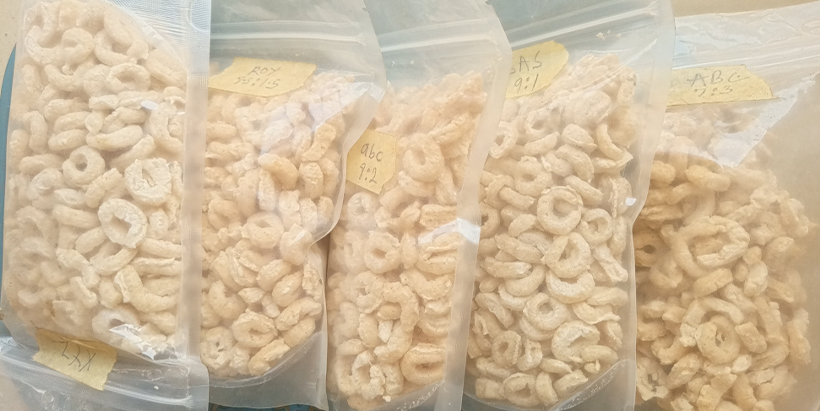
Snacks made from composite flour.

In Nigeria, long before the dominance of maize and rice, farmers cultivated a range of indigenous crops uniquely adapted to local ecologies and nutritional needs. Among these are fonio–locally known as acha in some parts of Nigeria and the winged bean, two nutrient-rich but largely underutilized crops that once played important roles in traditional food systems. Today, they are increasingly being revisited, not only as relics of agricultural heritage but also as strategic crops for addressing contemporary challenges of malnutrition, food insecurity, and climate change.

Fonio, often described as Africa’s oldest cultivated cereal, has been grown for thousands of years in countries such as Nigeria, Senegal, and Mali. Despite its deep cultural roots, where it has featured in ceremonies and seasonal diets, fonio has remained marginalized in modern agriculture, categorized as an “underutilized crop.” Yet its resilience is remarkable: the crop thrives in poor soil, matures within weeks, and requires minimal agricultural inputs, making it especially valuable amid increasingly erratic rainfall and land degradation.

Complementing fonio is the winged bean (Psophocarpus tetragonolobus), a tropical legume sometimes referred to as a “one-species supermarket” because nearly every part of the plant is edible, from its leaves and pods to its seeds and tubers. Although it thrives in humid tropical environments similar to those found in southern Nigeria, the crop remains largely underutilized and confined to small-scale cultivation. This limited uptake contrasts sharply with its extraordinary nutritional potential.

Winged bean is particularly notable for its exceptionally high protein content, with seeds containing levels comparable to soybean, often between 30 and 40 percent. Unlike most legumes, it also produces protein-rich tubers, while its leaves provide additional amino acids and micronutrients, making it a rare crop capable of delivering diverse nutritional benefits from a single plant. Rich in minerals such as calcium, iron, and potassium, and containing beneficial fats and dietary fibre, the winged bean holds significant promise for improving dietary quality, particularly in regions where access to affordable protein is limited.

The renewed interest in these crops reflects a broader shift in thinking about food systems in Nigeria and across Africa. While major staples continue to dominate production and consumption, they do not always provide the nutrient diversity required for healthy diets. At the same time, reliance on a narrow range of crops increases vulnerability to climate shocks and market disruptions. Underutilized species like fonio and winged bean offer an alternative pathway, one that combines environmental resilience and nutritional adequacy.

For Nigeria, where malnutrition and micronutrient deficiencies persist alongside a growing population, integrating such crops into everyday diets could have far-reaching impacts. Fonio provides a climate-resilient carbohydrate base enriched with essential minerals, while winged bean contributes to high-quality plant protein and additional micronutrients. Together, they exemplify the potential of indigenous crops to support more balanced, sustainable, and locally adapted food systems.

As research increasingly turns attention to “underutilized foods” to address nutrition, amongst other issues, fonio and winged bean are emerging from the back burner. This signals not only a return to traditional knowledge, but also an opportunity to reimagine the future of food, where diversity, nutrition, and resilience are central to what ends up on the plates of millions.

As part of efforts to tackle malnutrition, increase adoption of underutilized crops, and reduce dependence on imported wheat, researchers in Nigeria led by an IITACGIAR Researcher, Prof. Abdul-Rasaq Adebowale have developed a nutrient-rich puffed snack using a composite flour made from locally sourced fonio and winged bean seeds. The research study highlights how underutilized crops can be transformed into functional food products that improve diets while supporting local agrifood systems.

According to the study, research was conducted to address growing concerns over protein-energy malnutrition and micronutrient deficiencies in developing countries, where access to affordable, nutrient-dense foods remains limited. At the same time, the heavy reliance on wheat for confection production, despite its high cost and low local production, has continued to pose economic and food security challenges. The study explored a sustainable alternative using readily available yet often overlooked crops. With the introduction of composite flour derived from fonio and winged bean, which will serve as a substitute for wheat flour, end-users can access easily obtainable and inexpensive flour that is also practical and functional.

Using a structured formulation approach, the researchers produced composite flour blends from fonio and winged bean in varying proportions. These blends were processed into ready-to-eat puffed snacks through extrusion cooking, a high-temperature and short-time

method known to improve food quality and shelf stability. The process also enhances digestibility and modifies the physical and nutritional characteristics of food products.

To determine the suitability of the flour blends, the study evaluated key functional properties such as water absorption, oil absorption, bulk density, swelling capacity, and solubility. These properties are essential in understanding how flour behaves during processing and how it influences the texture and quality of the final product.

In addition, pasting properties were analyzed to assess how the blends respond to heat and moisture during cooking. The developed snack demonstrated desirable qualities in terms of texture, stability, and nutrient composition, making it a viable alternative to conventional wheat-based products.

Study findings showed that incorporating winged bean flour significantly improved the nutritional quality of the snacks. The resulting products from an optimal blend of the flours (70:30 fonio:winged bean) contained higher levels of protein, dietary fiber, and essential minerals such as calcium, iron, and magnesium, offering a balance between functional performance and nutritional value. These nutrients are critical for growth, immune function, and overall health, particularly in populations at risk of undernutrition.

Assessing the presence of anti-nutritional factors, including phytates, tannins, and trypsin inhibitors, the study showed that while these compounds were present, their levels remained within safe consumption limits. Notably, the extrusion process helped reduce these components, thereby improving nutrient availability and product safety.

In a country like Nigeria, where malnutrition persists alongside rising food imports and increasing climate pressure, diversifying what is consumed is no longer optional. Underutilized crops offer a practical, locally grounded solution to these intersecting challenges.

By bringing crops such as fonio and winged bean back into mainstream production and consumption, Nigeria has an opportunity to strengthen nutrition from the ground up. These crops provide what many dominant staples lack: dense micronutrients, high-quality plant protein, and resilience to harsh growing conditions. They are well-suited to smallholder

farmers, adaptable to local food cultures, and capable of contributing to healthier, more balanced diets without placing additional strain on land and water resources.

However, unlocking their full potential will require deliberate action. Increased research investment, improved seed systems, value addition, and greater visibility in public nutrition programs are critical steps. Equally important is changing perceptions, so that underutilized crops like fonio and winged bean are no longer seen as “poor people’s food,” but as smart, nutritious choices for a food-secure future.

As climate change, population growth, and nutritional deficiencies continue to reshape the global food landscape; solutions will not come solely from new technologies or imported staples. Many already exist in farmers’ fields and everyday kitchens. Fonio and winged bean remind us that the path to food security may lie, in part, in valuing and investing in the crops we have long overlooked, transforming underutilized resources into powerful tools for nourishment, resilience, and sustainable development.

Contributed by Christabel Ediri and ‘Timilehin Osunde
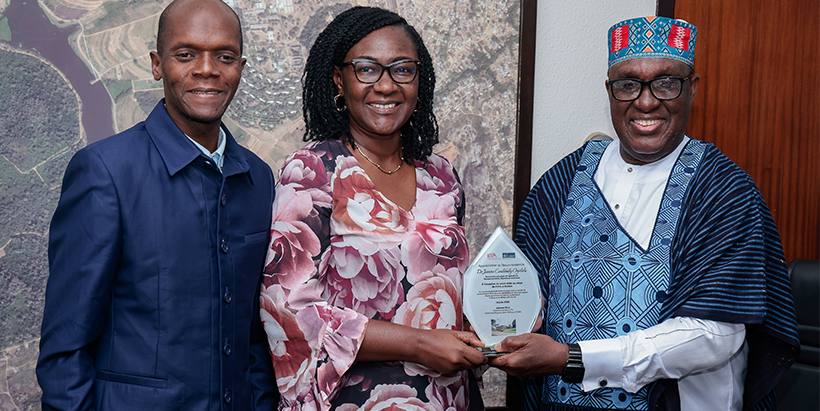
 Dr Simeon Ehui with Dr Mamady Diawara, IRAG Director General, and Jeanne Coulibaly Oyolola.
Dr Simeon Ehui with Dr Mamady Diawara, IRAG Director General, and Jeanne Coulibaly Oyolola.

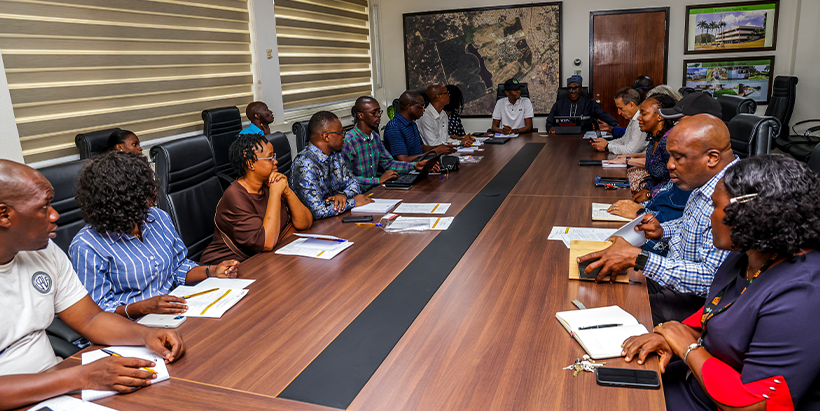
A delegation from Guinea Conakry, in collaboration with the World Bank, paid a high-level working visit to IITACGIAR from 17 to 19 June. The engagement aimed to strengthen cooperation in agricultural research, seed system development, and the innovation-driven transformation of Guinea’s agricultural sector.

The mission formed part of broader efforts to reposition agriculture as a key driver of economic growth in Guinea by improving productivity, strengthening research systems, and building stronger partnerships with international institutions. Discussions focused on scaling improved seed systems, expanding digital agriculture tools, and ensuring that research outputs are effectively translated into real farming solutions.

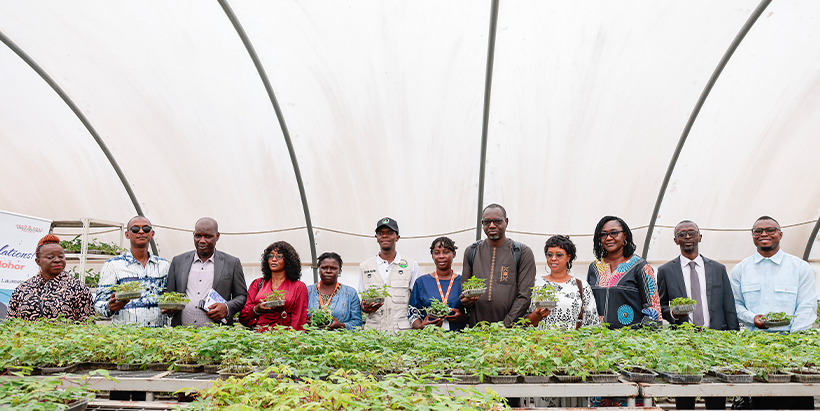
During the visit, the delegation interacted with IITA experts and toured several research and innovation facilities. They were exposed to advanced breeding platforms, seed multiplication systems, biotechnology applications, soil health tools, and digital technologies supporting modern agriculture across Africa.

A major part of the mission involved technical exchanges with Jeanne Coulibaly Oyolola, Agriculture Economist at the World Bank, and Dr Mamady Diawara, Director General of IRAG (Institut de Recherche Agronomique de Guinée – Institute of Agronomic Research of Guinea). Their contributions highlighted both the challenges and opportunities in Guinea’s agricultural development agenda.

The IITA Management team with the Guinea delegation during discussions.

Oyolola explained that Guinea’s agriculture is constrained by low productivity, especially in rice and maize, as well as declining soil fertility and low fertilizer use. She also pointed to weak irrigation systems, underdeveloped laboratory infrastructure, and limited post-harvest handling capacity. Beyond technical issues, she stressed structural challenges such as limited financing and low participation of youth and women in agriculture.

She noted IITA’s strong integrated approach, which connects research with processing, entrepreneurship, and market systems. She highlighted soil fertility mapping, cassava processing innovations, and youth agribusiness programs. “Coming here, I am particularly impressed to see IITA’s intervention at every level of the agricultural value chain and beyond production,” she said during her interview.

She also referenced the World Bank’s AgriConnect initiative, which supports market access, job creation, and food system resilience, and serves as a key platform supporting collaboration.

Dr Diawara explained IRAG’s role as Guinea’s national agricultural research institute, responsible for developing and releasing improved varieties of rice, maize, cassava, cotton, and other key crops. He highlighted progress in seed development and ongoing efforts to modernize research infrastructure and strengthen institutional capacity.

He emphasized IITA’s key contributions in cassava improvement, rice breeding, soil mapping, and biotechnology solutions. Particular interest was given to aflatoxin control in maize, soybean inoculation technology—Nodumax, which improves yields, and cassava multiplication systems that rapidly produce clean planting materials while reducing disease spread.

He also stressed the need to strengthen seed systems through seed banks, genetic conservation, and digital traceability tools such as Seed Tracker. Additional priorities included plant health management, laboratory upgrades, improved soil analysis, and reduced post-harvest losses, alongside biofortification efforts such as vitamin A-enriched maize. “Another thing that we noticed during this mission, which will probably strengthen our partnership, is the support of farmers as well as the support of young entrepreneurs in the agricultural field.” He added.

Both sides agreed on the importance of youth and women empowerment through agribusiness incubation, skills development, and advisory support. Digital agriculture tools, such as AI-driven advisory systems and integrated data platforms, were also highlighted as key to modernizing extension services and improving decision-making.

The Guinea delegation during a visit to the cassava SAH screen house.

The mission further emphasized the need to upgrade research infrastructure, including laboratories, mechanization systems, and biotechnology facilities, while strengthening scientific exchange between Guinea and IITA for long-term capacity-building.

A shared priority was the development of a clear implementation framework with short-, medium-, and long-term actions, supported by measurable indicators to track progress and ensure accountability.

To express their gratitude to the Director General, Dr Simeon Ehui, and IITA, the delegation presented an award and indigenous traditional attire from different regions in Guinea.

The visit ended with a renewed commitment from both sides to strengthen collaboration and drive agricultural transformation in Guinea through innovation, stronger institutions, and sustainable partnerships that improve food security, productivity, and rural livelihoods.

Contributed by Tolulope Akinola

Landmark decision recognizes non-GMO status of gene-edited banana events

A major milestone for agricultural innovation in Africa has been reached following a landmark decision by Kenya’s National Biosafety Authority (NBA), which confirmed that gene-edited banana events developed by IITA in Kenya are not classified as genetically modified organisms (GMOs).

Kenya Clears Path for Field Trials of Gene-Edited Banana
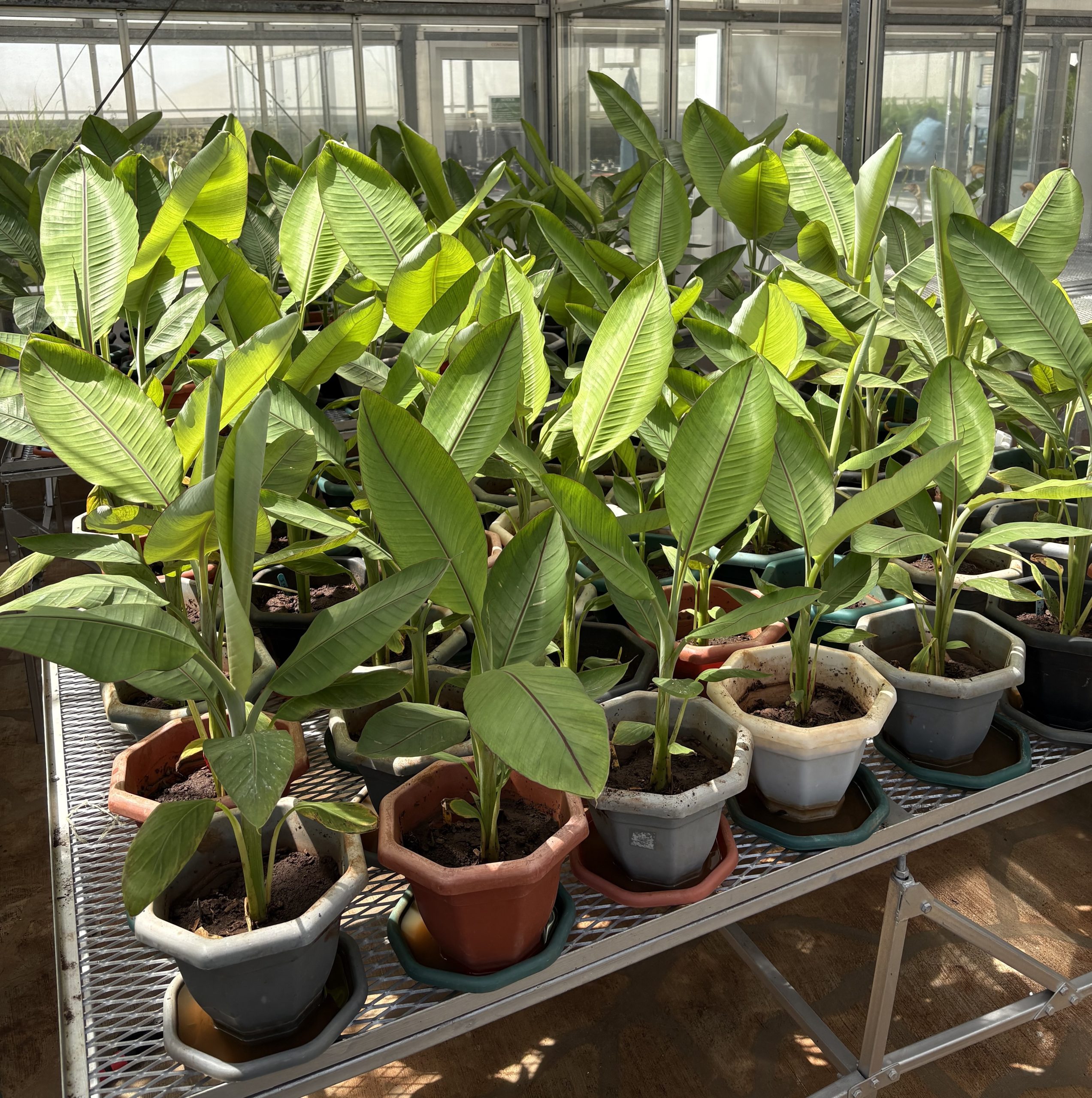
Gene-edited banana plants in the greenhouse. (Photo credits: Dr Jaindra Tripathi).

The decision, announced on 12 May 2026 in Nairobi, Kenya, recognizes that the improved banana lines do not contain foreign genetic material. As a result, the gene-edited bananas can proceed through conventional research pathways, creating new opportunities for the application of modern breeding technologies in agriculture.

Following this determination, the NBA approved field trials for the improved banana lines developed to combat Banana Xanthomonas Wilt (BXW), a devastating disease that continues to threaten banana production and farmers’ livelihoods across East Africa. The new gene-edited bananas are designed to resist the disease while maintaining strong growth and yield performance.

The field trials will be conducted by IITA in partnership with the Kenya Agricultural and Livestock Research Organization (KALRO), focusing on assessing the bananas’ agronomic performance and resistance to BXW under field conditions.

Describing the development as a major breakthrough for agricultural innovation, Dr Leena Tripathi, Eastern Africa Hub Director and Principal Investigator leading the research, emphasized the importance of science-based regulation in enabling practical solutions for farmers.

“This is a major step forward not just for banana research, but for agricultural innovation,” she said. “It shows that science-based, proportionate regulation can enable the development of practical solutions for farmers.”

The decision reflects Kenya’s commitment to fostering a science-driven and enabling regulatory environment. By distinguishing gene-edited crops without foreign DNA from traditional GMOs, the country continues to support innovation while maintaining strong biosafety oversight.

With approval now secured, the research moves from the laboratory to the field. The trials, strictly for research, will generate critical data on how the improved bananas perform under real farming conditions.

“The opportunity to evaluate these bananas in the field is a critical step,” Dr Tripathi noted. “Our goal is to develop improved crop varieties that farmers can rely on—helping to boost production and strengthen resilience.”

For farmers across the region, the stakes are high. BXW remains one of the most destructive banana diseases, with limited long-term control options. The development of resistant varieties offers a promising and sustainable solution to improve productivity and protect livelihoods.

Beyond bananas, this milestone signals growing confidence in gene editing technologies as practical tools for crop improvement in Africa. The decision could help accelerate the development of more resilient crops and contribute to significantly strengthening food security across the continent.

Kenya Clears Path for Field Trials of Gene-Edited Banana

About IITA

The International Institute of Tropical Agriculture (IITA) is a not-for-profit institution dedicated to generating agricultural innovations to address Africa’s most pressing challenges of hunger, malnutrition, poverty, and natural resource degradation. Working with various partners across sub-Saharan Africa, IITA improves livelihoods, enhances food and nutrition security, increases employment, and preserves natural resource integrity. IITA is a member of CGIAR, a global agriculture research partnership for a food and nutrition secure future.

Media Contact

Dr Leena Tripathi
Eastern Africa Hub Director/ Biotechnology Program Lead
International Institute of Tropical Agriculture (IITA)
Email: l.tripathi@cgiar.org
Website: www.iita.org / genomeengineering.iita.org

Rose Harriet Okech
Communication Associate
International Institute of Tropical Agriculture (IITA)
Email: r.okech@cgiar.org
Website: www.iita.org / genomeengineering.iita.org

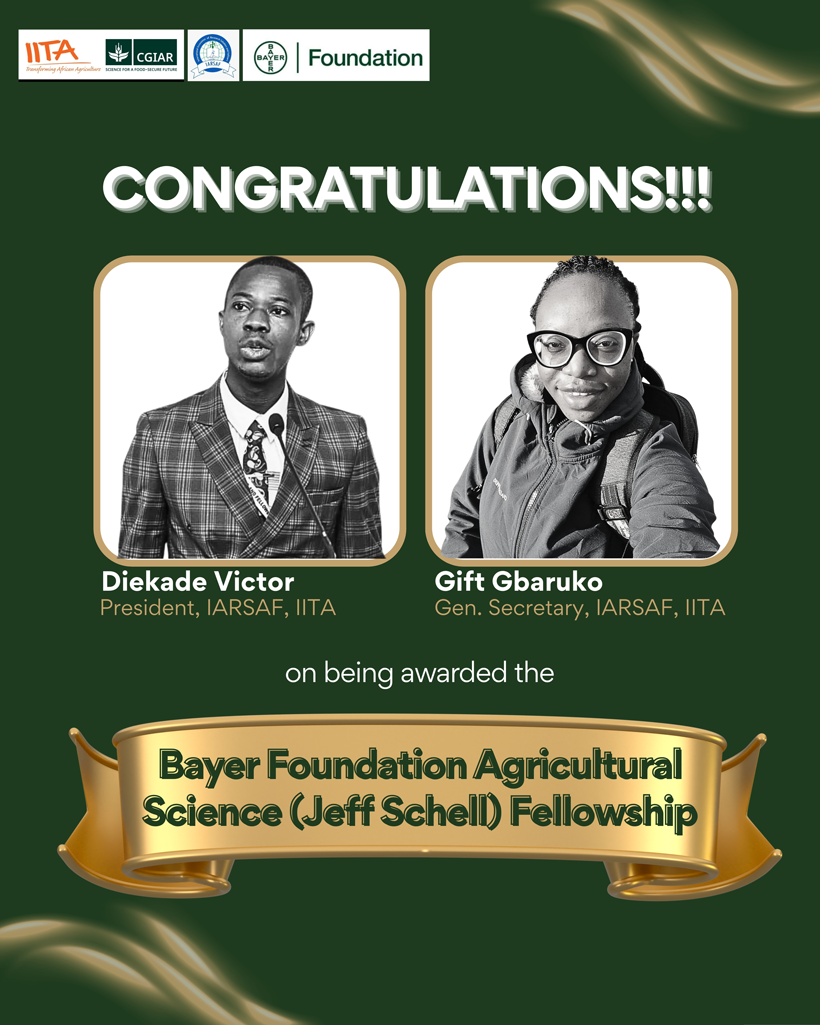
Two members of the International Association of Research Scholars and Fellows (IARSAF) have been selected as recipients of the 2025 Bayer Foundation Scientific Fellowship under the Jeff Schell Fellowship for Agricultural Science.

The fellowship will give the recipients, Victor Adelodun Diekade, IARSAF President, and Gift Chinonye Gbaruko, IARSAF General Secretary, the opportunity to increase the impact of their research while building a network that will support their research career.

Awarded by the Bayer Foundation, the fellowship is a globally recognized program that supports early-career researchers committed to developing innovative solutions in agricultural science. It highlights excellence in research and the potential of young scientists to contribute to sustainable agricultural development worldwide.

The selection of IARSAF’s members reflects the association’s outstanding contributions to agricultural research, scientific leadership, and dedication to advancing knowledge that addresses pressing challenges in food security and sustainable agriculture.

The awardees’ selection also demonstrates the importance of nurturing emerging scientific talent and fostering international collaboration in agricultural research.

Contributed by Ayooluwa Samuel Ayoola

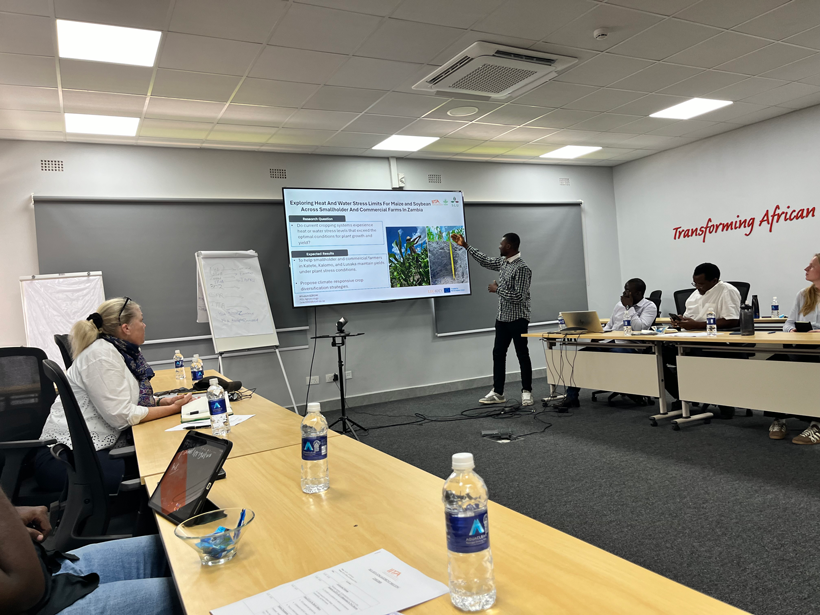
Wisdom Ezechi, A SLU student presents part of his  research  during the engagement meeting.
Wisdom Ezechi, A SLU student presents part of his research during the engagement meeting.

As climate variability, food insecurity, and data gaps increasingly challenge agricultural systems, building a new generation of skilled scientists has become critical for the future of food production in Zambia and beyond.

Young scientists from Zambia and partner institutions are gaining hands-on experience in climate-smart agricultural research through a collaborative initiative involving the Swedish University of Agricultural Sciences (SLU), IITACGIAR, and the University of Zambia.

Under the EU-funded LEG4DEV program, students are actively involved in field-based research on sustainable legume–cereal systems, applying both high- and low-tech data collection methods in real farming environments.

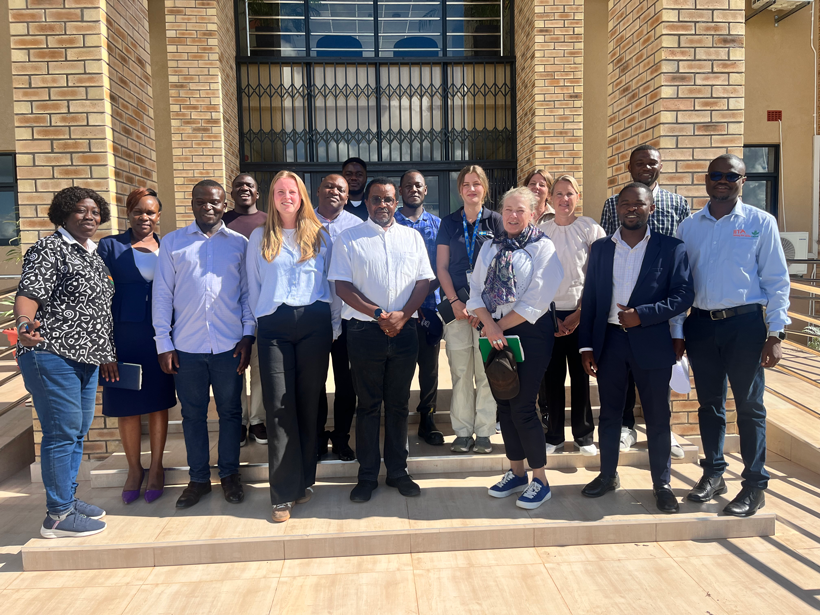
Participants from SLU, IITA, the University of Zambia, and partner institutions during the engagement meeting at the IITA Southern Africa Hub.

The initiative focuses on building practical research capacity beyond the classroom, equipping students with skills to address challenges such as climate variability, data scarcity, and sustainable food production. By working directly with researchers and farmers, students gain exposure to applied research approaches that strengthen Zambia’s agricultural research ecosystem and prepare them to contribute to climate-resilient food systems.

An engagement meeting between the Swedish University of Agricultural Sciences (SLU), IITA–Zambia, the University of Zambia, and stakeholders from the Embassy of Sweden in Zambia and the Zambia Statistics Agency (ZamStats) on 23 February 2026 demonstrated the value of partnerships in nurturing the next generation of agricultural scientists and ensuring capacity remains rooted in local contexts while benefiting from global expertise.

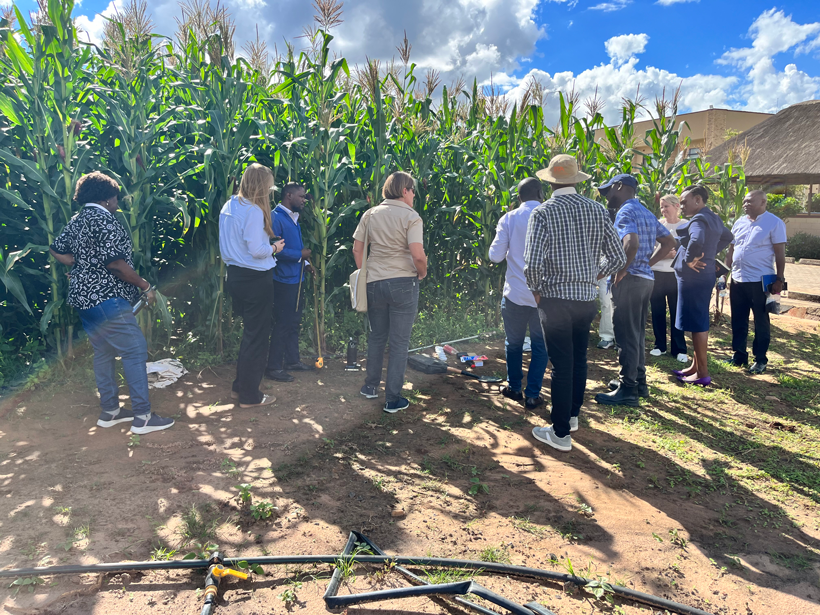
Students, researchers, and partners during a field demonstration at the IITA Southern Africa Hub, showcasing hands-on data collection under the LEG4DEV program.

Speaking during the meeting, SLU’s Prof. Jennie Barron said the engagement highlighted two critical priorities: building capacity among young scientists and strengthening the collection of reliable, ground-level data to support sustainable food systems under increasing climate variability.

“Changing weather patterns, emerging pests and diseases, and environmental pressures continue to affect both small- and large-scale farming and food and nutrition outcomes. While tools such as artificial intelligence, remote sensing, and modelling offer significant potential, their effectiveness depends on the availability of open, accessible, and representative field data.”

Prof. Barron added that strengthening data collection in data-limited environments remains critical, and that demonstrations by SLU and UNZA students, in collaboration with IITA, illustrated how improved tools and sensors are helping researchers generate the evidence needed to inform climate-resilient agricultural production and evidence-based policy.

“Open, accessible, and representative data of production and food systems will be the foundation for evidence-based policy and climate-resilient agricultural production going forward,” she said.

IITA–Southern Africa Hub Director Dr David Chikoye said the engagement marked the beginning of a broader conversation on how individual stakeholder efforts can be better aligned at the practical level to contribute to a shared vision for sustainable, climate-resilient food systems.

He added that the discussions highlighted the value of collaboration across institutions, opening opportunities to strengthen existing partnerships and explore new ones, including with national institutions such as ZamStats, which plays a critical role in strengthening data generation, management, and use.

“We look forward to continuing this dialogue and identifying practical ways in which our institutions can work together to scale impact, strengthen evidence-based decision-making, and ensure that our collective investments translate into tangible benefits for farmers, researchers, and food systems,” Dr Chikoye said.

Meanwhile, a representative from the Embassy of Sweden in Zambia, Paula Engwall, said the visit provided valuable insight into ongoing cooperation between Swedish and Zambian partners and its contribution to more sustainable, climate-smart agriculture.

She noted that IITA’s work aligns well with the Swedish International Development Cooperation Agency’s (SIDA) global and Zambian priorities, particularly its engagement with youth in agribusiness.

“For the Swedish Embassy, it is valuable to gain insight into both the needs and opportunities within this space, and to explore potential synergies that could be further developed, including possible collaboration between IITA and ZamStats. Overall, the exchange was very constructive and reinforced the importance of strong partnerships in delivering shared benefits. We look forward to seeing how IITA’s collaboration with SLU and other relevant actors continues to evolve.”

The engagement meeting also included a field demonstration, during which students showcased how measurements such as soil conditions, crop performance, and environmental observations are collected and linked to digital tools to support analysis and decision-making.

Emmanuel Ngonga, a PhD student in soil science at SLU, said the hands-on fieldwork helped him understand how data collected on the ground feeds into broader research and decision-making processes, giving him practical skills to carry into his work.

Through the LEG4DEV program, the collaboration between IITA and SLU is strengthening young scientists’ skills and laying the foundation for a more resilient and sustainable agricultural future.

Contributed by Rachel Namukolo-Nali

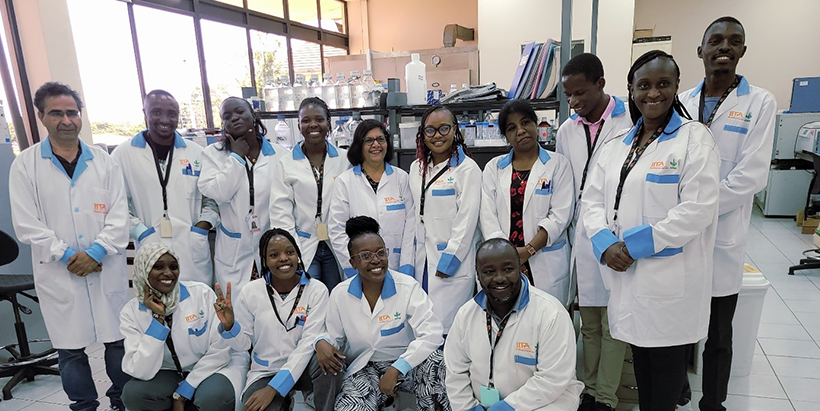
IITA genome editing team members pose for a photo in the lab.

Every year on the International Day of Women and Girls in Science, the global scientific community reflects on a persistent challenge: women remain underrepresented across STEM fields. According to UNESCO, women make up only about 33% of researchers globally, with even lower representation in advanced scientific leadership and frontier technologies such as biotechnology and genome engineering. Building on the 2024 UNESCO Call to Action, “Closing the gender gap in science,” and the 2025 global campaign, “Imagine a world with more women in science,” the 2026 International Day of Women and Girls in Science marks a critical shift. The focus moves beyond recommendations and reflection to showcasing concrete, working solutions that are already shaping more inclusive technology, engineering, and mathematics (STEM) ecosystems.

The IITA Biotechnology Program stands as one such example. With women comprising 60% of the biotechnology team, and through sustained investments in capacity building, mentorship, and career progression, the program demonstrates how intentional institutional practices can translate global commitments into measurable impact. By training, mentoring, and retaining women scientists across the career pipeline, IITA’s Biotechnology Program is actively contributing to the realization of a more equitable and representative scientific community, from pre-PhD exposure to postdoctoral research and leadership development.

Our biotech program views capacity building not only as a technical exercise but as a powerful mechanism for closing gender gaps in science. Through structured on-job training, doctoral research support, hands-on laboratory mentorship, and continuous professional development, women scientists are equipped with cutting-edge skills in genetic transformation, genome editing, molecular biology, and biosafety stewardship.

Dr Syombua in the lab during her PhD, presenting at a conference as an Associate Scientist

Beyond technical skills, mentorship plays a central role. Early-career scientists are supported through close supervision, peer learning, exposure to international collaborations, and opportunities to lead experiments, publish research, and represent science on global platforms. This holistic approach ensures that women are not only trained, but retained, visible, and empowered within the scientific ecosystem.

Speaking to Dr Leena Tripathi, IITA Eastern Africa Hub Director and Lead of the Biotechnology Program, on her guiding star on this issue, this was her rhetoric:

“As a scientist and mentor, one of my greatest motivations is to see women progress from trainees to confident, independent researchers. At IITA, we are deliberate about nurturing talent, especially among young women, because representation matters. Building scientific capacity goes beyond the skills; it’s about belief, mentorship, and opening doors that were once closed.”

The journey of Dr Easter Syombua illustrates how this approach translates into real impact. She first served as a research assistant in Dr Tripathi’s group at IITA’s biotech program for 2 years, where she built a strong foundation in laboratory techniques, experimental design, and critical thinking. Encouraged by mentorship and belief in her potential, she transitioned to a PhD under Dr Tripathi’s NRF-funded project, focusing on yam genome editing, one of the pioneering gene-editing efforts in Africa.

Reflecting on her experience, she notes that she learned an enduring lesson: innovation in science must ultimately serve the farmer. That project ignited her long-term commitment to genome editing as a tool for transformative, farmer-centered solutions and shaped her aspiration to work within impact-oriented research organizations. Today, as an Associate Scientist at CIMMYT and a former Norman Borlaug Fellow mentor during her postdoctoral training, she represents the continuity of mentorship, having benefited from strong guidance and now investing in the next generation of scientists.

Stories like hers are not isolated. They reflect a broader system that gives women access, trust, and opportunity, allowing talent to flourish regardless of gender.

As the world calls for more inclusive science systems, the IITA Biotechnology Program stands as a practical example of how institutions can move beyond rhetoric to results. We are actively contributing to narrowing the gender gap in agricultural biotechnology, one of the most critical fields for food security, climate resilience, and sustainable development.

Contributed by Rose Harriet Okech


IITA, CIMMYT, and ICRISAT representatives pose for a photo with the NNF Board Vice Chair and his team.

IITACGIAR recently hosted the Vice Chair (VC) of the Novo Nordisk Foundation (NNF) board, Lars Munch, during a strategic visit to the CGIAR in Kenya to strengthen engagement on science, innovation, and agricultural research for development. The visit provided an opportunity to showcase IITA’s research capabilities and to highlight the role of advanced biotechnology in addressing key agricultural challenges in Africa.

Led by IITA’s Deputy Director General for Research for Development (DDG-R4D), Dr Bernard Vanlauwe, and the Director of the IITA Eastern Africa Hub, Dr Leena Tripathi, the VC toured IITA’s research facilities, including the biotechnology laboratories and glasshouses, where ongoing genome-editing work was presented.

Dr Bernard Vanlauwe and the NNF Board Vice Chair, Lars Munch interacting with a PhD student in the gene editing lab.

Discussions focused on IITA’s contributions to disease resistance, climate resilience, and productivity enhancement, as well as the importance of research infrastructure and capacity strengthening in delivering sustainable impact.

The engagement also brought together representatives from CIMMYT and ICRISAT, who presented overviews of their respective NNF-funded projects and shared perspectives on emerging opportunities and future collaboration within the Foundation’s portfolio.

Dr Jaindra Tripathi showcasing banana cell cultures during a visit to IITA’s gene-editing lab.

Reflecting on the visit, Lars noted, “It is inspiring to see how advanced science and practical innovation are being applied to address real agricultural challenges. IITA’s work demonstrates how research excellence, partnerships, and capacity building can translate into meaningful impact for farmers and food systems.”

IITA’s DDG-R4D, Dr Vanlauwe emphasized the value of strategic partnerships, stating, “This visit reflects the importance of building strong relationships with global partners who share our commitment to science-driven development. Collaboration is essential to advancing innovative solutions that are locally relevant and globally significant.”

Dr Tripathi, on the other hand, highlighted the institutional significance of the engagement, adding, “Hosting the Novo Nordisk Foundation Board Vice Chair at our labs is an absolute honor. It reinforces our role as a regional platform for science, innovation, and partnership, and our commitment to translating research into impact.”

The visit created a valuable platform for dialogue on science-led development, strategic investment in innovation, and opportunities for future collaboration, reinforcing the importance of partnerships in improving livelihoods across Africa.

Contributed by Rose Harriet Okech

The African Development Bank (AfDB) has approved the commencement of Phase III of the Technologies for African Agricultural Transformation (TAAT) program. The Bank Group’s Board of Directors on 14 January 2026 approved the release of an additional US$16 million to implement the third phase of the program.

This approval, which comes as an added boost to the program, underscores the Bank’s core commitment to addressing the critical challenges hindering African agriculture, notably low productivity stemming from limited access to modern technologies, inadequate infrastructure, and insufficient investment in climate-resilient practices. The Bank further contends that the urgency driving this approval is amplified by the ongoing Russia-Ukraine conflict, which has disrupted global supply chains and driven up the prices of essential inputs, such as seeds and fertilizers.

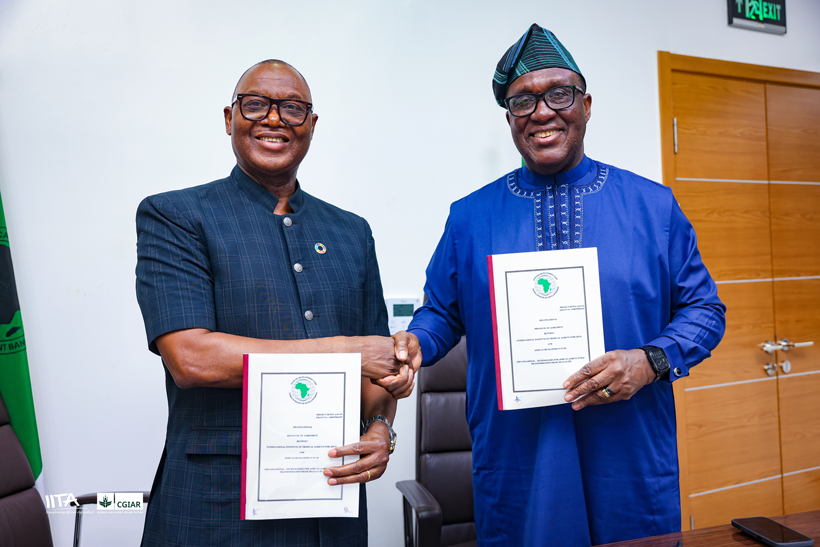
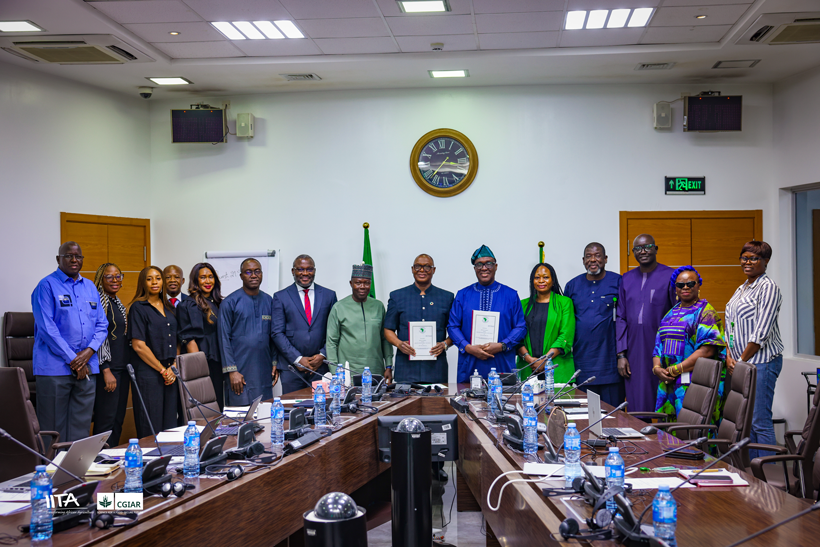
At the 18 February 2026 signing of the protocol of agreement between the Bank and the International Institute of Tropical Agriculture (IITA)—the executing agency for TAAT,  the Bank lauded the giant strides recorded under the first and second phases of TAAT which have galvanized engagements that influenced a total of US$3.18 billion in agricultural investments—US$857.5 million through the African Emergency Food Production Facility (AEFPF) large-scale operations and US$2.31 billion through non-AEFPF projects.

Speaking at the ceremony, the Bank’s Director for Nigeria, Dr. Abdul Kamara, said:
“TAAT III reflects the Bank’s commitment to ensuring that proven, climate‑resilient technologies reach farmers faster and at scale. This new phase strengthens the systems that deliver innovation, helping countries boost productivity, enhance resilience, and align agricultural transformation efforts with the Bank’s Four Cardinal Points.”

Dr Martin Fregene, the Officer in Charge of the Bank’s Vice Presidency for Agriculture, Human and Social Development, affirmed that TAAT I and TAAT II have laid the foundational groundwork to address the challenges facing African agriculture by vetting technologies, accelerating the adoption and scaling of proven agricultural technologies, promoting climate-resilient agricultural practices, building capacities within the farming’ and seed ecosystem, and developing e-platforms to facilitate access to technologies, primarily for smallholder farmers.

“Through technical assistance and collaboration with Regional Member Countries (RMCs) of the Bank and development partners, TAAT has supported the integration of 238 technology use cases into 46 countries and regional investment projects spanning 31 countries,” Dr Fregene said.

“The Bank is well positioned to harness the power of science, knowledge, and innovation needed to catalyze Africa’s agricultural transformation through this investment. The Bank already has extensive experience in agricultural development assistance in Africa, and this additional funding will help us to consolidate the achievements of TAATs I and II,” Dr Abdul Kamara, the Bank’s Director General for Nigeria, added.

The IITA Director General and CGIAR’s Regional Director for Continental Africa, Dr Simeon Ehui, in his remarks at the signing ceremony, commended the Bank’s commitment to transforming African agriculture through its Feed Africa strategy as well as the trust placed in the CGIAR-driven consortium of agricultural research institutions led by IITA to implement the goal of transforming African agriculture and ensuring food and nutritional security.

Dr Ehui assured the Bank of TAAT’s unwavering commitment to deepening its pathway of providing technical assistance, strengthening seed systems, disseminating climate-smart and high-yielding crop varieties, promoting post-harvest and mechanisation innovations, providing knowledge and ensuring learning and uptake of innovations, and supporting policy and digital solutions to enhance agricultural productivity and resilience across Africa.

“These efforts,” according to Dr Ehui, “have led to productivity increases of up to 69% across targeted crops, reaching over 25 million farmers. Additionally, under the implementation of the AEFPF, TAAT has provided technical assistance to RMCs, including technical specifications for the supply and quality assurance of certified seeds. This assistance has enabled the distribution of 476,747.96 metric tons of improved, climate-resilient seeds to 14.437 million smallholder farmers.”

“This third phase of the program will achieve sustainability through the institutionalization of the TAAT model within CGIAR and fostering regional cooperation among Regional Economic Communities (RECs) and private sector actors, supporting the Dakar 2 vision of achieving food sovereignty, increased productivity, and resilient food systems across Africa and contributing directly to the Sustainable Development Goals 1, 2, 13, & 15 (No Poverty; Zero Hunger; Climate Action; and Life on Land), and the African Union’s Agenda 2063 vision for a prosperous Africa based on inclusive growth and sustainable development,” Dr Ehui added.

The Bank affirms that TAAT III’s objective is to consolidate and scale TAAT I and II achievements, while strengthening their operational and financial sustainability. TAAT III will strengthen the regional technology delivery infrastructure by supporting National Agricultural Research Systems (NARS) and private seed companies to sustainably increase the production and availability of early-generation (EGS) and certified high-yielding, climate-resilient seeds, respectively.

The third phase of the program will equally promote the digitalization of TAAT-vetted technologies and the development of information and communication technology (ICT) platforms and other digital solutions to facilitate the deployment and accessibility of appropriate agricultural technologies, E-extension, and advisory services. To further scale TAAT technology deployment, TAAT III will support the development of the Regional Technology Market, enhancing technology deployment and accessibility across borders.

TAAT, in this third phase, will deploy its extensive partnership ecosystem to drive capacity-building initiatives for agricultural extensionists (Training of Trainers, ToT) and farmers, enhancing smallholder farmers’ awareness, access, and adoption of agricultural technologies and e-advisory services. To catalyze the financial sustainability of the TAAT technology delivery ecosystem, TAAT III will provide technical assistance to RMCs to attract private-sector investment and mainstream TAAT-vetted technologies into national and large-scale agricultural investment projects.

To enhance farmer resilience, TAAT III will build the capacities of meteorological institutions and frontline extension workers to collect, analyze, and disseminate climate data to improve weather forecasts and early warning systems, and expand the integration of weather forecasts into the planning of agricultural activities at the smallholder farmer level.

With the signing of the TAAT Phase III grant agreement, the African Development Bank envisions a continent accelerating agricultural transformation for food systems resilience through strengthened regional technology delivery infrastructure; increased productivity through scaling up climate-resilient and nutrition-sensitive technologies and reinforced, efficient production and distribution systems for improved seeds and fertilizers; enhanced farmers’ capacity and learning, and resilience to climate change; and advanced adoption of innovative digital solutions and enhanced market integration and regional trade competitiveness through strategic private sector participation.


About the African Development Bank Group

The African Development Bank Group (AfDB) is Africa’s premier development finance institution. It comprises three distinct entities: the African Development Bank (AfDB), the African Development Fund (ADF) and the Nigeria Trust Fund (NTF). On the ground in 44 African countries with an external office in Japan, the AfDB contributes to the economic development and the social progress of its 54 regional member states.

About IITA

The International Institute of Tropical Agriculture (IITA) is a non-profit research-for-development organization that works across Africa to improve food security, increase agricultural productivity, create employment and wealth, and enhance the resilience of natural resources. Founded in 1967 and headquartered in Ibadan, Nigeria, IITA is a member of CGIAR, the global research partnership for a food-secure future. Through research, partnerships, and innovations, IITA addresses the challenges of hunger, malnutrition, poverty, and natural resource degradation, contributing to achieving the United Nations Sustainable Development Goals (SDGs).

About TAAT

Established in 2018 as a key flagship program of the Bank’s Feed Africa strategy, TAAT is a continent-wide initiative designed to boost agricultural productivity by rapidly delivering proven technologies to millions of farmers. Implemented by IITA and a host of other CGIAR centers and Technical Institutions, TAAT facilitates food systems transformation in Africa by providing access to path-breaking agricultural innovations, policy harmonization, and robust seed systems. TAAT seeks to double crop, livestock, and fish productivity by expanding access to productivity-increasing technologies to more than 40 million smallholder farmers across Africa and generate an additional 120 million metric tons.


Contacts:

AfDB: Nkiruka-Henrietta Ugoh
n.ugoh@afdb.org

TAAT: Atayi Opaluwah
A.Opaluwah@cgiar.org

IITA: Katherine Lopez
K.Lopez@cgiar.org