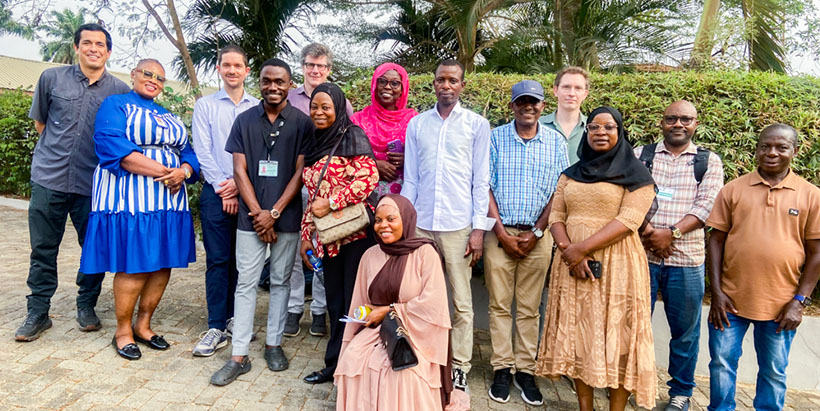
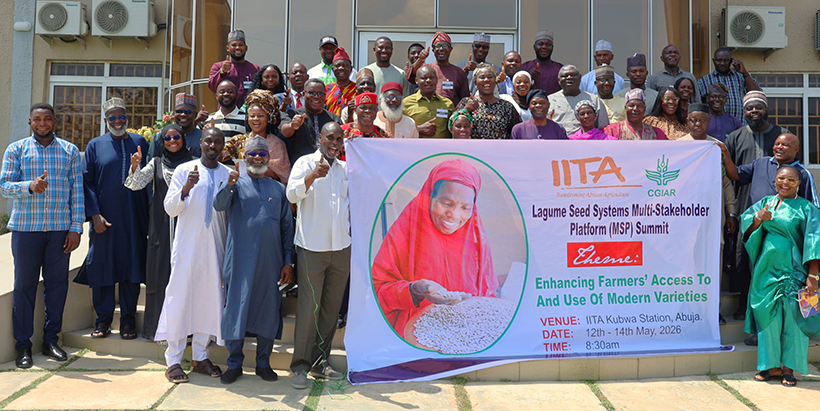
Participants after the Seed Systems Summit at IITA Abuja Station.

Stakeholders across Nigeria’s legume value chain have called for stronger collaboration, improved seed dissemination systems, and market-driven varietal development to accelerate food security and sustainable legume productivity.

The call was made during a two-day Legume Seed Systems Multi-Stakeholder Platform (MSP) Summit convened by IITACGIAR to accelerate the development and delivery of breakthrough cowpea varieties. The summit brought together key seed sector actors along legume value chains, including researchers, seed companies, farmers, agro-dealers, processors, marketers, traders, aggregators, extension agents, and policymakers to discuss practical strategies for strengthening legume seed systems, particularly cowpea in Nigeria.
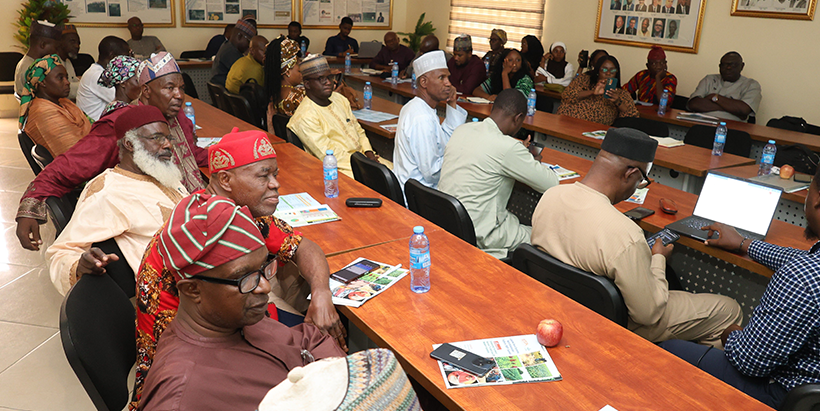
Participants during the Seed Systems Summit.

Speaking during the summit, Professor Lucky Omoigui said the platform was designed to improve farmers’ access to improved seed varieties and to strengthen coordination and collaboration among stakeholders across the legume value chain.

According to him, the initiative aims to create a sustainable, private sector-driven system that connects breeders, seed companies, marketers, processors, agro-dealers, and farmers more effectively.
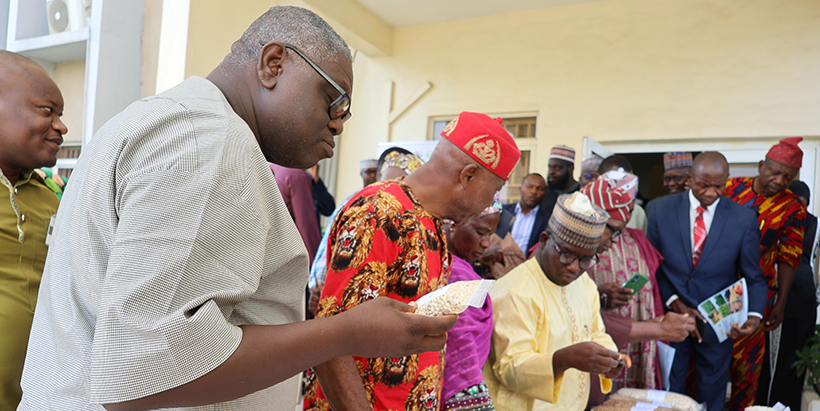
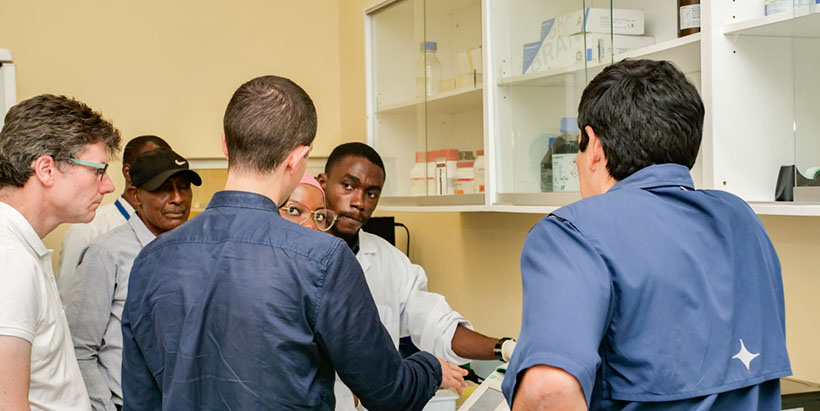
Participants of the Seed Systems Summit observing seed varieties on display during an exhibition tour.

“We want to build a sustainable platform that strengthens collaboration and ensures farmers can access the varieties they truly need,” he said.

Prof. Omoigui emphasized that consumer preferences must increasingly guide varietal dissemination and increase adoption, noting that farmers and consumers are now demanding varieties with specific traits such as faster cooking time, large seed size (brown and white seed coat), improved taste, high yield, drought tolerance, and resistance to pests and diseases.
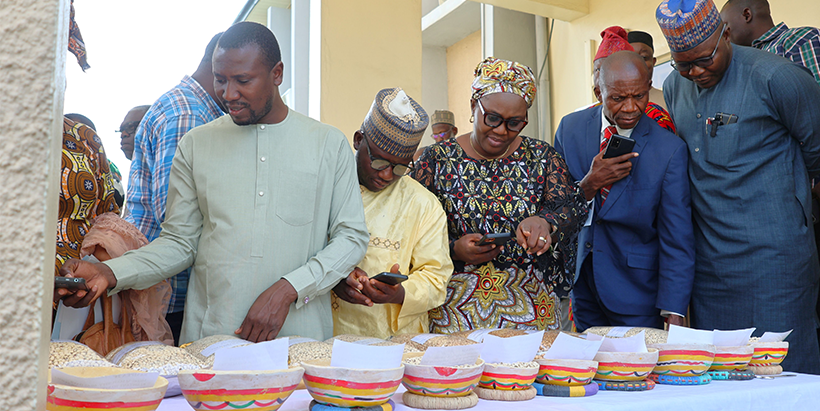
The Summit participants taking a tour of the seeds on display during an exhibition.

Participants at the summit stressed that improved seed systems remain critical to addressing food insecurity in Nigeria.

Chairman of the Crops Technical Subcommittee of the National Committee on Registration and Release of Crop Varieties, Livestock Breeds and Fisheries, from the Institute for Agricultural Research (IAR) Zaria, Professor Shehu Garki Ado, described the summit as timely and strategic.

“The seed system starts with the registration and release of varieties,” he said. “Nigeria, with its vast resources, should have no business importing food. It should be able to export food.”

He further highlighted the need to formalize agricultural commodity trade and strengthen awareness among stakeholders to improve productivity and national food security.

Breakout discussions during the summit identified several major constraints affecting legume seed systems, including limited seed availability and accessibility, weak coordination between research institutions and seed companies, rising production costs, poor extension coverage, and inadequate market linkages.

Stakeholders also emphasized the importance of involving farmers more actively in varietal development processes to ensure newly developed varieties reflect real production challenges and market demands.

Farmers and seed companies shared practical field experiences with preferred cowpea varieties such as ALKAM SUPER, FUAMPEA 2, and SAMPEA14, citing desirable traits including high yield potential, striga resistance, attractive seed size, minimal spray requirements, and excellent fast-cooking quality.

Ibrahim Muhammad Bello, representing Nagarta Seed Company Limited, Yobe State, observed that some improved varieties performed exceptionally well under heavy Striga infestation while maintaining high yields. Some of these varieties could be further enhanced to benefit farmers.

Stakeholders further advocated for stronger farmer training systems, increased use of local languages and media for awareness creation, improved extension services, and greater inclusion of Agro-dealers and marketers within the seed dissemination ecosystem.

Also speaking at the summit, Nefisa Aminu Idakwoji, CEO of PFGN Agricultural Ventures, Nasarawa State during an interview, highlighted the production challenges currently facing farmers, including climate variability, rising input costs, labor shortages, and poor market returns. She stated that the seed is the foundation of every crop production. “When you have access to a very good variety of seeds, you have solved about 50 percent of the challenges farmers face, including food insecurity and sustainability.”

Participants agreed on the need for stronger public-private partnerships, community-based seed systems, digital information platforms, and market-oriented dissemination strategies to improve the adoption of improved legume varieties across farming communities.

The summit concluded with renewed commitment among stakeholders to strengthen coordination, improve access to quality seed, and promote resilient, market-responsive legume seed systems that support Nigeria’s food security and agricultural transformation goals.

Contributed by Sarah Sallau

FarmAdvice is a mobile application that bundles three agricultural calculators:

Herbicide Calculator: Uses land measurements and pre-set parameters to determine the correct herbicide quantity.
Seed Calculator: Calculates seed requirements for seven crops (cassava, yam, rice, sweet potato, cowpea, maize, and soybeans) based on land size and planting type, assuming 100% germination.
Fertilizer Calculator: Recommends fertilizer bag quantities for the same seven crops using NPK ratios.

Platform: Android
Contact: Oyewale Abioye
o.abioye@cgiar.org


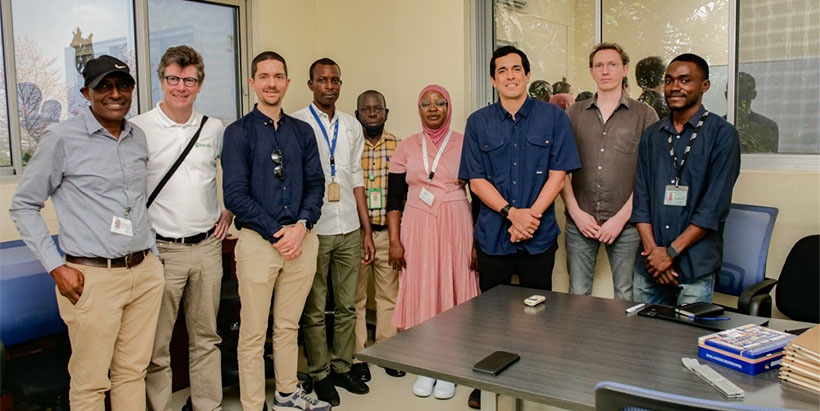
IITA, CIMMYT, and ICRISAT representatives pose for a photo with the NNF Board Vice Chair and his team.

IITACGIAR recently hosted the Vice Chair (VC) of the Novo Nordisk Foundation (NNF) board, Lars Munch, during a strategic visit to the CGIAR in Kenya to strengthen engagement on science, innovation, and agricultural research for development. The visit provided an opportunity to showcase IITA’s research capabilities and to highlight the role of advanced biotechnology in addressing key agricultural challenges in Africa.

Led by IITA’s Deputy Director General for Research for Development (DDG-R4D), Dr Bernard Vanlauwe, and the Director of the IITA Eastern Africa Hub, Dr Leena Tripathi, the VC toured IITA’s research facilities, including the biotechnology laboratories and glasshouses, where ongoing genome-editing work was presented.

Dr Bernard Vanlauwe and the NNF Board Vice Chair, Lars Munch interacting with a PhD student in the gene editing lab.

Discussions focused on IITA’s contributions to disease resistance, climate resilience, and productivity enhancement, as well as the importance of research infrastructure and capacity strengthening in delivering sustainable impact.

The engagement also brought together representatives from CIMMYT and ICRISAT, who presented overviews of their respective NNF-funded projects and shared perspectives on emerging opportunities and future collaboration within the Foundation’s portfolio.

Dr Jaindra Tripathi showcasing banana cell cultures during a visit to IITA’s gene-editing lab.

Reflecting on the visit, Lars noted, “It is inspiring to see how advanced science and practical innovation are being applied to address real agricultural challenges. IITA’s work demonstrates how research excellence, partnerships, and capacity building can translate into meaningful impact for farmers and food systems.”

IITA’s DDG-R4D, Dr Vanlauwe emphasized the value of strategic partnerships, stating, “This visit reflects the importance of building strong relationships with global partners who share our commitment to science-driven development. Collaboration is essential to advancing innovative solutions that are locally relevant and globally significant.”

Dr Tripathi, on the other hand, highlighted the institutional significance of the engagement, adding, “Hosting the Novo Nordisk Foundation Board Vice Chair at our labs is an absolute honor. It reinforces our role as a regional platform for science, innovation, and partnership, and our commitment to translating research into impact.”

The visit created a valuable platform for dialogue on science-led development, strategic investment in innovation, and opportunities for future collaboration, reinforcing the importance of partnerships in improving livelihoods across Africa.

Contributed by Rose Harriet Okech

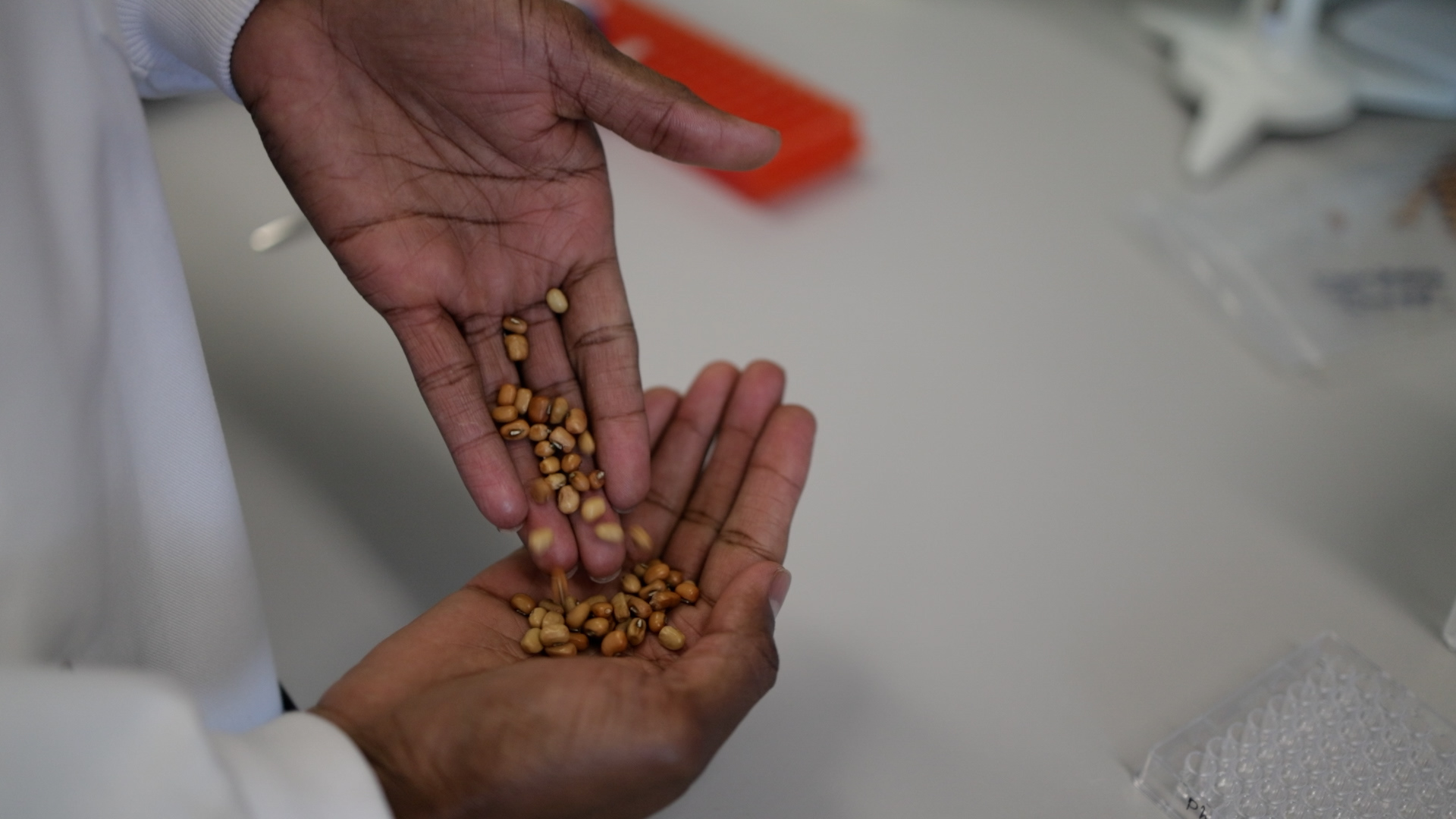
Dr Ahmed Warsame working with cowpea (Vigna unguiculata) at the Crop Science Centre, Cambridge. Filming and images by WebsEdge Science

A new film showcases how the Crop Science Centre (CSC)’s collaboration with partners in the global south is pioneering sustainable solutions in agriculture to feed the world and improve lives.

The film will be premiered at the United Nations Climate Change Conference (COP30) taking place in Belém, Brazil in November 2025.

It shows how CSC’s partnerships with breeders and farmers are translating cutting-edge science into real-world impact, with a focus on developing sustainable alternatives to the high-input agriculture on which we currently rely.

The film launch follows the recent CSC International Partnerships event which brought together breeders, scientists, and funders from Africa, Asia, Europe, and the United States. The event celebrated the power of collaboration and reinforced CSC’s commitment to co-creating research agendas that translate discovery science into real impact in farmers’ fields.

“Making global food production more equitable, sustainable and resilient is core to everything we do at the Crop Science Centre,” said Professor Uta Paszkowski, CSC’s Acting Director and Head of the Cereal symbiosis group.

“This film shows how we are harnessing research innovation to strengthen global food security and make sure the benefits of cutting-edge crop science can reach all farmers,” she said.

“Initiatives like the Crop Science Centre are really core to our sustainability goals at Cambridge and our need to connect with international priorities such as at COP30,” said Professor Bhaskar Vira, Pro-Vice-Chancellor for Sustainability at the University of Cambridge, who features in the film.

The film has been produced in collaboration with global research consortium CGIAR [https://www.cgiar.org/], as part of their ‘With Science We Can’ campaign – a documentary series exploring how we can achieve a food-secure future through scientific innovation.

Sustainable agriculture using nature’s solutions
Researchers at CSC are working with breeders, scientists and farmers around the world to bring nature’s solutions back into agriculture.

“We believe the solutions nature invented hold the key to sustainable agriculture,” said Professor Paszkowski.

“By studying how plants partner with soil microbes, for example, we can design crops that nourish themselves and reduce dependence on chemical inputs.”

As the world’s population grows and climate pressures intensify, global agriculture faces the urgent challenge of producing more food with fewer resources.

At the same time, ecological and climate change problems like greenhouse gas emissions, water scarcity, environmental pollution are having a significant effect on food production.

“The climate change problem in turn feeds into the food production issue, so it’s basically a vicious circle.”

“This vicious circle especially affects smallholder farmers who have less capacity to adapt to the changing climate and are disproportionately affected.”

“Agriculture today needs to be even more sustainable than ever. It is down to us to come in with innovations to make sustainable agriculture viable and affordable for everybody in need,” she said.

A venture with partnerships at the heart
The film highlights the importance of partnerships with local farmers and breeders to develop a sustainable agriculture and secure tomorrow’s global food production.

“Science has to start with farmers and end with the farmer,” said Dr Pearl Abu, Team Lead for the Maize Breeding Programme at the University of Ghana’s West Africa Centre for Crop Improvement (WACCI), one of CSC’s collaborators to appear in the film.

“We need to develop research in partnership with farmers and engage with them before the research starts.”

Dr Abu is working with CSC’s Cereal symbiosis group who are researching fungal symbiosis with a focus on sustainable agriculture for cereal crops to improve maize and rice growth.

“The partnership between the Crop Science Centre and WACCI is a powerful way of making sure that discovery science reaches farmers who are the ones that need it,” she said.

“Local partnerships are essential for translating our research at the Crop Science Centre into the farmers’ fields. We need those local partners who are on the ground with the farmers to think about how the science is going to be relevant in the field,” said Dr Emily Servanté, Postdoctoral Research Associate at CSC.

Turning ideas into impact
Dr Ousmane Boukar reiterates this message. He is a researcher and breeder at the International Institute of Tropical Agriculture (IITA) in Nigeria, which is a CGIAR partnership member working to address food insecurity, malnutrition and poverty in sub-Saharan Africa.

Dr Boukar is working to develop cowpea varieties that can thrive in heat and tolerate the drought conditions which are increasingly challenging farmers in Northern Nigeria and the West African Sahel. Cowpeas are a vital food source and income generator for millions of people in the region.

“Our partnership with the Crop Science Centre is a powerful example of how global science can meet local needs,” he said.

“Farmers know their soil, their seasons and their community better than anyone else. We are not just transferring technology. We are building resilience. The real impact goes beyond the field. It is about building confidence, trust and scientific capacity in African agricultural systems.”

“Ultimately, we want to create a world where farming is profitable, dignified and resilient and where science truly serves the people who feed us all.”

Watch the Crop Science Centre COP30 video:
[https://youtu.be/YNWbNrqozO8?si=YdzJ2LmPTSaFNPlz]

View CGIAR’s full series of COP30 documentaries: [https://youtube.com/playlist?list=PLGVe6BxyFHNWv6Yd5wKmfuA_1osg8VzK3&si=HLPxVnXGgVc1NR2E]

About the Crop Science Centre
The Crop Science Centre is a coalition between the University of Cambridge and Niab, that combines their diverse expertise to create an environment for research excellence, with the capability to apply discoveries to crop improvement in the field.

Every harvest season in Africa, food is lost or wasted at staggering levels. Nigeria loses 45% of its 3.9 million tons of tomato harvest each year to postharvest losses and supply chain inefficiencies. Kenya loses up to 40% of the food it produces–around 9 million tons worth KES 72 billion (approximately US$578 million)–even as one in four citizens struggles daily to find enough to eat. In South Africa, about a third of all food ends up at the dump. These are not isolated failures. They are symptoms of a global crisis. On average, one-third of all food produced never gets eaten, generating 8–10% of global greenhouse gas emissions. If food loss and waste were a country, it would be the world’s third-largest emitter.

On 29 September, the world marked the sixth International Day of Awareness of Food Loss and Waste, a reminder that cutting waste is essential to a sustainable food future. My message is simple: we cannot fix the climate without fixing food waste. Yet today, less than 6% of public climate finance in food systems targets reducing loss and waste. We are starving the very solutions that could feed people and protect the planet. It is time to expand and align stakeholder efforts, and to channel climate finance where it matters most–into reducing food loss and waste.

Food loss and waste is not a side issue. It is a climate, nutrition, food justice, and economic issue rolled into one. We cannot afford inaction, with rice losses in sub-Saharan Africa alone exceeding $10 billion per year. In Africa, where climate shocks already slash harvests, postharvest losses rob households of income and nutrients, worsening hidden hunger in communities that can least afford it. Women, who produce and process much of our food, shoulder the heaviest burden, spending more hours salvaging spoiled crops, risking illness, or stretching scarce resources to feed their families. Youth lose out on farming and agribusiness opportunities as value literally rots away, eroding confidence in agriculture as a viable path for employment and innovation.

Climate finance is meant to build resilience. But how resilient can a food system be when 30–40% of its harvest disappears each season as the climate grows increasingly erratic? Financing cold chains, storage, transport, and waste-to-value solutions is not charity. It is climate adaptation in action. Every dollar invested in reducing food loss and waste reduction pays back at least threefold: cutting emissions, strengthening supply chains against climate shocks, and ensuring more food reaches households without clearing new land. This is one of the rare areas where climate, health, and the economy align.

The barriers are real. Climate modeling and advisory services exist but often do not reach smallholders. Governments struggle to integrate food systems into climate plans, ministries work in silos with limited capacity to design bankable projects, and many institutions lack accreditation to access global funds, while policies rarely link agriculture, nutrition, and climate. Climate finance can change this.

Dedicated funding windows in other sectors already show what is possible: the Green Climate Fund’s Readiness Programme has supported more than 140 countries to build accredited entities and prepare projects; the Adaptation Fund’s Innovation Facility has enabled bold, locally driven solutions; and the Global Agriculture and Food Security Program has demonstrated how pooled finance can reach smallholders directly. Applying these approaches to food systems can build national capacity to embed food loss and waste reduction into climate strategies; support inclusive projects that cut emissions while improving nutrition; and catalyze private sector innovation—from waste-to-value enterprises to digital logistics platforms, while ensuring women, youth, and smallholders secure a fair share of resources, voice, and leadership.

Skeptics may argue that climate finance should focus on “harder” sectors such as energy or forestry, where emission reductions are easier to measure. Ignoring food waste, however, is a false economy. We already track carbon in forests and smokestacks. Why not in wasted food? Tools exist to measure and verify reductions. What is missing is political will and financial priority. Others say infrastructure is costly. So is inaction. Every year of delay means billions lost in spoiled harvests, wasted water and land, and millions of children undernourished.

This year’s theme gets it right—climate finance must step up. Here is how: Governments should embed food loss and waste reduction in national climate strategies and investment plans. Finance windows should earmark funding for loss and waste reduction. Development partners must co-invest and coordinate in infrastructure and innovation (cold-chain, storage, transport, and data systems). The private sector should be rewarded for turning waste into value and ensuring participation and benefits for women, youth, and smallholders.

If food loss is climate loss, then financing its reduction is financing survival. The question is no longer whether we can afford to act. It is whether we can afford not to.


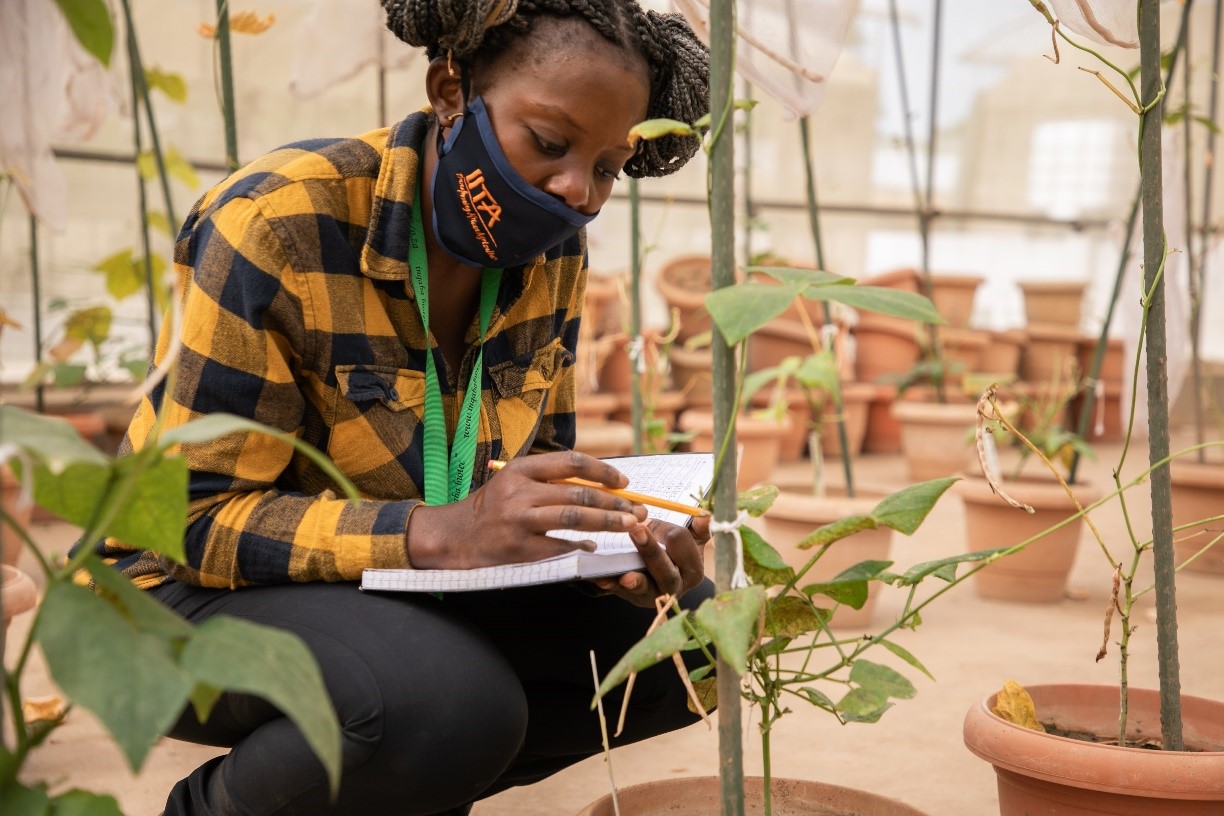
Dr Adenike Dada in the screen house gathering data.

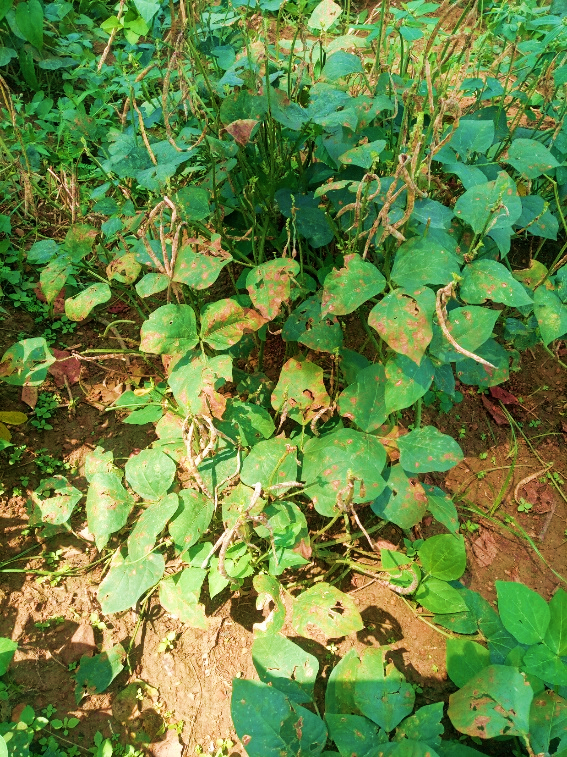
Cowpea, a vital legume crop in sub-Saharan Africa, nourishes millions and supports rural economies. Yet, its productivity is under siege by a persistent enemy: cowpea anthracnose disease (CAD). Recent research has identified the causal agents of CAD in Nigeria, challenging previous understanding of the disease in the country.

An infected cowpea plant on the field.

Historically, Colletotrichum lindemuthianum and C. destructivum were considered the primary pathogens responsible for CAD in Nigeria. However, researchers from IITA, Obafemi Awolowo University Institute of Agricultural Research and Training, O.A.U., and the University of Ibadan conducted an in-depth investigation using traditional and molecular diagnostic methods. Their study, spanning four Nigerian states, led to a significant discovery: two species, C. chrysophilum, and C. siamense, are the causal agents of CAD in Nigeria. This is the first global report identifying these species as CAD pathogens.

Relying on morphological classification to assign isolates to their corresponding species often leads to misclassification due to similarities among species. By sequencing six key genes (ITS, ACT, GADPH, TUB, ApMat, and CAL) from Colletotrichum isolates collected in cowpea fields in the study, the researchers were able to correctly classify the obtained isolates as C. chrysophilum and C. siamense, both belonging to the C. gloeosporioides species complex. Unlike previous reports, C. lindemuthianum and C. destructivum were undetected in the studied regions.

Identifying C. chrysophilum and C. siamense as CAD pathogens has major implications for CAD management. Current CAD management practices in Nigeria, including fungicide applications and using resistant varieties, were developed based on C. lindemuthianum and C. destructivum. Findings from the study emphasize the need to reassess these strategies and evaluate their effectiveness against the newly identified pathogens. Additionally, screening large cowpea germplasm collections for resistance to C. chrysophilum and C. siamense will be essential for future breeding efforts.

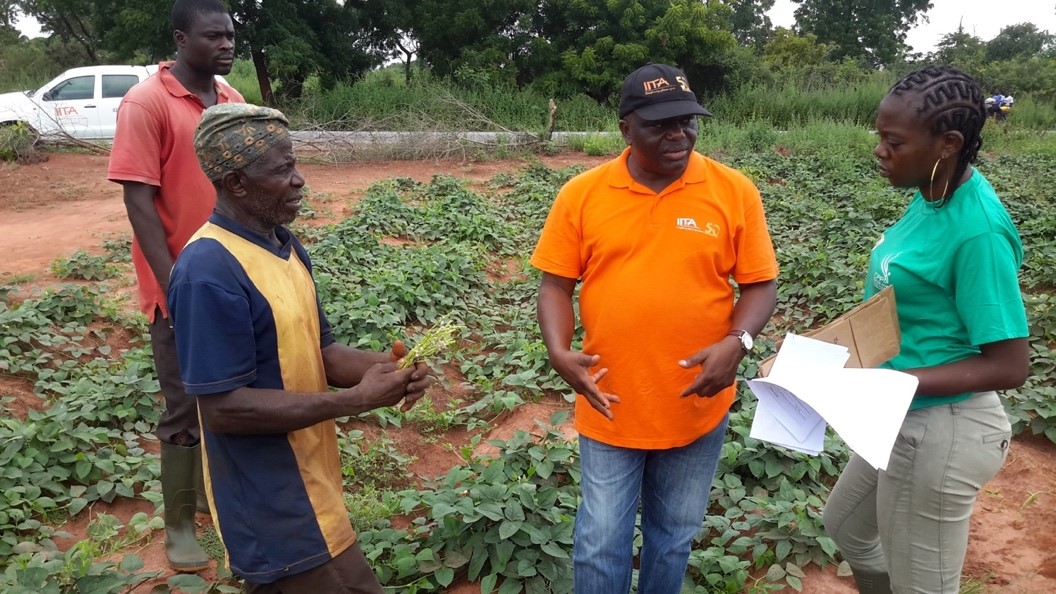
Dr Adenike Dada with farmers and Dr Olaniyi Oyatomi on the field.

This study reinforces the importance of molecular characterization in plant pathology. Accurate pathogen identification enables the development of targeted interventions, improving control measures. These findings also call for similar investigations in other cowpea-growing regions to develop a more comprehensive understanding of CAD in Africa and beyond.

Cowpeas are a cornerstone of food security and rural livelihoods in several African regions. The crop requires robust protection against pests and diseases. These discoveries mark a significant step toward improved CAD management in Nigeria, ensuring more sustainable production through science-driven innovations.

Contributed by ‘Timilehin Osunde

PRESS RELEASE

Ibadan, 3 March 2025 – The International Institute of Tropical Agriculture (IITA) is hosting His Excellency, President Julius Maada Bio of Sierra Leone, during an official visit to IITA headquarters in Ibadan, Nigeria.

This visit highlights the strong collaboration between IITA/CGIAR and the Government of Sierra Leone in advancing agricultural transformation through the Feed Salone agenda.

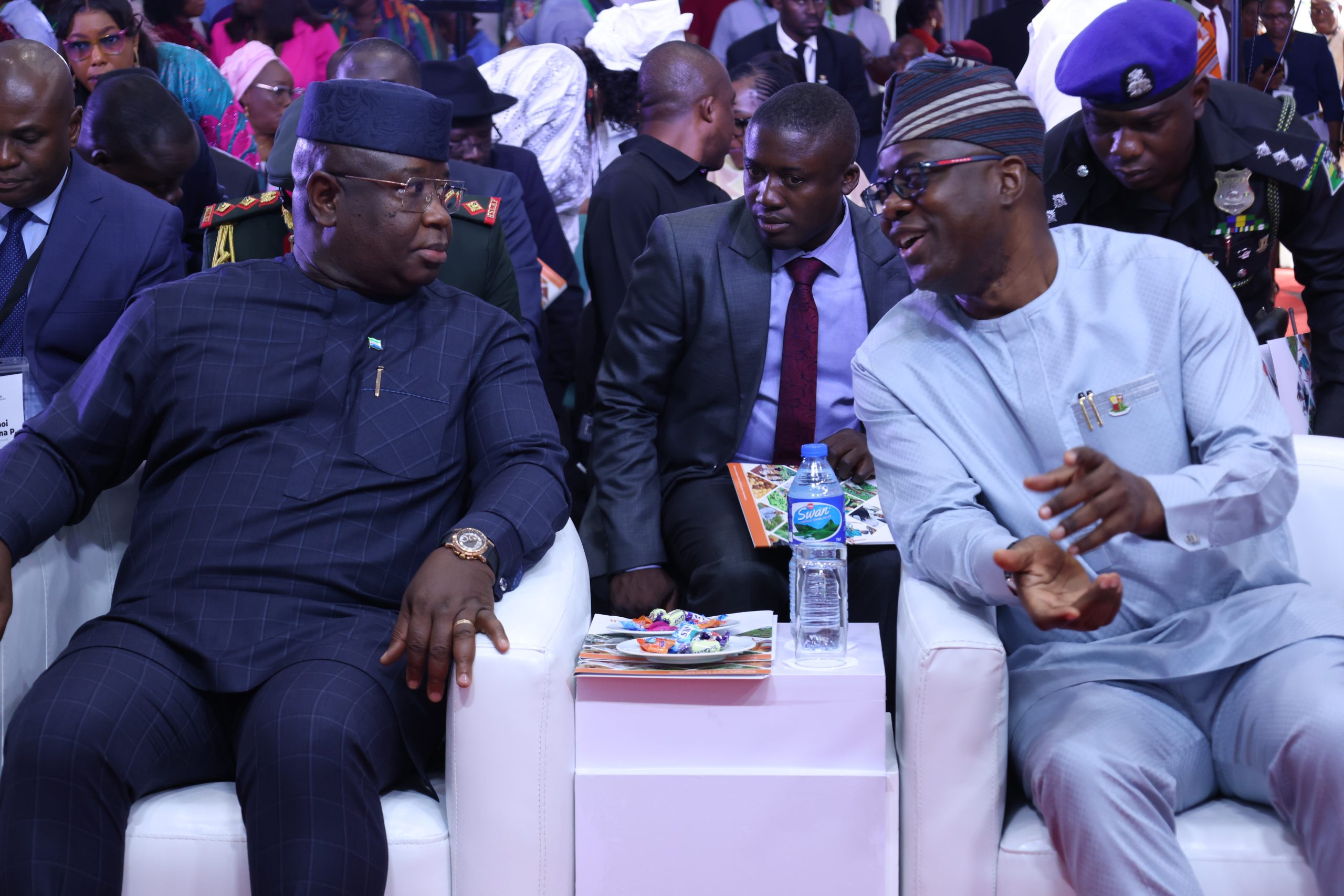
 LR - H.E. Dr Julius Maada Bio, President of Sierra Leone and H.E. Engr Oluwaseyi Makinde, Governor of Oyo State
(L-R) H.E. Dr Julius Maada Bio, President of Sierra Leone and H.E. Engr Oluwaseyi Makinde, Governor of Oyo State

During the visit, President Bio will engage with IITA/CGIAR leadership, scientists, policymakers, development and business partners to explore innovative solutions that support Sierra Leone’s agricultural development goals. IITA/CGIAR has been a key technical partner in implementing Feed Salone, a national program aimed at achieving food self-sufficiency, improving nutrition, and enhancing agricultural productivity in Sierra Leone.

“We are delighted to welcome President Bio and reaffirm our commitment to supporting Sierra Leone’s vision for a resilient and food-secure nation,” said Dr Simeon Ehui, IITA Director General and CGIAR Regional Director for Continental Africa.

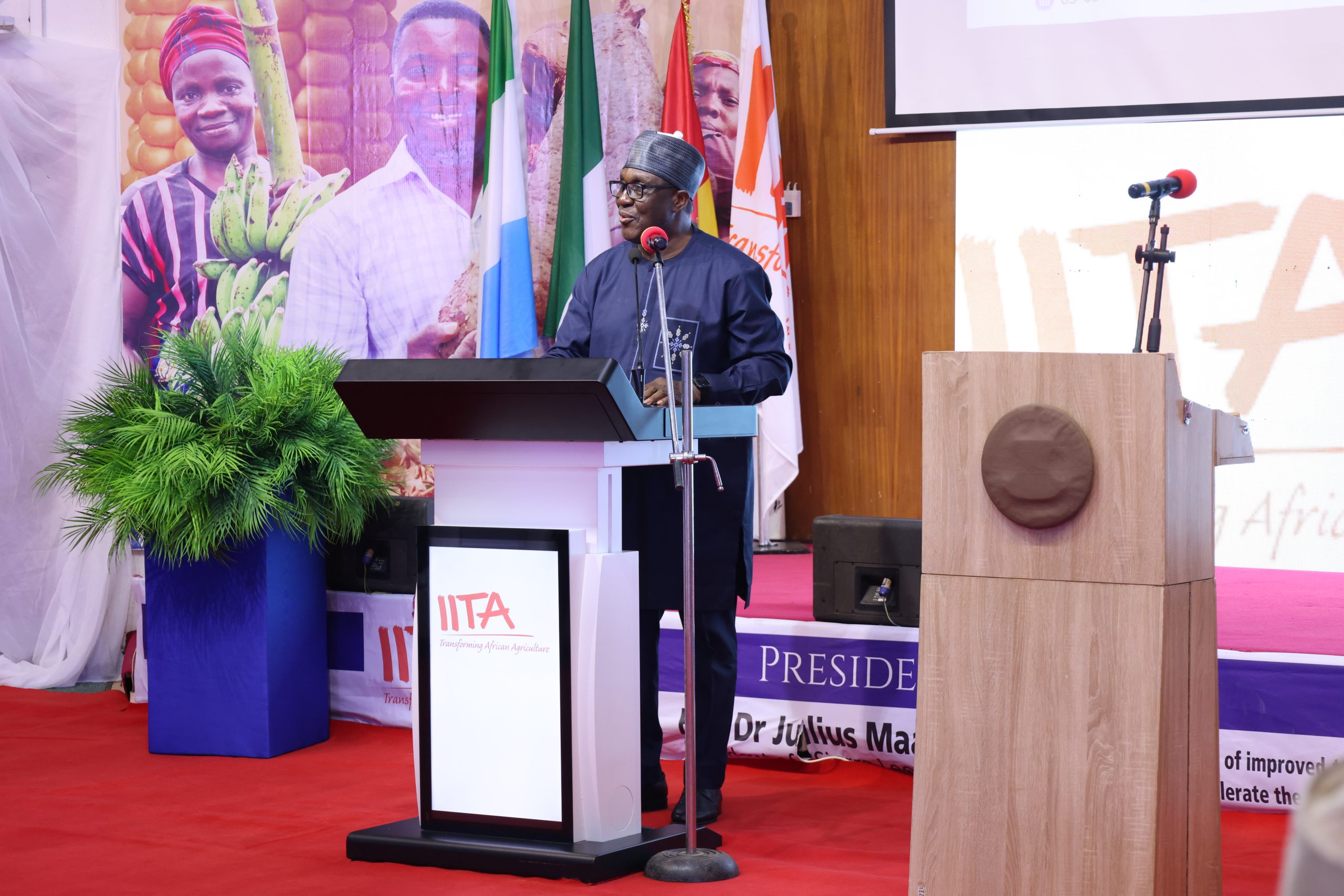
Dr Simeon Ehui, IITA Director General and CGIAR Regional Director for Africa giving opening remarks.
Dr Simeon Ehui, IITA Director General and CGIAR Regional Director for Africa

“Our ongoing collaboration with the Sierra Leone Ministry of Agriculture is focused on scaling climate-smart agricultural technologies, strengthening research capacity, and empowering youth and farmers with innovative solutions.”

The Feed Salone agenda aligns with IITA’s mission to enhance agricultural productivity and ensure food security across Africa. Through joint research initiatives, capacity-building programs, and technology dissemination, IITA and the Government of Sierra Leone are working together to transform the country’s agricultural sector.

President Bio’s visit includes high-level discussions on expanding research partnerships, adopting cutting-edge agricultural technologies, and mobilizing resources to drive sustainable food production.

The visit also aims to strengthen the relationship between Sierra Leone and Nigeria in advancing regional agricultural cooperation and opening business opportunities in several value chains that include cassava, yam, banana/plantain, and rice.

“Agriculture is the backbone of our economy, and through our partnership with IITA and Nigeria, we are making strategic investments to enhance productivity and empower our farmers,” said Dr Henry Musa Kpaka, Minister of Agriculture of Sierra Leone.

“The Feed Salone agenda is a national priority, and we are committed to leveraging scientific innovations to achieve our food security goals,” said Dr Kpaka.

This visit marks a significant milestone in the partnership between IITA and Sierra Leone, reinforcing the shared commitment to agricultural transformation, economic growth, and improved livelihoods for millions of people.

About IITA (www.iita.org)

The International Institute of Tropical Agriculture (IITA) is a not-for-profit institution that generates agricultural innovations to meet Africa’s most pressing challenges of hunger, malnutrition, poverty, and natural resource degradation. Working with various partners across Africa, we improve livelihoods, enhance food and nutrition security, increase employment, and preserve natural resource integrity. IITA is a member of CGIAR, a global agriculture research partnership for a food-secure future.

For media inquiries, please contact:

IITA Communication
Katherine Lopez, k.lopez@cgiar.org

Government of Sierra Leone
Sheku Tanga, joyama972@gmail.com


IITA and Biotalys team building on Michael Idu’s presentation on cowpea leaf-spot disease to fine-tune the project activities.

IITACGIAR hosted a three-day visit with scientists from Biotalys and representatives of Nigeria’s Ministry of Environment from 20 to 22 January 2025. The visit aimed to strengthen collaborative efforts in developing protein-based biocontrol solutions to address food security challenges in Nigeria. A key focus of the visit was to track the progress of a research project led by IITA graduate student Michael Iduh. His studies focus on identifying the causal agents of cowpea leaf-spot disease by Cercospora across different agroecological zones in Nigeria. The findings from this research will provide a foundation for developing targeted sustainable biocontrol solutions for cowpea farmers through the cutting-edge protein-based technology of Biotalys. The project involves the exchange of fungal genetic resources, which requires approval from the Ministry of Environment to comply with appropriate Access and Benefits sharing under the Convention of Biodiversity.

Apart from the laboratory activities in Pathology and Mycotoxin/Aflasafe Unit, IITA–CGIAR facilitated interactions with other units for the visiting Biotalys scientists and Ministry of Environment officers. The visitors interacted with scientists from cowpea, maize, yam, cassava breeding programs, and GRC, Virology, and GHU.

IITA and Biotalys team discussing progress of the project and optimizing laboratory protocols.

Hafsat Adeyemi, Assistant Chief Scientific Officer, Nigeria’s Ministry of Environment, expressed her appreciation for the training and its broad impact. Because of the importance of the project, Adeyemi assured the IITA and Biotalys teams of the delegate’s full support in obtaining the approval of the material transfer permits to facilitate the research work.  In addition, she highlighted the session on aflatoxins in maize and groundnuts as particularly eye-opening, recognizing the importance of mitigating this toxin in Nigerian food systems. “We’ve seen and learned a lot that we will take back with us, one of which is the danger of aflatoxins in maize,” she said. “We assure you of our full support and collaboration with IITA to disseminate crucial information about aflatoxins and IITA’s Aflasafe products to combat it. We can confidently stand as Aflasafe ambassadors now.”

Alejandro Ortega-Beltran, IITA–CGIAR Senior Plant Pathologist, emphasized the need for broader collaboration, proposing roundtable discussions among IITA, Biotalys, the Federal Ministry of Agriculture and Food Security, the Federal Ministry of Health and Social Welfare, and the Federal Ministry of Environment. “Bringing together stakeholders from these ministries will create a more cohesive and effective approach to addressing food security and food safety challenges,” he stated. He also suggested organizing a workshop on cowpea research funded by the Gates Foundation to keep stakeholders informed on cowpea innovations.

IITA, Biotalys, and the Nigerian Ministry of Environment teams at the end of the 3-day workshop, prepared to advance the project activities.

Carlo Boutton, Biotalys’ Chief Scientific Officer, welcomed the Ministry’s commitment to expediting the permit process. “Allowing the exchange of pathogens and pests for research has long-term economic value. The sooner we can conduct critical research, the sooner we can develop effective solutions that benefit farmers and the wider agricultural industry,” he remarked.

All training participants agreed to continue the collaboration to allow scientific innovations translate into practical solutions for smallholder farmers. As discussions and research progress, this partnership will contribute to deliver an effective, sustainable biocontrol solution to cowpea producers, ultimately improving food security in Nigeria and beyond. Nigerian Ministry of Environment to allow scientific innovations to translate into practical solutions for smallholder farmers. As discussions and research progress, this partnership will contribute to delivering an effective, sustainable biocontrol solution to cowpea producers, ultimately improving food security in Nigeria and beyond.

Contributed by Folake Oduntan and Alejandro Ortega-Beltran

Related Stories:

Aflasafe technology showcased at international, high-level biocontrol events

Transferring aflatoxin biocontrol experiences to partners from Mali, Niger, and Pakistan

Aims at disseminating improved legume seeds and crop management practices in Mozambique and is implemented by a consortium of partners, IITA, ICRISAT, CIAT, and IIAM.

Platform: website
Contact: Amaral Chibeba
A.Chibeba@cgiar.org