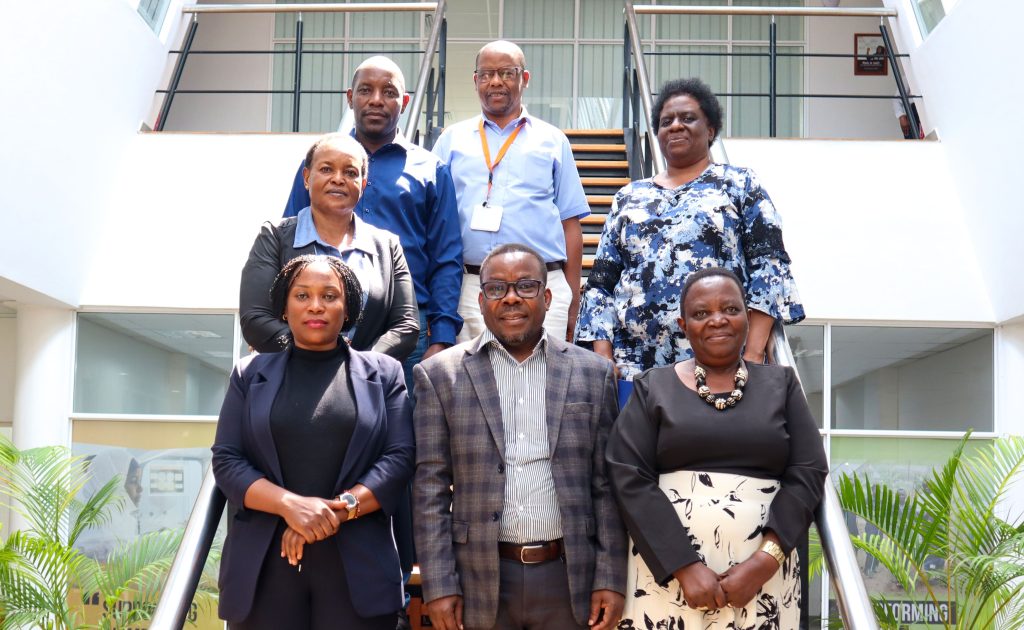
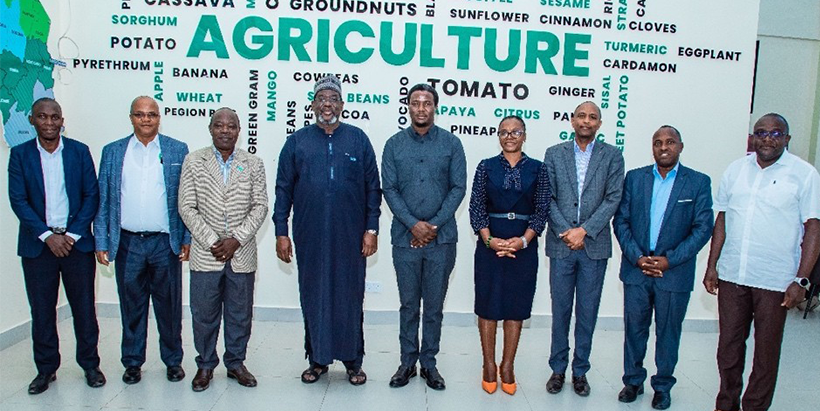
From left to right Galib Ally, Apenda Mrinji, Frederick Baijukya, Dr Tahirou Abdoulaye, Hon. Deputy Minister David Silinde, Yasinta Nzogela, Juma Mdeke, Deusdedith Mbazibwa, Mpoki Shimwela

IITACGIAR has reaffirmed its commitment to deepening collaboration with the Government of Tanzania and national research institutions following a high-level mission to Dodoma to advance agricultural transformation in the country.

The delegation, led by IITA Deputy Director General for Partnerships for Delivery and Scaling, Dr Tahirou Abdoulaye, held strategic meetings with senior officials from the Tanzania Agricultural Research Institute (TARI) and the Ministry of Agriculture in May. The visit focused on consolidating longstanding partnerships, reviewing ongoing collaborations, and identifying priority areas for future cooperation.

During the meeting at TARI Headquarters, discussions centered on strengthening joint research and scaling innovations to address emerging agricultural challenges in Tanzania.

Dr Deusdedith Mbazibwa, Director of Research and Innovation at TARI, acknowledged IITA’s longstanding contributions to Tanzania’s agricultural sector, particularly in collaborative research and capacity development. He emphasized the importance of sustained technical support and knowledge exchange to enhance national research systems.
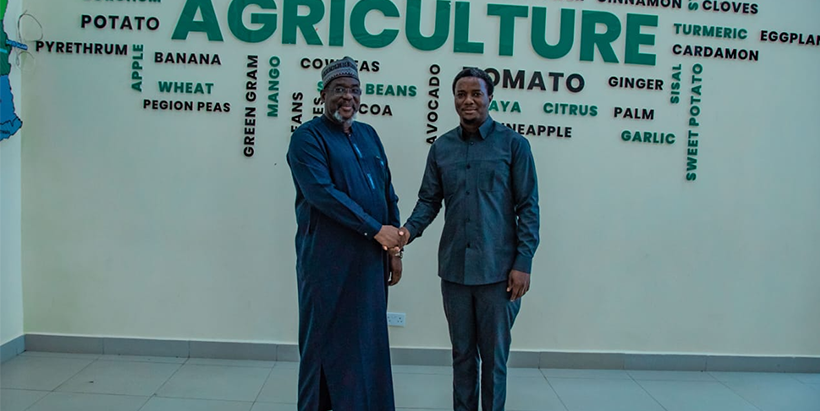
Dr Tahirou Abdoulaye and Hon. Deputy Minister David Silinde

Dr Abdoulaye reaffirming IITA’s commitment to expanding partnerships with Tanzania during discussions, highlighted opportunities for deeper collaboration in areas such as:

  • Strengthening seed systems, particularly for vegetatively propagated crops and legumes such as soybean and cowpea
  • Expanding research on nutrition and food safety
  • Participation in international variety trials for key crops
  • Development of digital agricultural tools to improve advisory services and disease detection
  • Capacity building in modern breeding techniques to accelerate varietal development

At the Tanzania Ministry of Agriculture, the IITA delegation met with key directorates to discuss the country’s strategic priorities for agricultural development.

Dr Yasinta Nzogela, Director for Crop Development, outlined ongoing institutional reforms, including plans to establish an Agricultural Extension Agency to enhance the delivery of technologies and advisory services to farmers. She noted the government’s ambitions to achieve self-sufficiency in edible oil and wheat production by 2032, while promoting key crops such as apples and Irish potatoes and strengthening national seed systems.

She enjoined IITA-CGIAR to support these goals through research collaboration, improved seed access, and sustainable seed system development.

…Government commends IITA’s impact

As part of the mission, the IITA-CGIAR team paid a courtesy visit to the Deputy Minister for Agriculture, Hon. David Ernest Silinde. The IITA delegation expressed appreciation for Tanzania’s continued support since the institute established its presence in the country over three decades ago.

“Over the past 32 years, IITA-CGIAR has remained committed to improving smallholder livelihoods, strengthening food security, and contributing to Tanzania’s economic development,” Dr Abdoulaye said.

Hon. Silinde commended IITA’s contributions, highlighting key achievements from the partnership, including:

  • Development of improved varieties of cassava, banana, soybean, and cowpea
  • Advancements in crop protection and agronomic practices
  • Capacity building that has supported more than 60 PhD and 80 MSc graduates, over 1,000 youth, and approximately 100,000 smallholder farmers

He reaffirmed the government’s continued support for IITA-CGIAR’s research and development initiatives.

The visit concluded with a shared commitment between IITA-CGIAR, TARI, and the Ministry of Agriculture to deepen collaboration in support of Tanzania’s agricultural transformation agenda.

Priority areas identified include strengthening seed systems, advancing digital agriculture, improving nutrition and food safety, and accelerating innovation through modern breeding technologies.

The engagements in Dodoma brought to the fore the critical role of partnerships in driving sustainable agricultural development and improving livelihoods, positioning Tanzania to make significant progress toward national food and nutrition security goals.

Contributed by ’Timilehin Osunde
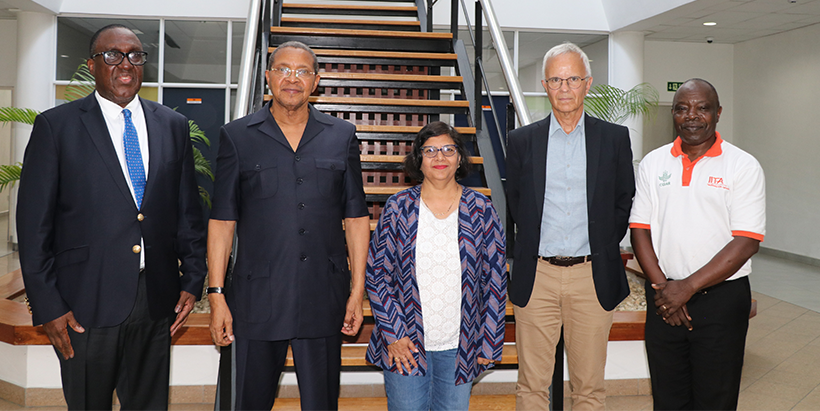
(l-r) Dr Simeon Ehui, Dr Jakaya Kikwete, Dr Leena Tripathi, Dr Roel Merckx and Dr Frederick Baijukya.

“The future of African agriculture will depend not only on resources,” he said, “but on our ability to work together—governments, research institutions, the private sector, farmers, development partners, and young innovators—to scale solutions with urgency, ambition, and purpose.” – Simeon Ehui, IITA Director General

As part of efforts to strengthen partnerships and showcase research impact in Tanzania, IITACGIAR organized a stakeholder engagement and open day on 6 May 2026, under the theme “Agricultural Research Innovations in the Hands of Users”. The event brought together the IITA Board of Trustees, government institutions, research organizations, development partners, private sector actors, and farming communities to highlight how innovation is transforming agriculture and livelihoods across Tanzania.

Former Tanzanian President, H.E. Dr Jakaya Kikwete, who served as Chief Guest, commended IITA’s contributions to agricultural development across Africa. After touring the exhibition booths, he praised the visible impact of research on farmers and youth. “I saw the wonderful work being done—not only by scientists but also by young people and farmers. This shows the transfer of knowledge and technologies,” he said.

He urged stronger efforts to ensure research outputs reach farming communities and recalled commissioning the Institute’s Tanzania facilities in 2013, marking the start of its long-term presence in the country.

Dr Simeon Ehui, IITA Director General and CGIAR Regional Director for Africa, noted that over the past 12 years, investments in Tanzania have reached approximately US$154.57 million (TZS 410.75 billion) in Tanzania. These investments have supported research, infrastructure, and equipment, partnerships with national institutions, and capacity building. More than 1.39 million farmers have benefited from improved technologies, while over 10,000 youth and 11,000 farmers have been trained. agricultural practices. IITA also supported 60 PhD and 80 MSc students and hosted over 500 undergraduates.

“Behind these numbers are transformed livelihoods, stronger institutions, empowered youth, and renewed hope for farming communities,” Ehui said.

Dr Leena Tripathi, Director of the Eastern Africa Hub, emphasized that IITA’s focus goes beyond developing innovations to ensure real impact. She noted that through partnerships, IITA is advancing resilient agrifood systems, improving seed access, promoting digital agriculture, and creating opportunities for women and youth. She reaffirmed IITA’s commitment to translating research into practical solutions that improve livelihoods and strengthen food systems across the region.

Exhibition booths showed how research translates into real-world solutions. Visitors explored advances in cassava and banana breeding, tissue culture, seed systems, and digital tools already used by farmers. Seed entrepreneurs and trained youth showcased  agribusiness ventures built from these innovations.

Social scientists showcased how IITA’s research support youth, give women an equal place in farming, and help seed entrepreneurs and agribusinesses grow. They demonstrated how inclusive and resilient agrifood systems are built and sustained.

Speakers highlighted the urgent challenge of feeding Africa’s growing population amid climate change, land degradation, and economic pressures, stressing that stronger collaboration across governments, research institutions, private sector actors, and farmers is essential.

Contributed by Gloriana Ndibalema

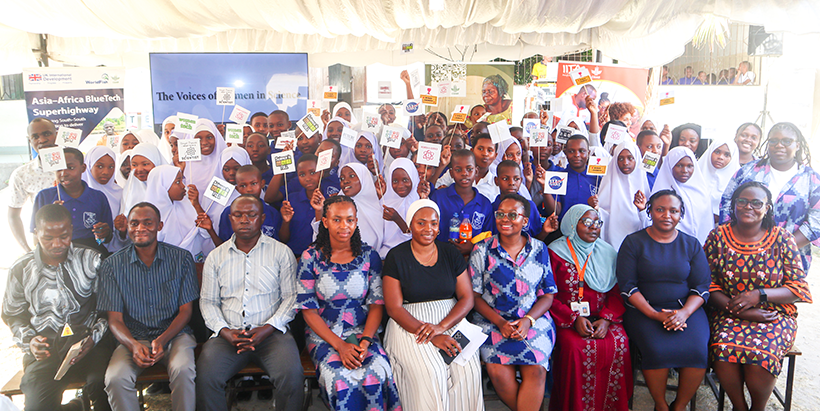
Students of Mikocheni Secondary School, Kinondoni Municipal Council.

Women staff from the CGIAR centers in Tanzania, led by IITA, visited Mikocheni Secondary School in Kinondoni Municipal Council to commemorate the International Day of Women and Girls in Science (IDWGS). The aim was to increase engagement and inspire young girls to pursue careers in Science, Technology, Engineering, and Mathematics (STEM).

The visit addresses the growing concern as studies show that students, especially girls in secondary schools, are losing interest in science. Fewer girls are pursuing STEM fields due to gender stereotypes and challenges in educational environments.

“CGIAR centers join the world in observing this day through education and actions that inspire girls in our neighboring secondary schools to pursue STEM careers, thus contributing to a more inclusive and sustainable future,” said Mwantumu Omary, who spoke on behalf of Dr Frederick Baijukya, IITA Tanzania country representative.

Teachers of Mikocheni Secondary School with CGIAR staff and the students in the background.

The initiative reinforced responsive learning environments for girls, complementing the government’s efforts to improve teaching and learning infrastructure. Teachers play an important role in shaping students’ attitudes and interests. Yet their potential to inspire and support girls in overcoming socio-cultural and psychological barriers to STEM engagement has been relegated. Addressing this issue is crucial for fostering gender equity in STEM education and ensuring that girls are empowered to pursue future science-related careers.

“Our female students are performing well in science subjects compared to male students. This is because teachers do their best to encourage them and support them to perceive science as a simple subject,” explained Evarist Athuman, a science teacher at Mikocheni Secondary School.

The shortage of science materials and equipment continues to hinder effective science education in Tanzania’s secondary schools, making science subjects more theoretical and abstract. CGIAR Tanzania young women scientists shared their career trajectories in scientific research, highlighting the subject combinations they pursued that led to their entry into the science pipeline. They also held practical sessions where they demonstrated the daily science activities they perform at work, including the use of digital diagnostic tools for plant diseases, soil health, soil testing kits for fertility, tissue culture, propagation techniques, value addition, and sustainable marine-based nutrition solutions.

Teachers and students were curious and excited about the new knowledge they gained during the visit. Both expressed interest in starting a science club, with the support of CGIAR Tanzania, that will provide more learning opportunities for school members.

The CGIAR women staff who participated in this initiative include those from IITA, the International Livestock Research Institute (ILRI), the International Rice Research Institute (IRRI), and WorldFish. The initiative aligns with Tanzania’s efforts to close the gender gap in STEM and contribute to international goals for gender equity in science education.

By connecting young girls with women scientists and providing practical exposure to scientific work, CGIAR centers are supporting the government’s commitment to creating inclusive learning environments that empower girls to pursue science-related careers.

Contributed by Gloriana Ndibalema

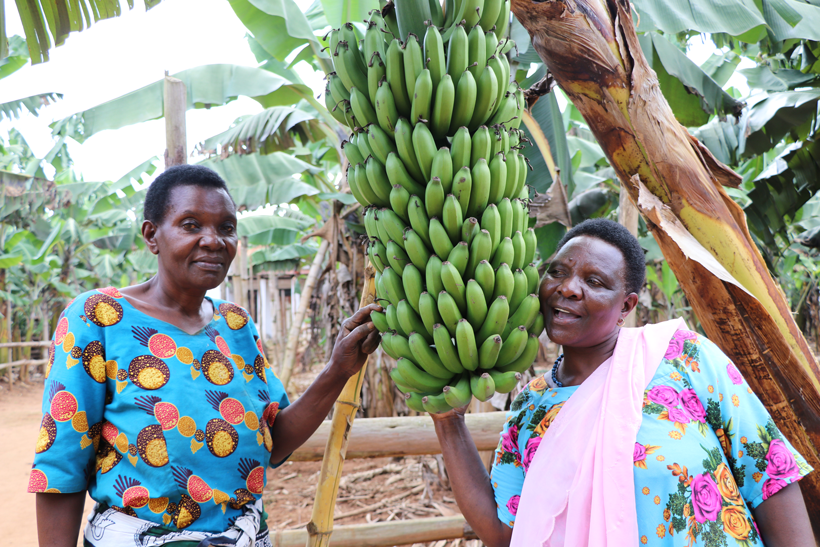
Women in a superior banana variety, FHIA field in Kagera. (Photo credit: G.Ndibalema/IITA)

Tanzania is the second-largest banana producer in Eastern Africa, after Uganda. Kagera is the leading banana-producing region in the country, accounting for over half of the country’s banana production. Most banana varieties in Kagera are Highland Cooking bananas, commonly known as matooke, next to beer bananas and some dessert bananas. Smallholder farmers in the region have been highly vulnerable to food and income insecurity for decades, as all varieties are susceptible to major diseases and pests that cause significant yield losses.

Smallholder farmers, governmental and non-governmental organizations have made efforts to address the disease and pest challenges by introducing, propagating, and disseminating new varieties known as “Superior Banana Varieties” (SBVs), including FHIA hybrids and exotic landraces. However, adequate, systematic, and organized information on the uptake, adoption rates, determinants of adoption, and socioeconomic impacts was lacking, causing difficulty in determining the socioeconomic success of banana improvement initiatives and planning future interventions with new matooke hybrids.

SBVs shipped to big markets in Mwanza, Shinyanga, and Dar-Es-Salaam via Lake Victoria. (Photo credit: IITA)

In 2024, the agricultural economists and banana experts from the International Institute of Tropical Agriculture (IITA) explored the adoption and impact of SBVs in that region. Its results were bundled in a study entitled “Adoption and Impact of Superior Banana Varieties in Kagera, Tanzania: A guide for future distribution of banana breakthrough products”. It was concluded that the adoption rate of SBVs was 48% two decades after the first intervention.

The study found that the adoption rate was higher among male-headed households, where 48% of the sample households adopted SBVs in 2024, with 25% having adopted FHIA 17, followed by FHIA 23 (7%), and FHIA 25 (4%). The study noted farmers’ preferred traits and adoption criteria include tolerance to diseases and pests, adaptability to poor soil conditions, minimal organic fertilizer requirements, high yields (large fingers and bunches), better quality for juice and brewing, multi-purpose use for cooking, dessert, and roasting, and strong marketability.

“The farmers preferred FHIA 17 and FHIA 23 varieties for cooking and dessert, while for beverage making, Yangambi KM 5 and FHIA 25 were selected,” explains Dr Arega Alene, the Agricultural Economist at IITA.

The adoption of SBVs led to more households becoming self-sufficient in banana production, consuming and selling more bananas, and becoming more food secure. “On the other hand, the study showed that in households that adopted SBVs, women are more likely to be engaged in making decisions on sales than in households that have not adopted the varieties,” adds Dr Shiferaw Feleke, the lead of the study.

Moreover, the study revealed that the adoption of banana hybrids has increased productivity by 15% in Kagera by 2024, contributing nearly US$7 million worth of bananas to the region’s economy. This will generate more tax revenue due to increased trade volume and value in fresh and processed banana products.

These findings indicate that Kagera’s banana sector is undergoing a change, with improved varieties now recognized as key to long-term resilience and growth. It also shows that farmers are willing to add improved varieties even if they are quite different from the Highland Cooking bananas, which are a staple food. The strong interest from farmers reflects the success of past efforts to involve farmers from the very beginning in sensory evaluation of new varieties from breeding programs and promotion of SBVs through on-farm testing.

This highlights the need for increasing investments in banana research and scaling of the resulting innovations to address a broader range of production constraints and raise banana yields. “This is the first time that a study with new banana varieties has been conducted, revealing such a large impact,” Rony Swennen, IITA Banana Breeder, explains. Results and responses from farmers serve as a guide on how to spread the next wave of bananas, which are matooke hybrids released by TARI in 2021.

Contributed by Gloriana Ndibalema

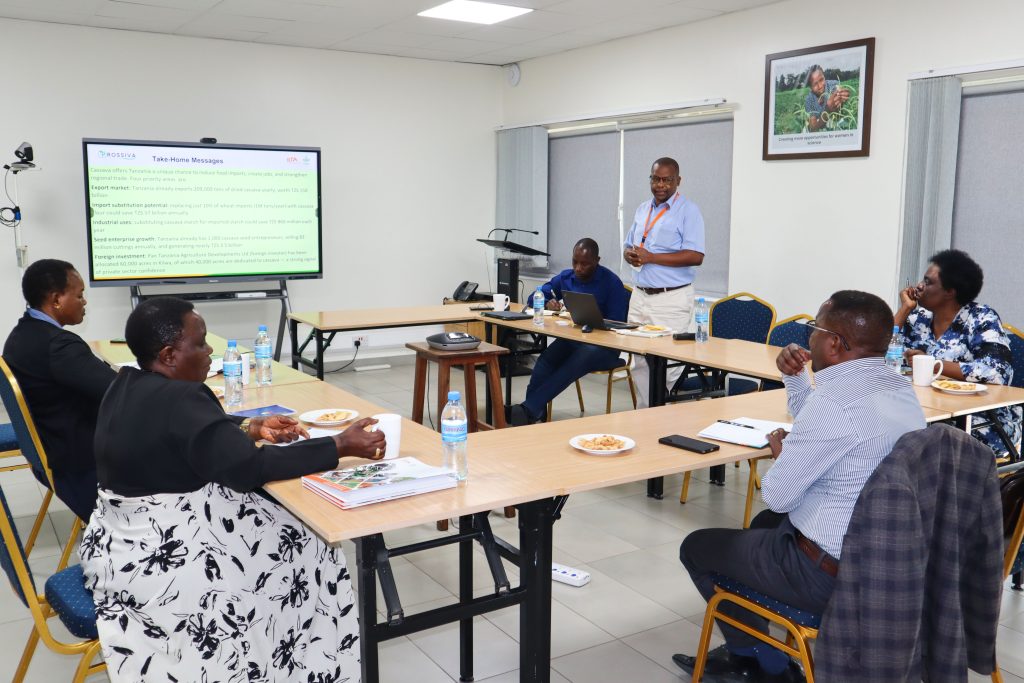
The IITA team with the Tanzania Ministry of Agriculture team.

Cassava is the second crop in production volume with an average production of 6.3 million metric tons, and the third most important staple food crop after maize and rice in Tanzania. About 1.9 million stakeholders are involved in business throughout the cassava value chain. The crop’s position signifies the need for strengthening the opportunities for its commercialization for increased government revenue, in line with addressing key constraints such as the use of poor quality seed of low-yielding varieties and agronomic practices, less use of improved technologies along the value chain; low levels of investment in cassava sub-sector; inadequate and volatile price for the cassava produces, limited and fragmented market information amongst the stakeholders.

In response to streamlining cassava commercialization, IITACGIAR, in collaboration with the Ministry of Agriculture, led by Dr Stephen Nindi, the Deputy Permanent Secretary, convened on 18 August to discuss strategic plans for cassava commercialization in Tanzania.
Pathways to commercialization

During the meeting, Lembris Laizer, the Project Coordinator, presented pathways for unlocking cassava commercialization in the country, focusing on four priority areas: strengthening the regional market, import substitution potential, industrial uses, and seed enterprise growth.

Laizer requested government support to strengthen regional trade in dried cassava. Currently, Tanzania exports 209,000 tons of dried cassava annually, worth approximately TZS 150 billion (approx. US$60 million) to Burundi, DR Congo, Rwanda, South Sudan, and Uganda. “Yet cost-effective improvements through establishing simple and effective drying facilities and aggregation infrastructures in strategic districts like Kakonko District could contribute approximately a 24% increase in trade volumes with a worth of US$4.8 million as an additional revenue annually,” he explained.

According to government official data, Tanzania’s heavy dependence on wheat imports remains a burden. In 2020, the country imported one million tons of wheat valued at US$231 million and 7,297 tons of starch worth US$3.3 million. Laizer emphasized that replacing just 10% of these wheat imports with cassava flour could save TZS 57 billion (US$22.8 million) annually. He further pointed to opportunities for engaging breweries, as practiced in Mozambique, and promoting cassava flour in pastries and related products.

On the other hand, Dr Juma Yabeja, a Senior Research Associate working on seed systems, explained that this is the right time for cassava commercialization in Tanzania due to the establishment of a cassava seed system for farmers to access certified cassava seed from the network of more than 1,000 cassava seed entrepreneurs (CSEs) countrywide.

“Certified cassava seeds by the Tanzania Official Seed Certification Institute (TOSCI) increase farmer productivity by over 80%, yielding an extra 7.5 tons per hectare compared to using their own saved seeds,” said Dr Yabeja.

Government commitment and collaborative efforts

According to Dr Nindi, in the 2025/26 budget, the Ministry has committed funds to support cassava commercialization, which aligns with the National Cassava Development Strategy (NCDS 2020–2030) ambitions. These commitments include supporting the Tanzania Agricultural Research Institute (TARI) in assessing industrial starch varieties and establishing cassava value addition centers in the Kigoma region. The initiatives directly advance the NCDS target of improving industrial processing capacity by 30% in major cassava production zones by 2030, while also transforming processor groups into Agricultural Marketing Cooperative Society (AMCOS) structures to strengthen farmer–market linkages.

“It is important to educate smallholder producers to adopt affordable, locally made technologies such as raised drying facilities to reduce post-harvest losses and contamination, major barriers that depress regional trade competitiveness.” Dr Nindi emphasized.

Dr Nindi urged IITA to work closely with the Government at both national and local levels to educate farmers on cost aggregation and financial management to rely less on subsidies. Farmers are urged to buy improved seeds to benefit economically through higher yields and stronger market opportunities.

Dr Frederick Baijukya, IITA Country Representative for Tanzania, suggested strengthening collaboration between actors. “We need to strengthen our collaboration in sharing findings,” he said. Stakeholders have the same vision on cassava but face a collaboration challenge.”

Dr Nindi further expressed his appreciation for IITA’s efforts in addressing key barriers to cassava commercialization and that such scientific and practical contributions are critical for ensuring Tanzania achieves its NCDS 2020–2030 ambitions and secures cassava’s place as both a food security and industrial crop.

IITA and the Ministry of Agriculture have committed to strengthening collaboration to ensure the successful commercialization of cassava, securing its role as a priority crop of Tanzania’s food and economic security.

Contributed by Gloriana Ndibalema

By Dr Godfree Chigeza, Soybean Breeder, International Institute of Tropical Agriculture (IITA), Dean Muungani, Product Manager – Grain Crops, IITA, and Lennin Musundire, CGIAR Accelerated Breeding TRANSFORM Lead for East Africa

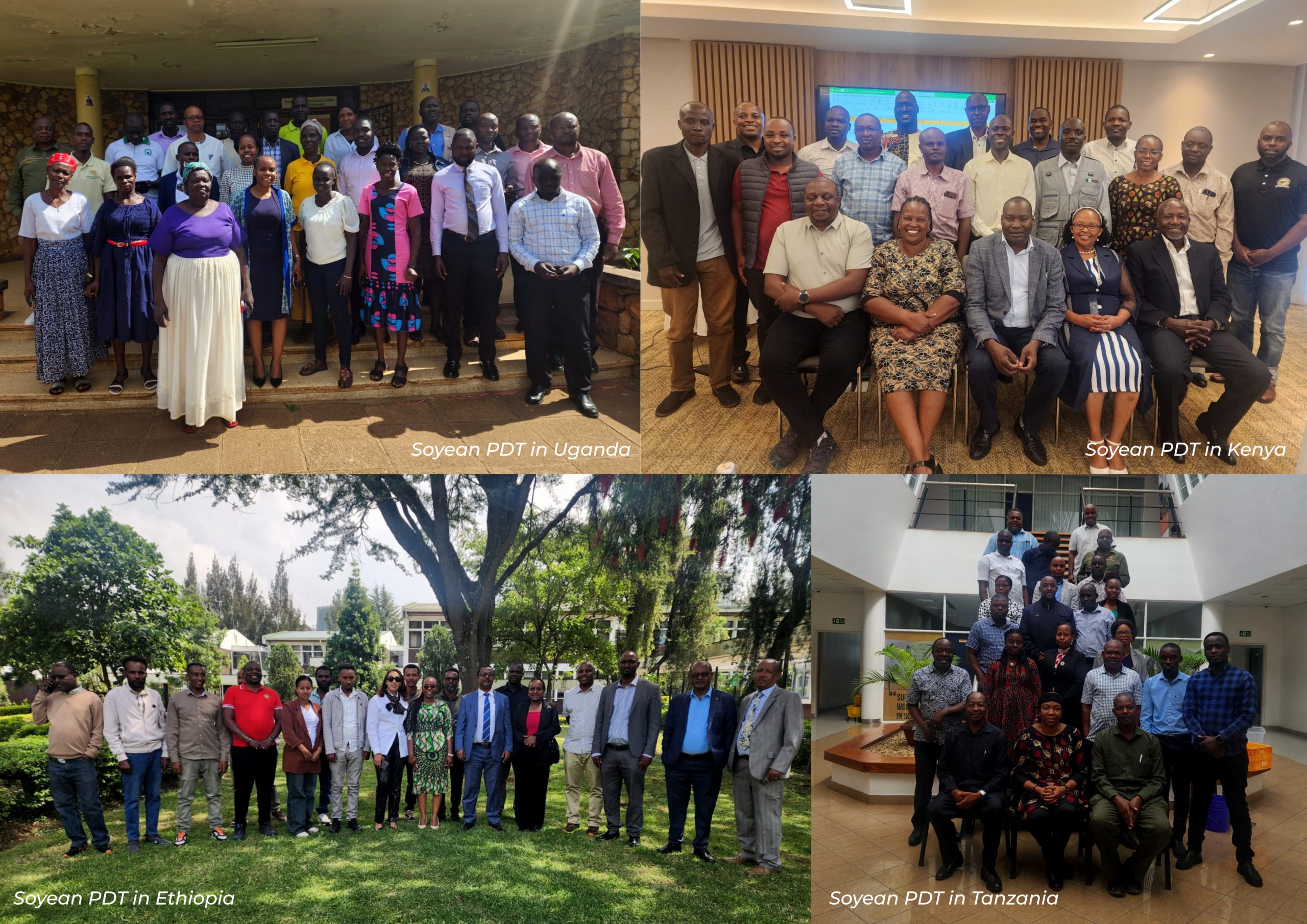
Group pictures of the PDT meetings of the soybean breeding network in East Africa. Credit: Lennin Musundire. This work contributes to CGIAR Breeding for Tomorrow (B4T) Science Program through its Accelerated Breeding and Enable areas of work.
Group pictures of the PDT meetings of the soybean breeding network in East Africa. Credit: Lennin Musundire.

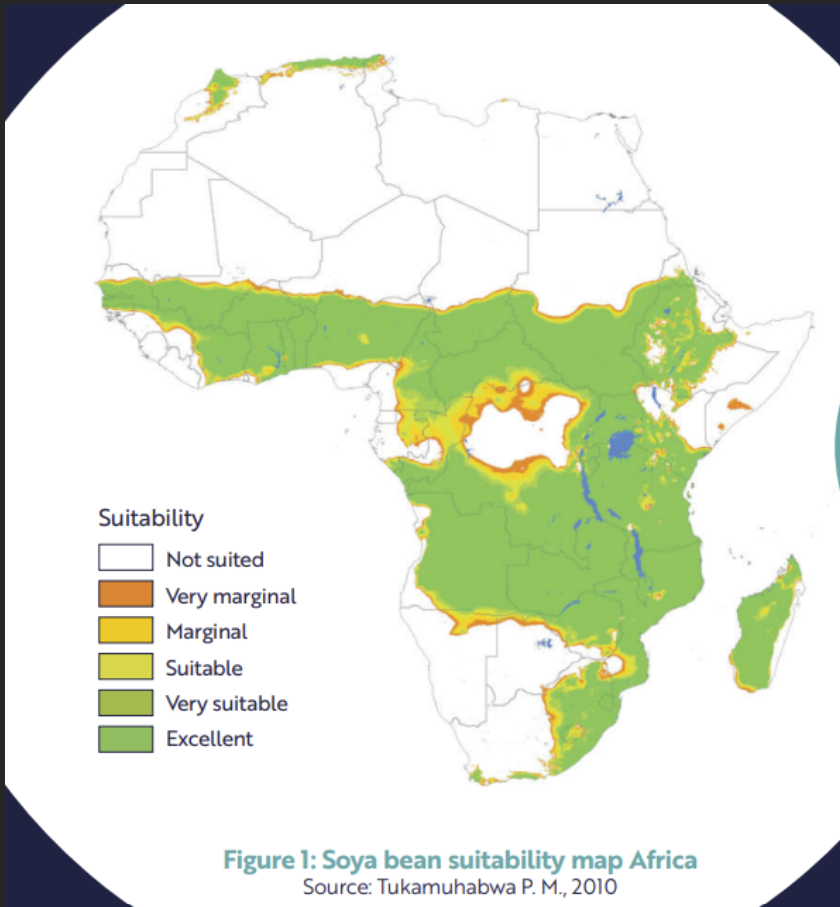
As climate variability increases, fueled by rapid population growth, changing diets, and expanding livestock and aquaculture sectors, demand for protein-rich crops, such as soybeans – a long-underutilised crop in East Africa – is stepping into spotlight. Yet, the region remains heavily reliant on imports, missing out on the economic and nutritional opportunities that a strong domestic soybean value chain could unlock.

To address this, a regional soybean breeding network is gaining traction, and experts say the time couldn’t be better. With funding support from the Gates Foundation, the network is being coordinated by International Institute of Tropical Agriculture (IITA), in collaboration with   national research programs, private sector players and universities, working together to operationalize  a regional soybean breeding network across Kenya, Uganda, Tanzania, and Ethiopia.

Why soybean and why now?

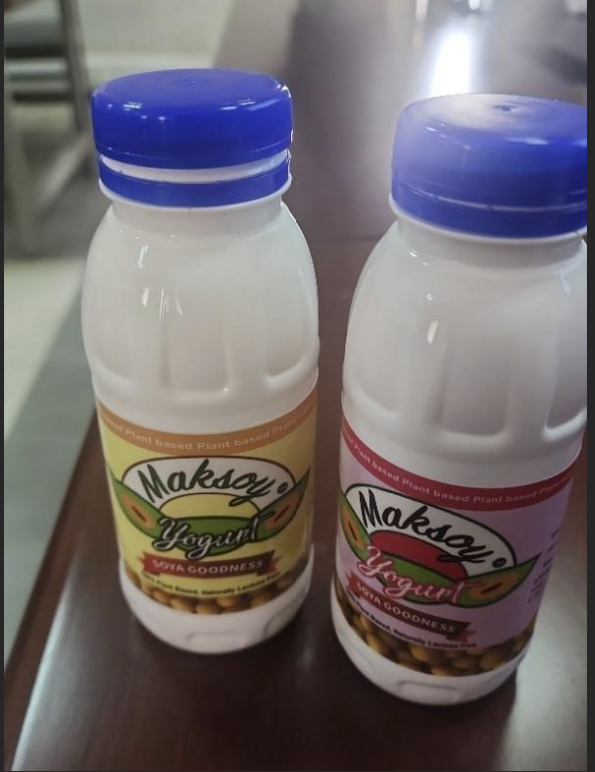
The soybean value chain holds great promises and demand is rising fast in East Africa. Soya is a source of protein which can be processed into soy-based food products and animal feed (e.g. soy meals or oilseed cakes), contributing to poultry, fish and livestock production for human consumption. It also produces edible oil as a co-product.

Figure 1: Soya bean suitability map Africa. Source: Tukamuhabwa P.M., 2010

Soya could support nutritional food security through soy-based foods and oils, but also increase soil health via nitrogen fixation and income generation through processing, value addition, and trade.

Despite favourable growing conditions, average yields across sub-Saharan Africa remain low – around 1.26 metric tonnes per hectare, compared to a global average of 2.76. In 2022 alone, Kenya, Tanzania and Uganda imported over 129,000 metric tonnes of soy products worth USD 84 million. In Kenya, current domestic production meets only 1% of annual demand, according to the Ministry of Agriculture and Livestock Development

In this context, improving regional production would reduce dependency on imports and significantly increase farmer incomes.  

Shared needs, shared solutions 

Soy yogurt in Uganda

Across East Africa, farmers and markets consistently demand similar core set of traits in soybean varieties. First and foremost, higher yields, then rust tolerance, improved oil and protein content, drought resilience and shorter maturity periods for varying agro-ecologies.  
 
Given these shared priorities, there’s no reason to breed in silos. By pooling resources, sharing germplasm, and specializing based on comparative advantages in the breeding process, the network member countries can breed faster, smarter, and together. 
 
“The goal is not just to improve breeding programs country by country,” says Lennin Musundire, CGIAR Accelerated Breeding TRANSFORM Lead for East Africa. “It’s to create a cohesive regional engine for soybean innovation, one that’s aligned with market needs and built to serve both farmers and processors.” 

From national priorities to regional design

The first step in building the East African Soybean Network was engaging national stakeholders. CGIAR Accelerated Breeding TRANSFORM convened national Product Design Teams (PDTs) in all five countries. These multidisciplinary teams bring together farmers, processors and seed companies, government extension agents, gender and nutrition specialists, researchers and agro-dealers.  

Together, they:  

  • Defined national market segments, based on maturity, colour, use, agroecology, and trait demand; 
  • Developed Target Product Profiles (TPPs) – roadmaps that set trait priorities and thresholds for each market segment; 
  • And aligned breeding goals with market realities, ensuring national research meets end-user needs. 

Simultaneously, each country’s breeding program underwent a baseline assessment using tools from CGIAR Accelerated Breeding and Breeding Resources. This helped breeding teams evaluate infrastructure, human capacity, and current practices, and develop tailored improvement plans per program and location.  

Designing the regional network  

With national plans in place, attention shifted to regional integration. The East African Soybean Network have now defined role differentiation based on capacity, using a harmonized CGIAR scale. For example, Kenya (a “2B” program) leads crossbreeding and shares germplasm with the rest of the network. Other members, ranked “5A” programs, focus on selection, evaluation, or testing. 

Across the network, members share germplasm, data, and knowledge, reducing duplication and maximising efficiency.  

Finally, as the whole network uses the same, harmonized market segments and TPPs, varieties can be released and commercialized across multiple countries, facilitating regional seed trade.  

Conclusion: regional breeding networks are the future

The East African soybean breeding network is still in its early stages, but its foundation is strong. By linking national expertise, CGIAR partnership framework and tools, private sector insight, and university training capacity, the network promises faster development of improved soybean varieties, greater resilience in regional protein supply chains and, ultimately, economic benefits for farmers, processors, and consumers in East Africa.   

As the partnership grows, CGIAR and national partners will continue to invest in shared infrastructure, training, and data systems, while helping countries track genetic gain, variety turnover, and market impact. 

The soybean breeding network is a blueprint for regional breeding collaboration, aligning science with markets, breaking institutional silos, and delivering value across the value chain. With rising demand and urgent needs for local protein sources, East Africa’s soybean story is just the beginning as similar efforts are underway in Southern and West Africa.  

Main picture: Group pictures of the PDT meetings of the soybean breeding network in East Africa. Credit: Lennin Musundire. This work contributes to CGIAR Breeding for Tomorrow (B4T) Science Program through its Accelerated Breeding and Enable areas of work. 

Researcher in practical session

Banana breeding is a slow and time-consuming process, and it is currently taking almost a decade in Tanzania to develop new varieties due to the crop’s complex genetics, sterility, and long generation cycles. In efforts to improve banana breeding through research, there is a great need for research institutes to increase collaboration with the National Agricultural Research System in data collection and provide feedback to breeders that will facilitate and fast-track the release.

In recognizing the critical role of the NARS in supporting high-quality data in crop improvement, recently, IITACGIAR, in collaboration with the Tanzania Agricultural Research Institute (TARI) and the Tanzania Official Seed Certification Institute (TOSCI), trained the banana breeding staff and researchers on data collection using digital tools. The training was held in four TARI stations in Kagera, Mbeya, and Kilimanjaro regions.

The training objective was to increase efficient, standardized, and quality-controlled data generation across institutions. The training covered data management components, including trait harmonization and fieldbook data collection, uploading and accessing data on Musabase, and preliminary data analysis.

“IITA initiated a regional banana breeding network in East Africa, of which standardization of data collection benefits all partners by facilitating data sharing of common material across different environments,” explained Dr Allan Brown, the IITA Banana Breeder.

Participants during the training.

Brown noted that digital data collection reduces human errors associated with pen and paper and improves accuracy and efficiency. Moreover, digital tools capture real-time data that enables fast decision-making. Simultaneously, cloud-based storage allows seamless collaboration among researchers across locations and supports long-term data tracking, enabling breeders to analyze trends and refine strategies over time.

Participants engaged in theoretical and hands-on practical sessions to ensure a deep understanding to apply in the field. They learned various components in the data collection process, including basic preliminary analysis on the uploaded data, incorporating covariates such as season and location and identifying any potential outliers for correction, as well as performing preliminary data analysis with a focus on real-time quality checks, such as identifying and correcting outliers, and modeling covariate effects.

“These digital tools make work easier and well-organized,” said Floramanka Ndakidemi, a researcher from TARI. In addition, Emmanuel Mlay, a researcher from TOSCI, applauded the initiative to use digital tools that reduce handwritten notes and lost files while making the data collection faster, more accurate, and easier to share. “Everything can be digital,” he excitedly said.

During the field visits, the participants integrated the digital tools. Each participant successfully created a Musabase account that would enable them to access data across the stations, with follow-up support in progress. IITA also provided 10 data collection devices to stations that conduct banana multi-location trials for efficient data collection activities.

This is part of a greater initiative to strengthen the National Programs, and in this case, TARI, which was recently also trained in using molecular markers to conduct varietal identification in experimental and farmers’ fields. The overall aim is to deliver much faster, high-yielding varieties to farmers. These interventions are now planned to be implemented with other members of the banana-breeding network. The activity is part of the Roots, Tubers, and Bananas breeding program.

Contributed by Hadi Rashid and Gloriana Ndibalema

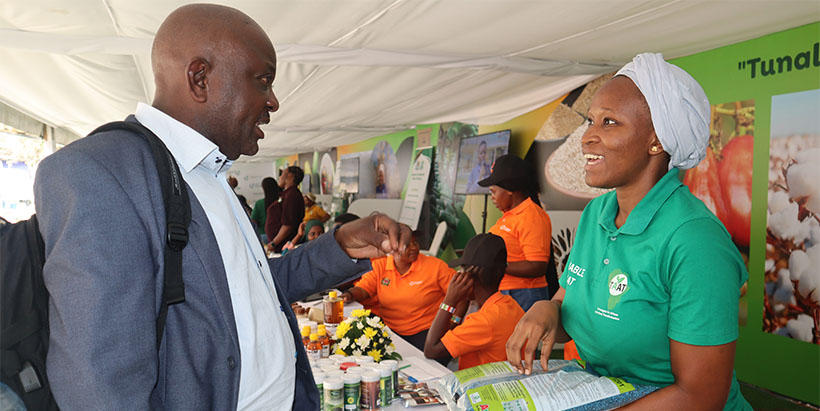
IITA researcher, Nakato, Valentine showcasing tissue culture technology in banana to visitor. (Photo: Hadi-IITA)

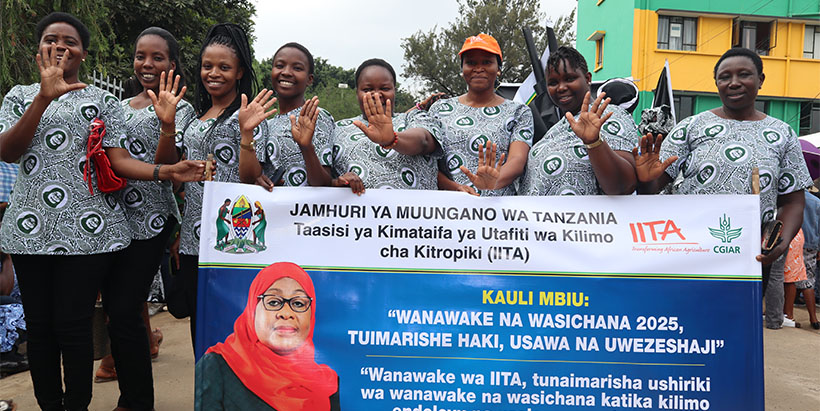
Following a week-long exhibition from 1 to 8 March, IITACGIAR participated in the national celebration of International Women’s Day (IWD) held on 8 March 2025 in Arusha, Tanzania. This year’s national theme, “Wanawake na wasichana 2025: Tuimarishe haki, usawa na uwezeshaji,” translates to “Women and girls 2025: Strengthening justice, equality, and empowerment.”

The exhibitions were organized by the Ministry of Community Development, Gender, and Children in collaboration with the Regional Commissioner’s Office in Arusha, providing a platform for women from different sectors to showcase their impactful contributions.

On the invitation of the Tanzania Ministry of Agriculture, IITA showcased agricultural technologies researched and co-developed by women and men scientists. The technologies showcased include banana breeding, Aflasafe, the PlantVillage Nuru digital tool and controlling and managing the banana bunchy top disease, all contribute to transforming Tanzania’s food systems.

IITA researcher, Fatma Mussa showcasing Aflasafe product to visitor. (Photo: Hadi-IITA)

During the celebration, Her Excellency Dr Samia Suluhu Hassan, the president of Tanzania, expressed her gratitude to government institutions and non-governmental organizations for their commitment and contributions to women and girls’ development across sectors, echoing the global theme “For all women and girls: Rights, equality, empowerment.”

“Coming together is important in driving the necessary changes the government strives for. Today, I want to highlight that significant policy and legal measures have been, and continue to be, implemented to eliminate oppressive traditions and discrimination against women and girls.”

Dr Suluhu noted that gender equality has progressed significantly, with positive changes occurring. Reflecting on previous years, she noted an increase in women’s participation in both government and private institutions, with a substantial increase in leadership positions such as members of parliament, ministers, and even councilors – far more than in the past. “The private sector has also played a key role in promoting and supporting women to reach higher positions,” she added.

The young women researchers at the event engaged with visitors and shared research-driven solutions, many of which are ready to be scaled and adopted by farming communities. This impressed the visitors with the good work IITA is doing in the country.

 IITA team in group photo during celebration of IWD. (Photo: Hadi-IITA)
IITA team in group photo during celebration of IWD. (Photo: Hadi-IITA)

“Women’s Day has been a remarkable learning opportunity for us. After visiting the IITA booth, we gained valuable insights into the scientific methods of banana production. We learned that banana plants have seeds, something we never knew before as students,”  Devotha Kalakinandosi, a student at Kisonga Foundation College in Moshi, expressed.

“Additionally, we learned about aflatoxin and using Aflasafe to improve maize productivity. This knowledge is crucial for ensuring food security. I pledge to use what I have learned to raise awareness in my community about Aflasafe and its role in reducing the health risks and food waste,” she said.

Moreover, Emma Edward, a resident of Moriet, expressed her excitement about visiting the IITA booth, where she learned about banana diseases and breeding processes, including the role of tissue culture technology in improving banana plants to enhance food security.

“I thank the Ministry of Agriculture for facilitating IITA’s participation at the event; the team is providing valuable agricultural knowledge to help farmers improve their productivity,” Edward said.

As the year’s women’s global campaign is advocating for action in promoting gender equality, fostering empowerment and advancing women’s and girls’ rights, IITA continues to commit to engaging women and youth in agricultural development by increasing decent jobs in targeted services and markets,  fostering their entrepreneurial competence and agribusiness skills in ways that generate opportunities that grow with time through its strategic objective in the new IITA 2024-2030 Strategy.

Contributed by Hadi Rashid

“We were placed on earth to fulfill a purpose, and that purpose is what gives meaning to our lives. You were sent to the world to make an impact and a difference.” – Myles Munroe

This quote gives meaning following the Tanzania Ministry of Education, Science, and Technology’s presentation of the High-Level Recognition Award in Science, Technology, and Innovations to Dr Kiddo Mtunda, a seasoned plant breeder from IITACGIAR.

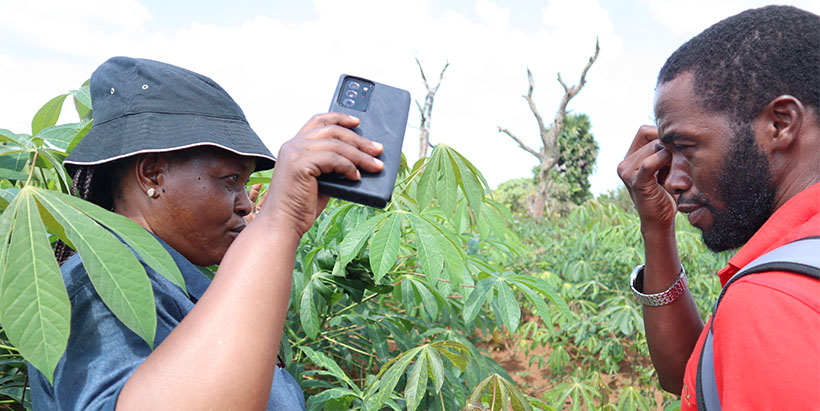
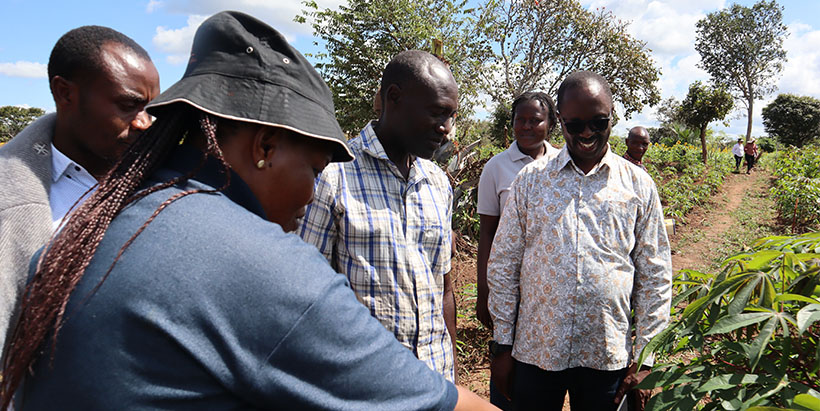
Dr Kiddo Mtunda on a cassava field with a team member.

The award ceremony attended by the Deputy Prime Minister and Minister of Energy, Honorable Dr Doto Mashaka Biteko took place during the 9th Science, Technology, and Innovation Conference and Exhibition (STICE), hosted by the Tanzania Commission for Science and Technology (COSTECH) at the Julius Nyerere International Conference Centre in Dar es Salaam from 2nd to 4th December 2024.

With the theme, “Harnessing science, technology and innovations for climate resilience and competitive economy,” the conference focused on sharing research and innovation results, displaying scientific and technological development, and discussing how STI can contribute to the country’s socio-economic development in achieving the Sustainable Development Goals (SDGs).

Dr Mtunda was recognized for her contribution to the country’s agriculture sector by developing improved varieties and disseminating them to farmers.

“In my life, I chose fighting hunger through science, technology, and innovations,” Dr Mtunda expressed. She noted that she felt honored and delighted to receive that noble recognition and award from the Government of Tanzania.

This proves the “With Science We Can” campaign under CGIAR, emphasizing the importance of scientific research and innovation in tackling issues such as climate change, food insecurity, and biodiversity loss.

Dr Kiddo Mtunda during a field survey with other researchers.

Dr Mtunda is the Technical Lead for the Muhogo Bora Project, which is scaling up the Building an Economically Sustainable and Integrated Cassava Seed System (BASICS II) model in Tanzania’s Western and Central zones. The project has trained 242 cassava seed entrepreneurs, 130 extension staff, and more than 5,000 farm families, indirectly benefiting 164,000 individuals through access to clean cassava planting materials.

With over 20 years of experience in agricultural research, Dr Mtunda has made significant progress in developing and promoting innovative technologies to enhance the productivity of root and tuber crops, particularly cassava and sweet potato. Her efforts have directly contributed to the release of 15 improved crop varieties in Tanzania – nine cassava and six bio-fortified sweet potato varieties. These varieties, including Vitamin A-enriched, orange-fleshed sweet potatoes, have boosted agricultural yields and addressed critical nutritional deficiencies among communities.

One of her most notable initiatives, “Fast-tracking access to improved and popular varieties of root crops,” directly benefited more than 229,000 households in Tanzania and Uganda by providing access to high-yielding and disease-resistant varieties.

While working with the Tanzania Agricultural Research Institute (TARI), Dr Mtunda was actively involved in the development of seed systems of root and tuber crops in Tanzania, collaborating closely with the Tanzania Official Seed Certification Institute (TOSCI), International Institute of Tropical Agriculture (IITA), International Potato Center (CIP), and other key stakeholders in the seed industry. Her science, technology, and innovation successes became possible through capacity strengthening and support from the Government of Tanzania, IITA, Alliance for Green Revolution in Africa (AGRA), CIP, and development partners.

Dr Mtunda’s influence extends beyond research; she has played an important role in  Tanzania’s agricultural development and contributed to the National Cassava Development Strategy and National Biofortification Guidelines. Her work as a Borlaug LEAP Fellow and Vice President of the International Society for Tropical Root Crops – Africa Branch (ISTRC-AB) between 2017 and 2020 has cemented her reputation as a leader in agricultural innovation.

As she continues her work at IITA, scaling up innovative seed systems and empowering farmers, Dr Mtunda’s legacy as a leader in agricultural science remains an inspiration for Women and Girls in Science for future generations

Contributed by Gloriana Ndibalema