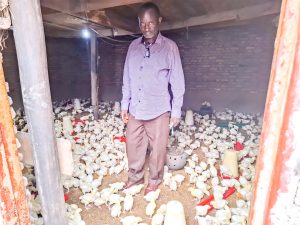
Photo: Maurice Murishi with the three to five days old chicks.

In the quiet village of Buringa in Gihanga Commune, Bubanza Province, a 59-year-old entrepreneur and livestock farmer, Maurice Murishi, is changing the face of poultry farming in Burundi. What began as a small poultry business is now a thriving enterprise that is improving lives and incomes across several provinces.

“People shifted to chicken as their primary source of meat due to the national shortage of beef,” Maurice explains. “Since then, the demand has increased tremendously.”

But as the demand grew, local poultry breeds struggled to keep up. Existing chicken breeds were disease-prone and of low productivity, making it hard for farmers to meet market needs. That changed when the Great Lakes Accelerated Innovation Delivery Initiative Rapid Delivery Hub (AID-I GLR), locally known as the Kugwiza Project, stepped in.

With support from local partners like Confederation des Associations des Producteurs Agricoles pour le Developpement (CAPAD), Association de Coopération et de Recherche pour le Développement (ACORD), Welthungerhilfe (WHH), and International Livestock Research Institute) ILRI, the project introduced an innovative small pack approach, distributing a few high-quality chicks per household to demonstrate the benefits of the disease-resistant poultry breed called SASSO. This strategy allowed farmers to test the breed in their own environments, sparking rapid adoption and word-of-mouth demand. According to Maurice, the new breed has been a game-changer.

“The SASSO breed is well-suited to our local climate, resists disease, and can be raised in both zero-grazing and open-grazing systems,” he says. “Our customers love it!”

Maurice’s poultry business has grown rapidly since he started working with the project. In 2022, he sold just over 10,000 chicks. By 2023, that number had climbed to more than 12,000, and in 2024, it more than doubled. From January to March 2025 alone, he had already sold more than 21,000 chicks to local intermediary traders working across Kugwiza-supported zones.

The small-pack approach proved revolutionary. By distributing just five chicks per household; four hens and one rooster; along with starter kits of feed and medicine, the project enabled farmers to see tangible results quickly. “Giving a few chicks per household was an innovation,” Maurice notes. “It allowed people to test the breed in real-time and created high demand. I want to replicate this model in other areas where I have operations.”

To meet this growing demand, Maurice developed a network of four young intermediaries operating in the provinces of Bubanza, Cibitoke, Gitega, and Ruyigi. These young entrepreneurs buy two-month-old chicks and sell them to farmers in rural areas, helping expand access while generating income for themselves.
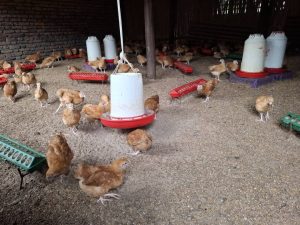
Photo: Two-month-old chicks at Maurice’s poultry house, ready to be distributed to intermediaries for wider dissemination to farmers.

“The marketing strategy was initiated by the Kugwiza Project,” Maurice explains. “It encouraged us to work with intermediaries and offer them profit margins so they could expand distribution in underserved areas.”

One of these intermediaries is 27-year-old Paul Nsabiyumva from Mutaho Commune in Gitega Province. Paul began selling chicks in 2021, but it wasn’t until the SASSO breed was introduced that his business took off.

“I heard about SASSO through CAPAD, and they connected me with Maurice in Bujumbura,” says Paul. “I traveled to meet him, and in 2024, I started ordering SASSO chicks to sell in Mutaho and Bugendana.”

Since then, Paul has witnessed firsthand the benefits of the new breed. Not only do SASSO chickens resist common diseases, but they also lay an average of six eggs per week when well fed, thus doubling the productivity of traditional breeds. Prices have skyrocketed. A two-kilogram chicken that sold for 35,000 Burundian francs (BIF, equivalent to USD 11.66) in 2021 now goes for BIF 70,000 (USD 23.33), while the price of an egg has increased from BIF 800 (USD 0.26) to BIF 1,000 (USD 0.33). In a rare win-win for both producers and consumers, despite this price increase, chicken still remains more affordable than beef, which costs BIF 40,000 per kilo (USD 13.3).

And neither has the rise in price stemmed the business boom. Quite the opposite. A boost. “As demand is still rising, I’m planning to take a loan to expand my business,” Paul says. He also plans to diversify. “I even want to start selling chicken feed to meet the growing needs of farmers.”

The benefits of the Kugwiza Project go beyond distributors and entrepreneurs. In Birimba village, also in Gitega Province, Jovith Ngendakumana, a 45-year-old mother of six, has transformed her family’s income thanks to the SASSO breed.

“Previously, my children raised local chickens for fun,” she explains. “Then I attended a community meeting organized by CAPAD and ILRI, where we learned about the SASSO breed that resists disease and has good egg production.” In terms of meat and egg production, SASSO is amongst the best poultry hybrid breeds for smallholder farming.
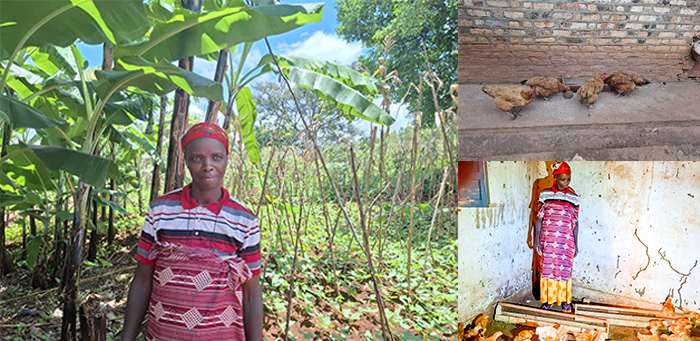
Jovith has received SASSO chicks to test and has just started to breed and market the hens.

Jovith received five chickens, four hens and one rooster, along with feed and medicine. Within four months, her hens are giving her increased production for household consumption and income generation. She sold part of her egg harvest, using the income to buy more chicks and invest in her farm.

“With the profits, I bought 30 chicks from Paul,” she says. “Soon, I’ll be getting a continuous and sustainable egg production and income to help me pay school fees, buy household essentials, and even invest in new activities.”

The popularity of SASSO has also sparked interest among Jovith’s neighbors. At least 12 families – mostly young people – have visited her home, seen the results, and begun poultry farming themselves.

“The Kugwiza Project changed my family’s life,” she says. “Thanks to this breed, I can buy salt, oil, and notebooks for my children. May God bless this project, and please expand it to reach other women-led households in other provinces.”

Suppliers like Maurice Murishi have embraced the small-pack model, integrating it into their marketing strategies to reach more farmers. “The approach is a win-win,” Maurice adds. “Farmers see quick results, and we suppliers benefit from the growing demand. Now, I’m recruiting more intermediaries to expand into new zones using the same method.”

With the chicken market thriving and young people seizing new business opportunities, the disease-resistant SASSO breed has not only brought better meat and egg production but also revitalized rural economies and strengthened Burundi’s livestock value chain.

However, the poultry hybrid breed system in Burundi is not yet fully developed. As a result, SASSO day-old chicks must still be imported from outside the country, since there is currently no local capacity to maintain parent stock. This dependency makes the supply chain fragile and poses a challenge for sustainable growth. Chick suppliers like Maurice Murishi remain reliant on importers to keep their businesses running. Fortunately, farmers do not attempt to produce their own chicks from grown chicks but instead continue to obtain healthy stock from trusted suppliers like Maurice. For long-term resilience and efficiency, Burundi must deliberately invest in establishing facilities to produce and maintain the locally adapted and productive poultry parent stocks, as well as in producing quality feed and vaccines essential for maintaining bird health and productivity.

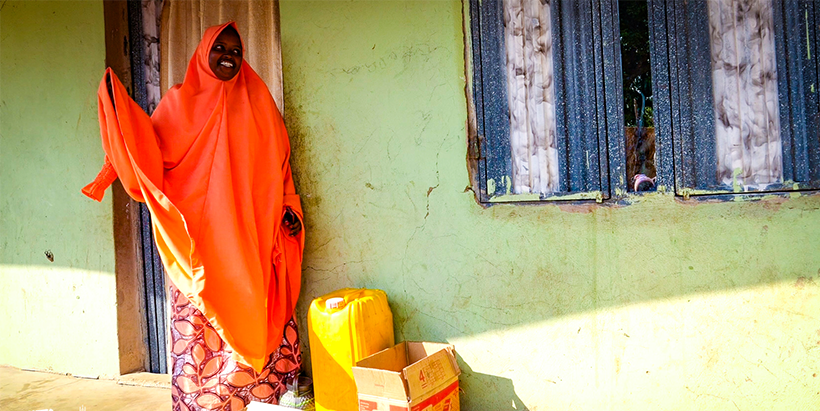
 

 Zainab Aliyu with her goats
Zainab Aliyu with her goats

In the blistering heat that greets each morning in most communities in Northern Nigeria, Zainab Aliyu, a palm oil seller, dares the suffocating heat in her Ribadu Kauta Hore community in Adamawa State to make a living for herself and contribute to her husband’s meager income.

With her baby strapped to her back every morning, she traverses the length and breadth of her community, her tired eyes desperately scanning the horizon for patronage. However, despite the laborious daily ritual, she only earned peanuts, barely enough to alter the family’s fortunes.

Meanwhile, after years of toiling, the turning point came for Zainab one evening when a neighbor introduced her to an upcoming agribusiness training organized by IITA through one of the Youth in Agribusiness projects. Determined to turn her flickering dream into reality, she said she journeyed a few kilometers to the screening venue the following day and got selected for the training. She said the training and support she received marked her transition to agribusiness and a better life.

“I used to sell red oil,” she remarked. “But we were taught how to milk cows properly during the training. After the training, I began applying what I learned by milking cows, and my income increased, such that I could buy many things from the profit I realized. I bought maggi, pepper, salt, detergent, and soap. I also expanded my business.”

Zainab Aliyu in front of her house.

That was not all; she said the project removed the milk marketing burden. “In the past, we had to carry our milk to town to sell, but now the project has been arranged for people who buy the milk from us,” she said excitedly. “They trained and provided us with water, and we are grateful to them.”

She said the project also provided guidance on how to manage their income. “They assisted us in opening bank accounts and taught us to divide our profit into three. The first part is to increase our capital, the second is for our personal and family needs, and the last is for our savings. This was what made me happy, and you know when you are happy, you shed tears of joy,” she concluded amid tears.

On account of this, Zainab said she had been able to contribute significantly to her family’s finances. “The training has greatly impacted me because now I can contribute to some of the family’s needs. Sometimes, my husband comes to me when he is low on cash, and I give it to him. I cater to some of my children’s responsibilities and assist my neighbors financially, especially during weddings and naming ceremonies. I am grateful for this opportunity as it is helping me become a responsible woman.”

Away from the routine of moving from street to street in the sweltering heat, she now has more time for her family. “When I wake up at 5 am, I sweep the house, and after that, I milk the cow. Once I am done, I return home to do some chores. So, I can work while handling the affairs at my home,” she said.

While appreciating her husband for his support, she stated, “He has been okay with it and very supportive. For instance, when I don’t have capital, my husband supports me with some money to help boost my business. He provides for my needs, and it is only when he doesn’t have that I assist with what is needed in the house.”

Contributed by Jesutofunmi Robinson

A landmark study published in Nature’s Communications Biology by IITA scientists showcases how CRISPR-based gene editing offers hope for East Africa’s banana farmers.

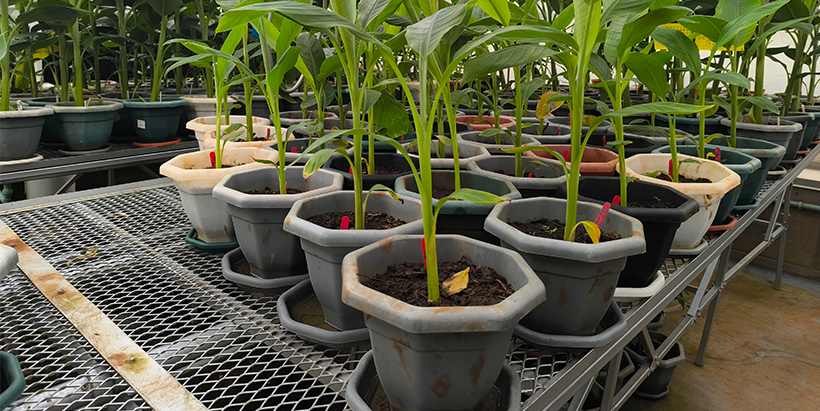
Edited banana plants growing in the screenhouse.

Scientists at IITA-CGIAR have made a major breakthrough in the fight against Banana Xanthomonas Wilt (BXW), a devastating bacterial disease threatening banana crops across East and Central Africa. The findings, recently published in Communications Biology, the prestigious journal from the Nature portfolio, demonstrates how gene editing can be used to develop disease-resistant banana varieties.

Using CRISPR-Cas9 technology, the IITA researchers precisely knocked out two banana endogenous genes, MusaPUB22 and MusaPUB23, in the BXW-susceptible ‘Sukali Ndiizi’ cultivar. Previously identified through transcriptomic studies, these genes were found to be more active in plants vulnerable to BXW. When the scientists turned these genes off, the banana plants were able to mount a stronger defense against the disease.

The results were striking: several gene-edited banana lines completely resisted BXW. Importantly, the plants maintained healthy growth, suggesting that disabling these genes does not compromise overall plant development.

“This publication not only affirms the high-quality science at IITA but also signals a new frontier for how we can use gene editing to address urgent agricultural threats in Africa,” said Dr Leena Tripathi, Director of IITA’s Eastern Africa Hub and Biotech Program Lead. “Gene editing gives us a powerful, precise way to improve crops while staying aligned with public and regulatory expectations. We’re excited to contribute a solution that could eventually protect millions of smallholder banana farmers from devastating losses.”

The study positions MusaPUB22 and MusaPUB23 as “susceptibility genes”—genes that inadvertently help pathogens by suppressing the plant’s immune responses. When these genes were disabled, the plants displayed enhanced resistance mechanisms, including hydrogen peroxide accumulation and activation of key immune-related genes.

Beyond its scientific contributions, the study has practical implications for developing disease-resistant banana varieties without introducing foreign DNA, making the gene-edited bananas potentially more acceptable to regulators and the public.

Contributed by Rose-Harriet Okech

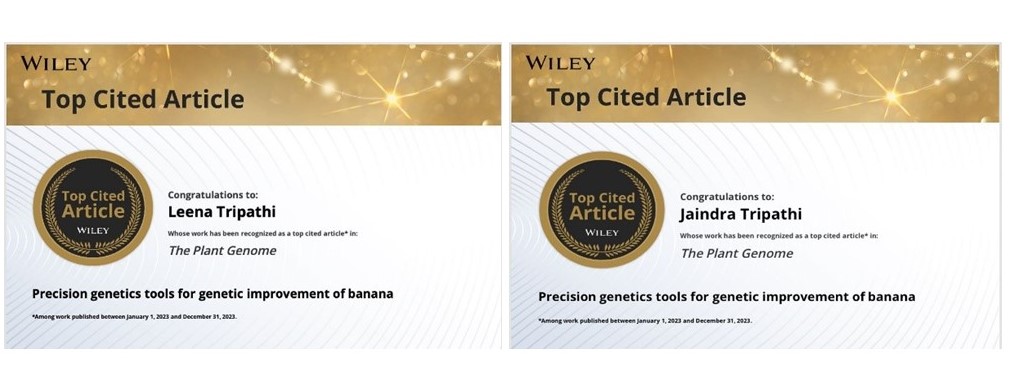
A review paper on the genetic improvement of bananas has been selected as one of Wiley’s most cited papers, highlighting its critical role in improving one of the world’s most important staple crops.

Published in The Plant Genome, the research probes into CRISPR/Cas genome editing techniques that could impact banana breeding, making the crop more resilient to devastating diseases. Led by a team of scientists from the International Institute of Tropical Agriculture (IITA), the widely referenced paper “Precision Genetics Tools for Genetic Improvement of Banana” addresses long-standing challenges in banana production and offers a precise, efficient, and sustainable solution for farmers worldwide.

Certificates of Recognition

The study explores genome editing techniques, particularly using CRISPR/Cas technology to develop disease-resistant banana varieties. Given the devastating threats posed by Banana Xanthomonas Wilt (BXW), Fusarium Wilt, and viral diseases, their work highlights the power of precision breeding in tackling these challenges. This paper highlights the limitations of conventional breeding methods and presents genetic engineering as a fast-track solution to safeguarding banana production, a staple crop for over 400 million people globally.


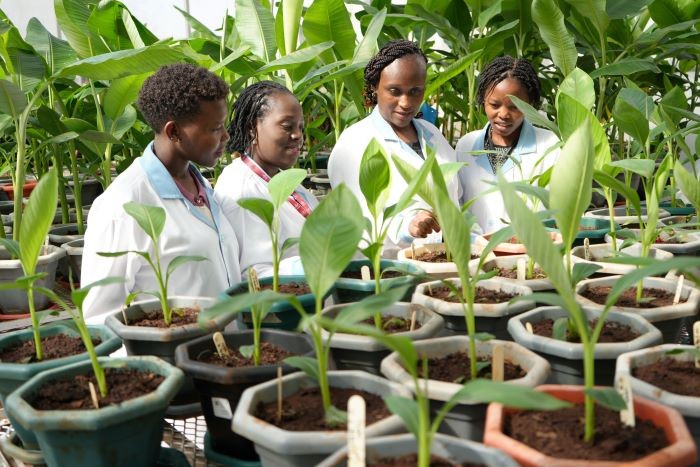
Members of the IITA Biotech team assessing edited plants in the glasshouse

Reflecting on the recognition, the IITA Eastern Africa Hub Director and Biotechnology Program Lead, Dr Tripathi, said, ” Genome editing offers a revolutionary approach to improving bananas, providing a precise, efficient, and sustainable solution to tackle major production challenges. This recognition affirms the impact of our research in shaping the future of banana biotechnology.”

This achievement further reinforces IITA’s leadership in agricultural research. IITA continues to advance genome editing in other staple crops, ensuring food security and economic stability for smallholder farmers across Africa.

To read the full study, click here: Precision genetics tools for genetic improvement of banana.

Contributed by Rose Harriet Okech

IITACGIAR reaffirms its commitment to recognizing and applauding women and girls for their resilience, impact, and contributions to agriculture, research, and food security. On 10 March, IITA celebrated International Women’s Day with the theme: “For ALL Women and Girls: Rights. Equality. Empowerment.”

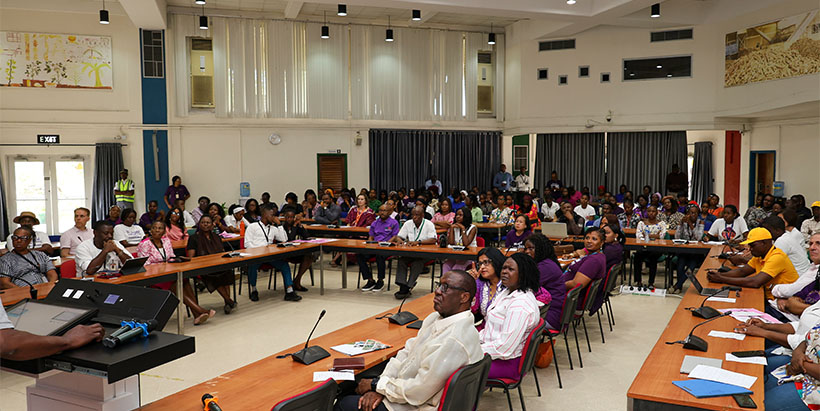
Participants at the IWD awareness event at IITA headquarters.

The event commenced with a commemorative walk to honor the invaluable contributions of women in agriculture and development. This was followed by an awareness event at IITA’s headquarters in Ibadan, with staff from hubs and stations across Africa joining virtually. The Talent Management and Engagement Manager, Lade Oke, moderated the session.

The IITA Director General, Dr Simeon Ehui, expressed deep appreciation for the role of women and girls in shaping the agricultural landscape. “IITA’s strength lies in its diversity, and the contributions of women are instrumental in transforming lives across Africa. Thank you all for making IITA a center for equality and excellence,” he stated.

Executive Director of the Global Phosphorus Institute, Dr Mamou Ehui, highlighted the barriers women face in receiving recognition and opportunities. She emphasized the importance of celebrating International Women’s Day as a reminder of collective strength. “Our voices are often unheard, and our contributions overlooked. But every role a woman plays is essential. Without women, there is no progress and no future. When women rise, the whole world rises with them,” she declared.

IITA Director General, Dr Simeon Ehui, giving his welcome address during the IWD event at IITA heaquarters in Ibadan.

A key event highlight was a playlet titled “Dare to dream” by the IITA International School’s students. The performance emphasized the significance of women and girls setting ambitious yet achievable goals in any field they choose. Additionally, a video documentary featured IITA women sharing the challenges they have faced in attaining equality and recognition and the stories of how they navigated these barriers to empower themselves and others. Male allies also contributed by sharing ways they have supported gender equality, including their efforts in raising and mentoring young women.

Business Development Officer for the IITA Youth Agripreneurs (IYA), Mosadoluwa Omolade, shared the program’s success in empowering over 59,000 women and girls to build thriving agribusinesses. She highlighted inspiring stories of young women who have broken barriers, pioneered innovations, and transformed Africa’s food systems. “From learners to leaders, from aspirations to achievements, we celebrate these young women shaping Africa’s future,” she said.

The event concluded with an insightful panel session and a live broadcast from Radio IITA. The staff discussed the importance of promoting women’s rights and empowerment in research, science, and society.

Contributed by: Ochuwa Favour Daramola

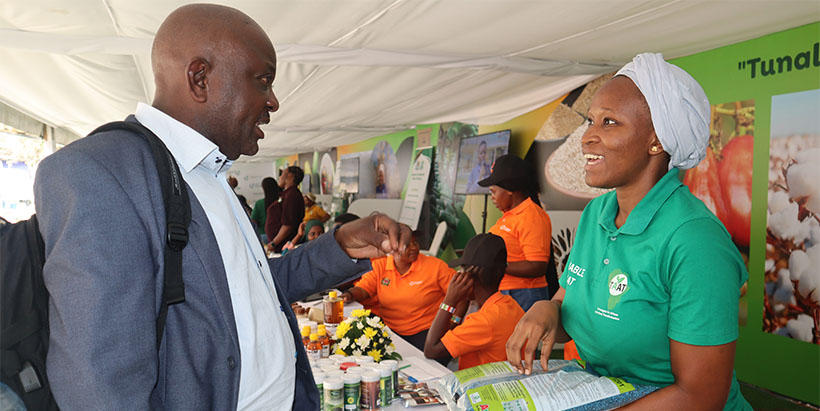
IITA researcher, Nakato, Valentine showcasing tissue culture technology in banana to visitor. (Photo: Hadi-IITA)

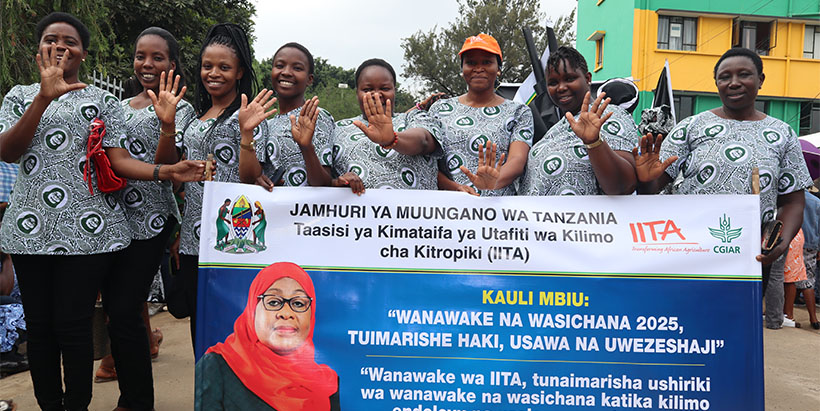
Following a week-long exhibition from 1 to 8 March, IITACGIAR participated in the national celebration of International Women’s Day (IWD) held on 8 March 2025 in Arusha, Tanzania. This year’s national theme, “Wanawake na wasichana 2025: Tuimarishe haki, usawa na uwezeshaji,” translates to “Women and girls 2025: Strengthening justice, equality, and empowerment.”

The exhibitions were organized by the Ministry of Community Development, Gender, and Children in collaboration with the Regional Commissioner’s Office in Arusha, providing a platform for women from different sectors to showcase their impactful contributions.

On the invitation of the Tanzania Ministry of Agriculture, IITA showcased agricultural technologies researched and co-developed by women and men scientists. The technologies showcased include banana breeding, Aflasafe, the PlantVillage Nuru digital tool and controlling and managing the banana bunchy top disease, all contribute to transforming Tanzania’s food systems.

IITA researcher, Fatma Mussa showcasing Aflasafe product to visitor. (Photo: Hadi-IITA)

During the celebration, Her Excellency Dr Samia Suluhu Hassan, the president of Tanzania, expressed her gratitude to government institutions and non-governmental organizations for their commitment and contributions to women and girls’ development across sectors, echoing the global theme “For all women and girls: Rights, equality, empowerment.”

“Coming together is important in driving the necessary changes the government strives for. Today, I want to highlight that significant policy and legal measures have been, and continue to be, implemented to eliminate oppressive traditions and discrimination against women and girls.”

Dr Suluhu noted that gender equality has progressed significantly, with positive changes occurring. Reflecting on previous years, she noted an increase in women’s participation in both government and private institutions, with a substantial increase in leadership positions such as members of parliament, ministers, and even councilors – far more than in the past. “The private sector has also played a key role in promoting and supporting women to reach higher positions,” she added.

The young women researchers at the event engaged with visitors and shared research-driven solutions, many of which are ready to be scaled and adopted by farming communities. This impressed the visitors with the good work IITA is doing in the country.

 IITA team in group photo during celebration of IWD. (Photo: Hadi-IITA)
IITA team in group photo during celebration of IWD. (Photo: Hadi-IITA)

“Women’s Day has been a remarkable learning opportunity for us. After visiting the IITA booth, we gained valuable insights into the scientific methods of banana production. We learned that banana plants have seeds, something we never knew before as students,”  Devotha Kalakinandosi, a student at Kisonga Foundation College in Moshi, expressed.

“Additionally, we learned about aflatoxin and using Aflasafe to improve maize productivity. This knowledge is crucial for ensuring food security. I pledge to use what I have learned to raise awareness in my community about Aflasafe and its role in reducing the health risks and food waste,” she said.

Moreover, Emma Edward, a resident of Moriet, expressed her excitement about visiting the IITA booth, where she learned about banana diseases and breeding processes, including the role of tissue culture technology in improving banana plants to enhance food security.

“I thank the Ministry of Agriculture for facilitating IITA’s participation at the event; the team is providing valuable agricultural knowledge to help farmers improve their productivity,” Edward said.

As the year’s women’s global campaign is advocating for action in promoting gender equality, fostering empowerment and advancing women’s and girls’ rights, IITA continues to commit to engaging women and youth in agricultural development by increasing decent jobs in targeted services and markets,  fostering their entrepreneurial competence and agribusiness skills in ways that generate opportunities that grow with time through its strategic objective in the new IITA 2024-2030 Strategy.

Contributed by Hadi Rashid

“We were placed on earth to fulfill a purpose, and that purpose is what gives meaning to our lives. You were sent to the world to make an impact and a difference.” – Myles Munroe

This quote gives meaning following the Tanzania Ministry of Education, Science, and Technology’s presentation of the High-Level Recognition Award in Science, Technology, and Innovations to Dr Kiddo Mtunda, a seasoned plant breeder from IITACGIAR.

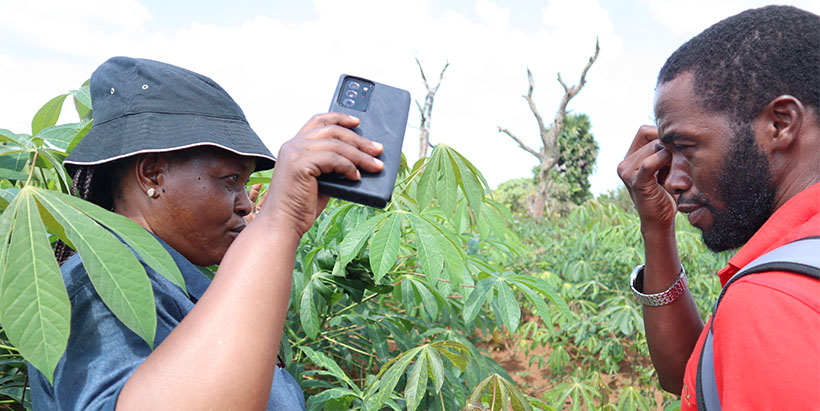
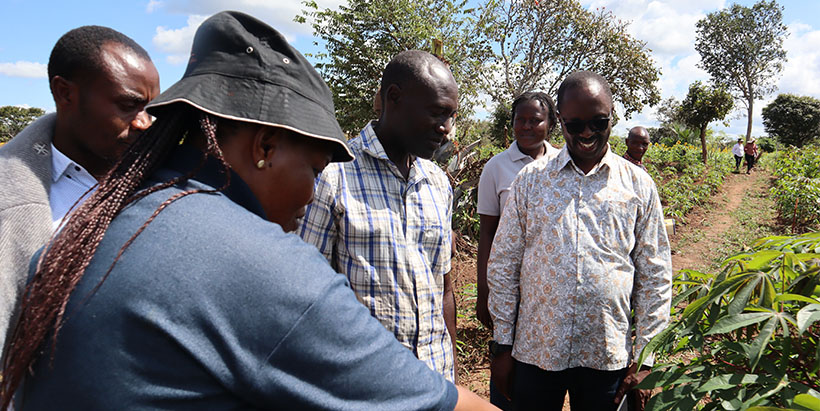
Dr Kiddo Mtunda on a cassava field with a team member.

The award ceremony attended by the Deputy Prime Minister and Minister of Energy, Honorable Dr Doto Mashaka Biteko took place during the 9th Science, Technology, and Innovation Conference and Exhibition (STICE), hosted by the Tanzania Commission for Science and Technology (COSTECH) at the Julius Nyerere International Conference Centre in Dar es Salaam from 2nd to 4th December 2024.

With the theme, “Harnessing science, technology and innovations for climate resilience and competitive economy,” the conference focused on sharing research and innovation results, displaying scientific and technological development, and discussing how STI can contribute to the country’s socio-economic development in achieving the Sustainable Development Goals (SDGs).

Dr Mtunda was recognized for her contribution to the country’s agriculture sector by developing improved varieties and disseminating them to farmers.

“In my life, I chose fighting hunger through science, technology, and innovations,” Dr Mtunda expressed. She noted that she felt honored and delighted to receive that noble recognition and award from the Government of Tanzania.

This proves the “With Science We Can” campaign under CGIAR, emphasizing the importance of scientific research and innovation in tackling issues such as climate change, food insecurity, and biodiversity loss.

Dr Kiddo Mtunda during a field survey with other researchers.

Dr Mtunda is the Technical Lead for the Muhogo Bora Project, which is scaling up the Building an Economically Sustainable and Integrated Cassava Seed System (BASICS II) model in Tanzania’s Western and Central zones. The project has trained 242 cassava seed entrepreneurs, 130 extension staff, and more than 5,000 farm families, indirectly benefiting 164,000 individuals through access to clean cassava planting materials.

With over 20 years of experience in agricultural research, Dr Mtunda has made significant progress in developing and promoting innovative technologies to enhance the productivity of root and tuber crops, particularly cassava and sweet potato. Her efforts have directly contributed to the release of 15 improved crop varieties in Tanzania – nine cassava and six bio-fortified sweet potato varieties. These varieties, including Vitamin A-enriched, orange-fleshed sweet potatoes, have boosted agricultural yields and addressed critical nutritional deficiencies among communities.

One of her most notable initiatives, “Fast-tracking access to improved and popular varieties of root crops,” directly benefited more than 229,000 households in Tanzania and Uganda by providing access to high-yielding and disease-resistant varieties.

While working with the Tanzania Agricultural Research Institute (TARI), Dr Mtunda was actively involved in the development of seed systems of root and tuber crops in Tanzania, collaborating closely with the Tanzania Official Seed Certification Institute (TOSCI), International Institute of Tropical Agriculture (IITA), International Potato Center (CIP), and other key stakeholders in the seed industry. Her science, technology, and innovation successes became possible through capacity strengthening and support from the Government of Tanzania, IITA, Alliance for Green Revolution in Africa (AGRA), CIP, and development partners.

Dr Mtunda’s influence extends beyond research; she has played an important role in  Tanzania’s agricultural development and contributed to the National Cassava Development Strategy and National Biofortification Guidelines. Her work as a Borlaug LEAP Fellow and Vice President of the International Society for Tropical Root Crops – Africa Branch (ISTRC-AB) between 2017 and 2020 has cemented her reputation as a leader in agricultural innovation.

As she continues her work at IITA, scaling up innovative seed systems and empowering farmers, Dr Mtunda’s legacy as a leader in agricultural science remains an inspiration for Women and Girls in Science for future generations

Contributed by Gloriana Ndibalema

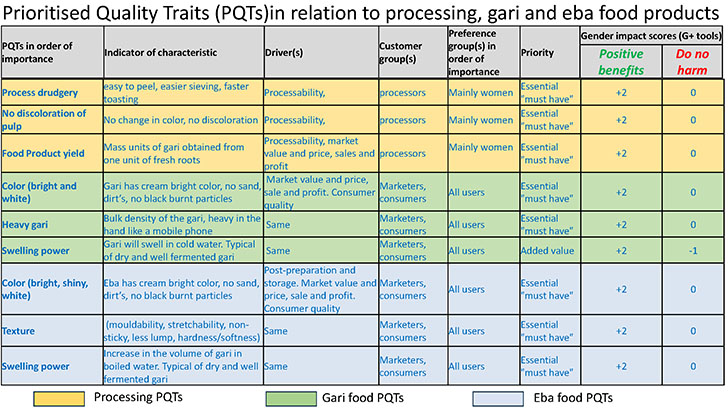
Prioritised traits as a result of applying the methodology: triangulating trait preferences with a multidisciplinary team. Source: Compiled based on the Gendered Gari/Eba Product Profile in Nigeria.

In sub-Saharan Africa, crop breeding has traditionally emphasized yield and disease resistance. However, it is currently increasingly focusing on postharvest qualities and the diverse food preferences influenced by gender and social dimensions. Participatory approaches, incorporating intersectional gender and place-based methods, begin to guide breeding program decisions to increase adoption and social impact.

Researchers from IITA, CIP, CIRAD, and national research institutes,  NRCRI in Nigeria, NaCCRI and NARL in Uganda, and the University d’Abomey-Calavi in Benin, and Universite de Dschang in Cameroon, led by Lora Forsythe, Associate Professor in Gender, Inequalities and Food Systems at the University of Greenwich, have developed a new methodology to inclusively and fairly prioritize food quality traits for root, tuber, and banana (RTB) crops.

This methodology focuses on compiling, triangulating, and prioritizing food processing and quality characteristics obtained through an earlier published transdisciplinary method.  This approach engages various food system actors and fosters transdisciplinary collaboration, resulting in the creation of Gendered Food Product Profiles (GFPPs). These profiles list prioritized processing and food quality characteristics, aiding breeders in making socially inclusive decisions and selecting genotypes that align with the needs of all stakeholders and thus inform breeding investment cases for social impact.

The team has published a manuscript presenting the methodology and the experiences with implementing this methodology across 14 GFPPs, all referenced under references 22 to 35 of the published article. In contrast, the practical steps of the methodology can be found under reference 36.   Key findings highlight that a transdisciplinary structure, with significant contributions from social scientists, helps prevent reductionism, promotes co-learning, and ensures GFPPs reflect the diverse interests of food system actors, especially women. However, addressing power dynamics within multidisciplinary teams remains challenging, with effectiveness hinging on equitable relationships and institutional support that values diverse knowledge forms.

The evaluation of the implementations shows that one key driver of transdisciplinary research is when a mixture of team members from different disciplines does research in the field. For example, executing a social survey on trait preferences at the different processing stages of food products included breeding staff, food science staff, and social scientists.

“In cases where this mix of staff was less present, transdisciplinary collaboration decreased. This led to less understanding of data, particularly from the social sciences, among other disciplines, resulting in less integration. Once again, this highlights the importance of multidisciplinary teams actively engaging in each other’s scientific domains. Doing so fosters mutual learning, understanding, and respect, reducing the chance that power dynamics between social and natural sciences will hinder the integration process.”  Béla Teeken stated

A notable aspect of the methodology is the adapted G+ tool, used for the final review of the food product profiles to assess the impact and prioritization of traits within the communities of crop users. This approach ensures gender-inclusive, equitable trait prioritization and breeding decisions, as highlighted by Olamide Nwanze at the CGIAR Gender Impact Platform Conference. The adapted G+ tool either changed the prioritization of characteristics or added additional characteristics. While generally well received, some teams expressed concerns about the time required for thorough evaluations, indicating the need for more gender expertise to accelerate this process.

While the five-step methodology has gained acceptance among breeders and related projects, integrating GFPPs into standard product profiles requires further effort. A transdisciplinary crop improvement structure at a higher level that ensures proper funding across disciplines is crucial.   Ensuring the integration of social science insights is as prominent as breeding and food science data is essential. Additionally, environmental impact, biodiversity, and nutrition (see e.g. CGIAR’s 5 impact areas) are becoming increasingly important.

The GFPP represents an ongoing learning process in developing transdisciplinary crop improvement programs.  It embodies a broader movement toward interdisciplinary and transdisciplinary methods, aiming to develop RTB varieties that better serve the diverse needs of food system participants and users.

Contributed by Ochuwa Favour Daramola

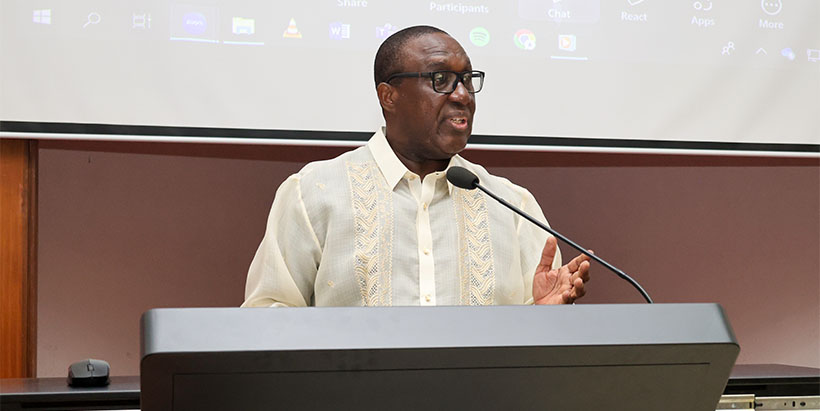
People & Culture Talent Management and Engagement Manager, Lade Oke, anchoring the event

Over the years, IITA has played a vital role in empowering women and girls, particularly in science. Through extensive training and mentorship programs for MSc and PhD research students, the Institute has significantly shaped the career paths of many young women in science. These efforts have amplified their voices in scientific research and contributed meaningfully to food security in Africa.

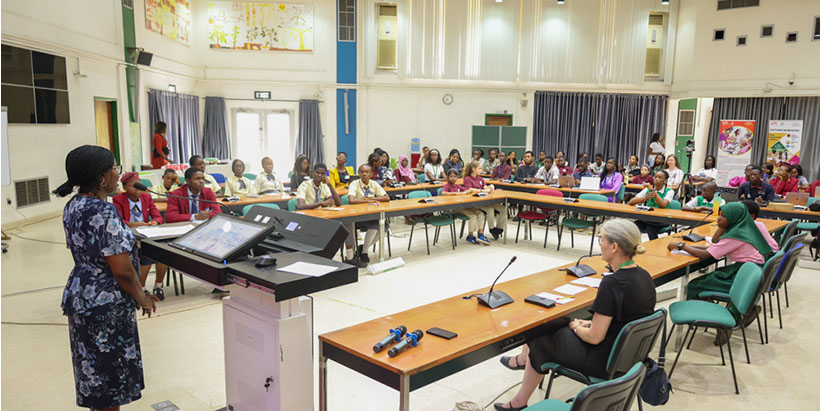
To celebrate the International Day of Women and Girls in Science (IDWGS), IITA hosted a special event on February 11 at its headquarters and across its hubs. The event, themed “Unpacking STEM careers: Her voice in science,” highlighted the contributions of women in science and provided a platform to inspire the next generation. A major highlight was a video documentary featuring IITA women scientists and science students as they shared their motivations for pursuing careers in Science, Technology, Engineering, and Mathematics (STEM), discussed the positive impact of their work, and outlined the ways they are mentoring and encouraging young girls to explore opportunities in science.

Anchoring the event, the People & Culture Talent Management and Engagement Manager, Lade Oke, acknowledged the unwavering support of the Institute’s management in championing gender equality initiatives. She also emphasized IITA’s commitment to fostering a culture of inclusivity by inviting boys and girls from six local secondary schools. She added that the goal was to inspire girls to embrace STEM careers while sensitizing boys on the importance of supporting their female counterparts.

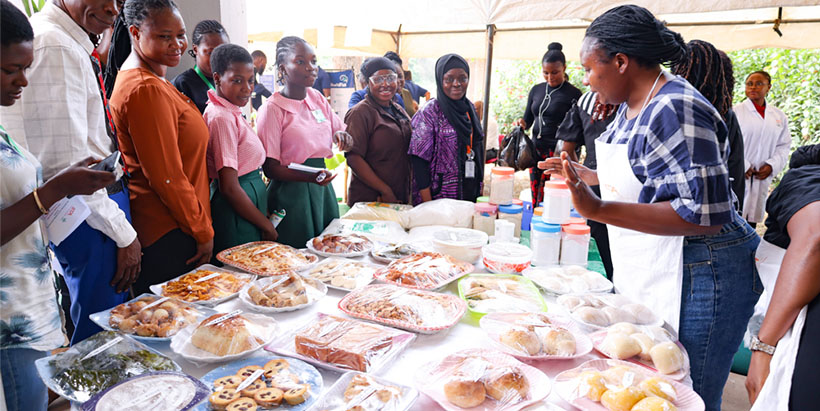
One of the exhibition stands, showcasing some of IITA Cassava finished products

Delivering the opening remarks, the Deputy Director General of Corporate Services, Hilde Koper, highlighted the historical underrepresentation of women in STEM disciplines. While acknowledging the progress made, she stressed that more needs to be done. “The theme of this event is crucial because we need to amplify the voices of women in science,” she stated. Addressing the students, she added, “I hope the examples you see and hear today will encourage you to take your first step toward building a career in STEM.”

IITA Director of Research for Development, Bernard Vanlauwe, highlighted the significant progress made in increasing the number of women in science within the Institute. He reiterated IITA’s commitment to fostering gender equality in STEM and research, emphasizing that the contributions of women are invaluable. “To all women and girls in STEM, the future of agriculture depends on you. Keep pushing, keep inspiring. Your contributions and voices in science matter—they are shaping the future of food security,” he said.

The wife of IITA Director General, Mamou Ehui, also inspired the students and IITA staff with her personal experience, including her recent appointment to a leadership position. She emphasized the power of dedication, not just in science but also in community empowerment. “Never doubt your ability to scale new heights. STEM is a powerful tool for innovation and impact. You are capable, you are strong, and you are the future. Your contributions matter, your voice counts, and your impact will shape future generations.”

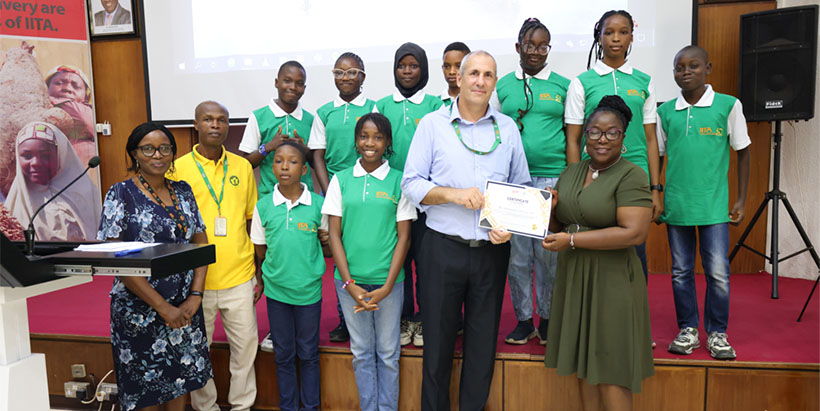
Head of IITA school, Tim Shepherd, presenting a certificate of participation to one of the secondary schools

Wrapping up the discussions, Head of the IITA School, Tim Shepherd, delivered an insightful career talk on “Unpacking STEM Careers,” providing practical guidance on pursuing a career in STEM. Key takeaways included strategies to challenge gender gaps, build confidence, secure internships, and stay informed about STEM-related industries. Shepherd encouraged students to remain true to themselves, noting, “Your journey is unique. Pursue a path aligned with your interests, values, and aspirations.”

The celebration also featured engaging activities such as a STEM quiz for secondary school students, an exhibition showcasing research products from IITA and other CGIAR centers, and a theme poster presentation by participating schools.

As the event concluded, prizes and certificates of participation were awarded to all schools for the quiz and poster presentation, leaving students inspired and motivated to pursue careers in STEM.

IITA remains committed to its supporting and uplifting women and girls in science, ensuring a more inclusive and equitable future in research and agriculture.

Contributed by Ochuwa Favour Daramola