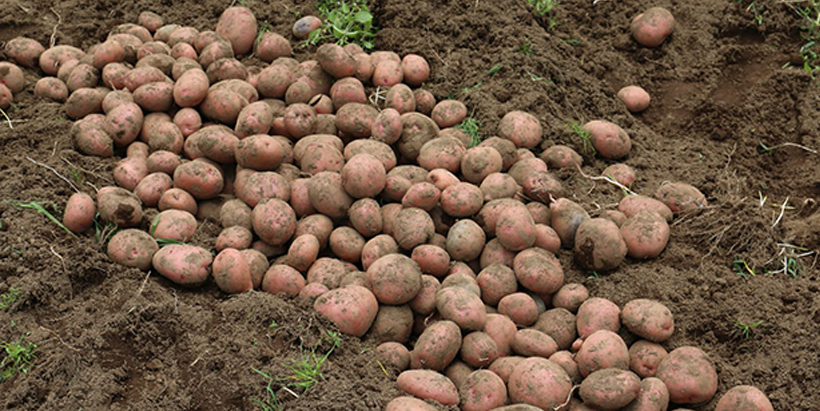
Harvested potatoes in field in Kenya.

IITACGIAR is empowering National Plant Protection organizations in Africa to effectively detect and manage Potato Cyst Nematodes (PCN), a microscopic pest devastating potato crops across the region.

Nematodes are tiny worms that attack potato roots, stunting their growth and can wipe out potato yields by up to 100 percent.

PCN has been reported to be highly prevalent in four countries in East and Southern Africa, a quarantine pest that infects and feeds on potato roots, causing significant yield losses and threatening regional trade due to strict border phytosanitary controls. However, research has shown that early detection and management are critical to protecting farmer livelihoods and regional potato markets.

A World Trade Organization (WTO)’s Standards and Trade Development Facility project coordinated by the Food and Agriculture Organization (FAO) involving technical training spearheaded by the IITA-CGIAR and ICIPE through the NemAfrica lab is designed to equip national plant protection agencies in 12 countries with cutting-edge diagnostic tools and management strategies to tackle the PCN threat.

The project is a collaborative effort involving the International Potato Center (CIP), the Kenya Plant Health Inspectorate Service (KEPHIS), and CABI.

Potatoes are an essential staple food in Eastern and Southern Africa. The crop supports the livelihoods of an estimated 800,000 smallholder farmers and covers over 800,000 hectares of land. Nearly 9 million tons of potatoes are produced in the region annually. However, the future of the potato is in peril with the silent and deadly spread of PCN.

However, the PCN remains a hidden enemy of potato production. It often goes unnoticed or is mistaken for other issues, such as sick or tired land with poor soil fertility. Affected plants are stunted and become yellow, producing smaller tubers and significant damage to yield. The project emphasizes the need for awareness to guide effective management strategies. The training program focuses on the accurate assessment and diagnosis of PCN. Stakeholders across the potato value chain farmers, traders, and policymakers have been encouraged to learn how to recognize PCN symptoms. Furthermore, the project has underscored the need to promote regional cooperation to prevent the spread of PCN.

“By strengthening diagnostic capacity and fostering regional collaboration, this project is a vital step toward safeguarding potato production and trade in East and Southern Africa,” said Dr Harun Murithi, Consultant Crop Health Specialist – Disease and Pest Management at IITA. “Accurate identification of PCN will enable timely interventions, protecting farmers’ livelihoods and contributing to food security.”

The project focuses on raising awareness and strengthening the capacity of public and private sector potato value chain organizations to address phytosanitary risks of PCN and other emerging pests collaboratively. It is enhancing the diagnostic capabilities of plant health professionals and border inspectors to identify PCN and effectively manage it.

Technicians and laboratory staff are being trained on sample collection, extraction, and identification of PCN. National Plant Protection labs are provided with essential diagnostic equipment and consumables to conduct this work, such as the key extraction tool known as the Fenwick can and sieves.

In addition, the project supports detection surveys in major potato-growing regions in the target countries in Eastern and Southern Africa to map the presence of PCN.

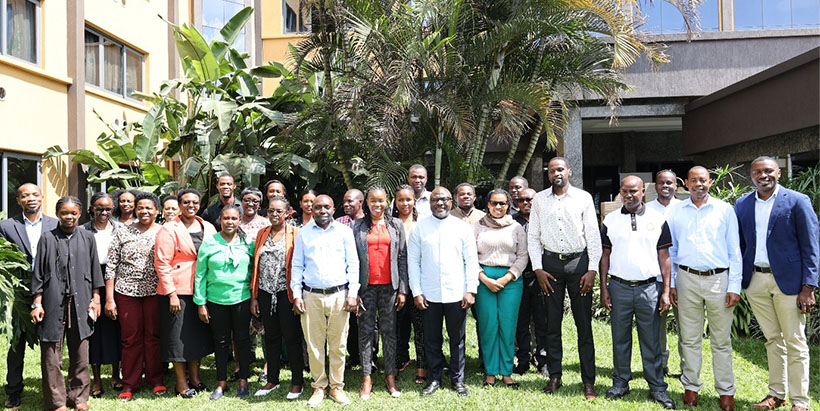
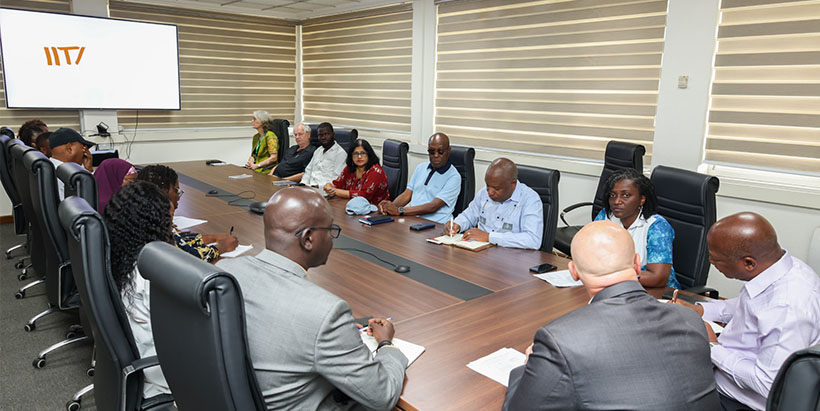
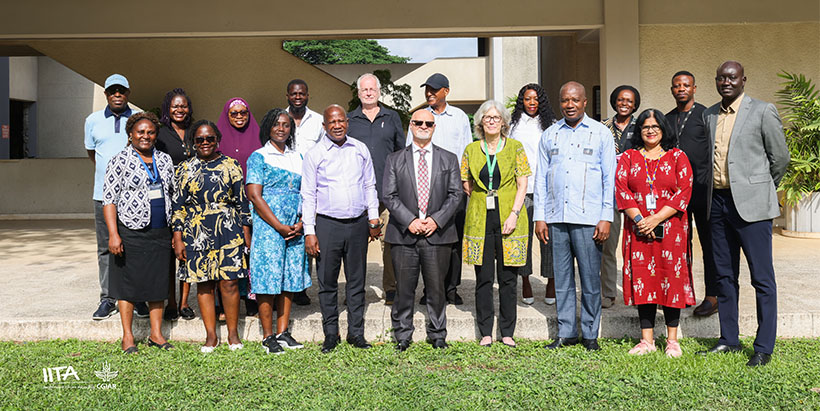
Covering 12 countries selected for their regional importance and trade links, the project recently held a training workshop in Nairobi, which brought together representatives from Burundi, Ethiopia, Kenya, Lesotho, Malawi, Mozambique, Rwanda, South Sudan, Tanzania, Uganda, Zambia and Zimbabwe to build foundational diagnostic skills for National Plant Protection organizations.

Following this training, countries have begun conducting national detection surveys with support from NemAfrica. Zimbabwe has completed sample extraction and identification, while Zambia and Malawi are currently in progress. Ethiopia has completed the sample collection and Lesotho, Mozambique, and Uganda are already planned.

Contributed by Barbra Muzata
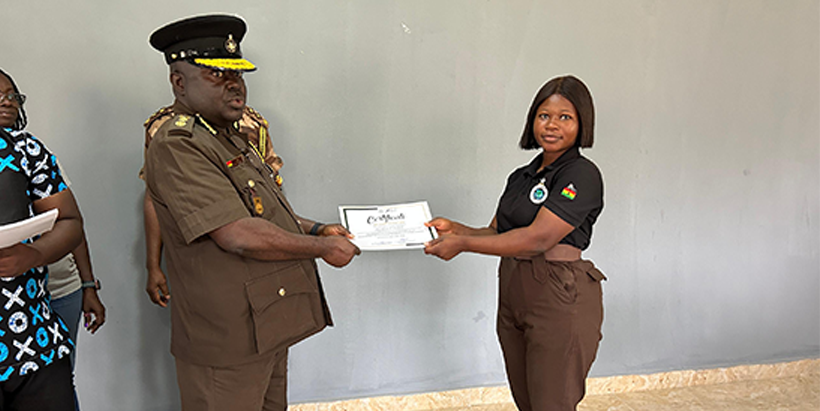
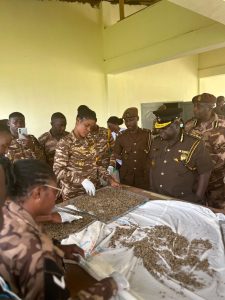
The Director of Prisons Service In-Charge of Agric, Kweku Ababio Ali presenting the certificate to one of the trainees.

The Black Soldier Fly production unit, established in Kofisah, hosted a training session on the Black Soldier Fly (BSF) technology for over 15 officers of the Ghana Prisons Service (GP) from 15 to 18 July 2025.

The training organized by the IITACGIAR led BSF for Bio-circular Economy and Environmental Sustainability (BBEST) project in partnership with the Biotechnology and Nuclear Agriculture Research Institute (BNARI), was in line with:

  • One of the project’s objectives is to build capacities and BSF technology know-how of youth agripreneurs and other stakeholders, and
  • The Ghana Prisons’ agricultural agenda is to reduce the feed cost for their poultry and pig farms.
Participants processing the larvae.

On day one, participants were introduced to BSF and its benefits during the theoretical session of the training. The facilitators emphasized the necessary areas to focus on like housing, farm management, and mass production of the BSF.

Dr Selorm Kofi Ofori, an Entomologist from BNARI, highlighted other areas such as the life cycle of the fly and its uniqueness, the biology of the eggs and the larvae, and how the BSF fits into a circular economy. These laid the ground for the practical session, where participants reared and fed the larvae.

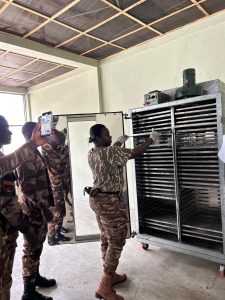
In the practical session, participants were guided through setting up traps for wild eggs, egg incubation, and the transfer of the neonate larvae. The training also highlighted the harvesting and processing of the larvae and the process of degutting them.

 One of the participants placing the larvae into the oven.
One of the participants placing the larvae into the oven.

Participants were taught how to use seed germination to test the maturity of the frass after composting, this was led by Joshua Sintim, Chief Technologist and Soil Scientist at BNARI.

Participants were awarded a certificate of completion after the three-day training on BSF technology. The Director of Prisons Service in charge of agriculture, Kweku Ababio Ali, was present at the certificate presentation. He expressed gratitude to the IITA and BNARI team for their support.

Contributed by Francisca Ocloo and Amuetey Nagetey0

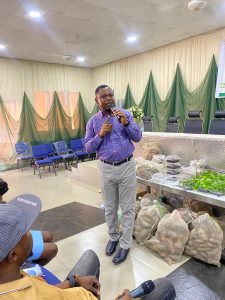
Dr Olugboyega Pelemo with the yam farmers during the training in Ondo state.

Nigeria and the rest of Africa is facing mounting food security challenges, like a lot of the staple crops, yam, a crop feeding millions across West Africa is experiencing declining yields due to poor seed quality, limited access to improved varieties, and inadequate farming techniques. As climate change and population growth intensify pressure on food systems, smallholder farmers urgently need innovative solutions to boost productivity and ensure sustainable livelihoods.

Recognizing this critical need, IITACGIAR, in partnership with the Ondo State Government, trained yam farmers in the state on improved seed techniques and innovative practices for yam sett multiplication and tuber production directly addressing access to quality yam seeds and low productivity.

The two-day training, held in Akure, is part of IITA’s ongoing efforts to equip farmers with the knowledge and skills to boost production, and strengthen seed systems through cutting-edge technologies and practical solutions.

Facilitated by Dr Olugboyega Pelemo, Manager Field/Seed System, IITA-Yam Breeding Program, the program introduced participants to modern techniques such as the use of mini-setts to produce high-quality seed yam, which in turn generates larger and more marketable tubers. The training also covered best practices for planting, storage, harvesting, and sustainable soil management, including the benefits of crop rotation.

Dr Olugboyega Pelemo during the training of farmers in Ondo state.

Dr Pelemo presented certified seed yams to participants, highlighting higher yield potential and disease resistance, and innovations that can increase farmer incomes by up to 40% while reducing crop losses. The practical sessions enabled farmers to gain hands-on experience, while discussions addressed community concerns such as seed access and storage infrastructure. He also encouraged the use of cooperative structures for better access to inputs and continued training.

As part of the program, 25 farmer cooperatives benefitted from the seed yam for onward distribution to their members, ensuring that the knowledge gained is matched with practical resources to implement it. A communication platform was also established for ongoing knowledge sharing among participants.

In his remarks, Dr Pelemo reaffirmed IITA’s commitment to working closely with the Ondo State Government and other partners to deliver innovative agricultural solutions. “With the right knowledge and support, farmers can achieve better harvests and improved livelihoods, contributing directly to food security and economic growth,” he said.

Contributed by Queen Olutominiyi

STP staff discussing with Dr. Agre (Molecular Breeder) and Prof Abberton (head of GRC).

In a significant step toward enhancing agricultural research and food security in São Tomé and Príncipe, IITACGIAR recently hosted four staff members from the National Research Institute of São Tomé and Príncipe (CIAT-STP) for a comprehensive one-month training program. The initiative, held at IITA headquarters in Ibadan, was part of the ongoing collaboration with the COMPRAN project formalized in August 2024, which aims to enhance crop improvement and technical research capacity in São Tomé and Príncipe.

The training was designed to equip participants with practical skills in molecular characterization, tissue culture, genebank operations, and Semi-Autotrophic Hydroponics (SAH) technology. It also supported the characterization of plant genetic resources collected during a germplasm mission to São Tomé in February and introduced digital tools for field trial design, data collection, and analysis.

At IITA’s Bioscience Center, participants received hands-on training in essential molecular biology techniques such as DNA extraction, PCR-based diagnostics, and marker analysis to aid the molecular profiling of local germplasm.

STP team discussing with the IITA-Virology staff on different virus detection techniques.

At the Genetic Resources Center (GRC), the CIAT-STP team engaged in genebank management, accession handling, and data curation for long-term conservation of SĂŁo Tomé’s unique plant diversity. They also received practical training in tissue culture techniques, including explant sterilization, media preparation, callus induction, shoot multiplication, rooting, and acclimatization. A highlight of this component was the introduction to SAH technology for the rapid multiplication of vegetatively propagated crops like yam and cassava.

The team’s exposure to plant virus diagnostics at the IITA Virology Laboratory was an integral part of the program. With plant viruses posing a growing threat to crop productivity, this segment equipped participants with vital skills for detecting and managing viral diseases in cassava, yam, and banana.

The training covered visual symptom recognition, sample preparation, DNA/RNA extraction, and both conventional and multiplex PCR techniques for detecting viruses such as Cassava Mosaic Virus (CMV), Cassava Brown Streak Virus (CBSV), and Yam Mosaic Virus (YMV). Techniques like RT-PCR and ELISA (Enzyme-Linked Immunosorbent Assay) were also demonstrated, highlighting their importance in virus indexing for clean seed production and germplasm health.

The training program aimed to empower the CIAT-STP team with the competencies to integrate modern breeding, conservation, and diagnostics into their national research agenda. The visit also included engagements with IITA scientists, such as Professor Michael Abberton, Head of Bioscience and GRC, focusing on sustaining collaboration and building long-term research partnerships.

After the training, the participants expressed deep appreciation for the practical, hands-on nature of the training and the knowledge gained. They praised the professionalism of IITA’s experts and voiced a strong commitment to applying the new tools and methodologies to improve seed quality, crop health surveillance, and germplasm management.

This initiative reaffirms IITA’s commitment to South–South collaboration and capacity development, ensuring that science continues to serve as a bridge to food security and sustainable development across Africa.

Contributed by Ochuwa Favour Daramola

SIWES students of the Department of Forestry and Wood Technology, FUTA, after the training.

In its continued commitment to conserving Nigeria’s threatened and endangered native trees, the IITA Forest Center recently embarked on another strategic round of seed collection. This activity, part of the Center’s conservation mission, focused on enriching the live gene bank at its Tree Heritage Park, popularly known as The Noah’s Ark. It also aimed to expand the number of propagation protocols in the Manual of Tree Propagation on the IITA Forest Center website, which is freely downloadable for users to propagate native tree species on their own.

Olukunle Olasupo, IITA Forest Center Field Supervisor, extended the mission to two critical biodiversity hubs: Okomu National Park in Edo State and Queen’s Forest Reserve in Ondo State. The objective was twofold: to collect seeds and cuttings from rare and threatened tree species, and to enrich the Forest Center’s bank of propagation protocols for native tree species.

The fallen Stereospermum acuminatissimum tree at the Departmental Nursery, FUTA.

A remarkable coincidence marked the mission at FUTA. In a symbolic twist, a rare Stereospermum acuminatissimum tree, the only surviving tree species remaining on the FUTA campus, had fallen. Olasupo, a passionate conservation expert, took the occasion to train students in various techniques to conserve native tree species. In what Olukunle describes as “a coincidence of nature screaming help, speaking thanks, and reward for labor,” this moment presented the perfect opportunity to educate students on seed and non-seed propagation techniques.

Students of the Department of Forestry and Wildlife Ecotourism, Federal University of Technology, Owerri (FUTO), and the Department of Forestry and Wood Technology, Federal University of Technology, Akure (FUTA) benefited immensely. Hands-on sessions taught them seed sowing, collection, and vegetative propagation techniques such as marcotting (air layering), grafting, budding, and stem-cuttings. These sessions equipped them with the skills needed to support species regeneration to promote biodiversity conservation on a broader scale.

Students of the Department of Forestry and Wildlife Ecotourism, FUTO, after the training.

Among the tree species collected for conservation are Maranthes glabra, classified as Vulnerable on the IUCN Red List, Hunteria umbellata, Omphalocarpum procera, and Stereospermum acuminatissimum, a highly medicinal native tree. Each seed and cutting collected contributes to the growing diversity of IITA Forest Center’s Tree Heritage Park, which serves as a sanctuary and a learning ground for conservationists and researchers across Nigeria.

Olukunle also emphasized the role of youth in driving conservation forward. He said, “It’s not just about saving trees—it’s about raising people who can keep saving trees long after we are gone.”

Through this effort, IITA Forest Center continues to preserve Nigeria’s botanical heritage while nurturing the next generation of conservation leaders, planting hope for our environment and future.

Contributed by Folake Oduntan

Theme: Climate change, Biodiversity

Partner Representatives.

To strengthen cassava seed systems in Guinea, the TAAT Cassava Compact completed a two-day training workshop in Conakry from 2 to 3 June 2025.

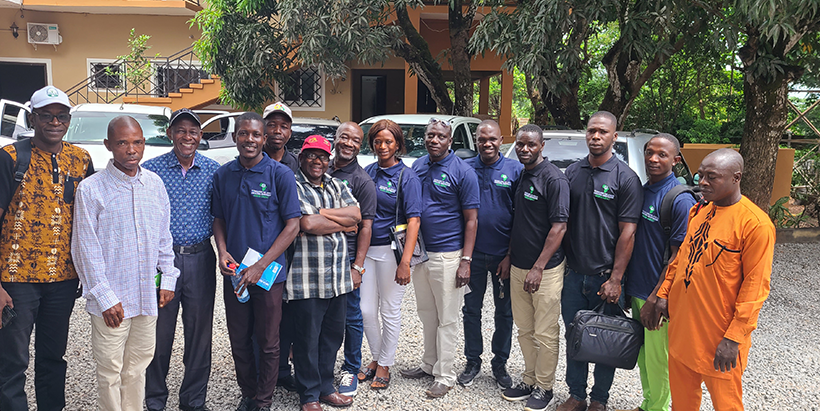
The training brought together 14 participants—including two women—from the Guinean Institute of Agronomic Research (IRAG). During the workshop, participants deepened their expertise in the identification, management, and production of healthy cassava planting materials.

The workshop focused on building capacity among technicians and seed producers, with sessions on integrated pest and disease management, Good Agricultural Practices (GAP), legal frameworks for cassava seed production, and practical pest and disease identification and field sampling techniques.

Training participants after the TAAT Cassava Compact workshop.

One of the highlights was a hands-on session in a cassava collection field, where participants applied what they learned in diagnosing diseases and pests with discussions and peer-to-peer learning.

Day 2 focused on the safe cross-border transfer of cassava cuttings, reinforcing the importance of safeguarding Guinea’s cassava sector against pest and disease risks. The training concluded with enthusiastic participant feedback and strong institutional support from IRAG leadership.

Training participants during field practice.

This sets the stage for broader impact, especially with ongoing discussions with Guinea’s Emergency Food Production Project (PPAU), which is focused on exploring opportunities to scale the adoption of Semi-Autotrophic Hydroponics (SAH) technology, enabling the large-scale multiplication of clean cassava seeds in the country.

This training signifies a strategic step in unlocking Guinea’s vast potential in cassava production—one clean seed at a time.

Contributed by Apollin Fotso

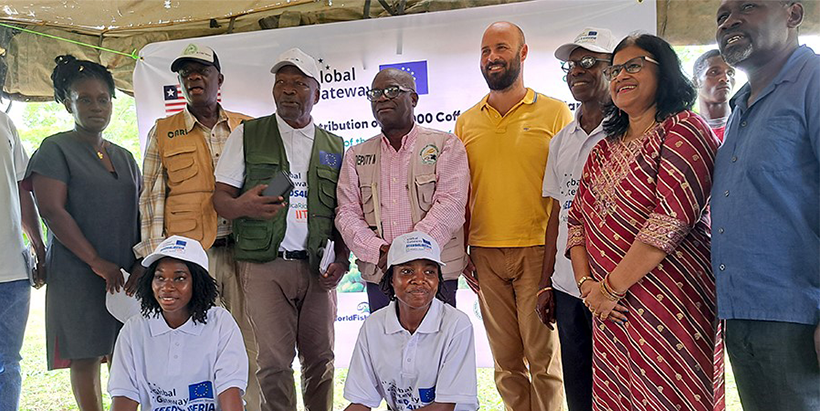
The IITA team with partners during the distribution exercise.

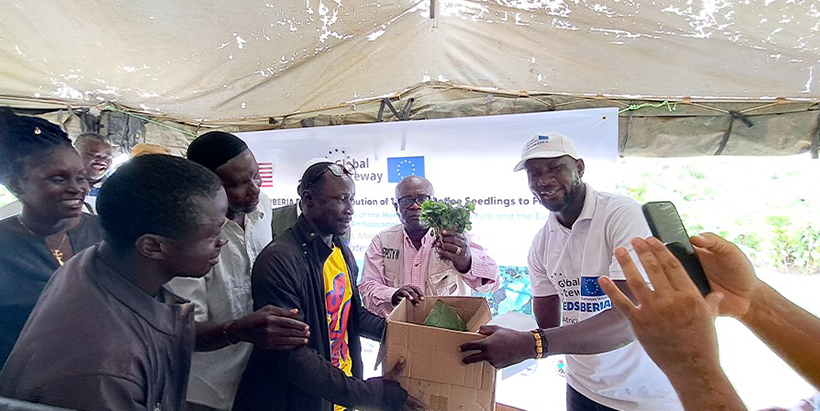
As part of ongoing efforts to revitalize Liberia’s coffee industry and strengthen agricultural diversification, IITA–CGIAR, through the Seeds4Liberia Project, has distributed more than 267,000 coffee seedlings to farmers across four counties—Bong, Lofa, Montserrado, and Nimba. This significant milestone is a key component of IITA–CGIAR’s broader agenda to empower farmers, improve seed systems, and drive economic growth through strategic crop value chains.

This distribution follows the earlier collection of coffee beans from selected farmers’ fields across five coffee-producing counties: Bong, Bomi, Nimba, Lofa, and Montserrado. The beans, representing three major species (arabica, liberica, and robusta), were collected for multiplication and further research, including DNA fingerprinting and coffee quality analysis to assess caffeine levels and aromatic profiles.

The seedling distribution exercise was conducted in close collaboration with key national stakeholders. These included the Ministry of Agriculture (MoA), the Central Agricultural Research Institute (CARI), the Farmers’ Union Network of Liberia (FUNL), the Seeds Development and Certification Agency (SDCA), and the European Union (EU) Delegation to Liberia, which funds the Seeds4Liberia Project as part of its flagship “From productivity to product” (P2P) initiative.

“This project is a significant step in the development of our agriculture sector, especially focusing on what we call the foundation of production—seeds,” said Solomon C. Hedd-Williams, Deputy Minister for Technical Services at the Ministry of Agriculture. “We are grateful to the EU and implementing partners like IITA for taking our seed development system to the next level. We express our heartfelt appreciation on behalf of the Honorable Minister of Agriculture, Dr Alexander Nuetah.”

Coffee seedlings being handed over to some of the farmers.

The event drew attention from key figures in Liberia’s agriculture space, who emphasized the transformative potential of coffee. “Coffee is the second global commodity, next to petroleum. It is a trillion-dollar industry,” said Honorable Josephine Francis, President of the Farmers’ Union Network of Liberia. “This sector has enormous potential to alleviate poverty, particularly among youth. Let us all work together to make this a reality, and it starts today with the Seeds4Liberia initiative.”

Antonio Di Clemente, Task Manager of the EU Delegation to Liberia, praised the collaborative spirit that made the project possible. “Today is a beautiful day because this is action after a lot of planning,” he noted. “To the farmers—thank you. You are the heart of this work. One day, your coffee will be sipped in a cafĂ© somewhere in Europe, and that will be a circle complete. We are proud to be a part of this journey.”

In addition to seedling distribution, the Seeds4Liberia Project supports long-term improvements to Liberia’s coffee sector through capacity building, quality assurance, and innovation. The initiative also aligns with ongoing efforts by the International Trade Centre (ITC) and the Liberia Agriculture Commodity Regulatory Authority (LACRA) to strengthen regulations and increase competitiveness in international markets.

Speaking on behalf of the recipient farmers, Fatumata Fofana expressed gratitude for the initiative’s support. “This is a great boost to us, building on what the ITC project has already done. We aim not just to grow coffee and export it, but to one day establish processing facilities that create jobs and drive national development.”

Implemented by AfricaRice, IITA, and WorldFish in partnership with national agencies such as MoA, CARI, NaFAA, and LACRA, Seeds4Liberia is helping to sow a brighter future for coffee farmers, one seedling at a time.

Contributed by Folake Oduntan and Anita Akinyomade

The seed inspectors and beneficiaries of the training.

Ensuring farmers have access to high-quality seeds is fundamental to improving agricultural productivity and food security. However, Rwanda has faced challenges with clean seed circulation due to gaps related to seed inspection, evaluation, and certification processes.

To bridge this gap, the International Institute of Tropical Agriculture (IITA), in collaboration with Seed Systems Group (SSG) and Kenya Plant Health Inspectorate Service (KEPHIS), organized a six-day intensive training program for 27 seed inspectors and laboratory technicians from the Rwanda Inspectorate, Competition and Consumer Protection Authority (RICA) and Rwanda Agriculture and Animal Resources Development Board (RAB). This initiative aimed to enhance the capacity of seed inspectors to strengthen the enforcement of seed quality standards and regulations in Rwanda.

This training builds on a previous session held in Nigeria, where seed companies participated in a capacity-building initiative led by IITA to advance hybrid maize seed production. Participants visited IITA’s maize breeding research facilities and Nigerian seed companies, gaining insights into advanced seed technologies. These sessions engaged diverse seed sector stakeholders, including representatives from seed companies, seed inspectors, and laboratory analysts drawn from various institutions across Rwanda, intending to build technical capacity and foster a more robust seed system.

Whether locally produced or imported, seed quality is a crucial concern for Rwandan farmers. Insufficient skills and capacities within regulatory bodies can hinder effective quality control and certification. Recognizing this issue through discussions with RICA and RAB leadership, IITA committed to strengthening the capacity of seed inspectors through specialized training programs.

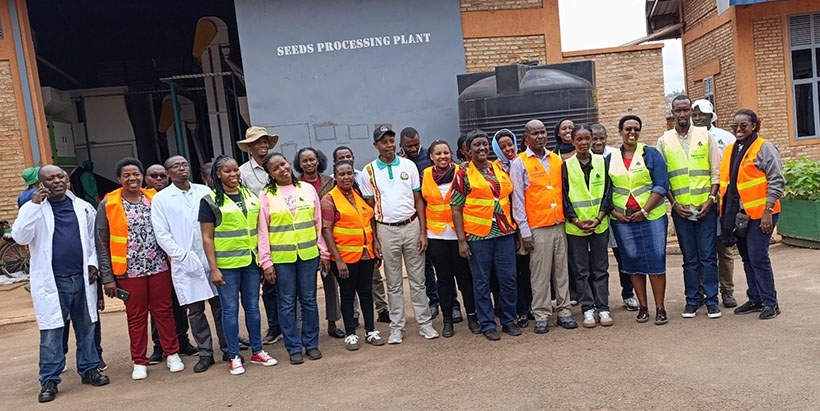
The seed inspectors, along with the trainers from KEPHIS, during a visit to Rumbuka Seeds processing facility in Kamonyi District.

The training combined theoretical sessions with hands-on practical experiences to provide participants with a comprehensive understanding of seed inspection, testing, processing, traceability, and certification. Trainers led interactive sessions on seed processing operations, certification protocols, and compliance with international standards. Participants also had the opportunity to visit one of the seed processing facilities at Rumbuka Seeds Ltd, where they observed different processes involved in seed processing and quality control, such as cleaning, grading, coating, packaging, and quality control in the laboratory.

Additionally, trainers shared experiences from Kenya’s seed certification procedures, as the country is a leader in seed certification and traceability in Africa. This gave Rwanda’s inspectors valuable insights into best practices that could help strengthen and amplify their certification systems.

For many participants, this training was a game-changer in their professional development. Jovia Kamatenesi, a Seed Inspector from RAB, expressed her appreciation: “I have benefited greatly from this training, especially as a seed inspector. The knowledge gained will enable me to ensure that the certification process follows international standards, meeting critical requirements such as germination rate and seed purity.”

Others echoed similar sentiments, highlighting that the skills acquired would enhance their ability to monitor and certify seeds more effectively, ultimately improving seed quality and availability for farmers across Rwanda.

Contributed by Ritha Bumwe

Delegates from Cîte d’Ivoire’s Council of Coffee and Cocoa (CCC) and the Centre National de Recherche Agronomique (CNRA) visited IITA-CGIAR headquarters in Ibadan from 7 to 11 April. The familiarization visit marked the first in a series of engagements to build strategic partnerships, explore research models, and adopt modern technologies to strengthen Cîte d’Ivoire’s agricultural development—starting with its key commodities: coffee and cocoa.

The Ivorian delegates with IITA Technical and Senior Management Staff in a meeting exploring partnership opportunities for the advancement of cocoa and coffee production in Africa.

CĂŽte d’Ivoire is prominent in global agriculture, accounting for 45% of the world’s cocoa and 24% of cashew production, and it ranks as the second-largest oil palm producer in Africa. Recognizing the importance of research in sustaining this status, POKOU DĂ©sirĂ©, Scientific Coordinator at CNRA, emphasized, “Our government and decision-makers have decided to upgrade research in coffee and cocoa, with the mission to research and implement best practices to optimize production.”

Welcoming the delegates, IITA’s Deputy Director General, Partnerships for Delivery, Kenton Dashiell, highlighted the alignment of goals between IITA and CNRA. “We share similar needs in infrastructure development, funding, and delivering on food security. IITA is fully committed to collaborating with you to achieve your mission,” he said.

During the weeklong visit, the delegation toured key IITA facilities, including the Genebank, Bioscience Center, Virology Unit, Breeding Unit, Research Farms, Facilities Management Services (FMS), and I-house, among others. They engaged in thorough discussions with scientists and professionals on genomic selection, pest and disease identification, best agronomic practices, and mechanization technologies relevant to their crops of interest.

IITA team and Ivorian delegates after deliberations to advance partnerships for improved cocoa and coffee systems.

TAHI Mathias, Director of Research at CCC, applauded IITA’s robust infrastructure and professional environment. “IITA has shown us that we can achieve food security with the right systems in place. We do not need to reinvent the wheel. This collaboration will fill critical gaps in our agricultural research structures,” he said. He also commended the professionalism and social cohesion he observed among IITA personnel—from drivers to laboratory technicians—and the inclusive leadership demonstrated by senior management.

The delegates expressed particular interest in IITA-CGIAR’s advanced work in mechanization, noting its potential to revolutionize Cîte d’Ivoire’s agriculture. They also explored shared challenges, such as aflatoxin contamination in cocoa and coffee, and the potential for drought-tolerant crop research in the face of climate change.

Dashiell, reflecting on IITA-CGIAR’s broader mission, stated, “Our vision of ‘Transforming African Agriculture’—developed over a decade ago in Mozambique—still holds true. Even beyond IITA-CGIAR’s mandate crops, we aim to support agricultural systems across the continent.”

The visit ended on a high note, with both parties reaffirming their commitment to long-term collaboration—aligning knowledge with technology and building on shared values to deliver practical solutions for African farmers.

Contributed by Folake Oduntan