A group of production managers from Rwandan seed companies recently embarked on a transformative journey to Nigeria, seeking to revolutionize seed production in their home country. With the pressing need for high-quality, climate-resilient maize seeds, IITACGIAR, in collaboration with Rwanda Agriculture and Animal Resource Board (RAB) and the National Seed Consortium, facilitated an immersive training program to bridge the gap between research outputs and their application by stakeholders.
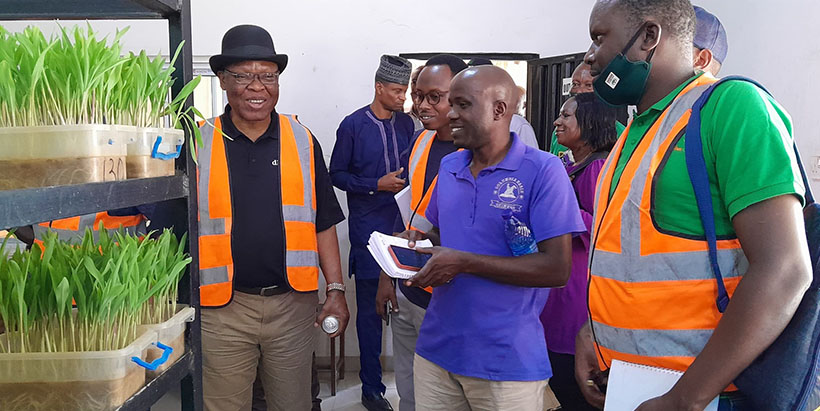
Trainees are observing the performance of maize seed during the germination test at Premier Seed, in Zaria, Kaduna State.

This program aimed to provide valuable insights into hybrid maize development and seed production, equipping participants with the expertise needed to improve seed production efforts in Rwanda.

Over a two-week period, from 24 February to 9 March 2025, participants gained practical experience in advanced seed production techniques at the IITA breeding unit in Ibadan, ensuring that Rwandan farmers will soon benefit from the availability of hybrid maize seed with improved quality.

The IITA maize breeders, Dr Menkir Abebe, Dr Sam Ajala, and Benjamin O. Olumide, hosted the team and shared their technical expertise with them. Through theoretical and hands-on training, they learned about the purification and maintenance of parent lines. Additionally, they were exposed to different processes involved in evaluating the performance of hybrid maize seeds under different biotic and abiotic stress conditions, such as fall armyworm and drought, before subjecting them to regional and international trials.

The team also had the opportunity to visit two large-scale maize seed companies, Premier Seed Ltd and Value Seed Ltd, in Kaduna state and exchanged best practices and experiences in seed production. These visits provided firsthand exposure to large-scale seed production processes, where participants learned about market-driven seed production, innovation in breeding programs, and robust quality control measures.
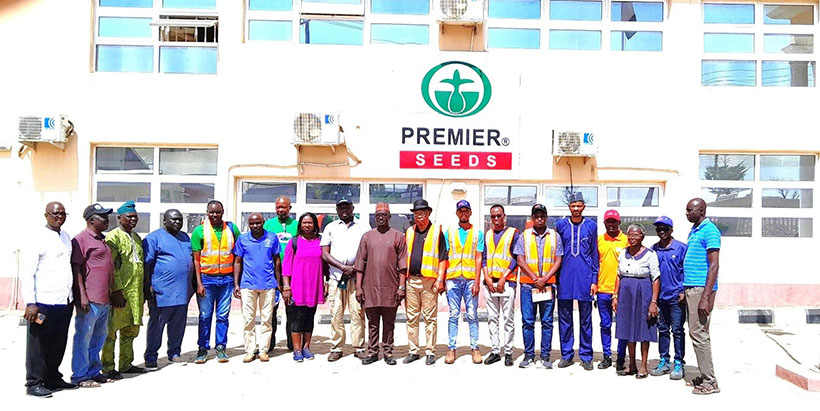
The team visited Premier Seeds Ltd, in Kaduna, - Nigeria, to have a practical experience on the maize seed production by a private company.
The team visited Premier Seeds Ltd, in Kaduna, – Nigeria, to have a practical experience on the maize seed production by a private company.

One of the participants, Tumusifu Dieudonne from Top Quality Seed Production Ltd, said, “The knowledge and skills we have gained during this training will undoubtedly transform our approach to seed production. I particularly appreciated the hands-on training, where we witnessed and practiced the work done by breeders in variety development. These practical experiences have turned theoretical concepts into real-world expertise.”

While on the field visits, the Rwandan team learned about aligning maize seed development with farmers’ demand for quality seed under diverse climatic conditions. Premier Seeds, established in 1984, has released 17 hybrid maize varieties with yields of up to 9 tons per hectare, emphasizing research-backed production. Meanwhile, Value Seeds collaborates with other companies to enhance industry-wide efficiency, demonstrating the power of strategic partnerships in the seed sector. They have released seven maize varieties so far in partnership with research organizations, including IITA.

Jean Bosco Kanakuze, from IABM seed cooperative, emphasized the importance of the Standard Operating Procedures (SOPs) in all processes involved in maize seed production.

“We covered the importance of SOPs in ensuring quality control, increasing productivity, and mitigating risks. Developing structured procedures will help us maintain consistency and improve seed production efficiency in Rwanda.”
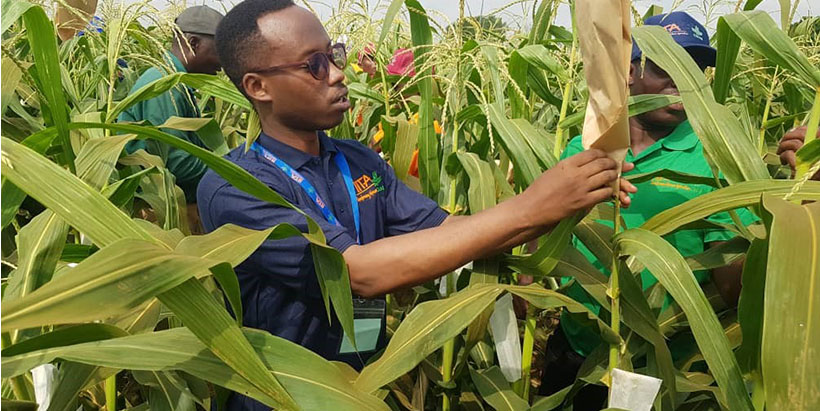
Rwahamira in the photo Collecting pollen in a pollination bag before transferring it to silks of the ear for controlled pollination.

Beyond production techniques, the participants explored breeding objectives focused on developing high-yielding maize germplasm with resistance to pests, diseases, and climate stressors. Emmy Rwahamira, a participant, also shared his experience.

“We explored strategies to develop maize germplasm with high yield, resistance to biotic and abiotic stresses, and improved nutrient use. Understanding diverse crossing methods and critical hybrid development stages was particularly enlightening.”

The training also included exposure to pest management strategies, such as visiting a Fall Armyworm rearing facility where researchers demonstrated controlled infestation and pest resistance testing techniques.

As the Rwandan delegation returns home, they are committed to applying the knowledge and skills acquired to enhance local maize seed production. The training emphasized the importance of collaboration with national and international research organizations, such as IITA and RAB, in exchanging materials (e.g., germplasm) and expertise for the benefit of smallholder farmers.

“This training is not the conclusion but the beginning of a long-term collaboration. We look forward to continued technical support, participation in research trials, and contributing to Rwanda’s seed industry’s growth,” said Tumusifu.

The insights gained from Nigeria’s advanced seed production systems will significantly contribute to Rwanda’s agricultural transformation. They will ensure farmers have access to high-quality, climate-resilient maize seeds to boost productivity and food security.

This training program is part of a wider IITA intervention to improve the quality of hybrid maize produced in the country. Other capacity-building interventions are scheduled for more seed companies and staff from RAB and RICA.

Contributed by Ritha Bumwe

IITA Director General Dr Simeon Ehui with the Prime Minister of Rwanda Dr Edouard Ngirente.

A landmark visit to Rwanda set the stage for deeper collaboration in agricultural research and innovation as IITA and the Government of Rwanda explored new avenues for partnership. During the visit, IITA Director General and CGIAR Regional Director for Africa, Dr Simeon Ehui, met with Prime Minister, Right Honorable Dr Edouard Ngirente, to discuss strategies for leveraging scientific advancements to transform Rwanda’s agriculture sector.

Their discussions focused on expanding research collaboration and strengthening capacity-building initiatives for young scientists, reinforcing Rwanda’s commitment to agricultural innovation.

Receiving Dr Ehui in his office, Prime Minister Dr Ngirente underscored the importance of research-driven solutions in addressing Rwanda’s agricultural challenges. He expressed appreciation for IITA’s contributions and emphasized the need to deepen collaboration to drive impactful agri-food systems transformation. The meeting set the stage for enhanced engagement between IITA and Rwanda’s national institutions, ensuring that research and innovation are central to boosting agricultural productivity and food security.

During his two-day visit, Dr Ehui engaged with other key government officials, including the Minister of Agriculture and Animal Resources, Dr Marc Cyubahiro Bagabe, and the Director General of Rwanda Agriculture and Animal Resources Development Board (RAB), Dr Telesphore Ndabamenye. He also held discussions with development partners such as the Country Office of the African Development Bank and the World Bank; and the Africa Food System Summit Secretariat to explore ways to strengthen collaboration to scale up research and innovation in the country. .

During his visit to the Ministry of Agriculture and Animal Resources, Dr Ehui was warmly welcomed by Minister Dr Cyubahiro. Discussions focused on aligning IITA’s strategies with Rwanda’s fifth Strategic Plan for Agricultural Transformation (PSTA 5) and the Second National Strategy for Transformation (NST 2). The Minister reiterated Rwanda’s commitment to research partnerships that yield tangible results for farmers, emphasizing the need to mobilize resources jointly for high-impact programs.

IITA delegation during a courtesy visit to the Minister of Agriculture.

“We want to do more with IITA and CGIAR, especially in research,” said Minister Dr Cyubahiro. “We need solutions that address the real challenges faced by our national agriculture systems. Let’s work together to attract investment and drive transformative programs for our priority crops and inputs.”

At RAB, Dr Ehui met with Director General Ndabamenye to discuss ongoing collaboration and future opportunities. The meeting reinforced the need for sustainable research and innovation systems that equip farmers with the tools and knowledge to improve productivity.

“Partnership is essential,” Dr Ndabamenye emphasized. “We need research as the engine of development, especially in agriculture, ensuring that farmers have access to the right innovations to boost productivity and livelihoods.”

Discussions at RAB also focused on expanding IITA’s role in key agricultural initiatives. Priorities included strengthening seed systems in banana and cassava, promoting digital tools for pest disease and soil fertility management, and capacity development for young scientists on cutting-edge research areas.

Dr Ehui reaffirmed IITA’s commitment to supporting Rwanda’s agricultural goals, emphasizing the importance of learning from each other to maximize impact. “Rwanda has demonstrated remarkable success in meeting agricultural targets,” he said. “We want to build on this model of collaboration, ensuring that research leads to real success stories across Africa.”

As part of his visit, the DG met with IITA staff in Rwanda and leaders from other CGIAR centers, including International Food Policy Research Institute (IFPRI), Alliance of Bioversity International and CIAT (the Alliance), and the International Potato Center (CIP). He stressed the importance of working together under the One CGIAR framework to achieve greater impact at scale.

Contributed by Ritha Bumwe
In a significant demonstration of commitment to its partnership with the Government of Sierra Leone, IITA donated high-quality seeds and agricultural inputs to support the country’s food security efforts.

Sierra Leone Minister of Agriculture and Food Security Dr Henry Musa Kpaka receiving the inputs' donation from IITA Director General Dr Simeon Ehui at IITA headquarters.
Sierra Leone Minister of Agriculture and Food Security Dr Henry Musa Kpaka receiving the inputs’ donation from IITA Director General Dr Simeon Ehui at IITA headquarters.

Sierra Leone Minister of Agriculture and Food Security, Dr Henry Musa Kpaka, received the donation on behalf of the government from IITA Director General and CGIAR Regional Director for Continental Africa, Dr Simeon Ehui, on behalf of the government.

This initiative aligns with the government’s ‘Feed Salone’ agenda, prioritizing agricultural transformation and food sufficiency. Providing improved seeds and inputs will enable farmers, especially youth and women, across Sierra Leone to increase crop productivity, adopt climate-smart agricultural practices, and drive economic growth within the sector.

Speaking at the handover event, Dr Ehui reaffirmed IITA’s dedication to strengthening Sierra Leone’s agricultural landscape. “This donation is part of our broader vision to support African nations in achieving sustainable food systems. Through research, innovation, and strong partnerships, we are committed to ensuring farmers access improved technologies to boost productivity and resilience.”

IITA Director General Dr Simeon Ehui handing over packs of Aflasafe to Sierra Leone Minister of Agriculture and Food Security Dr Henry Musa Kpaka.

On behalf of President Julius Maada Bio, the Minister of Agriculture and Food Security, Dr Kpaka, expressed gratitude to IITA, highlighting the impact of such strategic support in transforming agriculture and improving livelihoods in Sierra Leone.

“IITA has been a valuable partner in our agricultural journey. These inputs will greatly empower farmers, enhance food security, and drive national development.”

This milestone further deepens IITA’s collaborative efforts with Sierra Leone to scale agricultural solutions and ensure a more food-secure future for the country and the region.

Contributed by ’Timilehin Osunde

“We were placed on earth to fulfill a purpose, and that purpose is what gives meaning to our lives. You were sent to the world to make an impact and a difference.” – Myles Munroe

This quote gives meaning following the Tanzania Ministry of Education, Science, and Technology’s presentation of the High-Level Recognition Award in Science, Technology, and Innovations to Dr Kiddo Mtunda, a seasoned plant breeder from IITACGIAR.

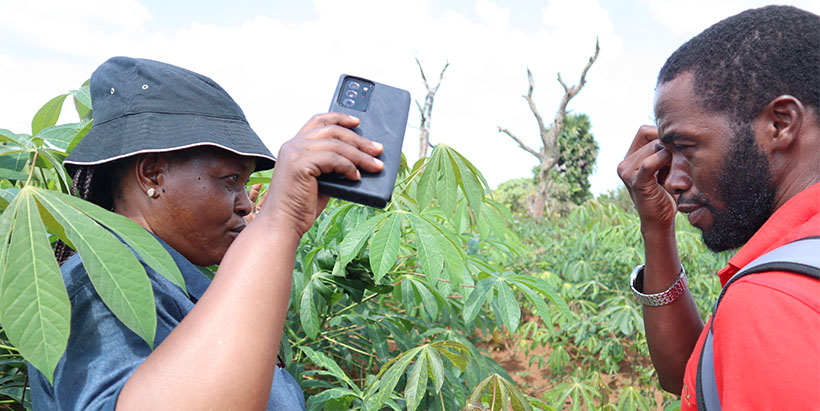
Dr Kiddo Mtunda on a cassava field with a team member.

The award ceremony attended by the Deputy Prime Minister and Minister of Energy, Honorable Dr Doto Mashaka Biteko took place during the 9th Science, Technology, and Innovation Conference and Exhibition (STICE), hosted by the Tanzania Commission for Science and Technology (COSTECH) at the Julius Nyerere International Conference Centre in Dar es Salaam from 2nd to 4th December 2024.

With the theme, “Harnessing science, technology and innovations for climate resilience and competitive economy,” the conference focused on sharing research and innovation results, displaying scientific and technological development, and discussing how STI can contribute to the country’s socio-economic development in achieving the Sustainable Development Goals (SDGs).

Dr Mtunda was recognized for her contribution to the country’s agriculture sector by developing improved varieties and disseminating them to farmers.

“In my life, I chose fighting hunger through science, technology, and innovations,” Dr Mtunda expressed. She noted that she felt honored and delighted to receive that noble recognition and award from the Government of Tanzania.

This proves the “With Science We Can” campaign under CGIAR, emphasizing the importance of scientific research and innovation in tackling issues such as climate change, food insecurity, and biodiversity loss.

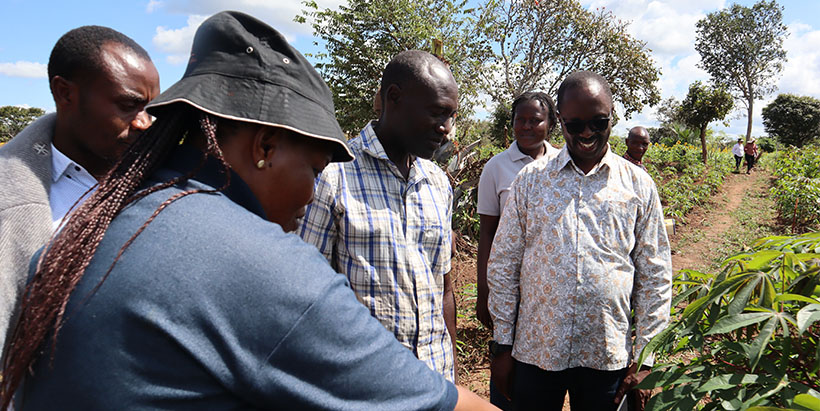
Dr Kiddo Mtunda during a field survey with other researchers.

Dr Mtunda is the Technical Lead for the Muhogo Bora Project, which is scaling up the Building an Economically Sustainable and Integrated Cassava Seed System (BASICS II) model in Tanzania’s Western and Central zones. The project has trained 242 cassava seed entrepreneurs, 130 extension staff, and more than 5,000 farm families, indirectly benefiting 164,000 individuals through access to clean cassava planting materials.

With over 20 years of experience in agricultural research, Dr Mtunda has made significant progress in developing and promoting innovative technologies to enhance the productivity of root and tuber crops, particularly cassava and sweet potato. Her efforts have directly contributed to the release of 15 improved crop varieties in Tanzania – nine cassava and six bio-fortified sweet potato varieties. These varieties, including Vitamin A-enriched, orange-fleshed sweet potatoes, have boosted agricultural yields and addressed critical nutritional deficiencies among communities.

One of her most notable initiatives, “Fast-tracking access to improved and popular varieties of root crops,” directly benefited more than 229,000 households in Tanzania and Uganda by providing access to high-yielding and disease-resistant varieties.

While working with the Tanzania Agricultural Research Institute (TARI), Dr Mtunda was actively involved in the development of seed systems of root and tuber crops in Tanzania, collaborating closely with the Tanzania Official Seed Certification Institute (TOSCI), International Institute of Tropical Agriculture (IITA), International Potato Center (CIP), and other key stakeholders in the seed industry. Her science, technology, and innovation successes became possible through capacity strengthening and support from the Government of Tanzania, IITA, Alliance for Green Revolution in Africa (AGRA), CIP, and development partners.

Dr Mtunda’s influence extends beyond research; she has played an important role in  Tanzania’s agricultural development and contributed to the National Cassava Development Strategy and National Biofortification Guidelines. Her work as a Borlaug LEAP Fellow and Vice President of the International Society for Tropical Root Crops – Africa Branch (ISTRC-AB) between 2017 and 2020 has cemented her reputation as a leader in agricultural innovation.

As she continues her work at IITA, scaling up innovative seed systems and empowering farmers, Dr Mtunda’s legacy as a leader in agricultural science remains an inspiration for Women and Girls in Science for future generations

Contributed by Gloriana Ndibalema

PRESS RELEASE

Ibadan, 3 March 2025 – The International Institute of Tropical Agriculture (IITA) is hosting His Excellency, President Julius Maada Bio of Sierra Leone, during an official visit to IITA headquarters in Ibadan, Nigeria.

This visit highlights the strong collaboration between IITA/CGIAR and the Government of Sierra Leone in advancing agricultural transformation through the Feed Salone agenda.

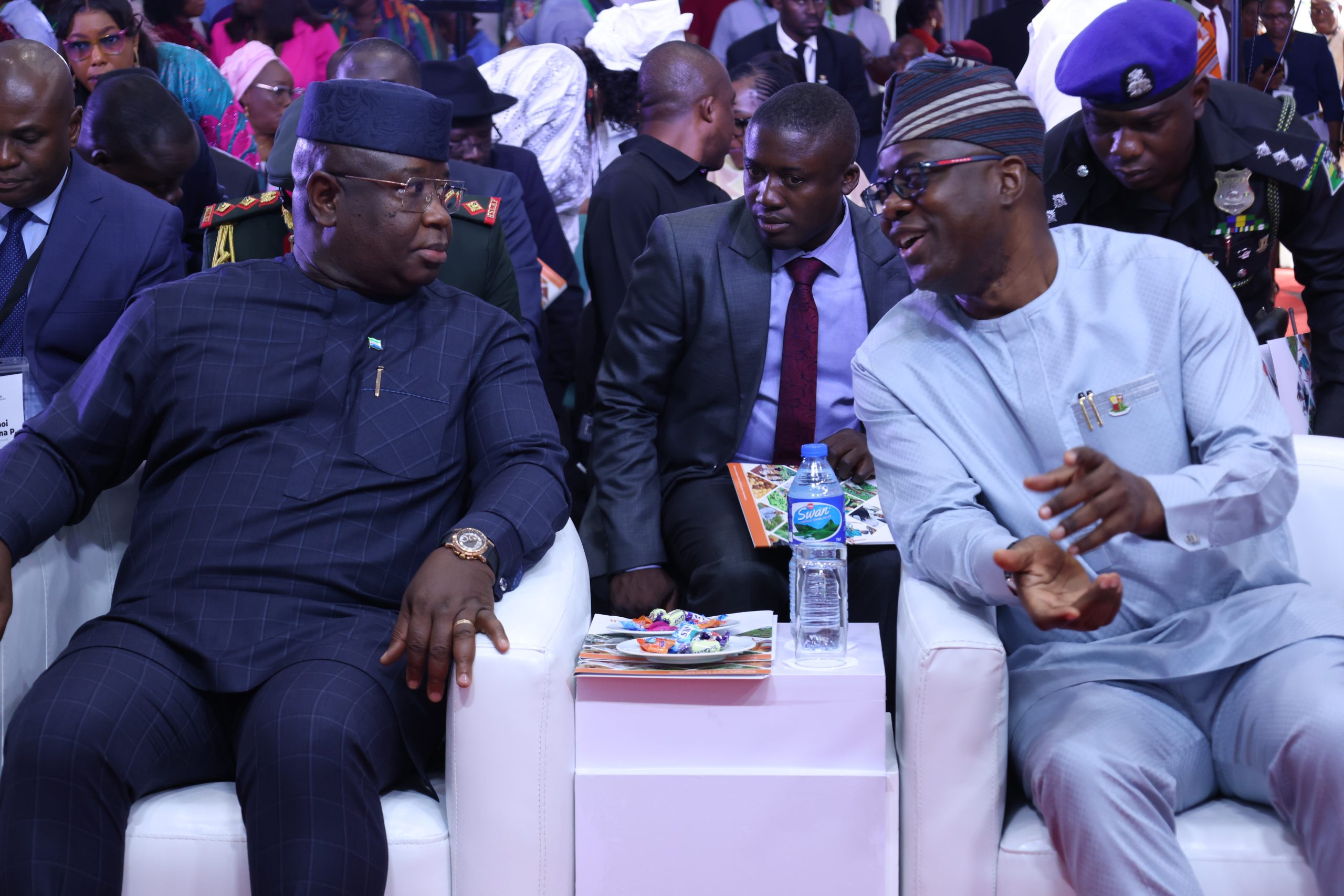
 LR - H.E. Dr Julius Maada Bio, President of Sierra Leone and H.E. Engr Oluwaseyi Makinde, Governor of Oyo State
(L-R) H.E. Dr Julius Maada Bio, President of Sierra Leone and H.E. Engr Oluwaseyi Makinde, Governor of Oyo State

During the visit, President Bio will engage with IITA/CGIAR leadership, scientists, policymakers, development and business partners to explore innovative solutions that support Sierra Leone’s agricultural development goals. IITA/CGIAR has been a key technical partner in implementing Feed Salone, a national program aimed at achieving food self-sufficiency, improving nutrition, and enhancing agricultural productivity in Sierra Leone.

“We are delighted to welcome President Bio and reaffirm our commitment to supporting Sierra Leone’s vision for a resilient and food-secure nation,” said Dr Simeon Ehui, IITA Director General and CGIAR Regional Director for Continental Africa.

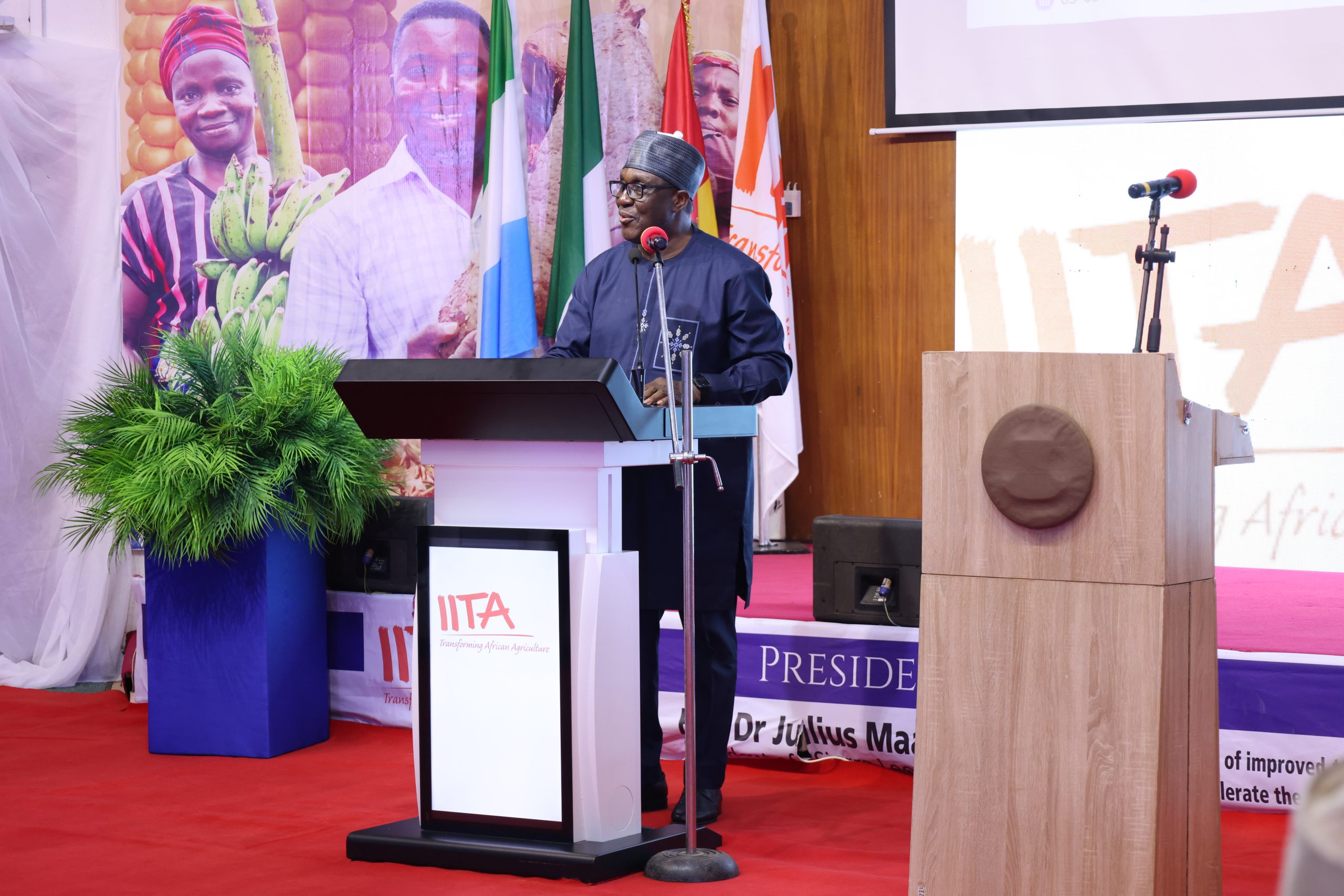
Dr Simeon Ehui, IITA Director General and CGIAR Regional Director for Africa giving opening remarks.
Dr Simeon Ehui, IITA Director General and CGIAR Regional Director for Africa

“Our ongoing collaboration with the Sierra Leone Ministry of Agriculture is focused on scaling climate-smart agricultural technologies, strengthening research capacity, and empowering youth and farmers with innovative solutions.”

The Feed Salone agenda aligns with IITA’s mission to enhance agricultural productivity and ensure food security across Africa. Through joint research initiatives, capacity-building programs, and technology dissemination, IITA and the Government of Sierra Leone are working together to transform the country’s agricultural sector.

President Bio’s visit includes high-level discussions on expanding research partnerships, adopting cutting-edge agricultural technologies, and mobilizing resources to drive sustainable food production.

The visit also aims to strengthen the relationship between Sierra Leone and Nigeria in advancing regional agricultural cooperation and opening business opportunities in several value chains that include cassava, yam, banana/plantain, and rice.

“Agriculture is the backbone of our economy, and through our partnership with IITA and Nigeria, we are making strategic investments to enhance productivity and empower our farmers,” said Dr Henry Musa Kpaka, Minister of Agriculture of Sierra Leone.

“The Feed Salone agenda is a national priority, and we are committed to leveraging scientific innovations to achieve our food security goals,” said Dr Kpaka.

This visit marks a significant milestone in the partnership between IITA and Sierra Leone, reinforcing the shared commitment to agricultural transformation, economic growth, and improved livelihoods for millions of people.

About IITA (www.iita.org)

The International Institute of Tropical Agriculture (IITA) is a not-for-profit institution that generates agricultural innovations to meet Africa’s most pressing challenges of hunger, malnutrition, poverty, and natural resource degradation. Working with various partners across Africa, we improve livelihoods, enhance food and nutrition security, increase employment, and preserve natural resource integrity. IITA is a member of CGIAR, a global agriculture research partnership for a food-secure future.

For media inquiries, please contact:

IITA Communication
Katherine Lopez, k.lopez@cgiar.org

Government of Sierra Leone
Sheku Tanga, joyama972@gmail.com

Tanzania is building sustainable cassava-seed systems for high-quality seed through cassava seed entrepreneurs. However, women are often shut out of such business opportunities due to their lack of land, capital, and social norms that limit their mobility and literacy.

Saada Mkuyu, a cassava seed entrepreneur inspecting her cassava seed farm against the pests causing cassava disease. (Photo credit: Gloriana Ndibalema).

A project designed to consider women’s needs has overcome some barriers by modifying the selection requirements for cassava seed entrepreneurs (CSEs) and providing targeted support.

Saada Mkuyu – a 47-year-old farmer from Ulasa, Urambo district, Tabora region – is among the farmers who received knowledge, extension support, and cassava seeds as start-up capital from the project to become a CSE.

“My cassava seed business has changed my life; it makes me walk confidently,” she said. “I can provide for my family with food and household needs from my cassava ‘shop’ [farm],” she added with a big smile.

The International Institute of Tropical Agriculture (IITA) collaborated with the Tanzania Agricultural Research Institute (TARI), and Cornell University to work on the Muhogo Bora project.

IITA gender researcher in cassava Dr Millicent Liani, said that the modified CSE requirements focused on enhancing gender responsiveness in the project by improving the ‘reach’ of women and other disadvantaged groups. The new requirements have been implemented in 19 districts across four regions of Tanzania’s Western and central zones.

Saada with her husband on their three-acre cassava seed farm, excited with the performance of their cassava seed variety. (Photo credit: Gloriana Ndibalema).

“Our early cassava study highlighted women’s lack of land, capital, and inability to meet the prerequisite isolation distance for seed production, among other challenges for women participating in the CSEs,” Dr Liani said. “This project aimed to increase women’s participation as CSEs. This was achieved by amending the selection requirements.”

The focus on women has positioned the Muhogo Bora project as a trailblazer and inspiration for root and tuber CSE projects in sub-Saharan Africa – the project serves as a model for inclusive and equitable seed-system development.

Other than intentionally modifying CSE selection requirements, strategies included providing support systems and addressing participation barriers such as lack of access to childcare or increasing awareness about savings and loan programs. The project is also developing new avenues to deliver planting materials to hard-to-reach rural areas to encourage women’s participation.

Saada said that she knew only about traditional cassava farming before the project, which she learned from her late parents. She was unaware that cassava farming had improved varieties and that cassava seeds were a business.

“When I started cassava seed farming, people laughed at me. They said I made a wrong move to opt for cassava against tobacco,” she said.

Saada is now happy with her choice of having a cassava seed business. The business has brought her increased income and surplus food. It has also saved her from tedious hours of tobacco farming, which requires much more care to reach the standard for accepted products.

About 1,200 CSE household members, including women, men, and their children, stand to benefit directly from this project, a potential to reach more than 3,500 rural farmers as customers.

Florentine Mkenda, the head of the agriculture section in the Urambo district, noted that the initiative to increase women’s participation has significantly benefitted families and communities.

“Women are very committed to their businesses; they manage to increase their income, and they contribute to increasing the availability of the improved seeds in the community,” explained Mkenda.

Collaboration and support from communities and spouses are key factors for women’s sustainability as CSEs because men are the decision-makers in most households, although women implement most of the agreed-upon agricultural decisions.

“I support my wife because she respected me by informing me of her intention to participate in the project. I had no objection to her advancing her knowledge for our family development, which was provided for free,” Saada’s husband, Ruhinda Ruhinda, explained.

The couple’s collaboration has expanded their cassava seed farm from two to five acres. In the upcoming planting season, they expect buyers of the improved varieties from their community and the surrounding areas.

The support Ruhinda gives to his wife conveys that breaking through the hard walls of cultural norms and tradition demands the presence of a male spouse in women’s issues. This ensures they do not feel attacked and excluded by initiatives that improve their wives’ welfare.

Contributed by Gloriana Ndibalema

Training of the vegetable farmers.

Vegetable farmers in the Democratic Republic of the Congo are building their capacity in the production of organic fertilizer under the IITA BSF for Bio Circular Economy and Environmental Sustainability (IITA-BBEST) Project, in partnership with the National Institute for Agronomic Study and Research (INERA). A practical training workshop for 50 people, including 24 men and 26 women was organized on 6 January 2025, at the University of Kinshasa (UNIKIN) to equip these agripreneurs with knowledge on the production of organic fertilizer from the Black Soldier Fly residue (frass). This training is part of implementing the (BSF for Bio Circular Economy and Environmental Sustainability) IITA-BBEST Project, the activities funded by the Norwegian Agency for Development Cooperation (NORAD).

This workshop was structured in two parts. The first part focused on rearing the black soldier fly (BSF) with a general overview of its origin and some fundamental characteristics of the species that make it a good candidate for rearing without risk for humans and animals. These characteristics are the expansion of the species throughout the intertropical zone despite its American origin, its wealth in proteins and lipids, making it an extremely interesting alternative source of feed for different livestock sectors (chickens, fish, and pigs), and its harmlessness to humans (i.e., does not bite).

It was highlighted that using BSF larvae for animal nutrition and organic fertilizers from livestock farming for market gardening is an innovative and sustainable solution that offers farmers an effective way to reduce costs while increasing their productivity. Also, integrating black soldier fly larvae and organic fertilizer into agriculture helps to preserve the environment.

Visit of the agripreneurs to the vegetable field fertilized with the BSF frass.

After the explanations on breeding the black soldier fly, the participants visited the black soldier fly larvae production unit to follow the different rearing stages, starting with the collection of waste and ending with obtaining the fly, including the collection of eggs, pre-pupae, and pupae.

The second part of the workshop was to train the participants on using organic fertilizers from the larvae of the black soldier fly. It was mentioned that the residues obtained after the digestion of organic matter by the larvae constitute a rich fertilizer and can be used after composting as an organic amendment to fertilize crops. It was recalled that organic fertilizer makes it possible to grow healthier vegetables and reduce the ecological footprint. Participants were advised to opt for these agroecological practices to ensure sustainable management of their resources by reducing chemical inputs. The participants visited some flower beds made and fertilized with the black soldier fly larvae organic fertilizer at the University of Kinshasa.

Eight members of the IITA BBEST project beneficiaries in Kinshasa participated in this workshop to increase their knowledge. These include two members of the Agricultural Cooperative of the Center of Kimbanseke (COOPACEK), two members of the Agricultural Cooperative of the Center Maraicher of N’djili (COOPACEN), two members of the Association of Fish Farmers for Development in Congo (APIDEC) and two members of the Judith farm.

This training ended with the presentation of a certificate to each participant.

Contributed by Claude Bahati and Francisca Ocloo

The former Minister of Agriculture in Equatorial Guinea, H.E. Victor Grange in a meeting with IITA representatives and partners.

In line with IITA’s public-private sector engagement agenda to improve the livelihood of millions of Africans, strengthen food and nutrition security, and transform the agricultural sector, the institute received the former Minister of Agriculture in Equatorial Guinea (2016-2018), H.E. Victor Grange at the headquarters in Ibadan from 9 to 10 January.

His visit was centered on exploring potential partnerships with IITA to advance agricultural commercialization in Equatorial Guinea and strengthen the country’s food and nutrition security.

During the meeting, IITA Deputy Director General, Partnerships for Delivery, Kenton Dashiell, highlighted IITA’s core activities and technologies, during a video documentary that showed the institute’s impact across Africa. Dashiell expressed optimism that the visit would lay the foundation for a mutually beneficial collaboration between IITA and Equatorial Guinea.

IITA Director, R4D, Central Africa Hub, Zoumana Bamba highlighting IITA’s extensive research in Central Africa, added that Equatorial Guinea was the only country in the region where IITA did not currently operate, while proposing a meeting with the country’s president to formalize the partnership and establish a framework for cooperation.

H.E Grange on a tour of IITA Cassava Processing Center to see products made with cassava.

Representatives from several IITA programs including cassava breeding, Business Incubation Platform (BIP), soybean, Forest Center, and IITA Youth Agripreneurs (IYA), CGIAR Centers WorldFish, and International Livestock Research Institute (ILRI), and IITA partner National Horticultural Research Institute (NIHORT), shared insights into their research, helping H.E. Grange identify potential areas for collaboration.

Dashiell reassured him of IITA’s support in fostering engagements with partners to support the country’s agricultural goals.

H.E. Grange emphasized the urgent need for a transformation in Equatorial Guinea’s agricultural sector, citing cassava and rice as major areas of interest. These two staples, which form the backbone of the country’s food security, would be key to Equatorial Guinea’s strategy to reduce dependence on imports and create job opportunities, particularly for youth and women, 80% of whom are currently unemployed.

He expressed keen interest in IITA’s cassava varieties for garri and flour production, noting that the leaves could be used for food and cosmetics. He also showed interest in IITA-BIP, youth agripreneurs’ program, and plantain propagation for commercial production.

H.E. Grange praised IITA’s innovative contributions, citing the institute’s cassava bread as a prime example of how local agriculture could replace costly imports. “I tasted IITA’s bread made with cassava and couldn’t differentiate it from wheat bread. I believe that using cassava will save us money, as we rely heavily on wheat flour for everything,” he remarked.

Emphasizing the need for private sector involvement in driving agricultural commercialization, H.E. Grange affirmed that Equatorial Guinea is ready to form an official partnership with IITA through the signing of a Memorandum of Understanding (MOU). “We cannot keep waiting on the government to sponsor us. We need to reach out to companies that could help sponsor these projects,” he added.

In response, Dashiell assured him that IITA would support his vision, providing connections to key stakeholders to drive change. “We will work on connecting you with the right people and draft an MOU to formalize our partnership with the Equatorial Guinea Ministry of Agriculture,” he said, signaling the beginning of a promising collaboration between IITA and Equatorial Guinea.

Contributed by: Ochuwa Favour Daramola

Members of the IITA team, the International Water Management Institute (IWMI), the World Food Programme (WFP) and Koolboks Limited at the workshop in Lagos.

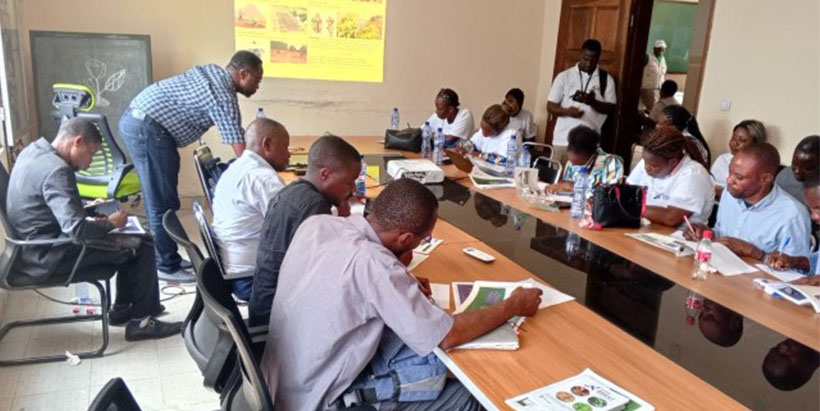
The IITA Yola office recently hosted a delegation from the World Food Programme (WFP) Innovation Accelerator for a field visit under the Fragility, Conflict, and Migration Innovation (FCMI) Accelerator program. The visit, from 18 to 22 November 2024, marked the second engagement of the WFP team in Nigeria. The first interaction occurred during a Boot Camp held in July 2024 to orient partners and stakeholders on the program’s objectives and prepare beneficiaries for the journey ahead.

The FCMI Accelerator collaborates with the WFP Innovation Accelerator and CGIAR centers, including IITA and the International Water Management Institute (IWMI). This program leverages expertise and resources to promote innovative solutions in fragile and conflict-affected (FCA) settings, with the overarching goal of achieving Sustainable Development Goal (SDG) 2: Zero Hunger. The initiative also supports SDG1 (No Poverty), SDG5 (Gender Equality), SDG13 (Climate Action), and SDG17 (Partnerships for the Goals).

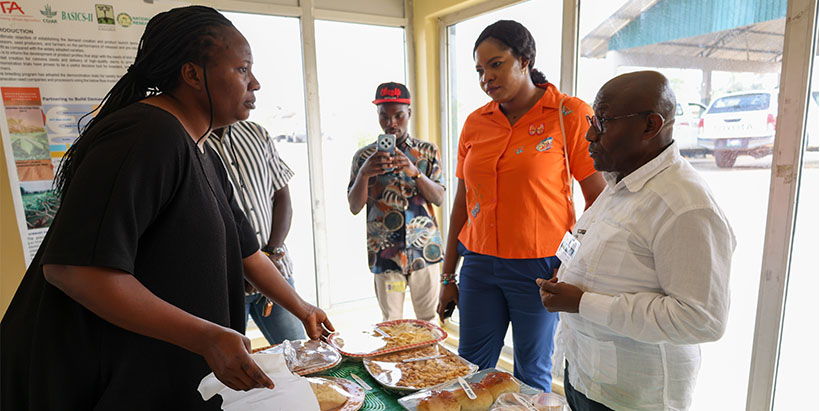
During the field visit, the team assessed the deployment and impact of Koolboks’ solar-powered refrigeration systems in Northeast Nigeria. This innovative technology, piloted in Adamawa and Borno states for the Northeast market, aims to improve food preservation and storage capacities in vulnerable communities. Targeting critical locations such as public abattoirs, markets, and restaurants in Jimeta and Yola, the intervention addresses longstanding challenges posed by unreliable electricity, economic constraints, and frequent power outages.

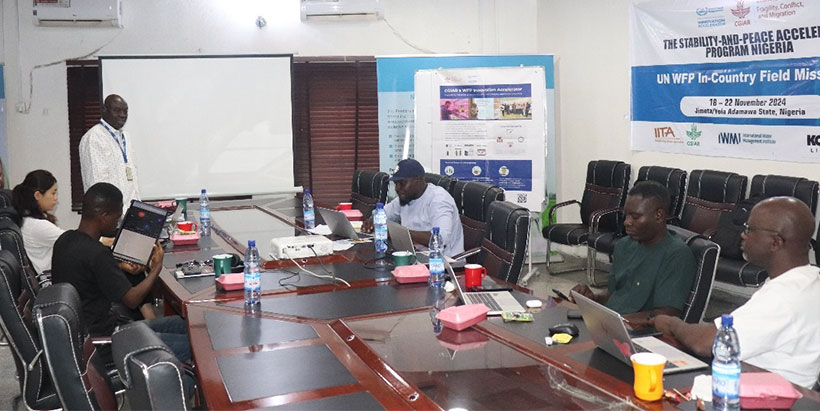
Mr Quadri Shakiru (standing) during his presentation at the session at the IITA Yola office.

The delegation included Zehui Qiu from the WFP and Babatunde Ogunseye from Koolboks Limited, the innovators behind the solar refrigeration solution. Representing IITA were Quadri Shakiru, FCMI Focal Point Coordinator; Isaac Twalbwam Philip, Monitoring and Evaluation Officer; and Sini Ndazhea Luwa of the FCMI program. The visit culminated in a comprehensive evaluation of the market readiness and acceptance of the Koolboks technology, designed to address the critical challenge of food preservation in fragile and conflict-affected regions.

Solar-powered refrigeration systems is coming at a crucial time for Northeast Nigeria, a region grappling with frequent power outages, rising electricity tariffs, increased fuel costs, and heightened vulnerability during the dry season when food preservation needs are at the peak.

By ensuring reliable cold storage, the systems provide a sustainable and cost-effective solution that reduces post-harvest losses, enhances food security, and supports local economic activities, particularly among small and medium enterprises. The IITA Yola team and its partners highlighted the potential of these systems in improving the livelihoods of vulnerable populations. Extensive field evaluations in Jimeta and Yola received overwhelmingly positive feedback from end-users and stakeholders, underscoring the impact of the intervention.

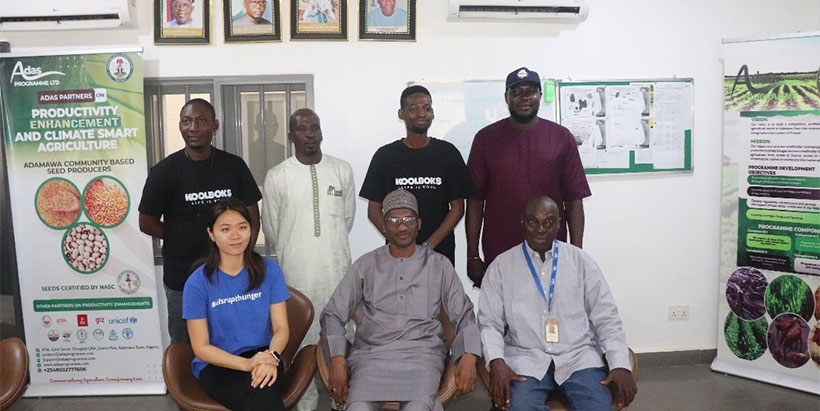
(front row, from left to right) Zehui Qiu, representing the WFP, Alhaji Yunusa Ibrahim Gafai, Lead Consultant and Chief Operating Officer of ADAS-P, Quadri Shakiru, Focal Person The Fragility, Conflict, and Migration Innovation (FCMI) Accelerator team on a visit to the the ADAS-P office in Yola.

The team reviewed findings following the field visit and strategized the next steps. Koolboks Limited was tasked with developing a strategy to meet the anticipated surge in demand for its refrigeration systems while ensuring consistent supply and deployment. Plans were also outlined to enhance community awareness and engagement, maximizing the adoption of the technology.

Additionally, discussions emphasized the need for a long-term sustainability framework to support the scaling of the intervention across other fragile and conflict-affected regions.

Introducing solar-powered refrigeration in Northeast Nigeria also offers broader implications beyond the region. As a scalable solution, it serves as a model for addressing similar challenges in other global FCA settings. Recommendations from the visit include:

  • Expanding the deployment of refrigeration systems to additional locations,
  • Encouraging community-led models through cooperatives and networks and
  • Strengthening monitoring and evaluation frameworks to track impact and identify areas for improvement.
  • Capacity-building efforts, such as end-user training sessions, will further ensure the systems’ efficiency and longevity.

The WFP team’s second visit to Nigeria emphasizes the progress and potential of the FCMI Accelerator program in driving impactful innovation for sustainable development. The engagement at the IITA Yola office also demonstrated the significant strides made in addressing food preservation challenges in Northeast Nigeria. It reveals immense opportunities for scaling the initiative to achieve broader impacts.

IITA remains at the forefront of fostering resilient and sustainable food systems, leveraging its expertise and partnerships to address pressing global challenges. Through initiatives like the FCMI Accelerator program, IITA reaffirms its commitment to advancing innovative solutions for the most vulnerable communities, ensuring no one is left behind in pursuing sustainable development.

Contributed by Olorunfemi Adedeji