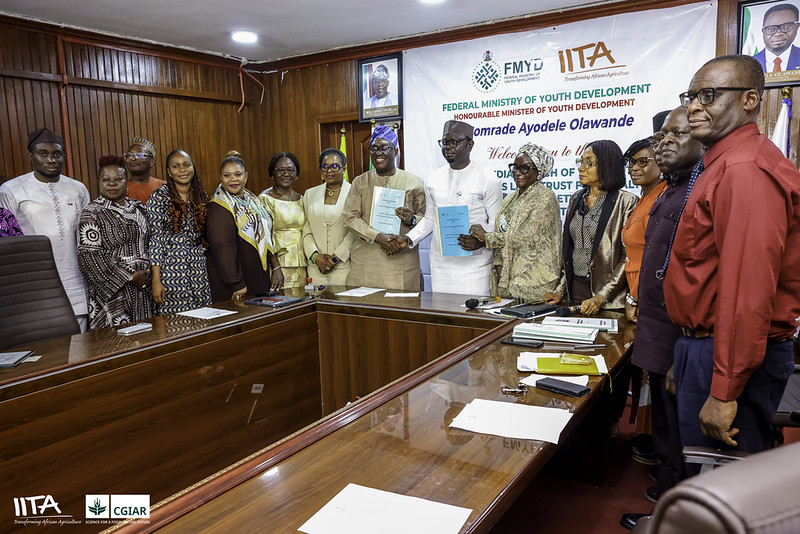
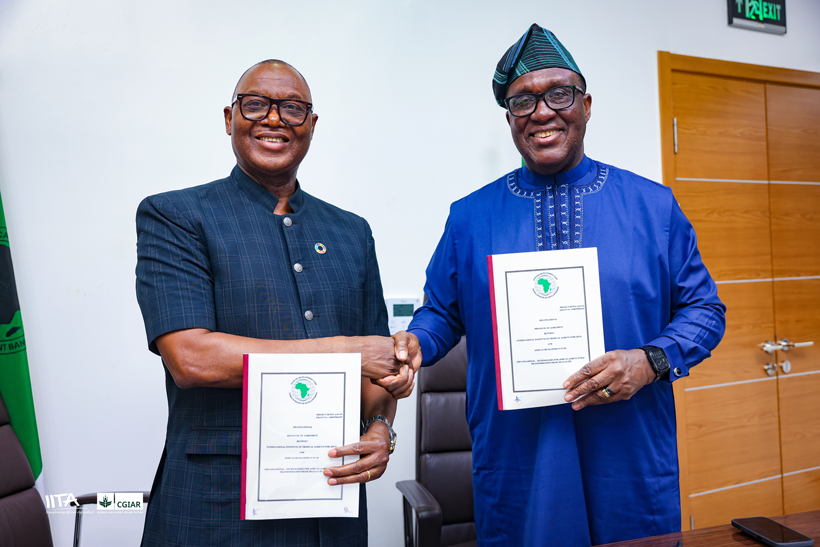
ITA Director General, Dr Simeon Ehui and Minister of Youth Development, Honorable Ayodele Olawande Wisdom.

Nigeria’s Federal Ministry of Youth Development has signed a Memorandum of Understanding (MoU) with IITACGIAR to launch the Youth in Agribusiness Land Trust Fund (YALTF), a transformative initiative aimed at empowering young Nigerians through agriculture.

The agreement marks a significant step toward addressing one of the most critical barriers facing youth in agriculture – access to land – while creating pathways for skills development, enterprise growth, and employment.

IITA Head of Legal Services, Morenike Abu, IITA Director General, Dr Simeon Ehui and Minister of Youth Development, Honorable Ayodele Olawande Wisdom during the MoU signing in Abuja.

At the core of the initiative is the conversion of 42 youth development centres across Nigeria into agribusiness hubs. These centres will serve as platforms for training, incubation, and enterprise development, enabling young people to engage productively across agricultural value chains.

Through the YALTF framework, participating youth will gain access to land, modern production systems, business development support, and market linkages—creating an enabling environment for sustainable agribusiness development.

Over the next three years, the program with support from the IITA Youth in Agribusiness (IYA) program aims to train six million youth and support the establishment and growth of 500,000 agribusiness enterprises in the country. This scale reflects both the urgency and opportunity of harnessing Nigeria’s youthful population to drive economic growth and food systems transformation.

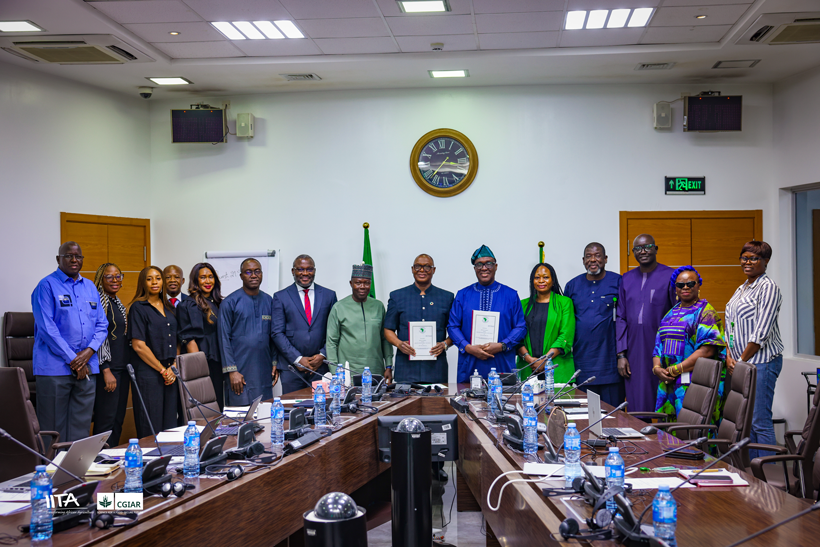
 The IITA delegation and the Ministry of Youth team with IITA Director General, Dr Simeon Ehui and Minister of Youth Development, Honorable Ayodele Olawande Wisdom following the signing of the MoU.
The IITA delegation and the Ministry of Youth team with IITA Director General, Dr Simeon Ehui and Minister of Youth Development, Honorable Ayodele Olawande Wisdom following the signing of the MoU.

IITA through the IYA program will provide technical backstopping for the initiative, leveraging its expertise in agricultural research, capacity development, and youth engagement. The institute will support the design and implementation of training program, promote the adoption of climate-smart and market-oriented technologies, and facilitate access to innovation and partnerships.

Speaking at the signing, IITA Director General, Dr Simeon Ehui emphasized the long-term significance of the initiative.

“This partnership represents a bold and practical step toward unlocking the immense potential of Nigeria’s youth in agriculture. By addressing the land access challenge and linking young people to skills, innovation, finance, and markets, we are creating a pathway for sustainable agribusiness development at scale. At IITA, we are committed to ensuring that young people are not only participants in agriculture, but successful entrepreneurs and employers of labour,” Dr Ehui said.

The initiative builds on IITA’s longstanding commitment to youth empowerment through agribusiness under the IYA program, including its work in developing scalable models that integrate skills training, incubation, and enterprise support.

Access to land remains a major constraint for young people seeking to enter agriculture. By structuring land access through a national trust mechanism, YALTF introduces a practical and scalable solution that enables youth to establish and expand agribusiness ventures.

In addition to land, the program adopts a holistic approach, linking young people to inputs, markets, and advisory services, ensuring that participation in agriculture translates into viable and profitable enterprises.

The collaboration reflects a shared commitment between IITA-CGIAR and the Federal Ministry of Youth Development to position agriculture as a key driver of youth employment and economic inclusion. It also aligns with broader national and continental priorities to strengthen food systems, enhance resilience, and create jobs for Africa’s growing youth population.

By investing in young people as agripreneurs, the YALTF initiative aims to build a new generation of business leaders capable of transforming agriculture into a modern, competitive, and sustainable sector in Nigeria.

Also speaking, Honorable Minister Ayodele Olawande Wisdom highlighted the government’s vision for youth empowerment through agriculture.

“This initiative is about creating real opportunities for young Nigerians. By transforming our Youth Development Centres into agribusiness hubs, we are providing access to land, skills, and support systems that will enable young people to build viable businesses. Agriculture holds the key to job creation and economic diversification, and our youth must be at the center of that transformation.”

As the initiation phase begins, the Youth in Agribusiness Land Trust Fund is expected to serve as a model for scaling youth-focused agricultural development across Nigeria and beyond.

For IITA-CGIAR, the partnership reinforces its mission to deliver research-for-development solutions that improve livelihoods, enhance food security, address unemployment among youth, and drive inclusive growth across Africa.

Contributed by ’Timilehin Osunde

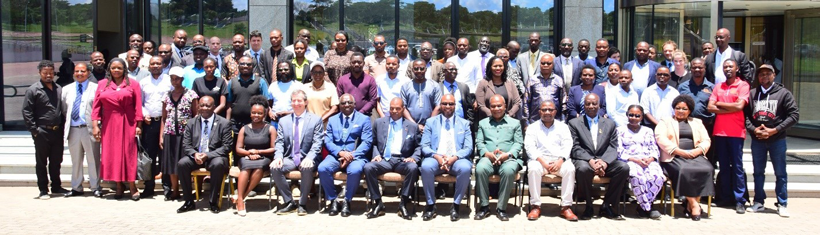
articipants at the policy innovation hub launch in Malawi.

The CGIAR has launched the Policy Innovation hub in Lilongwe, highlighting the pivotal role researchers play in informing policymakers through evidence-based research.

The country policy hub is expected to articulate future research needs to support Malawi’s food systems transformation to 2030 and to raise awareness of how existing evidence can inform national decision-making. The launch attracted the attendance of academicians, researchers, communication experts, government officials, and farmers, among other stakeholders.

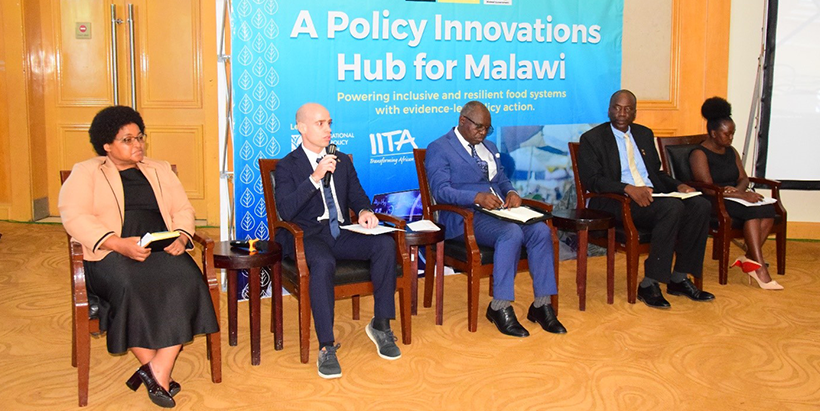
A panel discussion on policy measures for driving food systems transformation in Malawi.

Speaking during the launch, Clemens Breisinger, Director of the Policy Innovations Science Program at CGIAR, highlighted how CGIAR has transformed its research to be more partner-centric, demand-driven, and collaborative, with co-creation of research, innovation, and policy change at the center of its operations.

“It is a one-stop shop for donors and partners to work together with all CGIAR centers on policy in Malawi. It is a mechanism for our partners to work with the CGIAR centers. Malawi is an important partner for the CGIAR, including on agriculture and food policy research. The collaboration among IITA, IFPRI, and other CGIAR’s centers has yielded impressive results.

We look forward to more positive policy change in 2026 and beyond,” said Clemens.
Malawi, like many countries in Africa, faces significant and persistent food system challenges, including recurrent hunger, chronic undernutrition, widespread micronutrient deficiencies, food supply disruptions, and price volatility.

These constraints continue to hinder the country’s progress toward achieving its strategic development aspirations, including attaining lower-middle-income status and meeting most of the Sustainable Development Goals (SDGs) by 2030.

In her presentation, Sika Gbegbelegbe, representing CGIAR centers working in Malawi, highlighted the work CGIAR is doing in helping the government of Malawi to transform Agriculture through seed systems innovations, genetic improvements, cropping systems, plant and soil health improvements, Seed systems innovations and scaling models, nutrition, and evidence-based policy making.

“CGIAR research programs continue to deliver ground-breaking science and innovations that improve food and nutrition security for the world’s most vulnerable people, lifting millions out of poverty. We have reached out to over 2 million smallholder farmers through capacity development, improved planting materials, and sustainable agronomic practices. We are also pleased to have made genetic improvements through the development and release of varieties and innovations,” said Sika Gbegbelegbe.

Launching the hub was the Deputy Minister of Agriculture, Irrigation and Water Development, Thoko Tembo, who acknowledged that agri-food systems constitute a significant share of Malawi’s economic activities and remain the primary source of livelihood for most people, especially the vulnerable. He says national development strategies consistently place strong emphasis on the food sector as a pathway for accelerating economic growth, reducing poverty, improving food and nutrition security, and addressing the growing threats of climate change.

“Our Ministry, in collaboration with partners, has a robust vision for food systems. Central to delivering our food systems pathway is recognizing our policy space and adopting innovative, forward-looking approaches to address emerging challenges. We must craft policies that are responsive to the rapidly evolving political, economic, and social environment within which national development is implemented,” said Tembo.

Tembo adds that the government believes the policy innovation hub must be strengthened as a crucial platform for ensuring inclusiveness in addressing public challenges. He acknowledges the role CGIAR plays in strengthening Malawi’s food systems.

The policy innovation hub launch was attended by stakeholders, including academicians, researchers, civil society representatives, and various government agriculture departments.

Contributed by Emmanuel Mwale

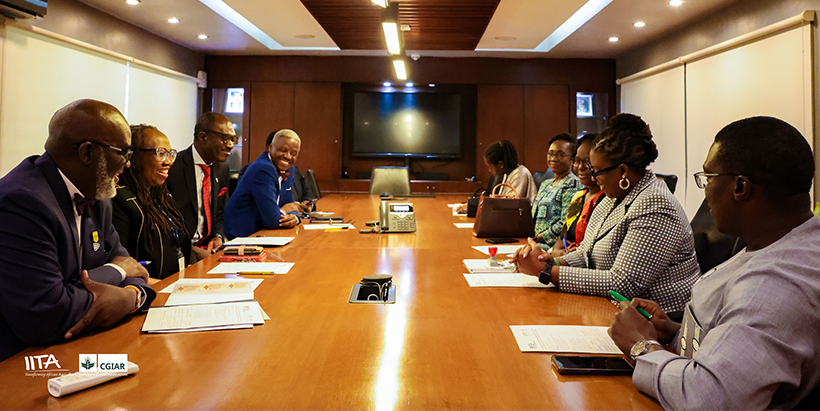
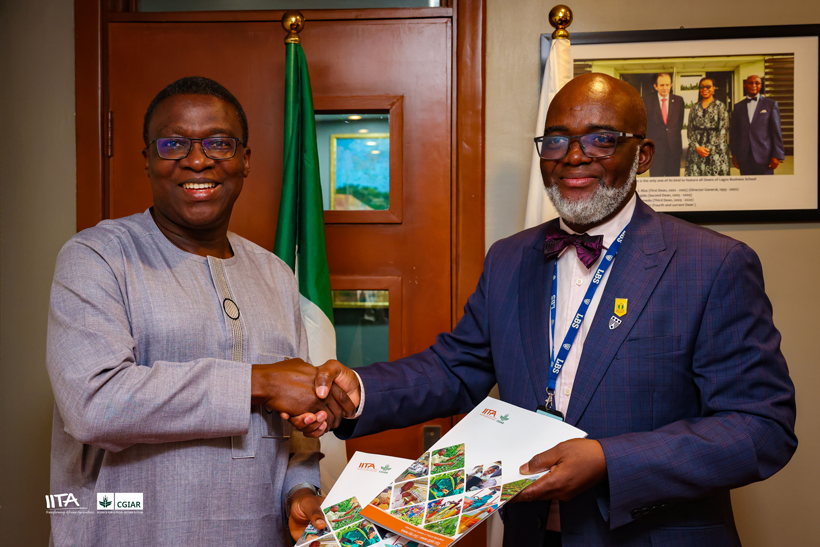
Representatives of IITA and LBS, deliberating on the identified areas of partnership.

IITACGIAR works closely with private sector actors and governments across Africa to improve livelihoods, strengthen food and nutrition security, create employment opportunities, and safeguard natural resources. In advancement of this mission, an IITA delegation visited Lagos Business School (LBS) on 26 February to formalize their already existing relationship and expand the scope of collaboration between the two institutions.

Director of the IITA Business Incubation Platform, Dr Adebowale Akande and Director of LBS Executive Education, Dr Victor Banjo after signing the MoU.

In his opening remarks, the Director of LBS Executive Education Dr Victor Banjo, recalled IITA hosting the LBS team last year, emphasizing that both institutions have already built a strong working relationship. He noted that while collaboration has been ongoing, formalizing the partnership would provide a clearer framework for deeper and more structured engagement.

Representing IITA’s Deputy Director General, Partnerships for Delivery, Tahirou Abdoulaye, the Director of the IITA Business Incubation Platform, Adebowale Akande, expressed his delight at the formalization of the partnership. He acknowledged that the collaboration could have been established years ago but said he was pleased that the process was now being completed. Although both institutions have engaged informally over time, he stressed that formalizing the relationship would broaden opportunities for impact. “We look forward to a strong partnership,” he stated.

The IITA team and the LBS team following the MoU signing.

Akande further highlighted the alignment between IITA and LBS’s mission, and, alongside the LBS Academic Director for the Agribusiness Management Programme, Dr Jide Adedeji, proposed key areas for collaboration. These include joint research initiatives, knowledge exchange engagements between IITA scientists and LBS students, and the commercialization of IITA’s innovations. He noted that, as a not-for-profit research institute, IITA relies on private-sector partnerships to successfully commercialize its technologies and innovations.

Also speaking at the meeting, the IITA Programs Manager for the Capacity Development Office, Olumodupe Banwo, suggested that LBS could leverage IITA’s expertise and resources through capacity-building initiatives, practical boot camps hosted at IITA facilities, and periodic knowledge-sharing sessions where IITA staff would engage LBS participants on the Institute’s work and impact.

In support of these proposals, Banjo recommended establishing a joint working group to drive implementation and ensure that identified areas of collaboration translate into measurable outcomes.

The visit climaxed in the signing of a Memorandum of Understanding (MoU), with Akande signing on behalf of IITA and Banjo representing LBS, thereby formalizing the partnership between the two institutions.

Contributed by Ochuwa Favour Daramola

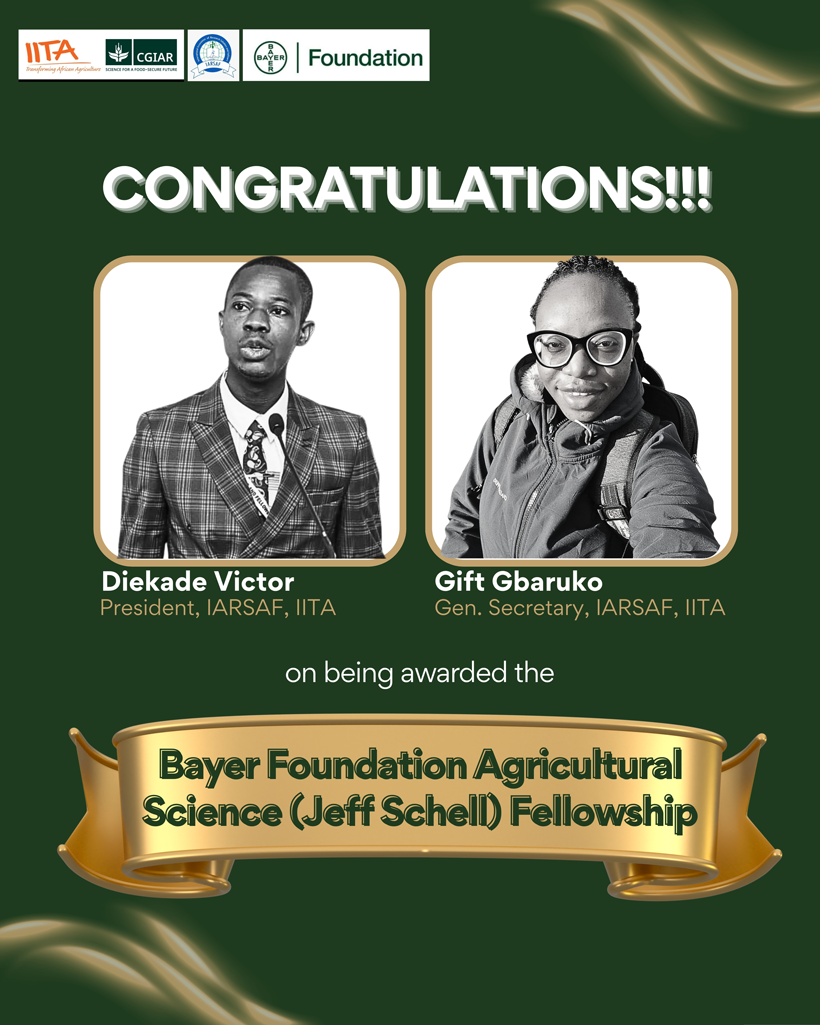
Two members of the International Association of Research Scholars and Fellows (IARSAF) have been selected as recipients of the 2025 Bayer Foundation Scientific Fellowship under the Jeff Schell Fellowship for Agricultural Science.

The fellowship will give the recipients, Victor Adelodun Diekade, IARSAF President, and Gift Chinonye Gbaruko, IARSAF General Secretary, the opportunity to increase the impact of their research while building a network that will support their research career.

Awarded by the Bayer Foundation, the fellowship is a globally recognized program that supports early-career researchers committed to developing innovative solutions in agricultural science. It highlights excellence in research and the potential of young scientists to contribute to sustainable agricultural development worldwide.

The selection of IARSAF’s members reflects the association’s outstanding contributions to agricultural research, scientific leadership, and dedication to advancing knowledge that addresses pressing challenges in food security and sustainable agriculture.

The awardees’ selection also demonstrates the importance of nurturing emerging scientific talent and fostering international collaboration in agricultural research.

Contributed by Ayooluwa Samuel Ayoola

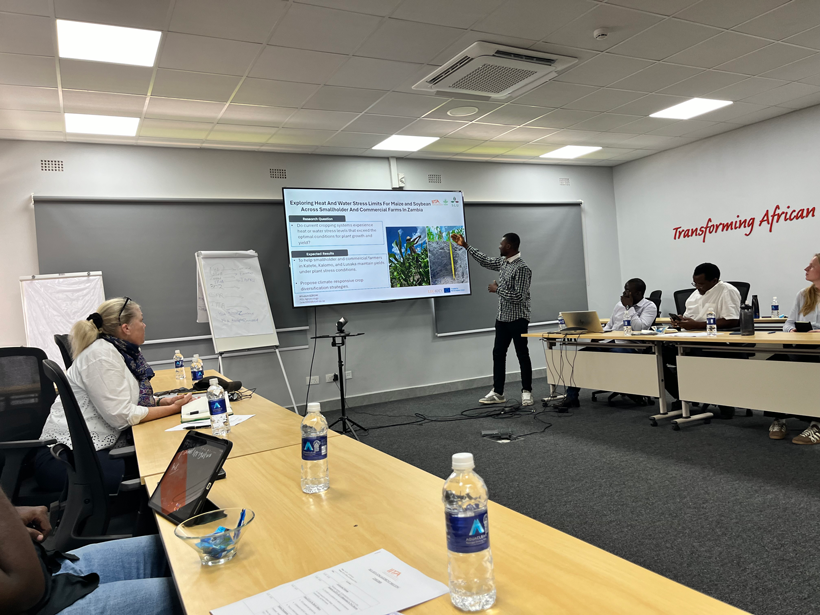
Wisdom Ezechi, A SLU student presents part of his  research  during the engagement meeting.
Wisdom Ezechi, A SLU student presents part of his research during the engagement meeting.

As climate variability, food insecurity, and data gaps increasingly challenge agricultural systems, building a new generation of skilled scientists has become critical for the future of food production in Zambia and beyond.

Young scientists from Zambia and partner institutions are gaining hands-on experience in climate-smart agricultural research through a collaborative initiative involving the Swedish University of Agricultural Sciences (SLU), IITACGIAR, and the University of Zambia.

Under the EU-funded LEG4DEV program, students are actively involved in field-based research on sustainable legume–cereal systems, applying both high- and low-tech data collection methods in real farming environments.

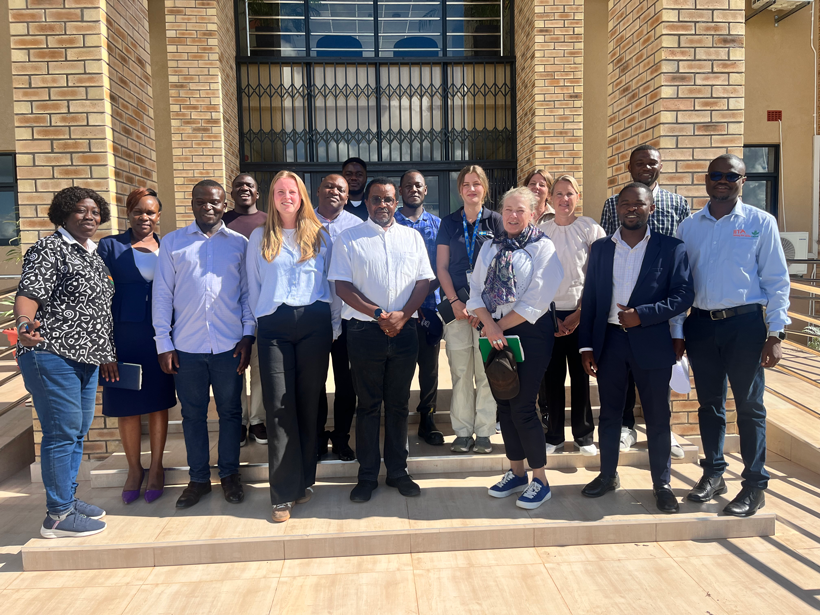
Participants from SLU, IITA, the University of Zambia, and partner institutions during the engagement meeting at the IITA Southern Africa Hub.

The initiative focuses on building practical research capacity beyond the classroom, equipping students with skills to address challenges such as climate variability, data scarcity, and sustainable food production. By working directly with researchers and farmers, students gain exposure to applied research approaches that strengthen Zambia’s agricultural research ecosystem and prepare them to contribute to climate-resilient food systems.

An engagement meeting between the Swedish University of Agricultural Sciences (SLU), IITA–Zambia, the University of Zambia, and stakeholders from the Embassy of Sweden in Zambia and the Zambia Statistics Agency (ZamStats) on 23 February 2026 demonstrated the value of partnerships in nurturing the next generation of agricultural scientists and ensuring capacity remains rooted in local contexts while benefiting from global expertise.

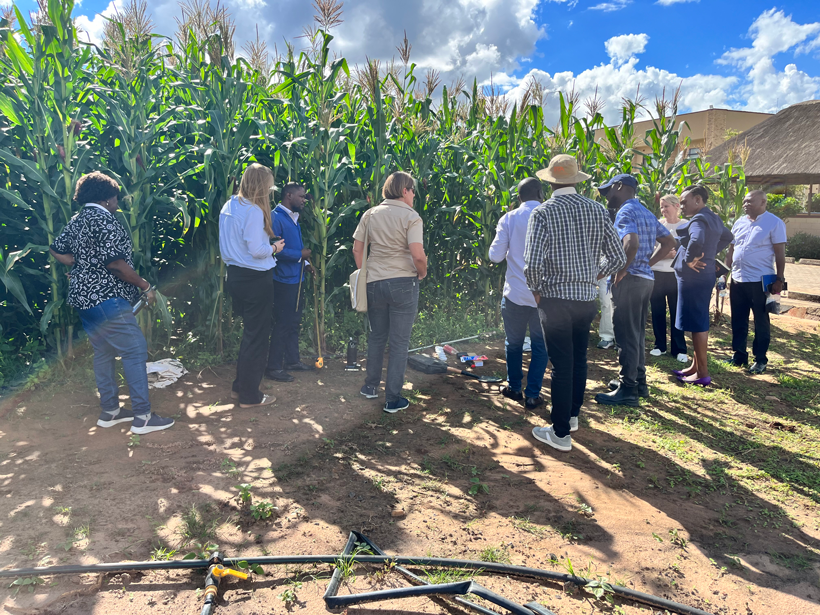
Students, researchers, and partners during a field demonstration at the IITA Southern Africa Hub, showcasing hands-on data collection under the LEG4DEV program.

Speaking during the meeting, SLU’s Prof. Jennie Barron said the engagement highlighted two critical priorities: building capacity among young scientists and strengthening the collection of reliable, ground-level data to support sustainable food systems under increasing climate variability.

“Changing weather patterns, emerging pests and diseases, and environmental pressures continue to affect both small- and large-scale farming and food and nutrition outcomes. While tools such as artificial intelligence, remote sensing, and modelling offer significant potential, their effectiveness depends on the availability of open, accessible, and representative field data.”

Prof. Barron added that strengthening data collection in data-limited environments remains critical, and that demonstrations by SLU and UNZA students, in collaboration with IITA, illustrated how improved tools and sensors are helping researchers generate the evidence needed to inform climate-resilient agricultural production and evidence-based policy.

“Open, accessible, and representative data of production and food systems will be the foundation for evidence-based policy and climate-resilient agricultural production going forward,” she said.

IITA–Southern Africa Hub Director Dr David Chikoye said the engagement marked the beginning of a broader conversation on how individual stakeholder efforts can be better aligned at the practical level to contribute to a shared vision for sustainable, climate-resilient food systems.

He added that the discussions highlighted the value of collaboration across institutions, opening opportunities to strengthen existing partnerships and explore new ones, including with national institutions such as ZamStats, which plays a critical role in strengthening data generation, management, and use.

“We look forward to continuing this dialogue and identifying practical ways in which our institutions can work together to scale impact, strengthen evidence-based decision-making, and ensure that our collective investments translate into tangible benefits for farmers, researchers, and food systems,” Dr Chikoye said.

Meanwhile, a representative from the Embassy of Sweden in Zambia, Paula Engwall, said the visit provided valuable insight into ongoing cooperation between Swedish and Zambian partners and its contribution to more sustainable, climate-smart agriculture.

She noted that IITA’s work aligns well with the Swedish International Development Cooperation Agency’s (SIDA) global and Zambian priorities, particularly its engagement with youth in agribusiness.

“For the Swedish Embassy, it is valuable to gain insight into both the needs and opportunities within this space, and to explore potential synergies that could be further developed, including possible collaboration between IITA and ZamStats. Overall, the exchange was very constructive and reinforced the importance of strong partnerships in delivering shared benefits. We look forward to seeing how IITA’s collaboration with SLU and other relevant actors continues to evolve.”

The engagement meeting also included a field demonstration, during which students showcased how measurements such as soil conditions, crop performance, and environmental observations are collected and linked to digital tools to support analysis and decision-making.

Emmanuel Ngonga, a PhD student in soil science at SLU, said the hands-on fieldwork helped him understand how data collected on the ground feeds into broader research and decision-making processes, giving him practical skills to carry into his work.

Through the LEG4DEV program, the collaboration between IITA and SLU is strengthening young scientists’ skills and laying the foundation for a more resilient and sustainable agricultural future.

Contributed by Rachel Namukolo-Nali

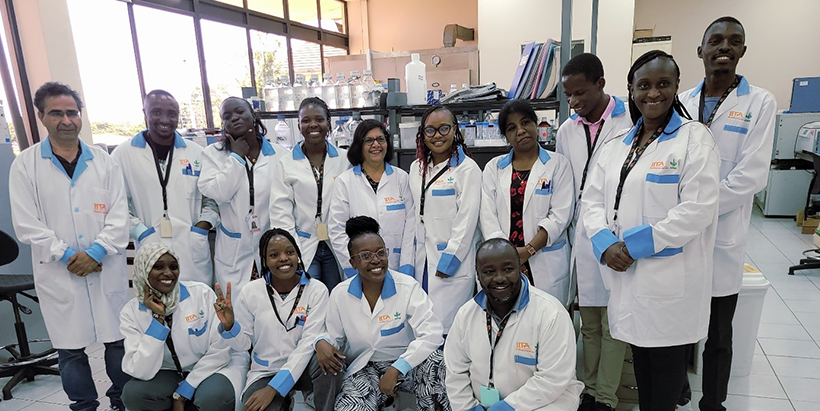
IITA genome editing team members pose for a photo in the lab.

Every year on the International Day of Women and Girls in Science, the global scientific community reflects on a persistent challenge: women remain underrepresented across STEM fields. According to UNESCO, women make up only about 33% of researchers globally, with even lower representation in advanced scientific leadership and frontier technologies such as biotechnology and genome engineering. Building on the 2024 UNESCO Call to Action, “Closing the gender gap in science,” and the 2025 global campaign, “Imagine a world with more women in science,” the 2026 International Day of Women and Girls in Science marks a critical shift. The focus moves beyond recommendations and reflection to showcasing concrete, working solutions that are already shaping more inclusive technology, engineering, and mathematics (STEM) ecosystems.

The IITA Biotechnology Program stands as one such example. With women comprising 60% of the biotechnology team, and through sustained investments in capacity building, mentorship, and career progression, the program demonstrates how intentional institutional practices can translate global commitments into measurable impact. By training, mentoring, and retaining women scientists across the career pipeline, IITA’s Biotechnology Program is actively contributing to the realization of a more equitable and representative scientific community, from pre-PhD exposure to postdoctoral research and leadership development.

Our biotech program views capacity building not only as a technical exercise but as a powerful mechanism for closing gender gaps in science. Through structured on-job training, doctoral research support, hands-on laboratory mentorship, and continuous professional development, women scientists are equipped with cutting-edge skills in genetic transformation, genome editing, molecular biology, and biosafety stewardship.

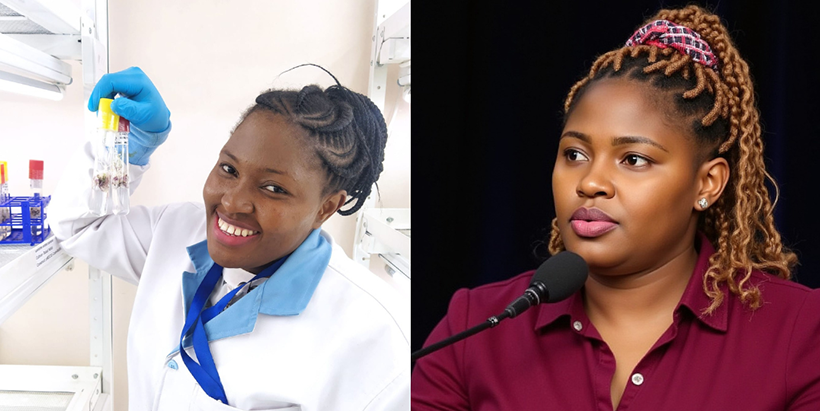
Dr Syombua in the lab during her PhD, presenting at a conference as an Associate Scientist

Beyond technical skills, mentorship plays a central role. Early-career scientists are supported through close supervision, peer learning, exposure to international collaborations, and opportunities to lead experiments, publish research, and represent science on global platforms. This holistic approach ensures that women are not only trained, but retained, visible, and empowered within the scientific ecosystem.

Speaking to Dr Leena Tripathi, IITA Eastern Africa Hub Director and Lead of the Biotechnology Program, on her guiding star on this issue, this was her rhetoric:

“As a scientist and mentor, one of my greatest motivations is to see women progress from trainees to confident, independent researchers. At IITA, we are deliberate about nurturing talent, especially among young women, because representation matters. Building scientific capacity goes beyond the skills; it’s about belief, mentorship, and opening doors that were once closed.”

The journey of Dr Easter Syombua illustrates how this approach translates into real impact. She first served as a research assistant in Dr Tripathi’s group at IITA’s biotech program for 2 years, where she built a strong foundation in laboratory techniques, experimental design, and critical thinking. Encouraged by mentorship and belief in her potential, she transitioned to a PhD under Dr Tripathi’s NRF-funded project, focusing on yam genome editing, one of the pioneering gene-editing efforts in Africa.

Reflecting on her experience, she notes that she learned an enduring lesson: innovation in science must ultimately serve the farmer. That project ignited her long-term commitment to genome editing as a tool for transformative, farmer-centered solutions and shaped her aspiration to work within impact-oriented research organizations. Today, as an Associate Scientist at CIMMYT and a former Norman Borlaug Fellow mentor during her postdoctoral training, she represents the continuity of mentorship, having benefited from strong guidance and now investing in the next generation of scientists.

Stories like hers are not isolated. They reflect a broader system that gives women access, trust, and opportunity, allowing talent to flourish regardless of gender.

As the world calls for more inclusive science systems, the IITA Biotechnology Program stands as a practical example of how institutions can move beyond rhetoric to results. We are actively contributing to narrowing the gender gap in agricultural biotechnology, one of the most critical fields for food security, climate resilience, and sustainable development.

Contributed by Rose Harriet Okech

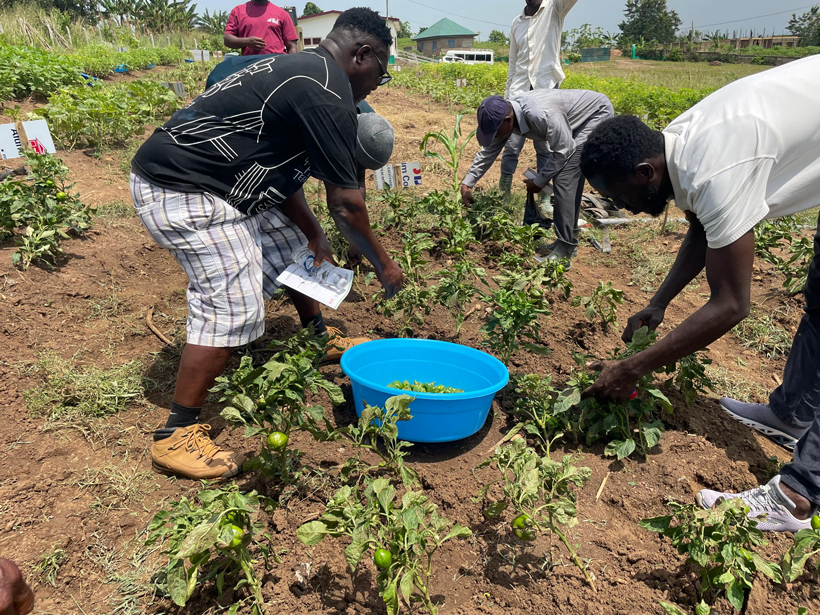
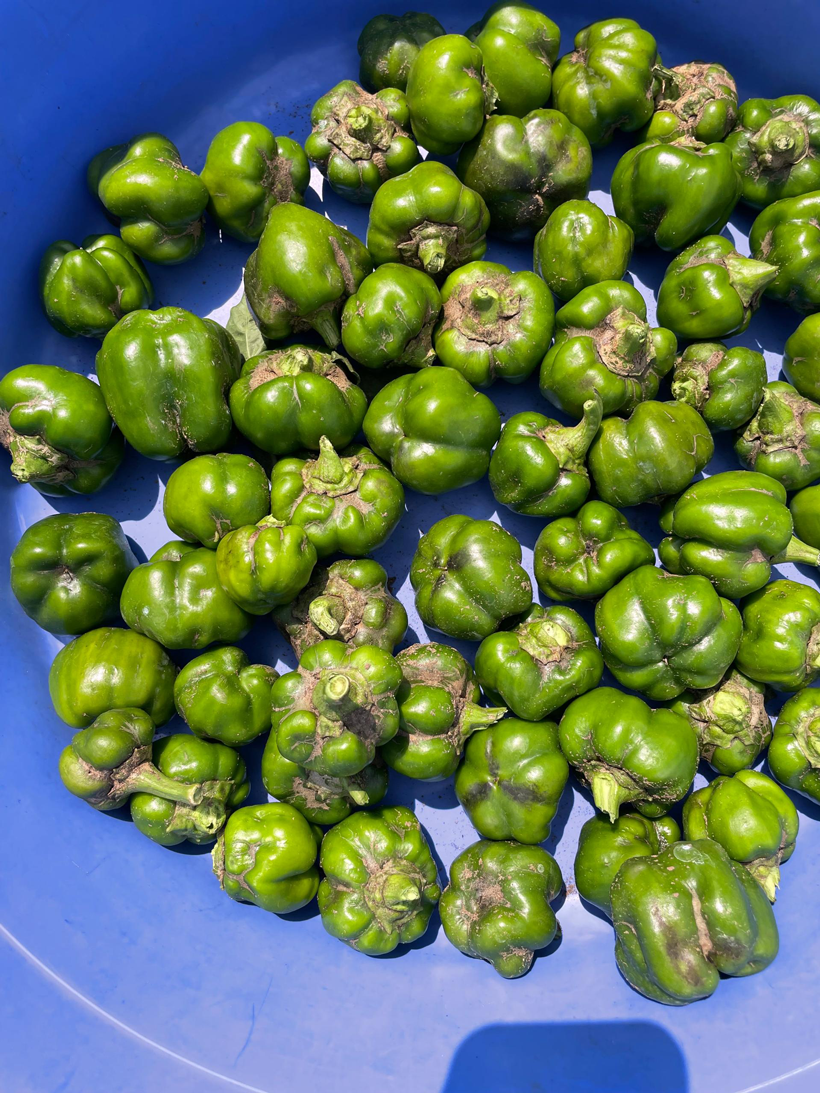
Vegetable farmers harvesting sweet pepper from the demonstration.

The IITA-led BBEST project in Ghana, in collaboration with BNARI, recently hosted farmer groups from Kawukudi (Ayawaso East municipality), Evandy (Ayawaso West Wuogon municipality), and GAEC (Ga East Municipality) at its vegetable demonstration field in Kofisah, Nsawam. This event aimed to promote the adoption and use of the black soldier fly frass (BSFF), a by-product of BSF technology, among smallholder vegetable farmers.

About 20 farmers and extension agents from different parts of Accra were introduced to BSF frass. During this informative session, the facilitators highlighted the advantages of using frass, a nutrient-rich organic fertilizer, produced in an environmentally friendly manner. It contains nitrogen, phosphorus, potassium, and beneficial microorganisms that improve yield and strengthen soil health. These positions BSF frass as an alternative organic fertilizer for growing vegetables.

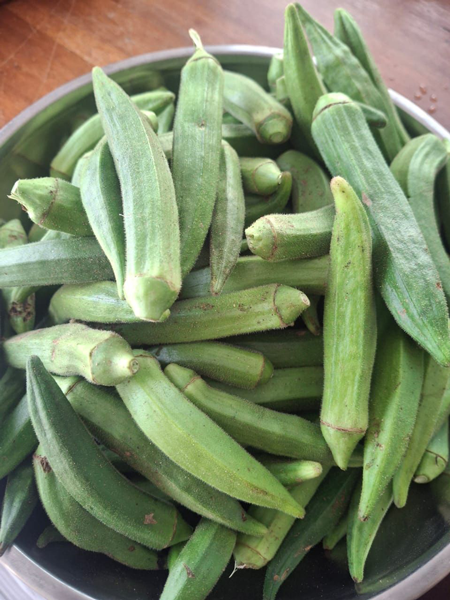
Okra harvested from the demonstration field.

The facilitators provided farmers with insights into applying BSF frass and combining it with inorganic fertilizer to achieve good yields. They highlighted the effects of frass on vegetable growth. Farmers observed the effects of the frass and its combination with other inorganic fertilizers on the vegetables cultivated, namely: Okra, African eggplant, Amaranthus, and sweet pepper.

They shared their perspectives on yields and recognized the importance of integrated soil fertility management for yield increases and long-term crop cultivation.

One of the farmers who used the frass told us, “The application of the BSF frass helped in controlling weeds in his farm. He stated that he obtains more yield using the BSF frass”.

The farmers visited the BSF larvae facility to observe BSF larvae production, another product from the BSF technology, rich in protein and used in poultry, aquaculture, and pig production.

They expressed their appreciation to the IITA and the BNARI team for introducing them to the BSF products and showed interest in purchasing BSF frass. Others expressed a desire to be trained to produce BSF larvae and frass.

The BSF larvae and frass are both certified products in Ghana by the Ghana Standards Authority (GSA) and the Plant Protection and Regulatory Service Directorate (PPRSD) under the Ministry of Food and Agriculture (MoFA).

The BBEST is an IITA-led initiative funded by Norway through the Norwegian Agency for Development Cooperation (Norad) and implemented in Ghana, Mali, Niger, and DRC, with the overall goal to improve the livelihoods of smallholder chicken, fish, pig, and vegetable producers and other value chain actors and contribute to improved urban sanitation and climate change mitigation.

Contributed by Francisca Ocloo

The African Development Bank (AfDB) has approved the commencement of Phase III of the Technologies for African Agricultural Transformation (TAAT) program. The Bank Group’s Board of Directors on 14 January 2026 approved the release of an additional US$16 million to implement the third phase of the program.

This approval, which comes as an added boost to the program, underscores the Bank’s core commitment to addressing the critical challenges hindering African agriculture, notably low productivity stemming from limited access to modern technologies, inadequate infrastructure, and insufficient investment in climate-resilient practices. The Bank further contends that the urgency driving this approval is amplified by the ongoing Russia-Ukraine conflict, which has disrupted global supply chains and driven up the prices of essential inputs, such as seeds and fertilizers.
At the 18 February 2026 signing of the protocol of agreement between the Bank and the International Institute of Tropical Agriculture (IITA)—the executing agency for TAAT,  the Bank lauded the giant strides recorded under the first and second phases of TAAT which have galvanized engagements that influenced a total of US$3.18 billion in agricultural investments—US$857.5 million through the African Emergency Food Production Facility (AEFPF) large-scale operations and US$2.31 billion through non-AEFPF projects.

Speaking at the ceremony, the Bank’s Director for Nigeria, Dr. Abdul Kamara, said:
“TAAT III reflects the Bank’s commitment to ensuring that proven, climate‑resilient technologies reach farmers faster and at scale. This new phase strengthens the systems that deliver innovation, helping countries boost productivity, enhance resilience, and align agricultural transformation efforts with the Bank’s Four Cardinal Points.”
Dr Martin Fregene, the Officer in Charge of the Bank’s Vice Presidency for Agriculture, Human and Social Development, affirmed that TAAT I and TAAT II have laid the foundational groundwork to address the challenges facing African agriculture by vetting technologies, accelerating the adoption and scaling of proven agricultural technologies, promoting climate-resilient agricultural practices, building capacities within the farming’ and seed ecosystem, and developing e-platforms to facilitate access to technologies, primarily for smallholder farmers.

“Through technical assistance and collaboration with Regional Member Countries (RMCs) of the Bank and development partners, TAAT has supported the integration of 238 technology use cases into 46 countries and regional investment projects spanning 31 countries,” Dr Fregene said.

“The Bank is well positioned to harness the power of science, knowledge, and innovation needed to catalyze Africa’s agricultural transformation through this investment. The Bank already has extensive experience in agricultural development assistance in Africa, and this additional funding will help us to consolidate the achievements of TAATs I and II,” Dr Abdul Kamara, the Bank’s Director General for Nigeria, added.

The IITA Director General and CGIAR’s Regional Director for Continental Africa, Dr Simeon Ehui, in his remarks at the signing ceremony, commended the Bank’s commitment to transforming African agriculture through its Feed Africa strategy as well as the trust placed in the CGIAR-driven consortium of agricultural research institutions led by IITA to implement the goal of transforming African agriculture and ensuring food and nutritional security.

Dr Ehui assured the Bank of TAAT’s unwavering commitment to deepening its pathway of providing technical assistance, strengthening seed systems, disseminating climate-smart and high-yielding crop varieties, promoting post-harvest and mechanisation innovations, providing knowledge and ensuring learning and uptake of innovations, and supporting policy and digital solutions to enhance agricultural productivity and resilience across Africa.

“These efforts,” according to Dr Ehui, “have led to productivity increases of up to 69% across targeted crops, reaching over 25 million farmers. Additionally, under the implementation of the AEFPF, TAAT has provided technical assistance to RMCs, including technical specifications for the supply and quality assurance of certified seeds. This assistance has enabled the distribution of 476,747.96 metric tons of improved, climate-resilient seeds to 14.437 million smallholder farmers.”

“This third phase of the program will achieve sustainability through the institutionalization of the TAAT model within CGIAR and fostering regional cooperation among Regional Economic Communities (RECs) and private sector actors, supporting the Dakar 2 vision of achieving food sovereignty, increased productivity, and resilient food systems across Africa and contributing directly to the Sustainable Development Goals 1, 2, 13, & 15 (No Poverty; Zero Hunger; Climate Action; and Life on Land), and the African Union’s Agenda 2063 vision for a prosperous Africa based on inclusive growth and sustainable development,” Dr Ehui added.

The Bank affirms that TAAT III’s objective is to consolidate and scale TAAT I and II achievements, while strengthening their operational and financial sustainability. TAAT III will strengthen the regional technology delivery infrastructure by supporting National Agricultural Research Systems (NARS) and private seed companies to sustainably increase the production and availability of early-generation (EGS) and certified high-yielding, climate-resilient seeds, respectively.

The third phase of the program will equally promote the digitalization of TAAT-vetted technologies and the development of information and communication technology (ICT) platforms and other digital solutions to facilitate the deployment and accessibility of appropriate agricultural technologies, E-extension, and advisory services. To further scale TAAT technology deployment, TAAT III will support the development of the Regional Technology Market, enhancing technology deployment and accessibility across borders.

TAAT, in this third phase, will deploy its extensive partnership ecosystem to drive capacity-building initiatives for agricultural extensionists (Training of Trainers, ToT) and farmers, enhancing smallholder farmers’ awareness, access, and adoption of agricultural technologies and e-advisory services. To catalyze the financial sustainability of the TAAT technology delivery ecosystem, TAAT III will provide technical assistance to RMCs to attract private-sector investment and mainstream TAAT-vetted technologies into national and large-scale agricultural investment projects.

To enhance farmer resilience, TAAT III will build the capacities of meteorological institutions and frontline extension workers to collect, analyze, and disseminate climate data to improve weather forecasts and early warning systems, and expand the integration of weather forecasts into the planning of agricultural activities at the smallholder farmer level.

With the signing of the TAAT Phase III grant agreement, the African Development Bank envisions a continent accelerating agricultural transformation for food systems resilience through strengthened regional technology delivery infrastructure; increased productivity through scaling up climate-resilient and nutrition-sensitive technologies and reinforced, efficient production and distribution systems for improved seeds and fertilizers; enhanced farmers’ capacity and learning, and resilience to climate change; and advanced adoption of innovative digital solutions and enhanced market integration and regional trade competitiveness through strategic private sector participation.


About the African Development Bank Group

The African Development Bank Group (AfDB) is Africa’s premier development finance institution. It comprises three distinct entities: the African Development Bank (AfDB), the African Development Fund (ADF) and the Nigeria Trust Fund (NTF). On the ground in 44 African countries with an external office in Japan, the AfDB contributes to the economic development and the social progress of its 54 regional member states.

About IITA

The International Institute of Tropical Agriculture (IITA) is a non-profit research-for-development organization that works across Africa to improve food security, increase agricultural productivity, create employment and wealth, and enhance the resilience of natural resources. Founded in 1967 and headquartered in Ibadan, Nigeria, IITA is a member of CGIAR, the global research partnership for a food-secure future. Through research, partnerships, and innovations, IITA addresses the challenges of hunger, malnutrition, poverty, and natural resource degradation, contributing to achieving the United Nations Sustainable Development Goals (SDGs).

About TAAT

Established in 2018 as a key flagship program of the Bank’s Feed Africa strategy, TAAT is a continent-wide initiative designed to boost agricultural productivity by rapidly delivering proven technologies to millions of farmers. Implemented by IITA and a host of other CGIAR centers and Technical Institutions, TAAT facilitates food systems transformation in Africa by providing access to path-breaking agricultural innovations, policy harmonization, and robust seed systems. TAAT seeks to double crop, livestock, and fish productivity by expanding access to productivity-increasing technologies to more than 40 million smallholder farmers across Africa and generate an additional 120 million metric tons.


Contacts:

AfDB: Nkiruka-Henrietta Ugoh
n.ugoh@afdb.org

TAAT: Atayi Opaluwah
A.Opaluwah@cgiar.org

IITA: Katherine Lopez
K.Lopez@cgiar.org
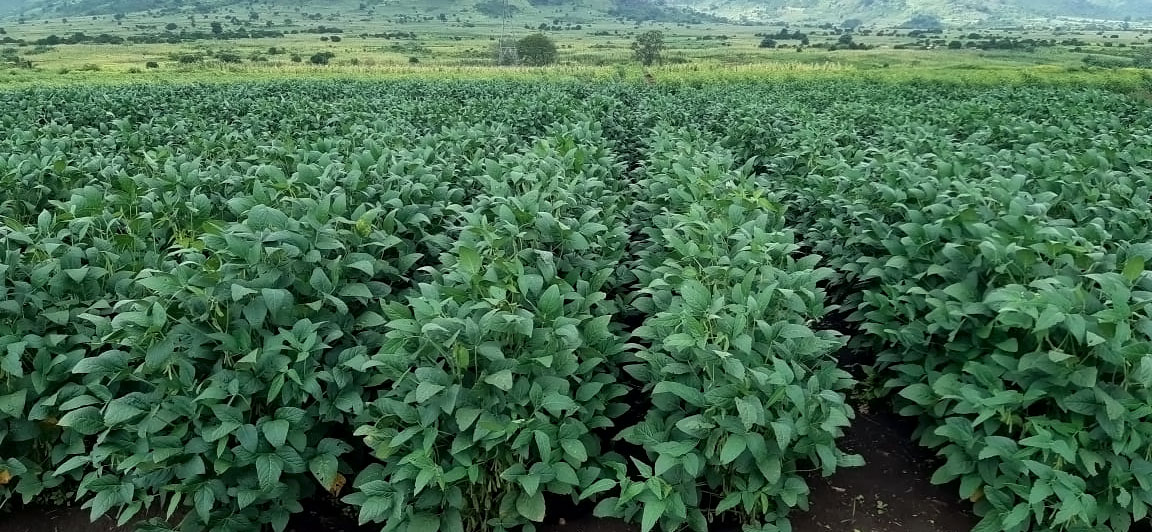
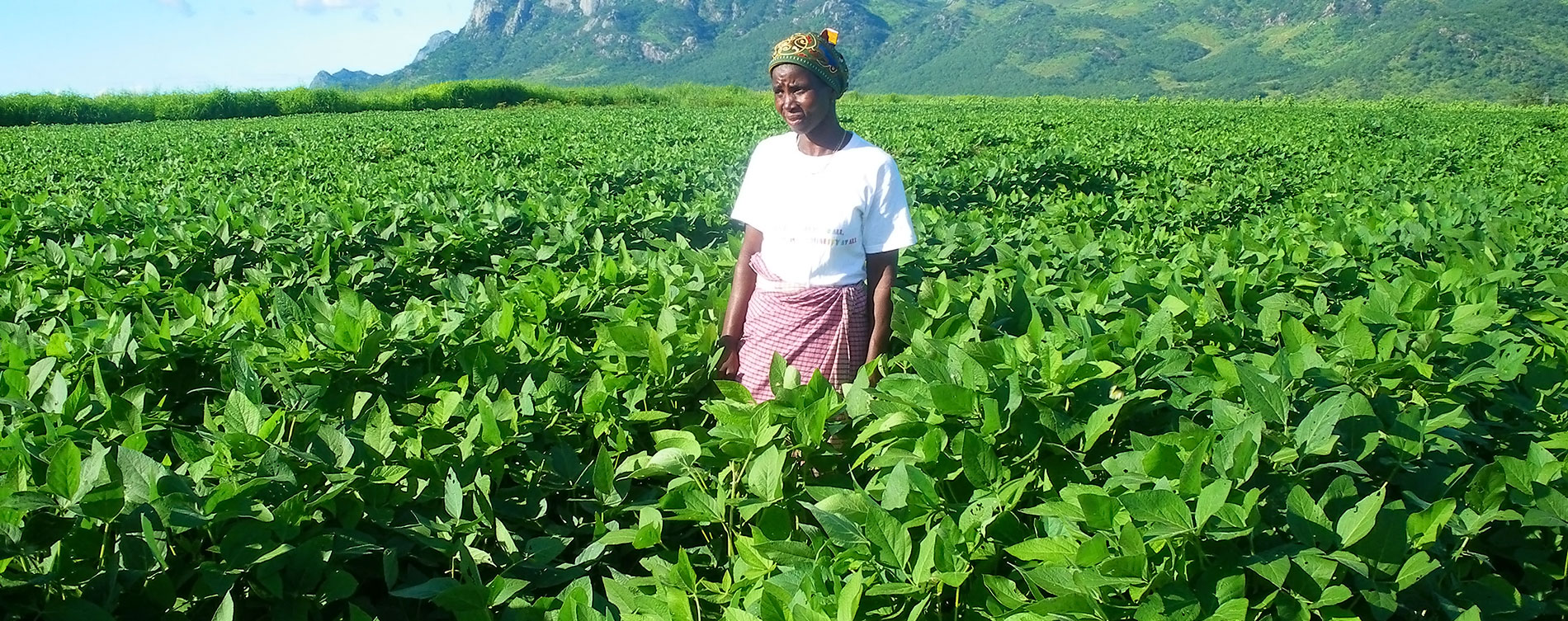
Soybean variety trial field

In a major development following years of research efforts and collaborating with national systems and partners in Mozambique, IITACGIAR, in partnership with the Agricultural Research Institute of Mozambique (IIAM) and the Soybean Innovation Lab, released five climate-resilient soybean varieties in Mozambique in December 2025.

The new varieties, named Bela, Malonda, Ovilela, Ulimi, and 10E, were tested in four provinces in the central and northern regions of the country, namely Niassa, Manica, Tete, and Zambézia, where soybean production predominates for four seasons.

Soybean seed multiplication field in Gurue district, Zambezia province.

According to the IITA Mozambique Country Representative, Dr Steve Boahen, the research initiative stemmed from the need to replace existing old varieties, which are vulnerable to diseases such as soybean rust. The new varieties are more drought- and disease-resistant, have higher protein and oil contents, and yield 3.1–4.3 tons/ha, whereas the old varieties yield up to 2.8 tons/ha. They also have larger seed sizes, which are attractive to some farmers.

“These varieties also have short maturity duration, allowing for better adaptation to climate change since the rainy seasons have become shorter than usual. They provide options for farmers who plant late due to the late onset of rains or for other reasons, since they are early-maturing and can fit within the shortened season. With this innovation, producers can choose early, medium, or late duration soybean to optimize farm productivity,” said Dr Boahen.

As next steps, IITA-CGIAR will work with the country’s government agencies and partners to begin disseminating the varieties by producing basic seed for seed companies and community-based seed producers, who will then multiply and distribute certified seed to soybean producers.

By facilitating access to improved-quality seed adapted to climate change for producers in Mozambique; while simultaneously transferring enhanced knowledge of agricultural production techniques, IITA-CGIAR thus strengthens its role in improving productivity, income generation, and food security.

“We are here to support IIAM and the agriculture sector. We are here to improve productivity for producers and improve food security and income. And if we want that to happen, the first step is to improve the varieties and seeds, and then improve agricultural practices, the best way to produce the crops,” added Dr Boahen.

The soybean breeding team in IITA Zambia, provided 40 soybean lines to the Mozambique team, from which five were selected after the requisite trials for release.

IITA-CGIAR, in partnership with IIAM, has played a crucial role in the research, development, release, and dissemination of seed varieties such as soybean, cowpea, and sesame, which form an important basis for agricultural production in the country.

In 2011, IITA and IIAM released 5 soybean varieties, the first batch of soybean varieties ever released in the country.

Soybeans in Mozambique are an important agricultural product because they provide a good source of income for smallholder farmers. Due to its high nutritional value, it is used for food, animal feed (mainly poultry), and as an industrial raw material.

This milestone marks a major step in translating years of dedicated research into real impact for farmers. These improved, climate-resilient soybean varieties reaching farmers’ fields, will enhance productivity, strengthen resilience, and create new opportunities for income generation.

The research efforts and collaboration between the IITA Mozambique and IITA Zambia, and partners demonstrates the importance of teamwork, commitment, and partnership in delivering innovations that transform agriculture and livelihoods across Mozambique and the region.

Contributed by Safira Chirindza