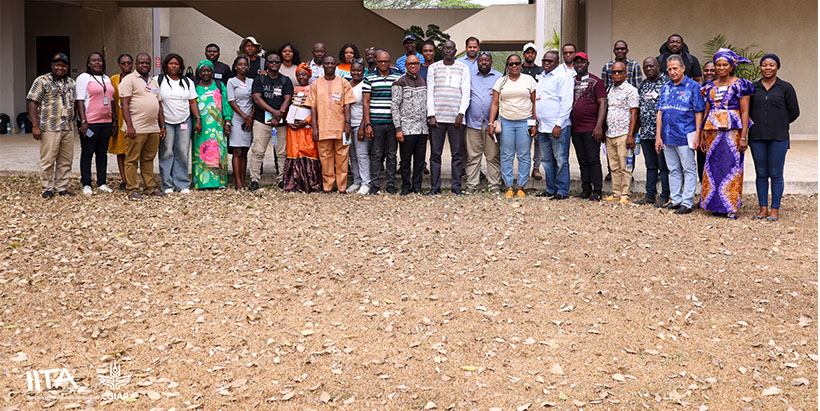
In the heart of southwestern Nigeria, cassava farming remains a cornerstone of agriculture, supporting livelihoods and ensuring food security. A recent study delved into the practices of cassava farmers in Wasimi, a community in Ogun State revealing a fascinating blend of traditional knowledge and scientific parallels in assessing soil quality and predicting crop yield. The study carried out by researchers from IITA–CGIAR and the Federal University of Agriculture Abeokuta (FUNAAB), explored farmer’s assessment of soil quality and root yield in cassava-based cropping systems.
The study found that cassava farming is predominantly a male-dominated enterprise, with men making up 70% of the farming population. Most farmers were middle-aged, between 45 and 55 years, while youth participation remained low, with only 13% of farmers aged 18–35. These statistics underscore concerns about the aging farming population and limited youth engagement in agriculture.
Farming experience varied widely, but most farmers had over two decades of practice, showcasing a wealth of accumulated knowledge. Despite their experience, most farmers operated on medium-sized farms, cultivating 2–5 hectares of land.
Farmers displayed remarkable skill in assessing soil quality using observable criteria. Soil color was a primary determinant, with black soil favored by 63% of farmers for their perceived fertility, followed by brown soils. Red soils, often deemed less productive, were least preferred. Other crucial factors included soil drainage and texture, with sandy, well-drained soils being the most sought-after.
Vegetation also played a pivotal role in site selection. Almost half of the farmers (48%) considered vegetation cover, favoring areas with lush growth, including Chromolaena odorata, locally known as “Ewe Akintola.” This approach aligns with scientific findings that highlight the benefits of vegetation in improving soil fertility and reducing erosion.
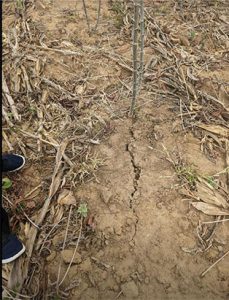
While the farmers in this community used ingenious methods to estimate cassava yield before harvest, indicators like soil cracks, healthy green leaves, and shiny stems were common. Interestingly, these traditional methods showed a positive correlation with scientific yield assessments.
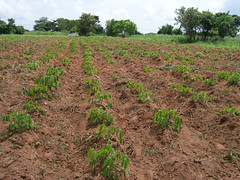
However, farmers often overestimated yields, a discrepancy attributed to factors like changing rainfall patterns, declining soil fertility, and pest pressures.
Findings from this study highlight the need for tools that can integrate farmers’ knowledge with precise scientific metrics.
One of the study’s most striking findings was a reported 36% decline in cassava yields over the last decade. Farmers attributed this drop to reduced rainfall and deteriorating soil quality, emphasizing the urgent need for sustainable agricultural practices.
Despite these challenges, the study also revealed a valuable opportunity – farmers’ traditional knowledge aligns significantly with scientific soil quality indicators. This opens the door for collaboration, where integrating local expertise with modern science could enhance soil management strategies and boost cassava productivity.
This study underscores the critical role of farmers’ knowledge in agriculture, particularly in cassava cultivation. By recognizing and incorporating traditional methods, agricultural extension services and policies can become more effective and culturally relevant.
Bridging the gap between traditional and scientific approaches promises not only to improve cassava yields but also to ensure sustainable farming practices that benefit farmers and ecosystems alike, thereby helping to strengthen food systems on the continent.
Studies like this illuminate the potential of farmer-scientist collaborations in tackling agricultural challenges, reaffirming the value of both knowledge systems in addressing food security and advancing sustainable agriculture.
Contributed by ‘Timilehin Osunde