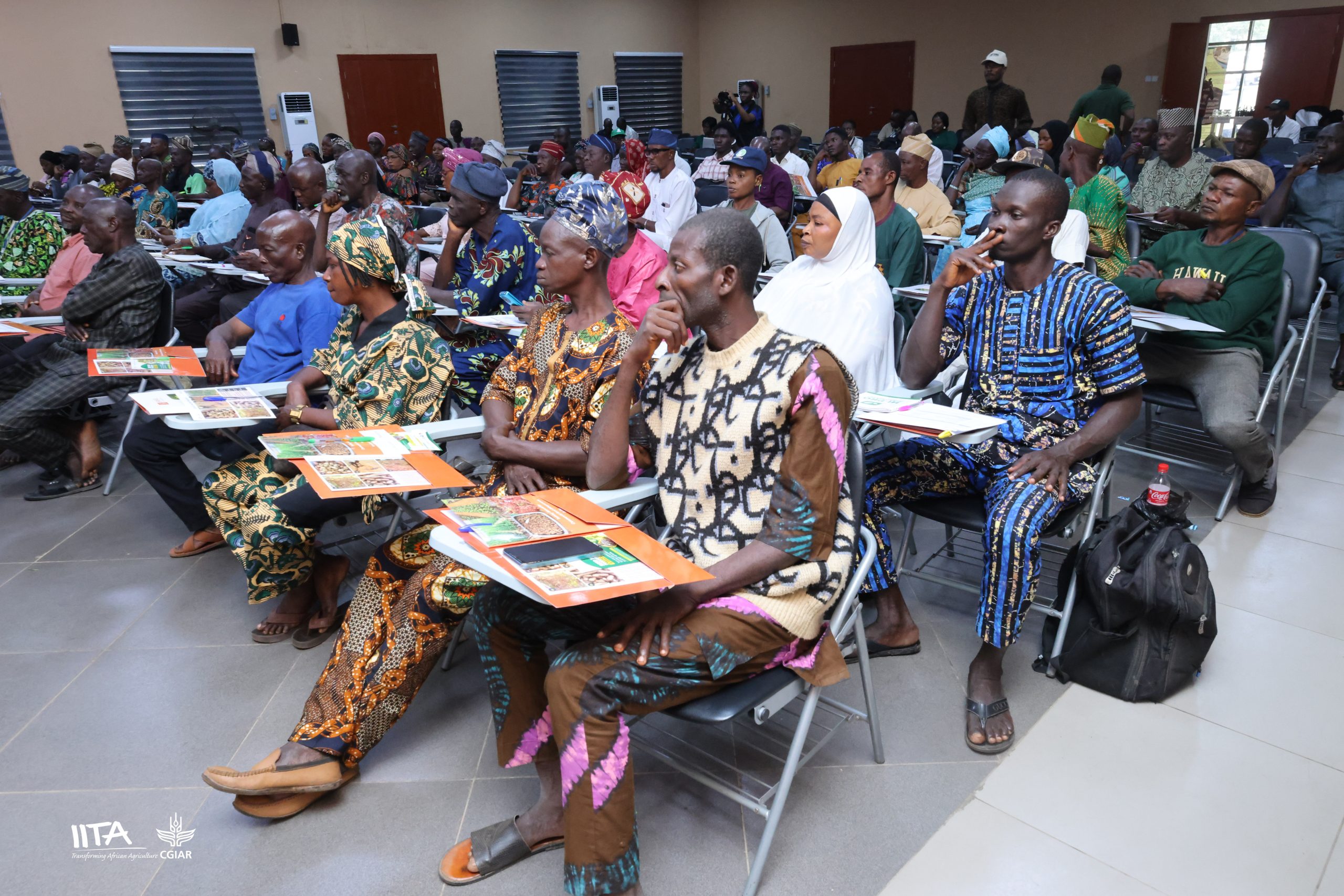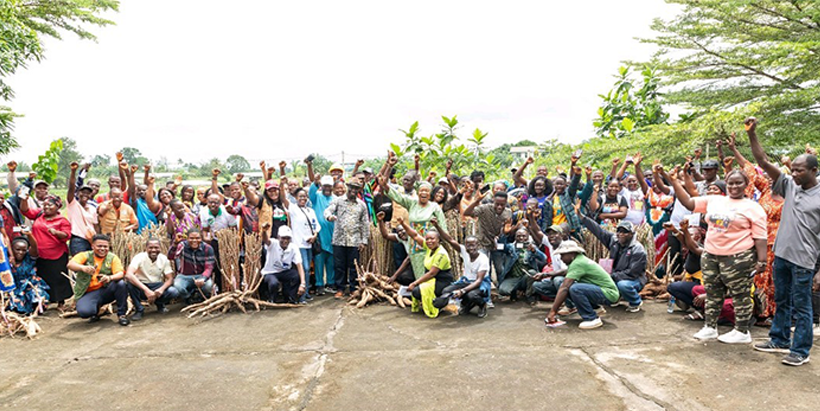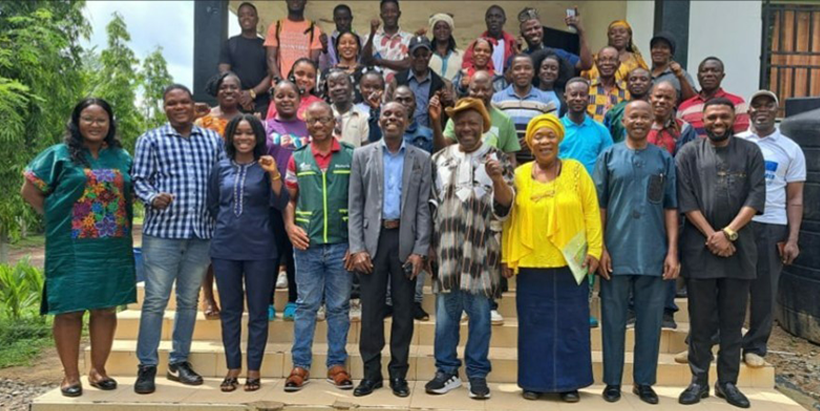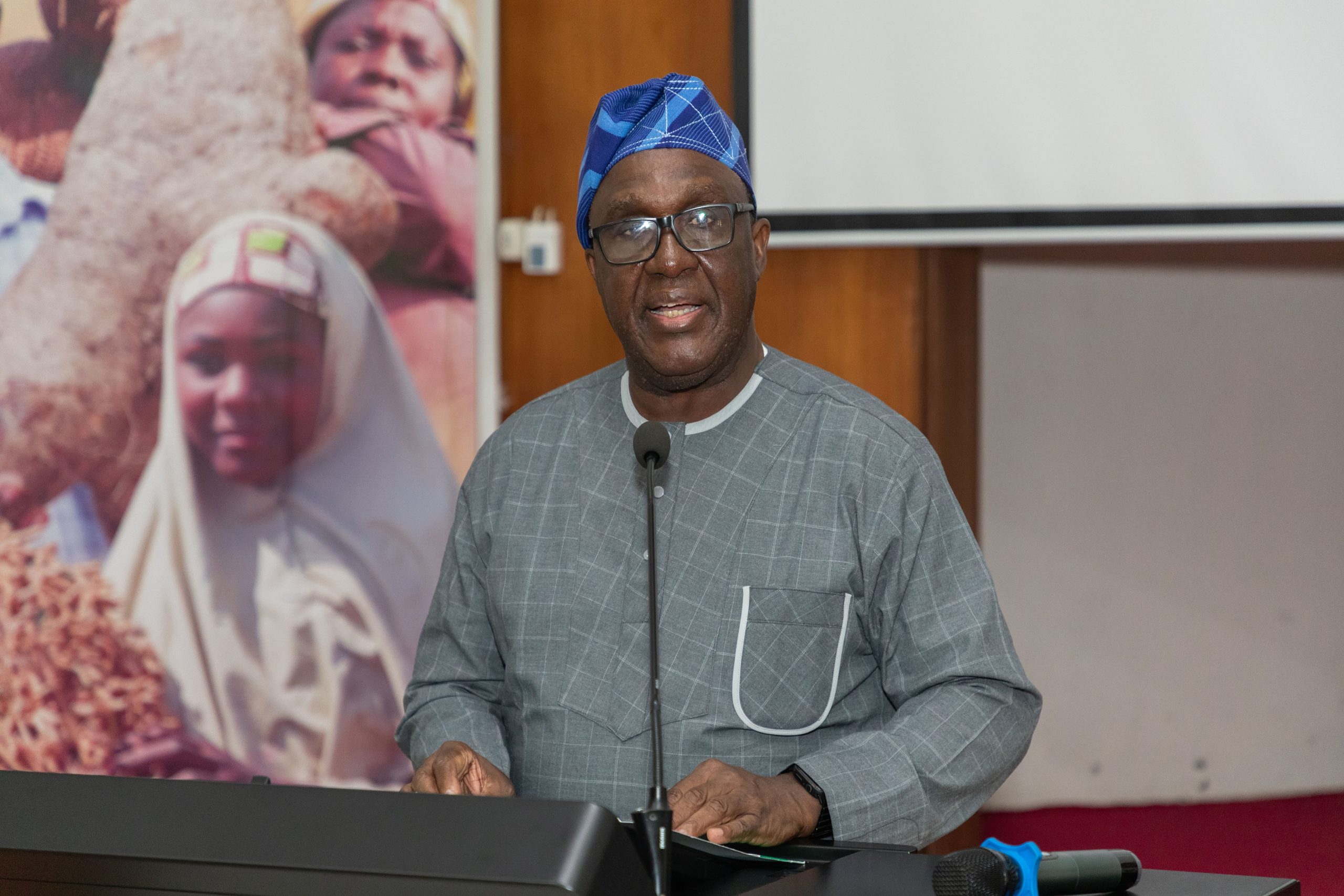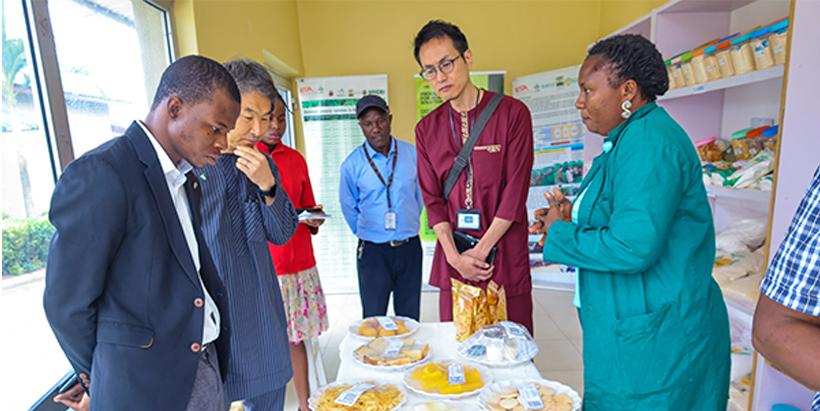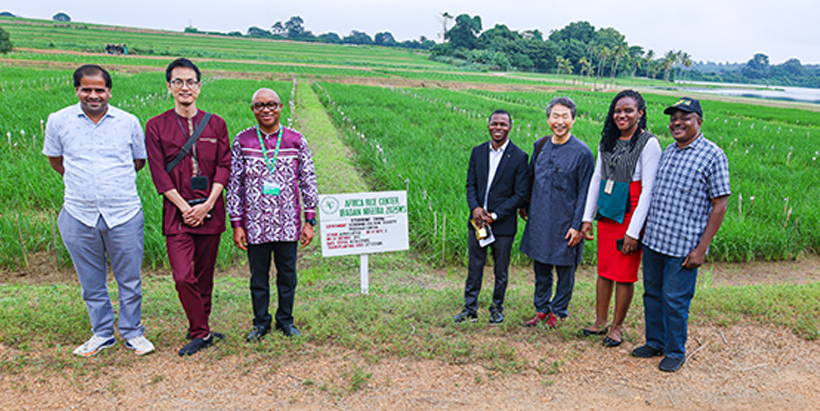
Demonstration on Value for Cultivation and Use (VCU) test, Abuja, Nigeria.

Rwanda’s agricultural transformation has prioritized improving seed systems to enhance food security and farmer livelihoods. The reliance on seed importation is gradually decreasing, with more efforts focusing on local seed production. The Rwanda hybrid maize seed industry is still young, facing challenges, like limited skills, land scarcity, climate change, outbreaks of pests and diseases, and low farmers’ awareness about the benefits of hybrid maize seed varieties, as many continue to grow open-pollinated, comparatively less productive varieties. These issues adversely affect seed quality, yield, and competitiveness in the market.

To help address these bottlenecks, IITACGIAR conducted a training on hybrid maize seed production for eight field technicians and two senior officers from the Rwanda Agriculture and Animal Resources Development Board (RAB), through a learning visit to IITA breeding and research facilities for knowledge sharing and better collaborative research endeavors.

The training took place in Nigeria at IITA headquarters in Ibadan, Oyo State and Ikenne station, Ogun State, where participants were exposed to the latest technologies in developing and maintaining parent lines of hybrid maize seed. The participants were shown the importance of maintaining the genetic purity of parent lines, which forms the basis for hybrid maize seed quality. They also learnt key practices such as proper isolation distance, strict roguing, timely detasseling, proper harvesting, seed processing, and storage that contribute to the overall seed quality.
 The visit to Premier Seed in Kaduna state, Nigeria.
The visit to Premier Seed in Kaduna state, Nigeria.

They toured the IITA seed storage facility, which is designed with short-, medium-, and long-term storage capacity at low temperatures and a strict and adequate storage and pest management system. Standard operating procedures (SOPs) were emphasized for any operation to be carried out during seed production to reduce contamination and enhance compliance with regulatory standards.

The field visit to the Ikenne research station allowed the participants to understand how national trials are conducted by exposing the entries to different biotic (e.g., fall army worm infestation) and abiotic (e.g., drought tolerance) stresses. The most performing candidates are then selected for regional trials. “Enhancing the capacity of active players, especially research and certification agency staff, is a panacea for ensuring the success of an active seed value chain. Thus, the training will go a long way in improving quality seed delivery in Rwanda,” Dr Sam Ajala, IITA Plant Breeder, said.
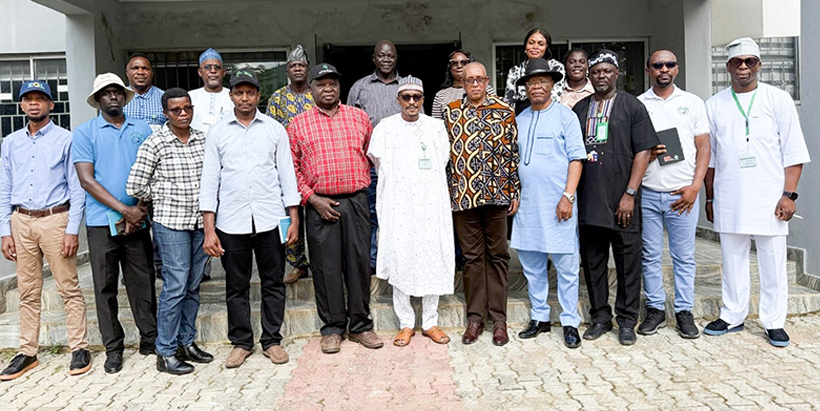
The Rwanda delegation with NASC DG Honorable Fatuhu Muhammed (m).

The RAB team also visited the National Agricultural Seed Council (NASC) in Abuja and two leading seed companies in Nigeria, namely, Premier Seed and Value Seeds in Zaria, where they shared experience in seed production, certification, and quality control. While at NASC, they interacted with Honorable Fatuhu Muhammed, NASC’s Director General, who stressed the need for knowledge sharing among Africans to address challenges facing the continent, including food security. The participants also had the opportunity to exchange with different heads of departments on seed certification and quality assurance, and the national agricultural seed policy as a tool for the regulatory framework for NASC operations. They were introduced to the seed codex, an electronic seed authentication tool developed by NASC to restore confidence in the seed system through tracking, traceability, and provision of quality seeds to the farmers.

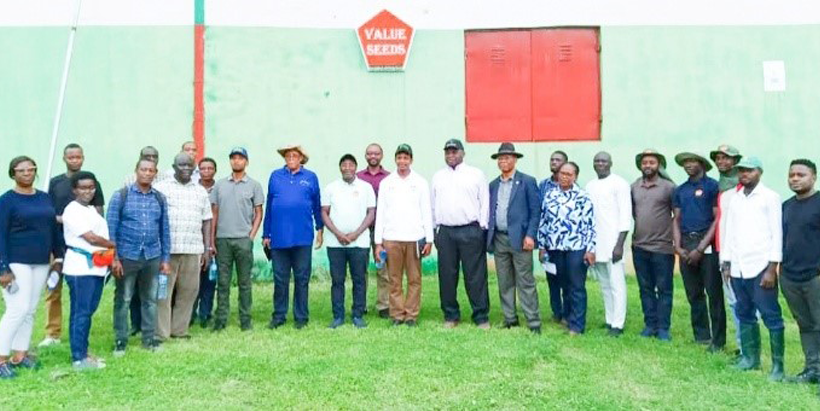
The visit to the seed companies in Zaria, Kaduna State, gave insights into the benefits of collaboration among key players in the seed sector. These seed companies work closely with the national research agency, international research organizations, including IITA, and the regulatory body to develop and deliver quality seed. Owing to this partnership, both Premier Seed and Value Seed have successfully released their own varieties that are currently being grown by farmers in different parts of Nigeria.
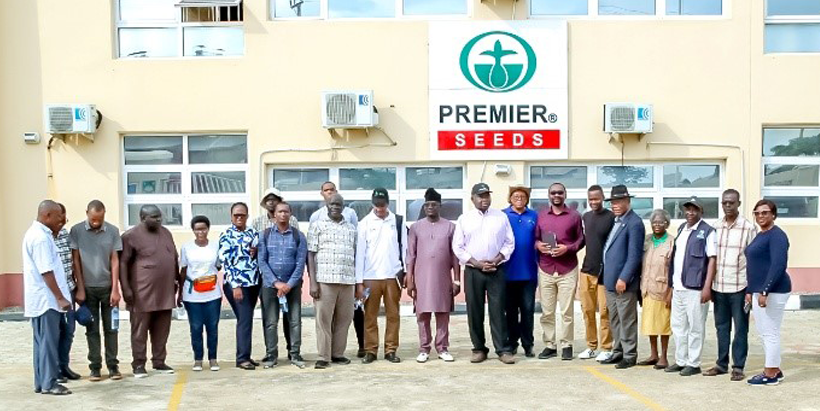
The visit to Value Seeds in Kaduna state, Nigeria.

“The training in Ibadan, Nigeria, was a significant moment of knowing and seeing in practice advances that will help improve the maize hybrid seed value chain in Rwanda. The advanced molecular laboratory at IITA can be used to build skills in our maize molecular breeding. Also, the molecular tool can be used to check the seed purity and maintain maize hybrid varieties, as seen at the National Agricultural Seed Council (NASC). The strong partnership between private seed companies and public research organizations, as Premier Seed Limited explained, can be key in improving the seed value chain in Rwanda. The seed tracker and codex can solve several problems in Rwanda’s seed sector. More importantly, the IITA-specific germplasm, such as fall armyworm-tolerant and provitamin A maize germplasm, can be introgressed locally for well-adapted maize varieties,” Dr Claver Ngaboyisonga, Cereal Program Coordinator at RAB, said.

The training was organized as part of the ongoing efforts to strengthen the technical capacity of RAB in hybrid maize seed production, quality control, and certification. This training was preceded by another training held earlier this year for six local seed companies on commercial seed production, emphasizing the quality of hybrid maize seed. The government of Rwanda invites entrepreneurs to invest in seed production and distribution to enable farmers to adopt new agricultural innovations and good practices that can contribute to increasing the productivity and incomes among smallholder farmers.

Contributed by Ritha Bumwe

The IITA team led by Deputy Director General Corporate Services, Hilde Koper-Limbourg with the Comptroller of Immigration Service, Oyo State Command, Ikechi Ugbogu Nwosu.

As Nigeria grapples with mounting challenges of food and nutrition insecurity, unemployment, and land depletion caused by rising costs of living, internal displacement and climate-related issues, strategic partnerships have become crucial for sustainable solutions.

During a recent courtesy visit to IITACGIAR’s headquarters in Ibadan, the new Comptroller of Immigration Service, Oyo State Command, Ikechi Ugbogu Nwosu, has expressed interests to deepen collaboration with the institute to further strengthen existing engagements.

The visit was aimed at also exploring new areas of collaboration. Comptroller Nwosu revealed that the Nigerian Government has authorized the Immigration Service to explore agriculture – an initiative for which he seeks a strategic partnership with IITA.

The IITA-CGIAR delegation, led by Hilde Koper-Limbourg, Deputy Director General Corporate Services, welcomed the Immigration Service team. Other key participants included Professor Michael Abberton, IITA’s Director for West Africa Hub, and Toyin Oke, Head of Resource Mobilization, Protocol, and External Liaison Office.

Toyin Oke expressed special appreciation for the Nigeria Immigration Service’s continued support of IITA-CGIAR over the years and emphasized the institute’s unwavering commitment to fostering the partnership. Prof. Abberton, highlighted the institute’s research activities across West Africa, emphasizing its expertise in plant health, adaptive variety development, seed systems, and climate-smart agricultural technologies.

The Immigration team during a tour of the IITA Cassava Processing Unit.

In his address, the Comptroller commended IITA-CGIAR’s substantial contribution to agricultural productivity, noting that seedling improvements have sustained many farmers’ livelihoods. “According to one of the privileges the federal government granted our agency to venture into agriculture, we hope to work collaboratively to reverse the advancing effects of global warming and climate change,” he stated. “We no longer want to be merely consumers but active participants in attaining food security, and it would be tremendously beneficial to partner with this foremost agricultural institute.”

The Comptroller also announced that the Immigration Service has enhanced its operations, and IITA can now benefit from a wider range of visa options under the recently enacted visa policy.

Dr Mercy Diebiru-Ojo, IITA Assistant Specialist for Cassava Seed Systems, demonstrated the Semi-Autotrophic Hydroponics technology, explaining how IITA is working to accelerate the production of clean, disease-free planting materials. This innovation ensures that improved cassava varieties and yams reach farmers faster and more efficiently, allowing farmers to use manageable plantlets instead of the previously used cumbersome seeds.

The delegation toured key IITA facilities, including the Genetic Resources Center, Cassava Processing Unit, and Semi-Autotrophic Hydroponics systems. They also visited the International Livestock Research Institute (ILRI) facility on campus, where the receiving team, led by Dr Adetayo Adekeye, expressed readiness to partner on high-quality cassava peel (HQCP) production and promote fodder potential from staple food crops, among other innovations.

Both organizations expressed optimism about deepening this collaboration and advancing their shared goals in agriculture and sustainable development.

Contributed by Anu Oyeleye

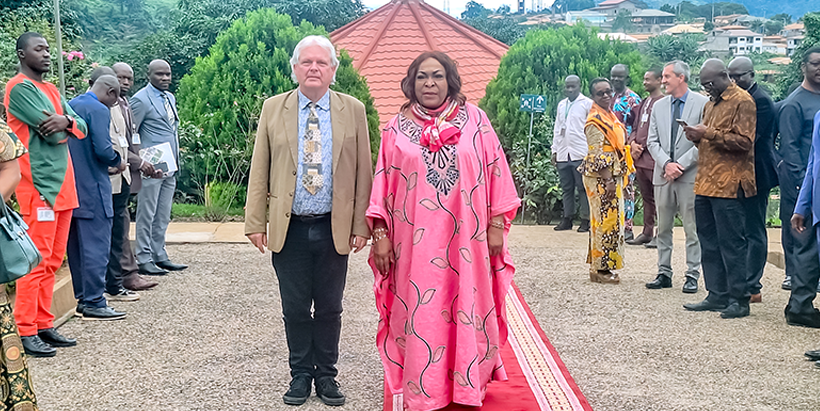
Cameroon Minister for Scientific Research and Innovation, Dr Madeleine Tchuinte with IITA Deputy Director General, Research for Development, Dr Bernard Vanlauwe.

The Cameroon Minister for Scientific Research and Innovation (MINRESI), Dr Madeleine Tchuinte, during a high-level visit to IITACGIAR’s office in Cameroon, has emphasized the government’s commitment to leveraging IITA-CGIAR’s agricultural research and innovation expertise to strengthen development partnerships, particularly in food security and agriculture.

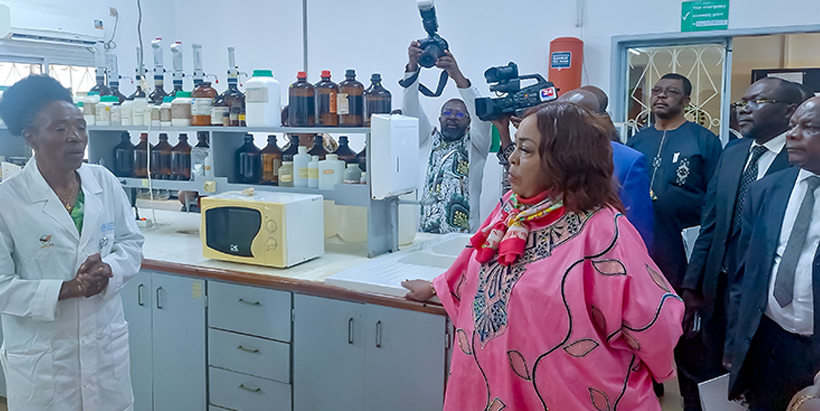
During the visit, the Minister toured the IITA-CGIAR’s state-of-the-art research facilities in Cameroon, including the tissue culture and soil analysis laboratories, offering tangible insights into the institute’s advanced research capabilities. She underscored the importance of enhancing the capacity of national agricultural research systems, seed producers, small and medium enterprises, and farmer cooperatives. The aim is to strengthen the country’s seed systems so that farmers can increase productivity and achieve food security from the ground up – starting with the household level.

IITA-CGIAR has been active in Cameroon for over a decade, achieving significant milestones in agricultural productivity, nutrition security, and sustainability.

Key initiatives include the Agricultural Investment and Markets Development Project (PIDMA) for seed systems, the Pro-vitamin A Plantain project, and the Insect Protein project. The COCOASOILS initiative supports sustainable cocoa production, while the Soil for Africa project focuses on soil health.

The Manioc21 project has mechanized cassava processing, increasing incomes by 13%. IITA-CGIAR also promotes youth employment through the ENABLE Youth Cameroon project, training 1,770 young agripreneurs and facilitating the creation of 702 agribusinesses.

Dr Madeleine Tchuinte during a tour of the labs.

During her visit on 4 July 2025, Dr Tchuinte commended IITA’s partnership with the Government of Cameroon in accelerating agricultural research that fosters innovation and agricultural research advancement. She noted that these efforts contribute significantly to the country’s vision of transforming agriculture through science and research.

IITA Deputy Director General, Research for Development, Dr Bernard Vanlauwe, and IITA Cameroon Country Representative, Dr Komi Fiaboé, received the Minister’s delegation along with key partners, including the International Potato Center (CIP), Alliance of Bioversity and CIAT, the University of California, Los Angeles (UCLA), and the Sustainable Trade Initiative (IDH), a strong demonstration of collaboration in tackling agricultural and environmental challenges.

“My first visit to IITA has revealed its remarkable innovations and relevance to agricultural research and food security. I am deeply impressed by the work and reaffirm my keen interest in fostering closer, more proactive, and better-structured collaboration. MINRESI and IITA-CGIAR can revitalize and expand our partnership to drive agricultural research and innovation for Cameroon’s future,” added Dr Tchuinte.

Dr Vanlauwe emphasized IITA’s pivotal role as the continental coordinator for Africa within CGIAR, highlighting the need to strengthen ties with national institutions like the Institute of Agricultural Research for Development (IRAD). Partners showcased diverse contributions to sustainable development, including Bioversity seed transfers and forest restoration efforts. CIP reported successes in potato and sweet potato initiatives, garnering ministerial interest for expansion. UCLA discussed its partnership with IITA to establish the Congo Basin Institute, balancing biodiversity conservation with food sustainability. IDH highlighted Cameroonian cocoa promotion in Europe and received directives to explore seasonal crops like flowers and grapes.

“IITA and the Cameroon government have embraced a long-standing partnership, especially in research for key staple crops such as cassavamaize, and soybean, and the resulting gains in productivity,” Dr Vanlauwe reflected.

Dr Tchuinte acknowledged IITA’s extensive work and commitment to fostering partnerships collaboration. She invited IITA to participate in the upcoming 9th “Journées d’Excellence de la Recherche Scientifique et de l’Innovation du Cameroun” (JERSIC), which promotes scientific research and innovation in Cameroon. Her questions about the IITA-Government partnership led to engaging discussions, clarifying a path for revitalizing this important collaboration.

Contributed by Nanga Smauel, Nyako Melanie Chichi, and Ritha Bumwe

Opeyemi Aminat of PEMNIA WELLNESS showcasing some of her products.

When PEMNIA WELLNESS products reach households in Nigeria today, from orange-fleshed sweet potato (OFSP) flour in school meals to vitamin A-rich crisps in community shops, they carry the vision of one young woman who turned her curiosity into impact.

Opeyemi Adebisi’s journey began in 2022 with a training on OFSP production and value addition organised by the ENABLE-TAAT program at IITA, Ibadan. “That training ignited my passion. I saw how this crop could fight malnutrition and improve livelihoods,” she said.

Following the training, she was mentored by the ENABLE-TAAT Business Development Expert, Idowu Osun, who assisted with sourcing her first OFSP tubers, guidance on product development, opportunities to exhibit her products at events and programs, and introduced her to the TAAT OFSP Compact. What began as small-scale trials soon evolved into a registered enterprise, PEMNIA WELLNESS, now producing flour, crisps, garri, and meals for school children, mothers, diabetic patients, NGOs, and health-conscious consumers.

Vita Flour, an innovative PEMNIA WELLNESS product used in school meals and by other consumers.

“TAAT didn’t just introduce me to OFSP; it gave me the tools, network, and confidence to build something that makes a difference,” she said. Over time, demand has grown steadily, with interest from both local and international markets.

Beyond TAAT, Aminat has continued to sharpen her technical knowledge and entrepreneurial capacity by participating in other industry training and programs such as the IITA Youth in Agribusiness food processing and packaging training, the Tony Elumelu Foundation Entrepreneurship Program, and the Farmers for the Future Program by BATN Foundation. These platforms have strengthened her capacity to innovate, expand, and scale her business sustainably.

Vita Crisps, a healthy snack from PEMNIA WELLNESS, available in three different pack sizes.

Her work goes beyond processing. By connecting smallholder farmers to markets, educating communities on the nutritional value of OFSP, and empowering women and youth in the value chain, she has built a business that not only addresses malnutrition but also creates employment opportunities. Today, PEMNIA WELLNESS has achieved key milestones, including NAFDAC, SON, and FDA approvals, affirming the quality and safety of its products.

Looking ahead, she envisions scaling production capacity, expanding into African markets, and utilizing technology for traceability and nutrition education, all while increasing the participation of women and young farmers in the OFSP supply chain.

Her story is proof that with the right support, a single training can ignite an idea that transforms communities. As PEMNIA WELLNESS grows, so does the promise of a healthier, nourished, and more empowered generation.

Contributed by Jesutofunmi Robinson

Christelle and Veronique proudly showcasing their freshly harvested cucumbers

Véronique Tevodrje and Christelle Dekadjevi are two young Beninese women bound by a strong friendship and a shared passion for modern agriculture. These two young women were part of the fifth cohort of the ENABLE-TAAT incubation program being implemented by the IITA Youth in Agribusiness program, where they received comprehensive training in sustainable agricultural techniques, agribusiness management, and innovation across the vegetable value chain. Thanks to this structured support, they successfully turned their ambition into a concrete, viable, and promising enterprise.

Upon completing their training, they established their own vegetable production unit within the University of Abomey-Calavi. On a well-organized plot, they grow various fresh vegetables, including lettuce, tomatoes, eggplant, basil, and chili peppers, using modern and environment friendly methods.

Group photo with Christelle and Veronique, celebrating their success in agribusiness

Although still at the early stage of their entrepreneurial journey, Véronique and Christelle already show a strong spirit of sharing. They are fully open to supporting interested students who wish to follow in their footsteps and take control of their future through sustainable and modern agriculture.

Their story proves that, with proper guidance, determination, and passion, agriculture can become a powerful driver of economic empowerment, professional integration, and lasting social impact.

Contributed by Rodrigue Obognon


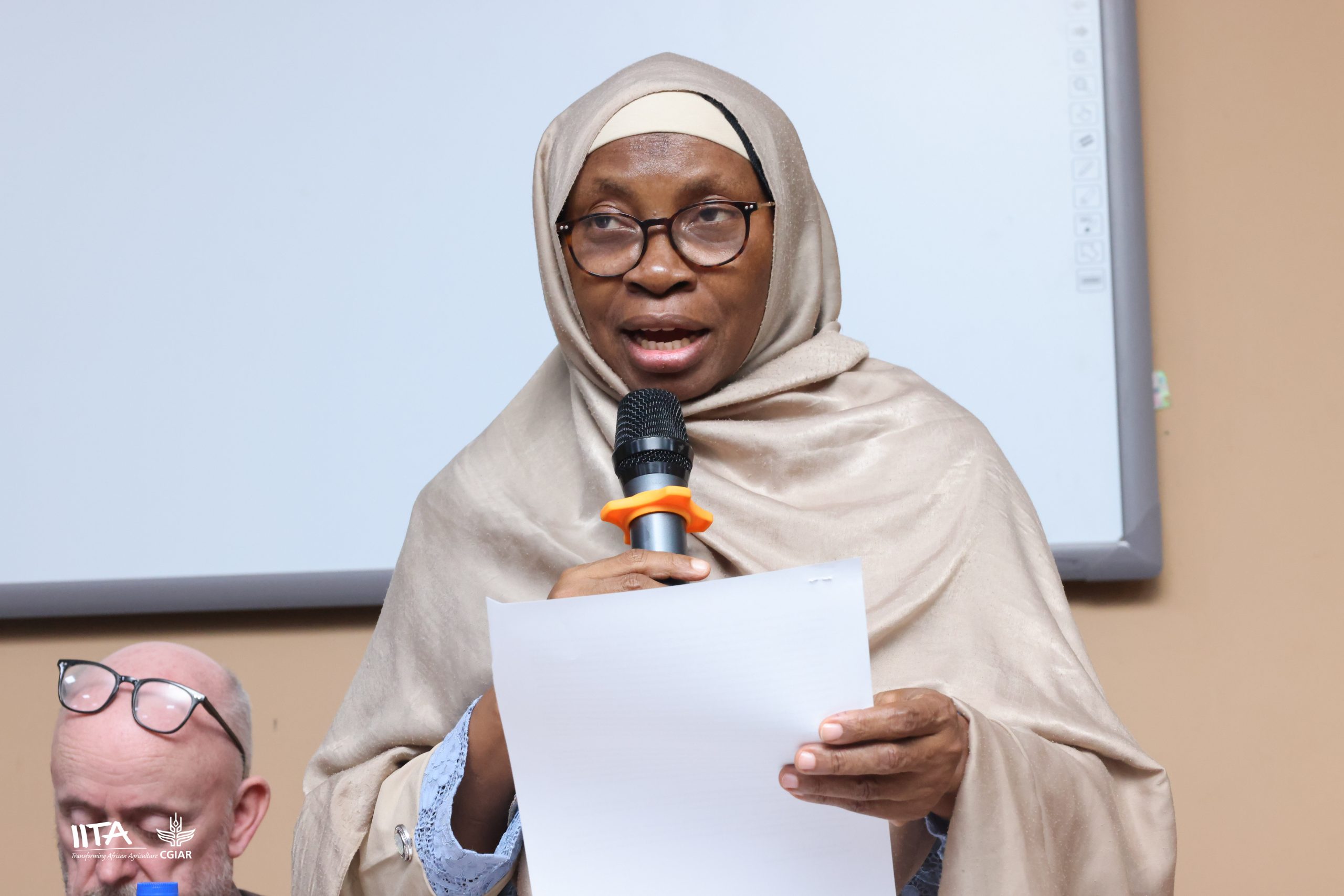
Professor Morufat Balogun giving the participants an overview of the workshop.

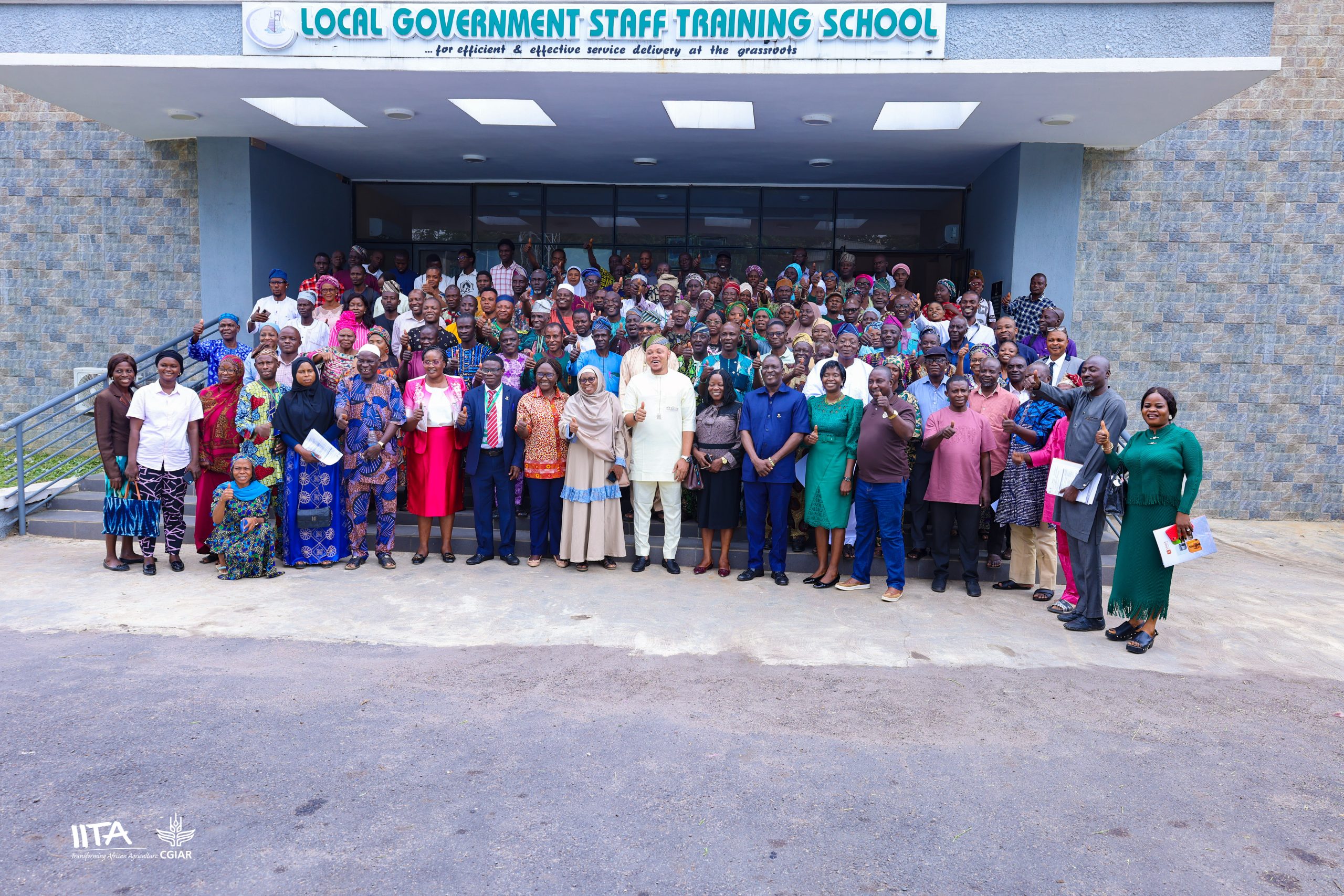
IITACGIAR, in conjunction with partners and the Oyo State Agribusiness Development Agency (OYSADA), held a capacity-building workshop for Commercial Seed Yam entrepreneurs under the Program for Seed System Innovation for Vegetatively Propagated Crops in Africa (PROSSIVA) project, on 1 September at the Local Government training hall, Oyo State Secretariat.

The PROSSIVA project started with six states in Nigeria and two regions in Ghana, as an agricultural initiative aimed at improving seed systems for crops like yams, cassava, bananas, plantains, and sweet potatoes.

In a welcome address, the representative of the Honorable Commissioner, Ministry of Agriculture and Rural Development, Funmilola Ilori, expressed gratitude to IITA and other partners involved in the workshop. “This administration remains passionate about a vibrant and sustainable agricultural ecosystem that will yield benefits not just for farmers, but for the community and the state as a whole,” she added.

A quick photo session during the workshop.

“Giving an overview of the PROSSIVA – Yam component, the component Lead, Professor Morufat Balogun, expressed that seed yams are indispensable, given that Nigeria is the largest crop producer. However, the crop’s full potential is yet untapped by virtue of the vegetative method of propagation, hence PROSSIVA’s intervention,” she explained. She highlighted that the purpose of the training is to capacitate potential and existing seed yam entrepreneurs in terms of business start-ups, record keeping, and improving their ROIs.

She also conducted a poll during the workshop to determine if yams as a crop should be prioritized for the country due to the need for national engagement, and the result was affirmative. “Prossiva will facilitate the strengthening of collaboration with government infrastructures and initiatives towards effectively scaling the innovation,” she assured.

Participants during the workshop.

Furthermore, she stated that although many farmers are willing to produce seed yams, either to generate income or ensure food security, they are limited by resources. She then implored the government to consider offering financial support to these farmers.

Attendance at the workshop and the technical training on seed yam production revealed that Oyo State has the highest number of seed entrepreneurs.

The participants were provided with a training manual to assist them in tracking their progress as they implemented the training they had received.

Success stories were received from some participants who had engaged in the seed yam production to encourage other participants.

Seeing the output of the workshops from the other states the project operates in, three other states, including Akwa Ibom, Imo, and Ogun, are recorded as having shown interest in the program.

The workshop featured presentations on good agronomic practices in seed yam production by Agronomist and Seed System Specialist, IITA-Abuja, Beatrice Aighewi; and Expectations of Seed producers by the National Seed Council (NASC). The workshop also featured exhibitions and group discussions.

With capacity building initiatives such as PROSSIVA’s workshop, Africa’s seed systems is strengthened while creating opportunities for farmers, youth, and rural entrepreneurs to thrive. Working with partners and government agencies like OYSADA, IITA promotes a system for seed yam enterprises to ensure the availability of certified, high-quality planting materials that boost productivity and food security. This approach not only supports national and regional agricultural transformation strategies but also empowers local communities by opening new agribusiness opportunities, fostering innovation, and building resilient, market-driven seed systems for vegetatively propagated crops in the region.

Contributed by Tolulope Akinola


Stakeholders, Liberia’s Minister of Agriculture, Dr Alexander Nuetah, and seed producers during the seed distribution event.

IITACGIAR and its partners have achieved a historic milestone in Liberia’s agricultural sector through the Seed4Liberia Project. For the first time in the country’s history, breeder seeds of improved IITA cassava varieties were exported in large quantities, used to establish breeder seed fields, and distributed to 27 pioneering foundation seed producers. These seed entrepreneurs will play a pivotal role in developing a sustainable commercial cassava seed system within the formal seed framework introduced by the BASICS-II project.

The symbolic seed distribution ceremony brought together key stakeholders, including the AfricaRice Center, the Central Agricultural Research Institute (CARI), policymakers, farmer cooperatives, seed producers, processors, and development partners across the country’s cassava value chain.

A female seed producer receiving breeder seed from Liberia’s Minister of Agriculture, Dr Alexander Nuetah.

Liberia’s Minister of Agriculture, Dr Alexander Nuetah graced the event, underscoring the critical role of private sector engagement in ensuring that research innovations reach farmers sustainably.

This landmark achievement represents more than the distribution of cassava planting material, rather it reflects a turning point for Liberia’s agricultural transformation. By improving access to quality cassava seeds, the project aims to enhance productivity, strengthen food security, and uplift the livelihoods of farmers and rural communities.

Seed producers, facilitators and participants during the training.

Key highlights at the event include:

  • First-ever breeder seed distribution: Improved IITA cassava varieties made available to 27 foundation seed producers across Liberia.
  • Commercial seed system development: Trained seed entrepreneurs to drive a sustainable cassava seed industry.
  • Private sector commitment: The Minister of Agriculture emphasized the importance of market-driven approaches to research and innovation.
  • Collaboration and partnership: The event demonstrated the power of multi-stakeholder collaboration in shaping Liberia’s agricultural future.
Empowering seed producers in Liberia

As part of the initiative, IITA organized a technical and business training program for seed producers under the EU-funded Seed4Liberia project. The training was designed to equip Liberian seed producers with the skills required to meet the demands of a modern seed industry while ensuring profitability and sustainability.

Modules included:

  • Early-generation seed production technologies
  • Seed health and quality assurance
  • Seed regulatory frameworks
  • Seed business development and financial management

By leveraging innovative seed system instruments pioneered in Nigeria and Tanzania under the BASICS-II project, Liberian seed producers are now positioned to scale their operations, improve profitability, and contribute significantly to national food security.

The adoption of these systems will also promote sustainable agricultural practices, ensuring both environmental conservation and improved farmer livelihoods.

Contributed by Mercy Diebiru-Ojo


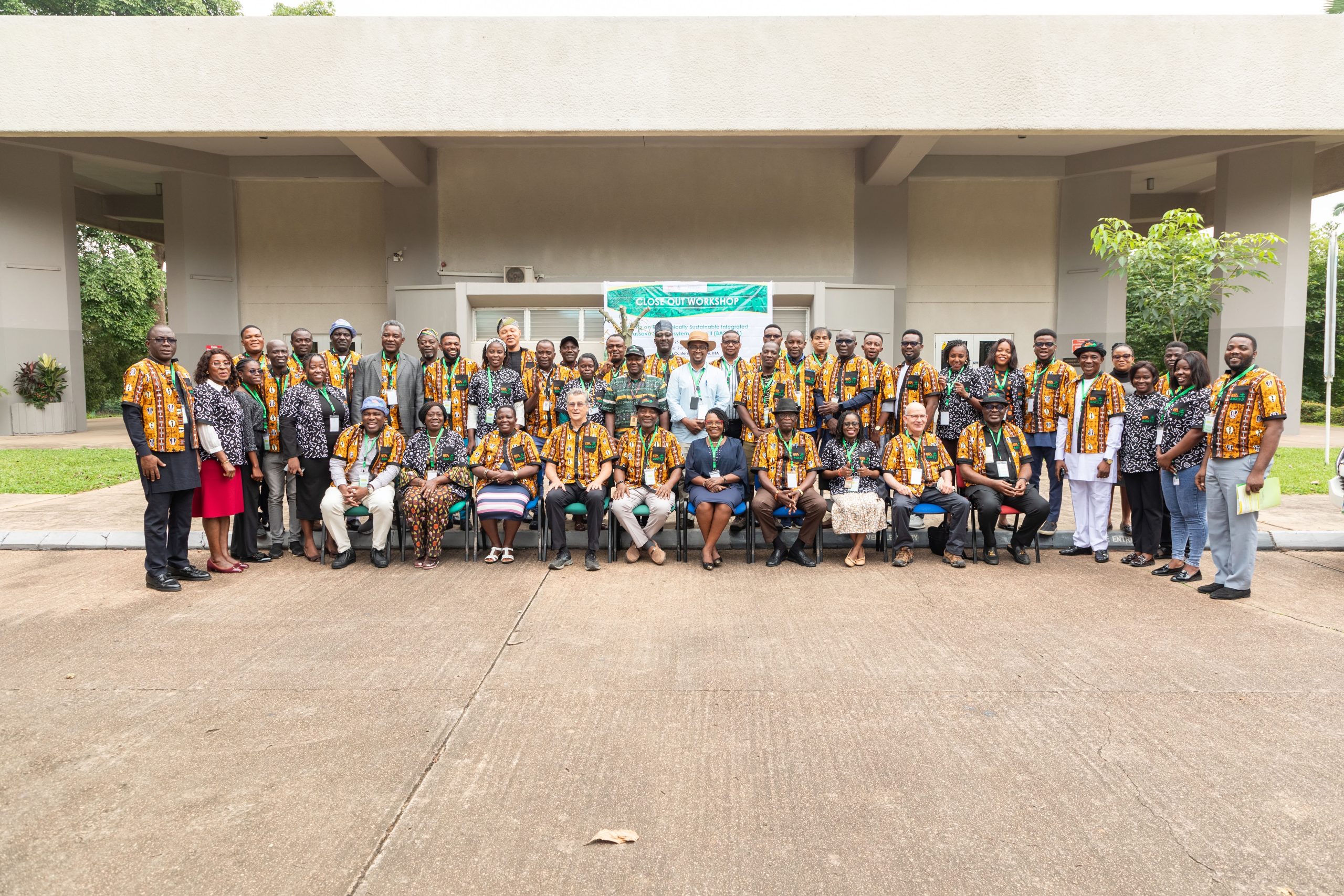
IITA Director General, Dr Simeon Ehui during his welcome remarks at the close out workshop

IITACGIAR hosted the close-out workshop of the Building an Economically Sustainable, Integrated Cassava Seed System (BASICS-II) project from 25 to 27 August at the headquarters in Ibadan. The three-day event brought together partners and delegates from Nigeria and Tanzania to reflect on five years of achievements and chart the way forward for cassava seed systems in Africa.

Funded by the Gates Foundation, BASICS-II was implemented by IITA in

BASICS-II project leader, Professor Lateef Sanni giving an overview of the project.

partnership with the National Root Crops Research Institute (NRCRI), Tanzania Agricultural Research Institute (TARI), Sahel Consulting, Catholic Relief Services (CRS), Tanzania Official Seed Certification Institute (TOSCI), the National Agricultural Seed Council (NASC), and Mennonite Economic Development Associates (MEDA). Together, these institutions worked to build a seed system that delivers high-quality, disease-free cassava planting materials to farmers, thereby helping to improve yields, incomes, and food security.

In a welcome address by the Technical Advisor, BASIC-II, and Director, Development and Delivery (P4D), IITA, Dr Alfred Dixon, he expressed his excitement about the successful completion of the project. He also explained the intended transition into the PROSSIVA project – Cassava component, which will replicate the BASICS-II model across other regions, including Sierra Leone, Liberia, Guinea, and Tanzania, as well as transfer technologies. “The close-out of BASICS-II is not the end, it is the beginning of broader replication and deeper transformation in Africa’s cassava seed systems,” he emphasized.

IITA Director General, Dr Simeon Ehui, also commended the BASICS-II team and partners for their dedication. He mentioned that the workshop is to close a chapter and celebrate a remarkable five-year journey of research, innovation, and partnerships. “This project shows how science and collaboration can change lives by building seed systems that farmers and processors can rely on,” he said.

The workshop participants and BASICS-II team members during the event.

The workshop featured presentations from the six project components, including the Integration of Breeding and Seed System Activities; Development of Early Generation Seed Entrepreneur; Development of Commercial Seed Entrepreneur; Development of the Processor-Associated seed System; Quality Control and Disease Management, and Catalyzing Scaling and Replication through partners. Each team shared their successes, lessons learned, and practical ideas for sustaining impact. One key theme was ensuring that cassava seed enterprises remain profitable so that the system continues to thrive beyond donor support.

The Project Manager, Professor Lateef Sanni, explained in his speech that the teams have worked effectively in the last five years to achieve the proposed goals. “It is a pleasure to announce that the BASICS-II project has done so well in the target countries –Nigeria and Tanzania, and even beyond,” he added. He further appreciated the team spirit of every member and partner involved in the project.

The Senior Program Officer, BASICS-II, Lawrence Kent, emphasized that the goal has always been to create businesses that continue to generate value and income long after the project ends, to which the participant agreed that the project had set in motion a movement for change. It was also agreed that, as BASICS-II transitions into PROSSIVA, some of the interventions brought up through the components would be implemented moving forward to fill some of the existing gaps from the just-concluded project. The close-out workshop was wrapped up with a field trip to the Fashola Agribusiness Hub in Iseyin by the participants.

Contributed by Tolulope Akinola

IITACGIAR has reaffirmed its commitment to global partnerships that support its mission of alleviating poverty and ensuring food security for millions of farm families across sub-Saharan Africa.

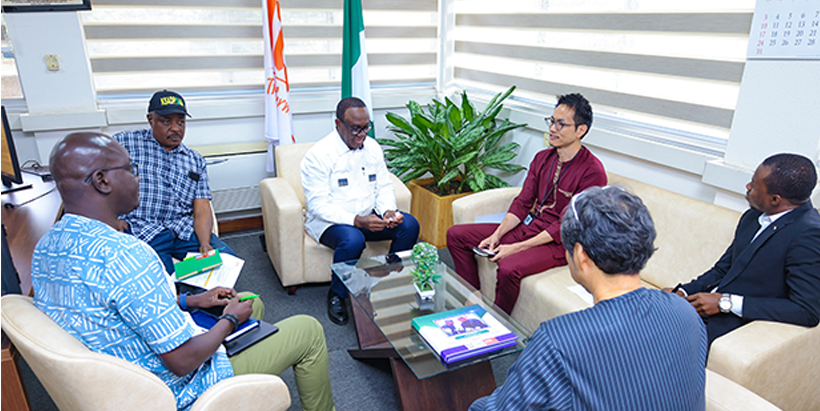
JICA delegates in a private meeting with IITA Director General, Dr Simeon Ehui.

On 26 August, IITA welcomed the Chief Representative of the Japan International Cooperation Agency (JICA) Nigeria Office, Yuzurio Susumu, to its headquarters in Ibadan. Danbaba Dogara, JICA Technical Staff for the CD Seed Project; Stephen Nwanya, JICA Program Coordinator for Education and Long-Term Training; Hikaru Kusakabe, JICA Basic Education Advisor at the Universal Basic Education Commission, accompanied him.

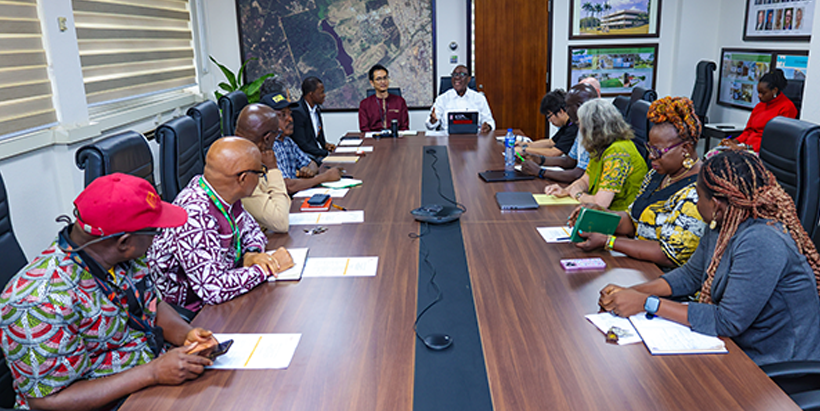
 The visiting team in an introductory meeting with IITA management staff.
The visiting team in an introductory meeting with IITA management staff.

The visit aimed to strengthen the long-standing partnership between the two organizations and explore future areas of collaboration. In his remarks, the IITA Director General, Dr Simeon Ehui, emphasized Japan’s role as a trusted partner of Africa, highlighting that strong partnerships are central to advancing food security and agricultural transformation on the continent.

The visiting team on a tour of the IITA Cassava processing center.

The Director of IITA’s West Africa Hub, Professor Michael Abberton, gave an overview of the institute’s hubs, stations, value chains, and projects. This was complemented by an IITA documentary that showcased the institute’s diverse initiatives, including its work in value chains, youth in agribusiness, gender integration, and ongoing research and development projects.

Impressed by the presentation, JICA’s Country Coordinator noted that IITA and JICA share similar goals in agriculture, food security, youth engagement, and support for smallholder farmers. He outlined JICA’s three key pillars of collaboration: economic development (with agriculture as a major focus), social development (including education), and peace, stability, and governance. “We would like to observe IITA’s facilities and discuss future collaboration,” he stated, adding that agriculture remains JICA’s largest intervention area and requires strong partnerships with organizations like IITA.

JICA delegates on a visit to the AfricaRice trial field.

The delegation toured IITA’s facilities, including the Cassava Processing Unit and the AfricaRice trial field. They expressed admiration for the diversification of cassava products and praised IITA’s collaboration with the private sector, describing it as an effective pathway for driving innovation and development to the public. “This has opened our eyes to what we can do in collaboration with IITA in the future,” said JICA’s Country Representative.

Highlighting potential areas for collaboration, the JICA President emphasized capacity development and partnering with AfricaRice through IITA for rice production, which is a core part of their operation. He also revealed plans to integrate lessons from IITA’s private sector partnerships into JICA’s upcoming project on two-step loans for farmers, implemented in collaboration with financial institutions.

Wrapping up the meeting, Dr Ehui emphasized the importance of continued dialogue to ensure the success of future collaboration. He reiterated IITA’s commitment to partnerships that promote sustainable food systems, improve livelihoods, and transform agriculture across Africa.

Contributed by Ochuwa Favour Daramola