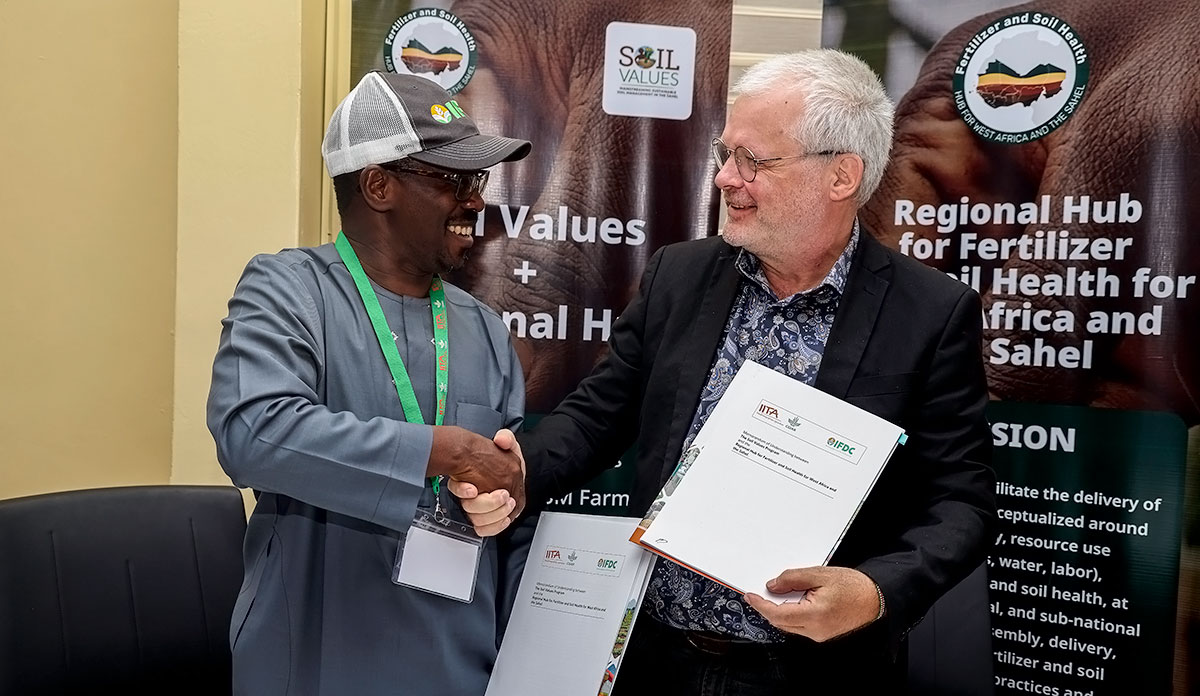
IBADAN, NIGERIA — February 26, 2026 — The Soil Values Program and the Regional Hub for Fertilizer and Soil Health for West Africa and the Sahel today announced a formal partnership. They signed a Memorandum of Understanding (MoU) to coordinate soil health interventions across West Africa and the Sahel. The partnership will enhance collaboration, minimize duplication of effort, and deliver lasting impact in the region.

This agreement unites the Regional Hub’s technical consortium with the Soil Values Program’s implementation platform in the Sahel. Consortium partners include IITA, IFDC, OCP Africa, APNI, UM6P, and ISRIC.
New Partnership to Strengthen Soil Health and Secure Livelihoods for 1.5 Million Sahelian Farmers

The collaboration aims to restore 2 million hectares of degraded land and strengthen the livelihoods of 1.5 million smallholder farmers in the region.

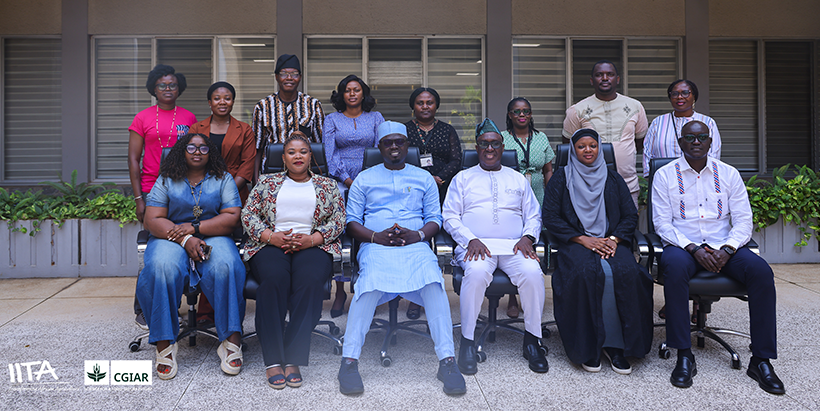
The MoU was signed at IITA headquarters in Ibadan by Alain Sy Traoré, Program Director of the Soil Values Program, and Dr. Bernard Vanlauwe, Deputy Director General, Research for Development (R4D), IITA.

The partnership aligns with regional soil health frameworks, including the Lomé Declaration on Fertilizer and Soil Health (2023), the Nairobi Declaration (2024), and the ECOWAS Soil Health Roadmap (2023–2033). It also establishes a framework to operationalize collaboration at scale.

Under the agreement, the Regional Hub will align its 20 technical functions with the Soil Values Program’s nine strategic pillars. This enables integrated planning, shared data systems, and coordinated implementation across countries.

“I firmly believe that together we are far stronger than we are individually. This agreement deepens our collaboration and elevates our shared vision for soil health beyond individual initiatives, positioning us to drive impact at regional and global levels,” said Dr. Bernard Vanlauwe, Deputy Director General, Research for Development (R4D), IITA.

To date, the Regional Hub intentionally moderated its engagement in parts of the Sahel — including Burkina Faso and Niger. The goal was to avoid overlapping with Soil Values Program activities. The MoU resolves that constraint and clarifies roles and responsibilities. Now, both initiatives can confidently expand under a coordinated approach.

“In the past, we deliberately moderated the Hub’s engagement in the Sahel to avoid approaching the same stakeholders with overlapping agendas. This MoU resolves that potential confusion and allows us to move forward in a coordinated and coherent manner,” Dr. Vanlauwe added.

“The true value of this agreement is that it establishes an official, ongoing commitment between our institutions—regardless of leadership changes,” said Alain Sy Traoré, Program Director, Soil Values Program.

Under the partnership, both initiatives commit to:

  • Shared Governance: Joint participation in strategic leadership and decision-making structures to strengthen alignment and accountability.
  • Unified Data Systems: Adopt standardized, AI-enabled data tools using FAIR principles—Findable, Accessible, Interoperable, and Reusable. These tools generate consistent soil information across countries.
  • Clear Geographic Roles: The Soil Values Program will lead implementation in the Sahel (Burkina Faso, Mali, Niger, northern Nigeria), while the Regional Hub provides the broader technical platform across West Africa.

Supported by a €100 million grant from the Netherlands Directorate-General for International Cooperation (DGIS), the Soil Values Program is a 10-year initiative (2024–2033) led by IFDC in partnership with SNV and Wageningen University & Research (WUR).

New Partnership to Strengthen Soil Health and Secure Livelihoods for 1.5 Million Sahelian Farmers

By leveraging over €300 million in private and development capital, the program aims to shift soil health efforts from traditional aid models to sustainable investment. Seventy percent of implementation will be delivered by local partners. This ensures ownership, resilience, and lasting outcomes. Performance-based assessments guide annual contracts and continued engagement with partners delivering results.

“One of the reasons I am particularly proud of this program is the strength of our knowledge partners. Soil health transformation is complex and multi-dimensional, but with partners of this calibre, we have built a foundation that gives us both credibility and a strong pathway to success,” said Alain Sy Traoré, Program Director, Soil Values Program.

The partnership will focus on four strategic areas of collaboration:

  1. Data & Knowledge Sharing: Shared tools, dashboards, datasets, and joint publications to strengthen evidence-based decision-making.
  2. Capacity Strengthening: Harmonized training and coordinated support to national institutions and extension systems.
  3. Policy Engagement: Coordinated contributions to policy dialogues and joint advocacy for soil health investment.
  4. Resource Mobilization: Joint fundraising and donor engagement for greater scale and impact.

About Soil Values Program

Funded by the Netherlands Directorate General for International Cooperation (D.G.I.S), Soil Values Program ​​addresses persistent soil fertility challenges in the Sahel region, namely Burkina Faso, Mali, Niger, northern Nigeria, with strategic countries: Ghana and Côte d’Ivoire. Soil Values Program ​​aims to strengthen soil fertility and agricultural productivity, in the face of climate change, with a focus on regional connectivity and strategic interventions. The program aspires to create a lasting impact on desertification and land degradation, landscape management – watersheds through participatory planning, effectively integrating soil, water and biodiversity. Soil Values Program ​​plans to promote financial incentive instruments that encourage farmers to invest in soil health through the adoption of sustainable soil management practices.  The Soil Values Program is being implemented over 10 years (2024-2033), led by the International Fertilizer Development Center (IFDC), in consortium with SNV and Wageningen University and Research (WUR), as well as knowledge partners such as AGRA, the Center for International Forestry Research and World Agroforestry (CIFOR-ICRAF), the International Institute of Tropical Agriculture (IITA), ISRIC – World Soil Information, and the International Water Management Institute (IWMI).

About the Regional Hub

The Regional Hub for Fertilizer and Soil Health for West Africa and the Sahel is a collaborative initiative that brings together leading research, development, and private-sector partners to deliver science-driven solutions for sustainable agriculture. Hosted by the International Institute of Tropical Agriculture (IITA) and supported by organizations including the International Fertilizer Development Center (IFDC), OCP Africa, the African Plant Nutrition Institute (APNI), University Mohammed VI Polytechnic (UM6P), Accelerating the Impacts of CGIAR Climate Research for Africa (AICCRA) and International Soil Reference and Information Centre (ISRIC ), the Hub leverages data, soil testing, and fertilizer technologies to enhance productivity, efficiency, and resilience across regional food systems. With financial backing from the World Bank through CGIAR’s AICCRA project and OCP Africa, the Hub is committed to translating research into actionable solutions for farmers and policymakers, promoting long-term soil health, food security, and sustainable development for West Africa and the Sahel.

Media Contacts

Ilerioluwa Oladipupo
I.Oladipupo@cgiar.org

Evariste Gbaguidi
soilvalues@ifdc.org

Dr Simeon Ehui with Honorable Minister Ayodele Olawande Wisdom during discussions.

Nigeria’s Minister for Youth Development, Honorable Ayodele Olawande Wisdom visited the IITACGIAR recently, where he was received by the Director General, Dr Simeon Ehui, and engaged with scientists and members of the IITA Youth in Agribusiness (IYA) program led by Aline Mugisho.

During the visit, Honorable Olawande Wisdom held discussions with IITA leadership, researchers, and the youth agripreneurs to explore strategic partnership opportunities aimed at strengthening youth-led agribusiness, fostering innovation, and expanding employment opportunities across the agricultural sector in Nigeria.

Dr Simeon Ehui with Honorable Minister Ayodele Olawande Wisdom with the IITA team, and the Ministry of Youth Development delegation.

Speaking with the Minister on how IITA prioritizes youth and policy engagement as part of its 2024-2030 Strategy, Dr Ehui said the institute is committed to working with governments in Africa to foster youth development and transform food systems.

“We remain committed to turning ambition into action, through partnerships that place youth at the center of food systems and transformation,” Dr Ehui said.

Highlighting the critical role of agriculture as a driver of sustainable development and national prosperity, particularly for young people, Deputy Director General Partnerships for Delivery and Scaling, Dr Tahirou Abdoulaye spoke on some of the existing innovations that align with the agricultural transformation agenda in Nigeria.

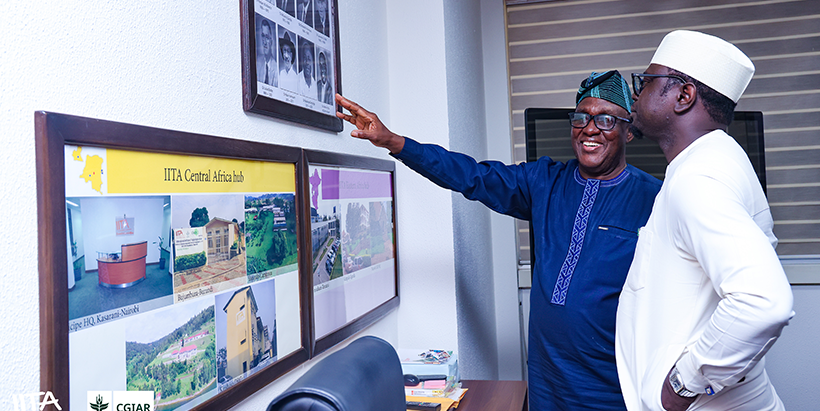
Dr Simeon Ehui giving the Honorable Minister Ayodele Olawande Wisdom a history of IITA's leadership during his visit to IITA headquarters in Ibadan.
Dr Simeon Ehui giving the Honorable Minister Ayodele Olawande Wisdom a history of IITA’s leadership during his visit to IITA headquarters in Ibadan.

Participants discussed how science, entrepreneurship, and policy alignment can accelerate youth participation in agribusiness and ensure that empowerment initiatives deliver sustainable, measurable impact.

…Minister applauds IITA Youth in Agribusiness

During his visit to the Youth in Agribusiness Office (IYA), the Minister, accompanied by Dr Ehui and some staff of the institute, expressed his satisfaction with IYA’s giant strides in empowering young people to thrive in agriculture, while stating the readiness of the ministry to work with the unit.

He said during his remarks that unemployment remained one of the factors fueling insecurity, noting however that the collaboration with the IITA would help to curb crime and create wealth for more young people. “We are partnering with you to drive the engagement of young people in agriculture so that majority of them would be properly engaged.”

He stated, “There are five cardinal areas we are targeting; Sport, Tech, Agriculture, Education, and Creative, so that at the end of the day, we will be able to reach out to a lot of young people. Your initiative at IYA has the potential to shake the continent, and so we can leverage it to get many youths equipped with various skills.”

“What you are doing is supporting many young people to build a strong foundation and we want to be part of it. Nobody will change Nigeria or Africa for us. Despite the challenges we face as a country, a lot of farmers are making money. And people need to know that it takes time to build wealth.”

Meanwhile, the Minister pointed out that the Nigerian Youth Academy (NiYA) launched by President Bola Tinubu had become a strong platform for equipping people with various marketable skills. He said the initiative creates a platform for training and creating a digital community.

Speaking on the impact of his first visit to IITA-CGIAR, the Minister said seven days after he visited the IITA Abuja Station in December, the various enterprises and the dignified way of farming motivated him to set up a fish pond. “I’m a proud fish pond owner now,” he stated. “I’m starting small, so you can count me as one of your participants. What gave me the inspiration was everything I was shown at the Abuja Station.”

“The IYA has done a lot, and you have equally shown that farming can be done with dignity. Our founding fathers were not in thousands; they were a few people who were determined to create change, and they gave it whatever it required. They were not part of this jet age. They didn’t have the technologies and innovations we now have access to. That means we can do lot with what is available now.”

After his roundtable discussion with the IYA team, the Minister visited an exhibition by past project beneficiaries showcasing their various products, before heading to the enterprises run by the unit. From the screenhouses for various horticultural crops to the feed formulation facility, fish hatchery and fish ponds, Honorable Olawande Wisdom, who was visibly impressed, commended the IYA team for setting a strong example.

The Chief Executive Officer, IYA, Ms Aline Mugisho, pointed out that IITA-CGIAR is primarily a research organization with research outcomes that are sometimes technical. She, however, noted that young farmers were being positioned as catalysts for spreading solutions both in rural and urban settings. “Looking at how our technologies can be scaled by young people; we can change the agri-food system.”

She added, “The farming population is also aging, and the younger ones entering the space are not necessarily equipped, whether with the knowledge or resources required. Thus, countries need to invest in these kinds of activities in partnership with organisations like IITA-CGIAR.”

Engagements during the Minister’s visit has reaffirmed IITA-CGIAR’s commitment to empowering Africa’s next generation of agricultural leaders through research, capacity development, and collaboration with government and private sector partners, while underscoring the importance of aligning youth-focused agricultural initiatives with national development priorities to maximize impact.

The visit concluded with a shared commitment to deepen collaboration and create pathways for young Nigerians to thrive in agriculture through innovation, enterprise development, and strategic partnerships.

Contributed by Jesutofunmi Robinson and ‘Timilehin Osunde

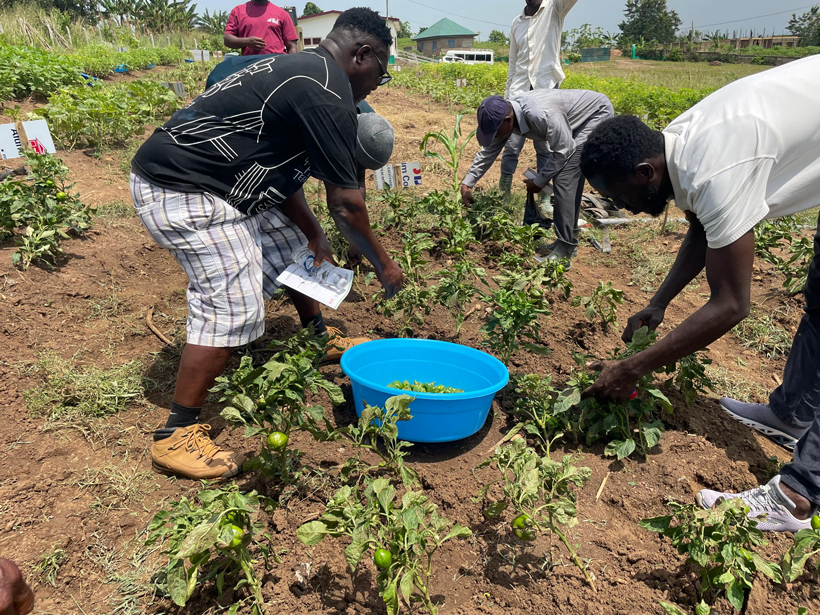
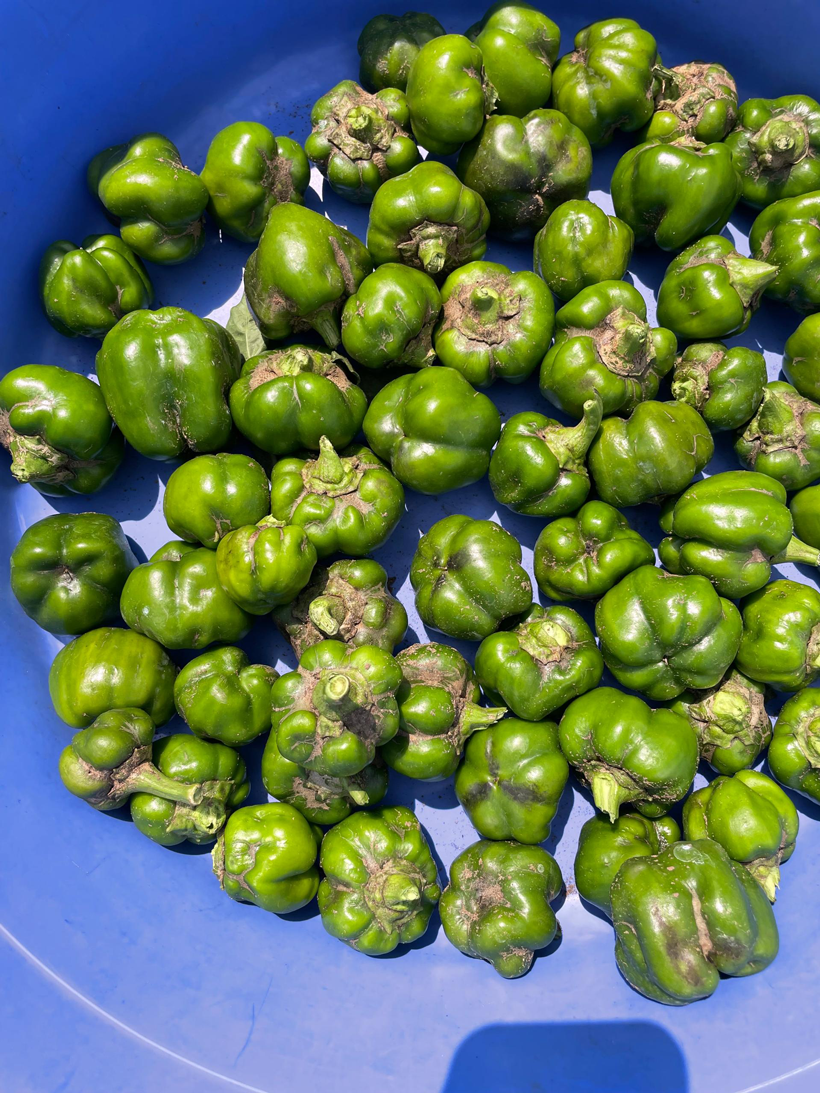
Vegetable farmers harvesting sweet pepper from the demonstration.

The IITA-led BBEST project in Ghana, in collaboration with BNARI, recently hosted farmer groups from Kawukudi (Ayawaso East municipality), Evandy (Ayawaso West Wuogon municipality), and GAEC (Ga East Municipality) at its vegetable demonstration field in Kofisah, Nsawam. This event aimed to promote the adoption and use of the black soldier fly frass (BSFF), a by-product of BSF technology, among smallholder vegetable farmers.

About 20 farmers and extension agents from different parts of Accra were introduced to BSF frass. During this informative session, the facilitators highlighted the advantages of using frass, a nutrient-rich organic fertilizer, produced in an environmentally friendly manner. It contains nitrogen, phosphorus, potassium, and beneficial microorganisms that improve yield and strengthen soil health. These positions BSF frass as an alternative organic fertilizer for growing vegetables.

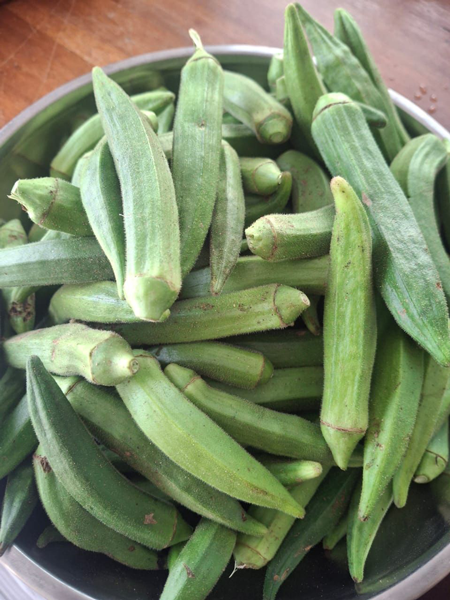
Okra harvested from the demonstration field.

The facilitators provided farmers with insights into applying BSF frass and combining it with inorganic fertilizer to achieve good yields. They highlighted the effects of frass on vegetable growth. Farmers observed the effects of the frass and its combination with other inorganic fertilizers on the vegetables cultivated, namely: Okra, African eggplant, Amaranthus, and sweet pepper.

They shared their perspectives on yields and recognized the importance of integrated soil fertility management for yield increases and long-term crop cultivation.

One of the farmers who used the frass told us, “The application of the BSF frass helped in controlling weeds in his farm. He stated that he obtains more yield using the BSF frass”.

The farmers visited the BSF larvae facility to observe BSF larvae production, another product from the BSF technology, rich in protein and used in poultry, aquaculture, and pig production.

They expressed their appreciation to the IITA and the BNARI team for introducing them to the BSF products and showed interest in purchasing BSF frass. Others expressed a desire to be trained to produce BSF larvae and frass.

The BSF larvae and frass are both certified products in Ghana by the Ghana Standards Authority (GSA) and the Plant Protection and Regulatory Service Directorate (PPRSD) under the Ministry of Food and Agriculture (MoFA).

The BBEST is an IITA-led initiative funded by Norway through the Norwegian Agency for Development Cooperation (Norad) and implemented in Ghana, Mali, Niger, and DRC, with the overall goal to improve the livelihoods of smallholder chicken, fish, pig, and vegetable producers and other value chain actors and contribute to improved urban sanitation and climate change mitigation.

Contributed by Francisca Ocloo

IARSAF members and students of Army Day Secondary School during an interactive outreach session focused on agriculture and innovation.

The International Association of Research Scholars and Fellows (IARSAF) at IITACGIAR brought agriculture to life for secondary school students in Ibadan, Nigeria, sparking curiosity and interest. During a recent outreach visit to Army Day Secondary School and Ojoo High School, the IARSAF team engaged the students in different learning sessions on agriculture, food safety, and career opportunities. They were encouraged to think like innovators with the goal of shaping the future of agriculture.

Sharing the inspiration behind the outreach during his opening remarks, IARSAF President Victor Diekade said the outreach will help the students understand the importance of agriculture, “We are here because we believe agriculture is a pathway to having dignified careers, advancing innovations, and providing solutions to economic challenges in our communities. As research fellows at IITA-CGIAR, who have benefited from scholarships and professional training.” He emphasized that giving back to the community is central to their mission. The outreach introduced students to the many opportunities in agriculture, from harnessing underutilized crops to learning about food safety and gender-inclusive practices. He encouraged them to become the next generation of agricultural innovators.

Focused moments as students of Ojoo High School explore the future of agriculture.

Gbenga Kolawole, an IARSAF member, took a session titled; “Agriculture and Career Prospects.” He emphasized that agriculture extends far beyond traditional farming into modernized agriculture, agribusiness, greenhouse systems, and technology-driven services. He reminded students that agriculture is for innovators, a field rich in opportunities and highly relevant in the 21st century.

A two-part session on “Underutilized crops,” led by Abiola Monsurat and Jimoh Mohammed at Army Day Secondary School and by Abiola Monsurat and Boluwape Diekade at Ojoo High School, introduced students to nutrient-rich but often overlooked crops such as African yam bean, Bambara groundnut, lima bean, and mung bean. These crops are resilient, adaptable to local environments, and essential in addressing food insecurity and malnutrition.

During an open session, one of the students asked why these nutritious and adaptable crops are not widely promoted? which prompted further discussions on awareness creation, research investments, and market systems.

The session on “Food Safety”, delivered by Favour Ayorinde and Taiwo Adesina, highlighted how poor hygiene practices, contamination, and unsafe preservation methods contribute to foodborne illnesses. Ayorinde emphasized that “The food that is not safe is no food at all.”

A concluding session on “Gender roles in agriculture,” by Faith Ohaju and Oche Akpa, highlighted food production as a shared responsibility, with equal opportunities for both men and women across the agricultural value chain.

The discussions during the outreach left students buzzing with ideas and questions, reinforcing IARSAF’s commitment to inspiring the next generation of agricultural innovators.

Contributed by Christabel Ediri

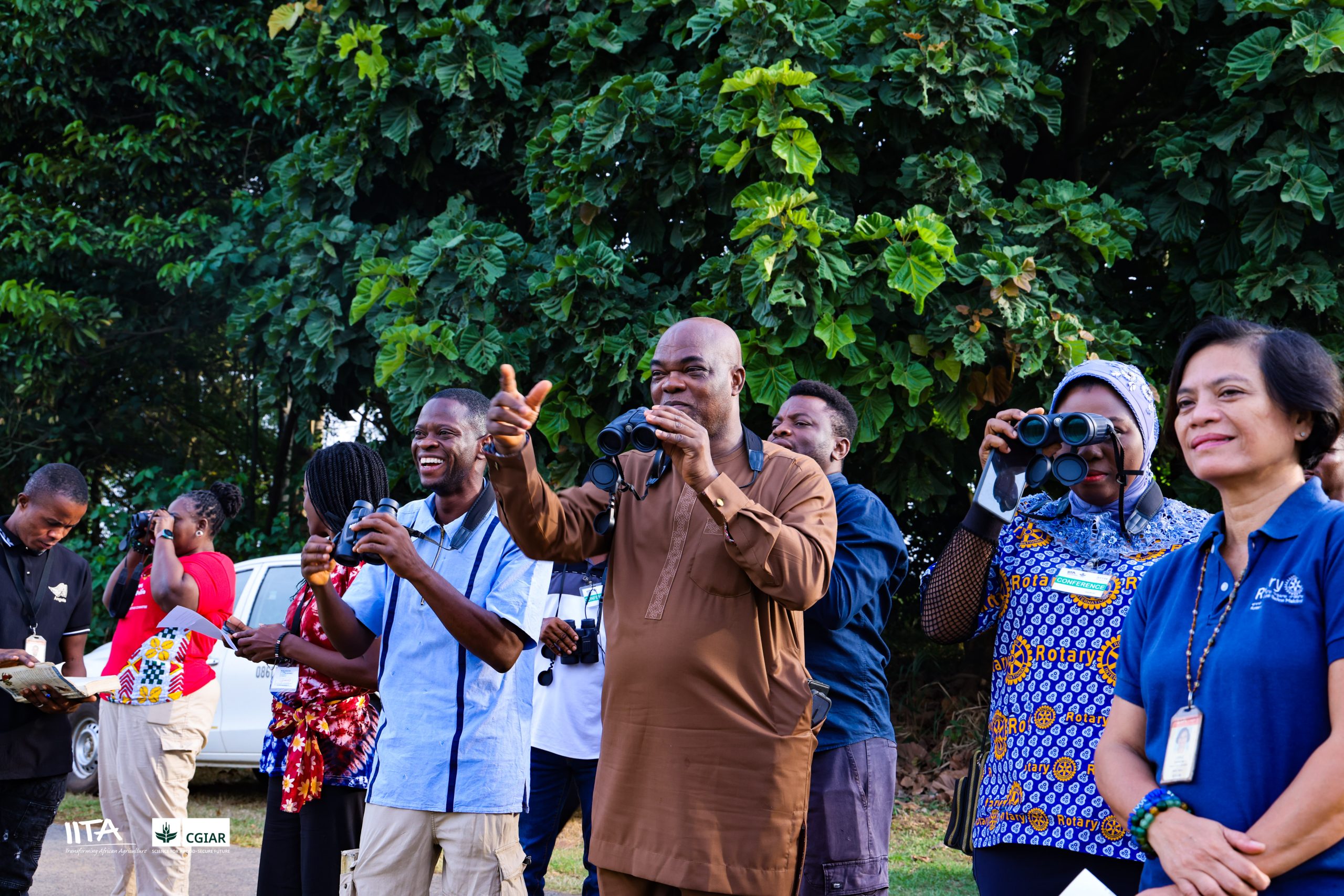
Rotary International President Elect (RIPE), Olayinka Babalola sights the pied kingfisher with his binoculars during the birdwatching exercise, guided by the Head of IITA Forest Center, Adewale Awoyemi, in the company of other Rotarians, the Head of Communication, Kathy Lopez and IITA staff.

Two presidents, IITACGIAR Director General, IITA scientists, and Nigerian Rotarians met on 15 February at IITA to discuss areas of mutual interest and opportunities for future collaboration in community development and peace building.

Earlier in the week, on 11 and 12 February, the Rotary International President Elect (RIPE), Olayinka Babalola, explored the grounds of the IITA campus, taking time out for an early-morning birdwatching session led by the Head of the IITA Forest Center, Adewale Awoyemi. He shared that his interest in birdwatching began during the COVID-19 lockdown, eventually leading him to join the fellowship of Rotarian birdwatchers, with IITA as his preferred base whenever he is in Ibadan.

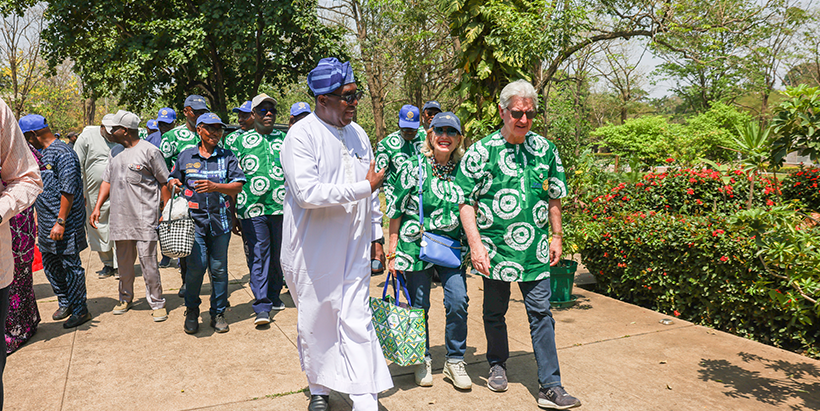
IITA Director General, Simeon Ehui, welcoming the Rotary International President, Francesco Arezzo, his wife, and other Rotarian delegates to IITA.

He was delighted to spot species such as the cormorant, African jacana (popularly called the “jesus bird” for its extraordinarily long toes that enable it to walk on floating vegetation), pied kingfisher, hadada ibis, and the common sandpiper, among others. The experience underscored IITA–CGIAR’s role not only as a hub for agricultural science but also as a center for biodiversity conservation and environmental stewardship.

Babalola later met with IITA–CGIAR Director General, Simeon Ehui, himself once a Rotarian, who expressed appreciation for Rotary International’s progress in polio eradication and other global humanitarian efforts. In his remarks, Dr Ehui provided a brief history of IITA and addressed key FAQs about the Institute. He emphasized the urgent need for food security that led to its founding by the Ford and Rockefeller Foundations. He reiterated IITA’s commitment to delivering cutting-edge science and research innovations that support economic development and food security across Africa and beyond. “Science, partnership, and impact—and accelerating transformative change in people’s lives—are key for us at IITA,” he stated.

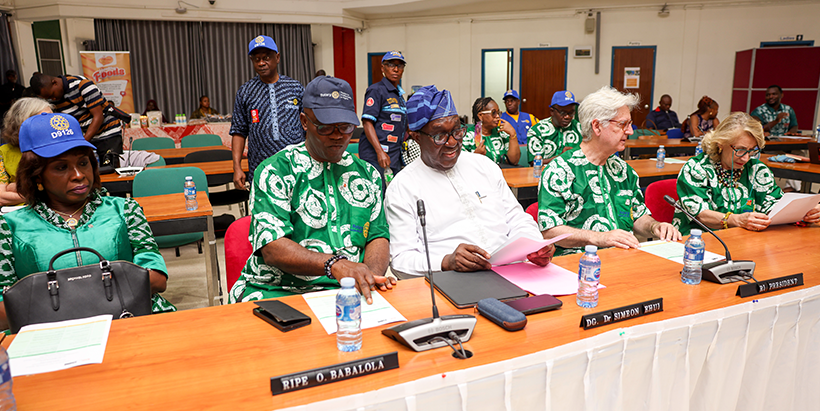
IITA DG, Simeon Ehui, with the Rotarian Incoming President Elect, Olayinka Babalola (L), and the outgoing President of Rotary International, Francesco Arezzo (R), during the partnership engagement meeting, at IITA headquarters, Ibadan.
IITA DG, Simeon Ehui, with the the Rotary International President Elect, Olayinka Babalola (L), and the outgoing President of Rotary International, Francesco Arezzo (R), during the partnership engagement meeting, at IITA headquarters, Ibadan.

Further insights on IITA’s research, innovations, and technologies were presented by Bernard Vanlauwe, Deputy Director General, Research for Development (DDGR4D); Tahirou Abdoulaye, Deputy Director General, Partnerships for Delivery (DDGP4D); and the DG’s Chief of Staff, Ibnou Dieng. They discussed IITA’s innovations and technologies, scaling approaches, and the Institute’s broader strategic impact pathways.

The outgoing President of Rotary International, Francesco Arezzo, expressed his pleasure at witnessing such a promising partnership opportunity between IITA-CGIAR and Rotary International. He highlighted areas of alignment for future collaboration, including youth empowerment, economic development, and environmental sustainability.

Tola Ademosun spoke about IITA-CGIAR’s youth-focused initiatives, that are transforming young people into agripreneurs through climate-smart practices, digital tools, and mechanization. These efforts, supported by partners such as the African Development Bank (AfDB) and the Mastercard Foundation, are tackling unemployment, promoting the dissemination of technology, and creating viable income streams in agribusiness. She expressed optimism about collaborating with Rotary International to further strengthen community development and youth economic empowerment.

RIPE Olayinka Babalola, while highlighting Rotary’s seven areas of focus, identified three to four potential areas of collaboration with IITA, including sustainable livelihoods, youth agribusiness ventures, environmental conservation, and water and sanitation initiatives. These are aimed at fostering peace and preventing conflict. He affirmed that his presidential theme for 2026, “to create lasting impact,” aligns seamlessly with IITA-CGIAR’s commitment to delivering agricultural innovations that positively transform lives.

The meeting concluded with proposals to establish Corporate Rotary Clubs to address shared concerns within corporate spaces—signaling a forward-looking partnership anchored on science, service, and sustainable impact.

Contributed by Folake Oduntan


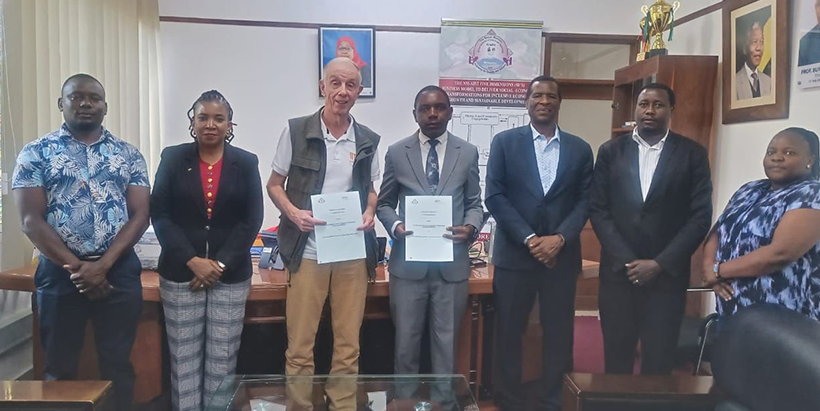
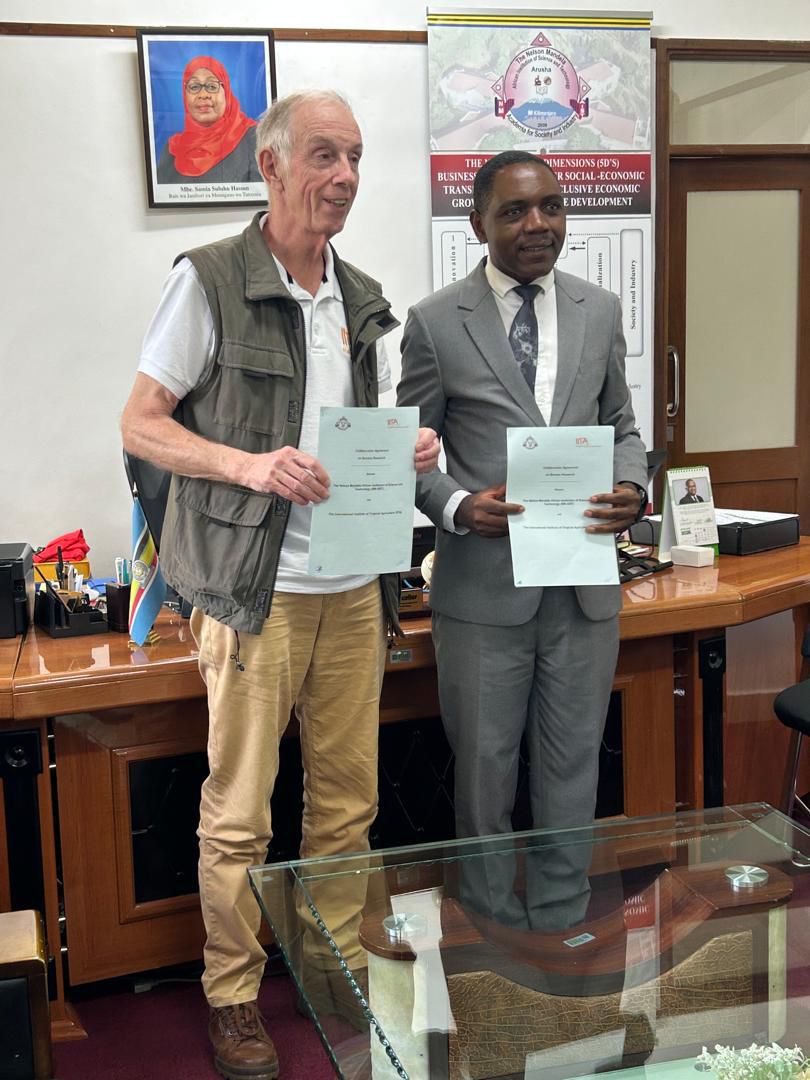
IITA Banana Breeder, Professor Rony Swennen with the NM-AIST Vice Chancellor Professor Maulilio Kipanyula.
IITA Banana Breeder, Professor Rony Swennen with some IITA staff and the NM-AIST representatives.

IITACGIAR and Nelson Mandela African Institution of Science and Technology (NM-AIST) have reaffirmed their commitment to a strong partnership, marking an important step in advancing collaborative research, innovation, and capacity building in banana initiatives. This partnership, which has been extended by five years, emphasizes a shared vision to address critical regional challenges, particularly in agriculture and food security.

With a production area of nearly 670,000 hectares, according to the FAO, Tanzania is the second biggest banana producer in Eastern Africa. Banana and more specifically the highland cooking bananas, Matooke and Mchare, are staple foods especially in the Kagera, Mbeya, and Kilimanjaro regions. Given their importance but low yields, which are about 10% of their potential due to pests and diseases and inadequate cultural practices, IITA has invested in banana research in Tanzania since 2014.

IITA Banana Breeder, Professor Rony Swennen with the NM-AIST Vice Chancellor Professor Maulilio Kipanyula.

Since the initial signing of the Memorandum of Understanding (MoU) in 2014, NM-AIST has served as an important host for IITA’s highland cooking banana breeding program. The first-ever Banana Breeding program in Tanzania. This program aims to develop improved, high-yielding varieties of the East African highland cooking banana and Mchare.

The NM-AIST provides essential support, including office space, access to laboratories, and trial fields for banana research. IITA’s banana breeding program in Tanzania is based at the NM-AIST campus, which benefits from excellent physical facilities, including tissue, molecular, and pathology laboratories, and 12 hectares of fully irrigated fields.

Low yields due to pests and diseases are addressed through breeding, awareness, and eradication campaigns for banana bunchy top virus (BBTV)-infected plants, and improved agronomy. IITA’s breeding is based on its long tradition in banana and plantain breeding, which started in Nigeria in the late 1980s.

In Tanzania and in collaboration with the Tanzania Agriculture Research Institute (TARI), this culminated in the release of four high-yielding matooke hybrids, jointly developed by the National Agriculture Research Organization (NARO) in Uganda and IITA. In less than a decade, researchers successfully developed the first Mchare hybrid, T.2070-1. The new variety is high-yielding and resistant to Fusarium wilt. It is currently undergoing multi-location and on-farm trials and is expected to be released soon. New varieties can have a significant impact, as a recent study showed that in the Kagera region, farmers produce an additional 120,000 tons of bananas per year, generating 7 million USD per year.

At the NM-AIST campus, scientific staff of both institutions work jointly, and students conduct MSc and PhD research on banana-related matters. For example, at the NM-AIST campus, successful research was conducted to increase seed set in Mchare (cooking bananas) and to develop faster screening methods for resistance to nematodes, leading two IITA staff to graduate with an MSc degree and to publish with academic staff at NM-AIST. The extended five-year collaboration aims to broaden other banana disciplines and to work together across the country.

Contributed by Gloriana Ndibalema

The African Development Bank (AfDB) has approved the commencement of Phase III of the Technologies for African Agricultural Transformation (TAAT) program. The Bank Group’s Board of Directors on 14 January 2026 approved the release of an additional US$16 million to implement the third phase of the program.

This approval, which comes as an added boost to the program, underscores the Bank’s core commitment to addressing the critical challenges hindering African agriculture, notably low productivity stemming from limited access to modern technologies, inadequate infrastructure, and insufficient investment in climate-resilient practices. The Bank further contends that the urgency driving this approval is amplified by the ongoing Russia-Ukraine conflict, which has disrupted global supply chains and driven up the prices of essential inputs, such as seeds and fertilizers.

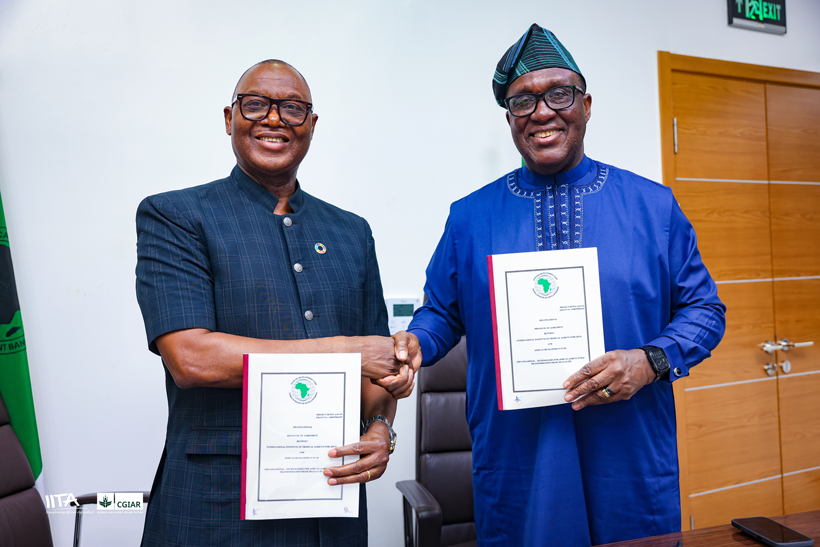
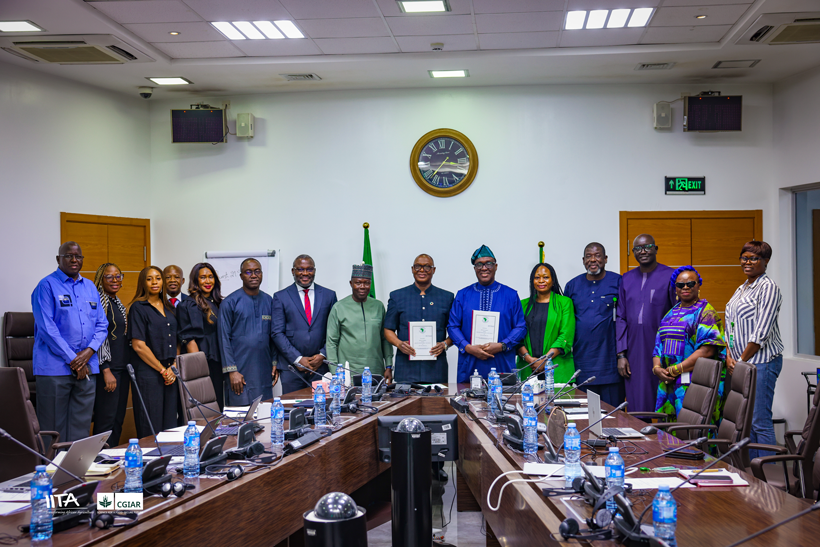
At the 18 February 2026 signing of the protocol of agreement between the Bank and the International Institute of Tropical Agriculture (IITA)—the executing agency for TAAT,  the Bank lauded the giant strides recorded under the first and second phases of TAAT which have galvanized engagements that influenced a total of US$3.18 billion in agricultural investments—US$857.5 million through the African Emergency Food Production Facility (AEFPF) large-scale operations and US$2.31 billion through non-AEFPF projects.

Speaking at the ceremony, the Bank’s Director for Nigeria, Dr. Abdul Kamara, said:
“TAAT III reflects the Bank’s commitment to ensuring that proven, climate‑resilient technologies reach farmers faster and at scale. This new phase strengthens the systems that deliver innovation, helping countries boost productivity, enhance resilience, and align agricultural transformation efforts with the Bank’s Four Cardinal Points.”

Dr Martin Fregene, the Officer in Charge of the Bank’s Vice Presidency for Agriculture, Human and Social Development, affirmed that TAAT I and TAAT II have laid the foundational groundwork to address the challenges facing African agriculture by vetting technologies, accelerating the adoption and scaling of proven agricultural technologies, promoting climate-resilient agricultural practices, building capacities within the farming’ and seed ecosystem, and developing e-platforms to facilitate access to technologies, primarily for smallholder farmers.

“Through technical assistance and collaboration with Regional Member Countries (RMCs) of the Bank and development partners, TAAT has supported the integration of 238 technology use cases into 46 countries and regional investment projects spanning 31 countries,” Dr Fregene said.

“The Bank is well positioned to harness the power of science, knowledge, and innovation needed to catalyze Africa’s agricultural transformation through this investment. The Bank already has extensive experience in agricultural development assistance in Africa, and this additional funding will help us to consolidate the achievements of TAATs I and II,” Dr Abdul Kamara, the Bank’s Director General for Nigeria, added.

The IITA Director General and CGIAR’s Regional Director for Continental Africa, Dr Simeon Ehui, in his remarks at the signing ceremony, commended the Bank’s commitment to transforming African agriculture through its Feed Africa strategy as well as the trust placed in the CGIAR-driven consortium of agricultural research institutions led by IITA to implement the goal of transforming African agriculture and ensuring food and nutritional security.

Dr Ehui assured the Bank of TAAT’s unwavering commitment to deepening its pathway of providing technical assistance, strengthening seed systems, disseminating climate-smart and high-yielding crop varieties, promoting post-harvest and mechanisation innovations, providing knowledge and ensuring learning and uptake of innovations, and supporting policy and digital solutions to enhance agricultural productivity and resilience across Africa.

“These efforts,” according to Dr Ehui, “have led to productivity increases of up to 69% across targeted crops, reaching over 25 million farmers. Additionally, under the implementation of the AEFPF, TAAT has provided technical assistance to RMCs, including technical specifications for the supply and quality assurance of certified seeds. This assistance has enabled the distribution of 476,747.96 metric tons of improved, climate-resilient seeds to 14.437 million smallholder farmers.”

“This third phase of the program will achieve sustainability through the institutionalization of the TAAT model within CGIAR and fostering regional cooperation among Regional Economic Communities (RECs) and private sector actors, supporting the Dakar 2 vision of achieving food sovereignty, increased productivity, and resilient food systems across Africa and contributing directly to the Sustainable Development Goals 1, 2, 13, & 15 (No Poverty; Zero Hunger; Climate Action; and Life on Land), and the African Union’s Agenda 2063 vision for a prosperous Africa based on inclusive growth and sustainable development,” Dr Ehui added.

The Bank affirms that TAAT III’s objective is to consolidate and scale TAAT I and II achievements, while strengthening their operational and financial sustainability. TAAT III will strengthen the regional technology delivery infrastructure by supporting National Agricultural Research Systems (NARS) and private seed companies to sustainably increase the production and availability of early-generation (EGS) and certified high-yielding, climate-resilient seeds, respectively.

The third phase of the program will equally promote the digitalization of TAAT-vetted technologies and the development of information and communication technology (ICT) platforms and other digital solutions to facilitate the deployment and accessibility of appropriate agricultural technologies, E-extension, and advisory services. To further scale TAAT technology deployment, TAAT III will support the development of the Regional Technology Market, enhancing technology deployment and accessibility across borders.

TAAT, in this third phase, will deploy its extensive partnership ecosystem to drive capacity-building initiatives for agricultural extensionists (Training of Trainers, ToT) and farmers, enhancing smallholder farmers’ awareness, access, and adoption of agricultural technologies and e-advisory services. To catalyze the financial sustainability of the TAAT technology delivery ecosystem, TAAT III will provide technical assistance to RMCs to attract private-sector investment and mainstream TAAT-vetted technologies into national and large-scale agricultural investment projects.

To enhance farmer resilience, TAAT III will build the capacities of meteorological institutions and frontline extension workers to collect, analyze, and disseminate climate data to improve weather forecasts and early warning systems, and expand the integration of weather forecasts into the planning of agricultural activities at the smallholder farmer level.

With the signing of the TAAT Phase III grant agreement, the African Development Bank envisions a continent accelerating agricultural transformation for food systems resilience through strengthened regional technology delivery infrastructure; increased productivity through scaling up climate-resilient and nutrition-sensitive technologies and reinforced, efficient production and distribution systems for improved seeds and fertilizers; enhanced farmers’ capacity and learning, and resilience to climate change; and advanced adoption of innovative digital solutions and enhanced market integration and regional trade competitiveness through strategic private sector participation.


About the African Development Bank Group

The African Development Bank Group (AfDB) is Africa’s premier development finance institution. It comprises three distinct entities: the African Development Bank (AfDB), the African Development Fund (ADF) and the Nigeria Trust Fund (NTF). On the ground in 44 African countries with an external office in Japan, the AfDB contributes to the economic development and the social progress of its 54 regional member states.

About IITA

The International Institute of Tropical Agriculture (IITA) is a non-profit research-for-development organization that works across Africa to improve food security, increase agricultural productivity, create employment and wealth, and enhance the resilience of natural resources. Founded in 1967 and headquartered in Ibadan, Nigeria, IITA is a member of CGIAR, the global research partnership for a food-secure future. Through research, partnerships, and innovations, IITA addresses the challenges of hunger, malnutrition, poverty, and natural resource degradation, contributing to achieving the United Nations Sustainable Development Goals (SDGs).

About TAAT

Established in 2018 as a key flagship program of the Bank’s Feed Africa strategy, TAAT is a continent-wide initiative designed to boost agricultural productivity by rapidly delivering proven technologies to millions of farmers. Implemented by IITA and a host of other CGIAR centers and Technical Institutions, TAAT facilitates food systems transformation in Africa by providing access to path-breaking agricultural innovations, policy harmonization, and robust seed systems. TAAT seeks to double crop, livestock, and fish productivity by expanding access to productivity-increasing technologies to more than 40 million smallholder farmers across Africa and generate an additional 120 million metric tons.


Contacts:

AfDB: Nkiruka-Henrietta Ugoh
n.ugoh@afdb.org

TAAT: Atayi Opaluwah
A.Opaluwah@cgiar.org

IITA: Katherine Lopez
K.Lopez@cgiar.org

Vegetatively propagated crops (VPCs) such as cassava, yam, banana, and plantain are central to food security, livelihoods, and economic growth across Africa. Yet, limited access to quality, disease-free planting material continues to constrain productivity, profitability, and value chain competitiveness for millions of farmers. Inefficient seed delivery systems and slow adoption of improved varieties remain persistent challenges.

The PROSSIVA project was designed to address these gaps by strengthening seed systems for VPCs. During its research phase, the project focused primarily on innovative research and validation of propagation technologies, marketing strategies, and institutional arrangements tailored to the unique challenges of vegetatively propagated crops. This work was designed to address long-standing constraints, such as disease accumulation, low multiplication rates, and inconsistent quality of planting material.

Through this process, the project generated strong evidence on effective and scalable propagation technologies, underpinning functional seed value chains capable of delivering healthy, high-quality planting material to millions of farmers. These achievements demonstrated that effective solutions exist and can deliver results when aligned with market demand, institutional support, and farmer needs.

With strong evidence in place, the project is now intentionally shifting its focus toward scaling. The next phase of PROSSIVA is therefore centered on moving proven technologies from pilot settings into broader use, thereby ensuring they reach farmers, seed enterprises, and markets sustainably.

This deliberate transition is being formally launched at the 2026 PROSSIVA Annual Review and Planning Meeting, where partners are aligning on a coordinated roadmap to scale impact across focus countries.

Over the next two years, PROSSIVA will concentrate on two flagship scaling efforts:

  • Scaling yam seed innovations to strengthen food security in Nigeria and Ghana.
  • Scaling improved cassava seed innovations to support industrial growth in Nigeria, while continuing targeted scaling of improved cassava varieties in Tanzania through established seed entrepreneur networks.

In addition, the project will selectively advance the scaling of improved banana varieties through decentralized macropropagation enterprise pilots in Uganda, Tanzania, Nigeria, and Ghana. These efforts are designed to strengthen commercially viable seed value chains capable of delivering high-quality planting material at scale.

To support this focus, PROSSIVA has refined its scope to concentrate resources where the potential for impact is greatest. This includes prioritizing specific crops, countries, and high-potential regions, as well as strengthening partnerships that align with comparative advantage and the scaling agenda. This strategic focus enables deeper engagement, stronger coordination, and more efficient delivery of tangible results.

As PROSSIVA transitions, it aims to create vibrant seed value chains that deliver measurable reach to millions of smallholder farmers and lay the foundation for continued scaling beyond the project’s timeframe.

From research to reach, PROSSIVA’s next chapter is about scale, sustainability, and impact.

Contributed by Isaac Ajayi