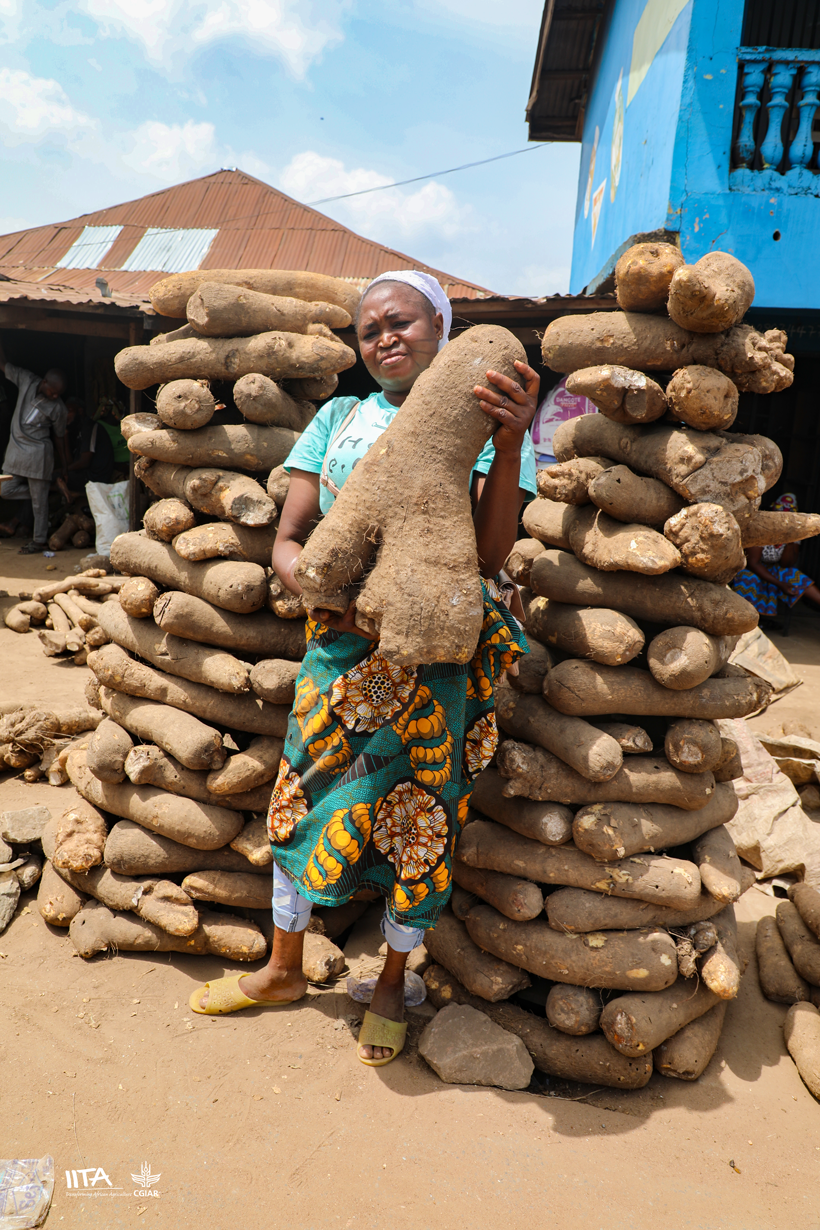
A woman yam trader at a market in Ibadan

Roots, Tubers, and Bananas (RTB) crops, which include cassava, yam, banana, plantain, sweet potato, and potato, remain at the heart of food and nutritional security for millions of people across the tropics. In sub-Saharan Africa, especially these crops contribute significantly to daily calorie intake and serve as a major source of livelihood for over two billion people globally. Yet, despite their importance, efforts to improve these crops have historically lagged behind those for cereals and legumes due to their genetic complexity and reliance on vegetative propagation.

A new research review by IITA scientists led by Molecular Breeder Scientist Paterne Agre, sheds light on how recent advances in genomics-assisted breeding (GAB) are transforming this narrative. Focusing on banana and plantain, cassava, and yam breeding programs, the study provides a comprehensive blend of how modern genomic tools can accelerate the development of improved, resilient, and high-yielding RTB varieties.

RTB crops are uniquely suited to the environments in which they are grown. Cassava and yam, for instance, can withstand drought and poor soils, while bananas and plantains provide food year-round, acting as a safety net for farmers during dry seasons. However, these advantages are offset by major breeding challenges. Many RTB crops are genetically complex, making it difficult to predict inheritance patterns or stabilize desirable traits. In addition, poor flowering, low seed viability, and the vegetative nature of propagation limit opportunities for recombination and slow down breeding progress.
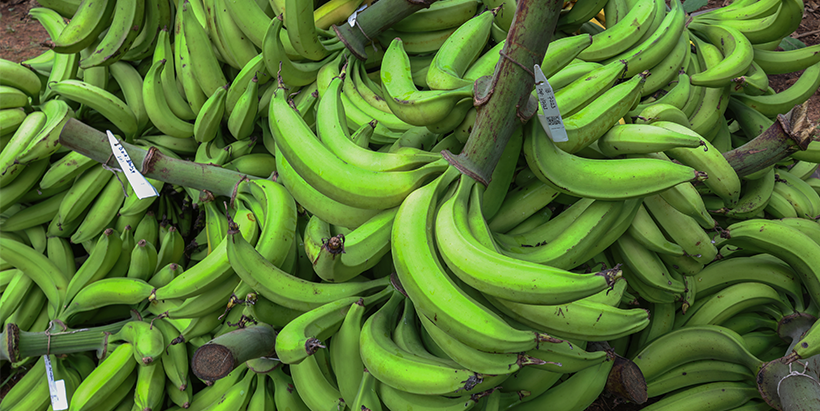
Plantain harvested from an IITA field trial.

The research highlights how genomics is now helping to overcome these constraints. By integrating tools such as DNA sequencing, molecular markers, and genomic selection into breeding pipelines, scientists can better understand genetic diversity, identify valuable traits, and select superior progenies with high potential. Techniques like marker-assisted selection and genomic prediction are already shortening breeding cycles and improving efficiency. Emerging innovations such as pan-genomics and gene editing are further expanding possibilities, allowing scientists to target specific traits such as disease resistance, yield improvement, and climate resilience.
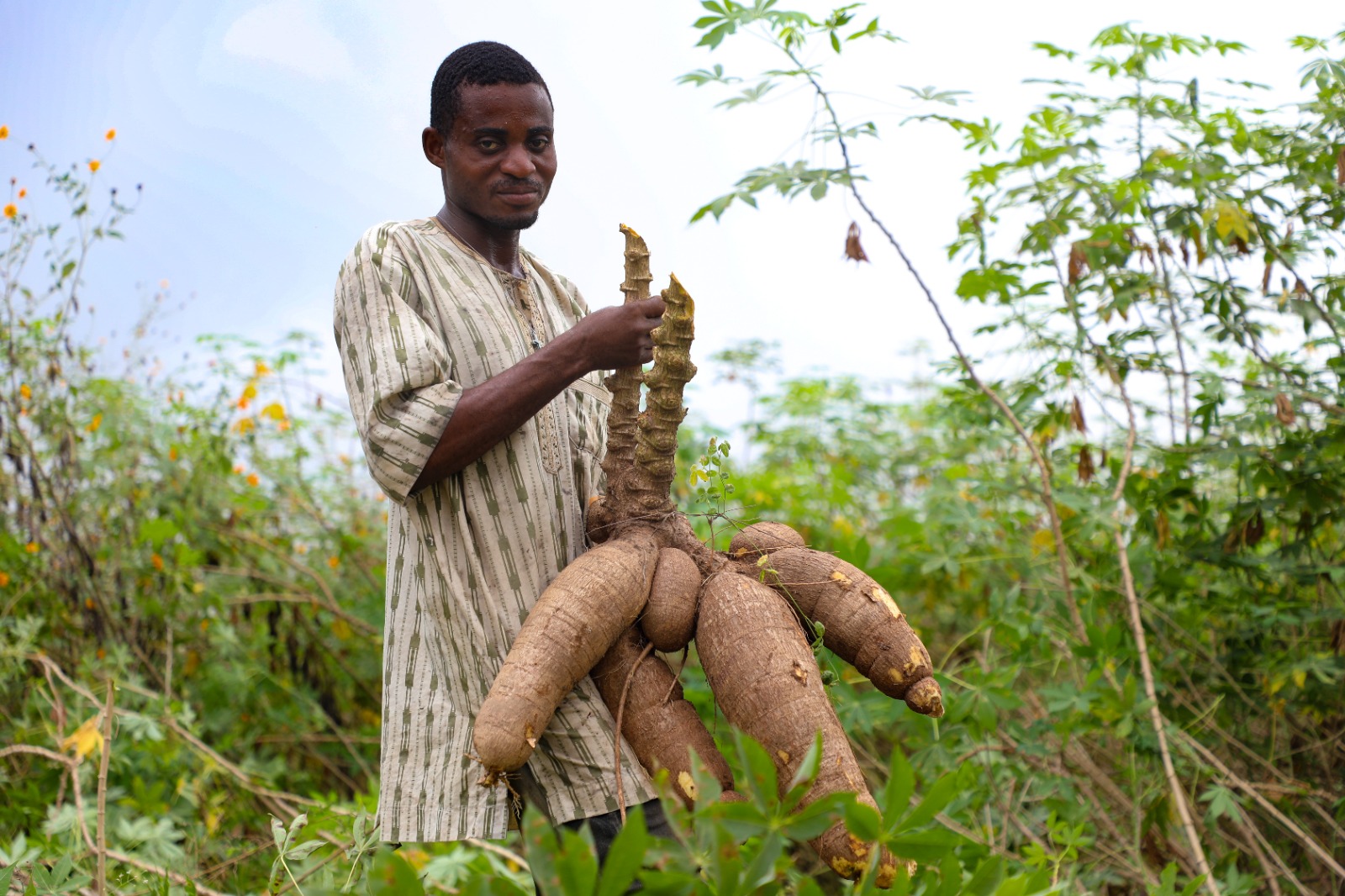
Cassava roots harvested from an IITA field trials.

The study also reflects the broader efforts of the CGIAR RTB research initiative, launched to accelerate genetic innovation and address longstanding breeding challenges. Through collaboration among international research institutions, national programs, and development partners, significant progress has been made in building genomic resources and applying them across RTB crops.

At the core of the research is a detailed assessment of available genomic resources and their practical impact. The authors examined how these tools are being used throughout the breeding process, from early-stage, diversity studies and trait discovery to advanced selection and variety development. They also evaluated digital innovations that are helping modernize breeding programs, including data management systems and decision-support tools.

One of the most promising developments highlighted in the review is the integration of artificial intelligence and machine learning into breeding systems. These technologies enable scientists to easily analyse large datasets, uncover complex trait relationships, and make more accurate predictions about plant performance under different environmental conditions. This is particularly important for developing climate-resilient varieties that can withstand unpredictable weather patterns.

Despite these advancements, the study emphasizes that sustained impact will require strategic investments and coordinated action. The researchers recommended strengthening interdisciplinary expertise in genomics and data science, expanding access to affordable genotyping technologies, and establishing regional innovation hubs equipped with advanced computing infrastructure. The authors also stressed the importance of participatory breeding approaches that incorporate farmers’ preferences, particularly those of women and processors, to ensure that improved varieties meet real-world needs.

The study also calls for supportive policy frameworks to guide the adoption of emerging technologies such as gene editing, as well as the integration of impact-driven metrics to track progress in yield improvement, adoption rates, and resilience outcomes.

As demand for RTB crops continues to rise, especially in Africa, the findings emphasize the urgency of accelerating breeding efforts. By harnessing the power of genomics and aligning innovation with local realities, researchers and partners are paving the way for a new generation of RTB crops that can better feed populations, strengthen livelihoods, and build resilience in the face of climate change.

Contributed by Ochuwa Favour Daramola
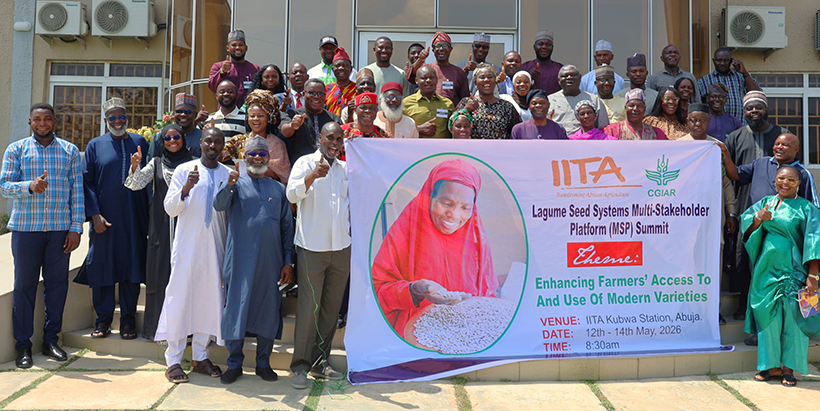
Participants after the Seed Systems Summit at IITA Abuja Station.

Stakeholders across Nigeria’s legume value chain have called for stronger collaboration, improved seed dissemination systems, and market-driven varietal development to accelerate food security and sustainable legume productivity.

The call was made during a two-day Legume Seed Systems Multi-Stakeholder Platform (MSP) Summit convened by IITACGIAR to accelerate the development and delivery of breakthrough cowpea varieties. The summit brought together key seed sector actors along legume value chains, including researchers, seed companies, farmers, agro-dealers, processors, marketers, traders, aggregators, extension agents, and policymakers to discuss practical strategies for strengthening legume seed systems, particularly cowpea in Nigeria.

Participants during the Seed Systems Summit.

Speaking during the summit, Professor Lucky Omoigui said the platform was designed to improve farmers’ access to improved seed varieties and to strengthen coordination and collaboration among stakeholders across the legume value chain.

According to him, the initiative aims to create a sustainable, private sector-driven system that connects breeders, seed companies, marketers, processors, agro-dealers, and farmers more effectively.

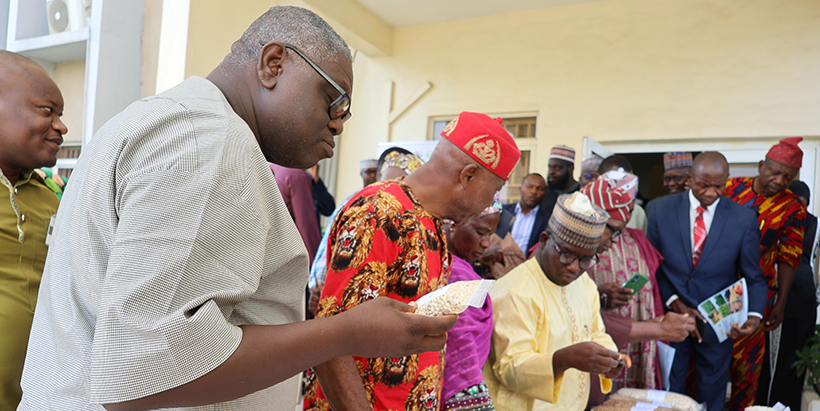
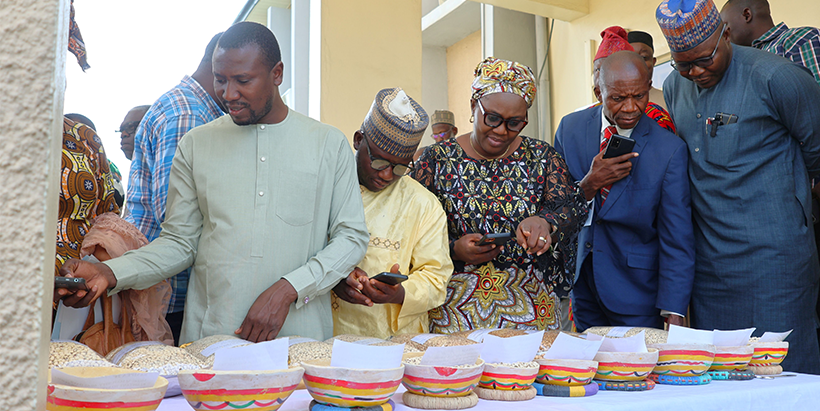
Participants of the Seed Systems Summit observing seed varieties on display during an exhibition tour.

“We want to build a sustainable platform that strengthens collaboration and ensures farmers can access the varieties they truly need,” he said.

Prof. Omoigui emphasized that consumer preferences must increasingly guide varietal dissemination and increase adoption, noting that farmers and consumers are now demanding varieties with specific traits such as faster cooking time, large seed size (brown and white seed coat), improved taste, high yield, drought tolerance, and resistance to pests and diseases.

The Summit participants taking a tour of the seeds on display during an exhibition.

Participants at the summit stressed that improved seed systems remain critical to addressing food insecurity in Nigeria.

Chairman of the Crops Technical Subcommittee of the National Committee on Registration and Release of Crop Varieties, Livestock Breeds and Fisheries, from the Institute for Agricultural Research (IAR) Zaria, Professor Shehu Garki Ado, described the summit as timely and strategic.

“The seed system starts with the registration and release of varieties,” he said. “Nigeria, with its vast resources, should have no business importing food. It should be able to export food.”

He further highlighted the need to formalize agricultural commodity trade and strengthen awareness among stakeholders to improve productivity and national food security.

Breakout discussions during the summit identified several major constraints affecting legume seed systems, including limited seed availability and accessibility, weak coordination between research institutions and seed companies, rising production costs, poor extension coverage, and inadequate market linkages.

Stakeholders also emphasized the importance of involving farmers more actively in varietal development processes to ensure newly developed varieties reflect real production challenges and market demands.

Farmers and seed companies shared practical field experiences with preferred cowpea varieties such as ALKAM SUPER, FUAMPEA 2, and SAMPEA14, citing desirable traits including high yield potential, striga resistance, attractive seed size, minimal spray requirements, and excellent fast-cooking quality.

Ibrahim Muhammad Bello, representing Nagarta Seed Company Limited, Yobe State, observed that some improved varieties performed exceptionally well under heavy Striga infestation while maintaining high yields. Some of these varieties could be further enhanced to benefit farmers.

Stakeholders further advocated for stronger farmer training systems, increased use of local languages and media for awareness creation, improved extension services, and greater inclusion of Agro-dealers and marketers within the seed dissemination ecosystem.

Also speaking at the summit, Nefisa Aminu Idakwoji, CEO of PFGN Agricultural Ventures, Nasarawa State during an interview, highlighted the production challenges currently facing farmers, including climate variability, rising input costs, labor shortages, and poor market returns. She stated that the seed is the foundation of every crop production. “When you have access to a very good variety of seeds, you have solved about 50 percent of the challenges farmers face, including food insecurity and sustainability.”

Participants agreed on the need for stronger public-private partnerships, community-based seed systems, digital information platforms, and market-oriented dissemination strategies to improve the adoption of improved legume varieties across farming communities.

The summit concluded with renewed commitment among stakeholders to strengthen coordination, improve access to quality seed, and promote resilient, market-responsive legume seed systems that support Nigeria’s food security and agricultural transformation goals.

Contributed by Sarah Sallau

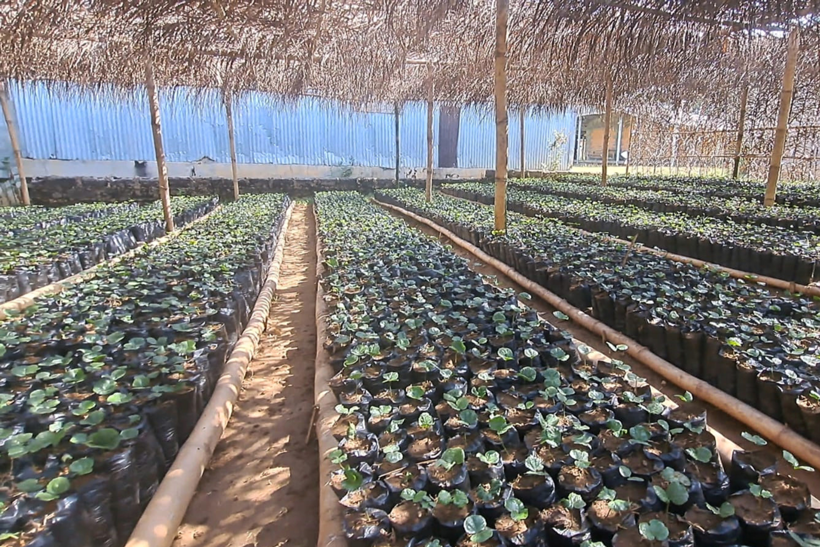
Coffee Germplasm Seedling Garden at CARI developed by the EU-Seeds4Liberia Project (Credit: George A. Harris, AfricaRice -Liberia Station)

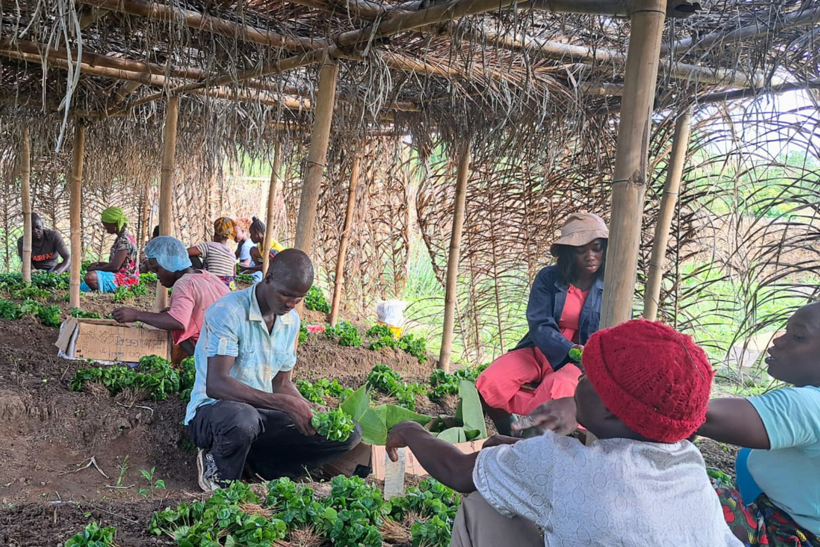
In Liberia, the EU-funded Seeds4Liberia Project is expanding access to high-quality coffee seedlings from research facilities to farming communities through a centralized coffee nursery hub model.

National context

In the pre-war Liberia era, coffee was a high economic crop, especially Liberica coffee, which is unique to the country. The coffee sector in Liberia produced 5 percent of the world’s coffee. However, the 14-year civil war destroyed coffee production systems. Post-war, Liberian farmers relied on informal seed distribution networks to keep their farms alive, facing a high risk of loss from climate adversities including pests and diseases affecting low-yielding varieties and non-availability of good quality planting materials.

As part of the revitalization efforts of Liberia’s coffee sector, the EU-backed project has established four centralized seedling nursery hubs to improve access to high-quality coffee seedlings for producers in Liberia’s central, eastern, and northwestern regions. The model was conceptualized and employed after the distribution of 267,000 coffee seedlings to farmers in 2025.

“The idea of centralizing coffee seedling nursery hubs in project-producing counties came about after one of our monitoring missions to beneficiary communities,” said Dr. Ranjana Bhattacharjee, Project Coffee Lead. “We observed that coffee nurseries established by the farmers in different communities after receiving the seedlings from IITA/CARI were poorly managed, showing the need for a different approach to increase access to high-quality seedlings from research gates.”

Coffee nursery hub established by the EU-funded Seeds4Liberia Project in Montserrado County (Credit: George A. Harris, AfricaRice-Liberia Station)

The International Institute of Tropical Agriculture (IITA), in collaboration with the Ministry of Agriculture (MoA), the Central Agricultural Research Institute (CARI), the Liberia Agricultural Commodity Regulatory Authority (LACRA), and the Seeds Development and Certification Agency (SDCA), worked together to identify ideal locations across the selected regions in Liberia to establish the centralized seedling nursery hubs.

“We partnered with collaborating government institutions like CARI, LACRA, MoA, and SDCA to identify ideal access points for seedling producers and distribution,” said Dr. Ranjana Bhattacharjee. “We were specifically looking at all of the ideal topographic characteristics for establishing the regional centralized coffee seedling nursery hubs.”

IITA, through the EU-funded Seeds4Liberia Project, is expected to transfer 400,000 coffee seedlings across the four centralized nursery hubs in Bong, Lofa Nimba, and Montserrado in 2026. These nursery hubs will act as centralized seedling distribution hubs to benefit coffee-producing farmers from Bomi, Bong, Montserrado, Lofa, and Nimba counties as well as other counties where coffee can be successfully grown. Eventually, they will become business hubs wherein high-quality coffee seedlings will be produced every year and distributed to farmers.

In addition to improving access to high-quality coffee seedlings, the nursery hubs will also serve as centers for capacity strengthening of extension officers as well as farmers through knowledge transfer and improve beneficiary skills on best coffee nursery production practices.

“These nursery hubs are not only access points for high-quality seedlings but are knowledge centers wherein beneficiaries will be trained on best agronomic and management practices,” said Dr. Ranjana Bhattacharjee, Coffee Value Chain Lead, EU-funded Seeds4Liberia Project. “Knowledge transfer will cover topics such as good agronomic practices including proper planting hole sizes, pruning techniques, fertilizer and insecticide application, soil fertility management, and pest and disease control among others,” said Dr. Richard Asare, Senior Scientist in Coffee Value Chain, Seeds4Liberia Project.

IITA is one of the implementing institutions of the EU-funded Seeds4Liberia Project. Under the project, IITA leads cassava, coffee, and soybean value chains, WorldFish leads the fish value chain, while AfricaRice—the project’s lead implementing organization—oversees the rice component. The project is implemented in collaboration with the MoA,), the National Fisheries Authority (NaFAA), LACRA, and SDCA.

Accomplishment so far

Under the EU-funded project, IITA has completed a germplasm collection and diversity study on Liberica, Robusta, and Arabica coffee from across Liberia, established a 2-hectare national coffee gene bank and a 1-hectare Liberica mother garden at CARI, and developed pre-germination nurseries with 400,000 seedlings for distribution in 2026 through the four established centralized seedling nursery hubs, along with a conventional growth chamber for stem-cuttings for transplanting in the mother garden plot. So far, coffee has been transplanted in 135 hectares of farmers’ fields by 362 farmers, while training has been provided to about 30 extension workers, farmer leaders, and college interns in 2025 covering topics such as good agronomic practices in coffee, climate-smart coffee, and agroforestry systems.

As Liberia embarks on revamping its seed systems, including coffee, to diversify its economy, the EU-funded Seeds4Liberia Project is helping catalyze? national development frameworks such as the NADP.

Contributed by: George A. Harris, Communication Officer,
AfricaRice-Liberia Station/EU-funded Seeds4Liberia Project


DISCLAIMER: THE SEEDS4LIBERIA PROJECT IS FUNDED BY THE EUROPEAN UNION. ITS CONTENTS ARE THE SOLE RESPONSIBILITY OF THE AUTHOR AND IMPLEMENTING INSTITUTION(S) OF THE PROJECT AND DO NOT NECESSARILY REFLECT THE VIEWS OF THE EUROPEAN UNION.

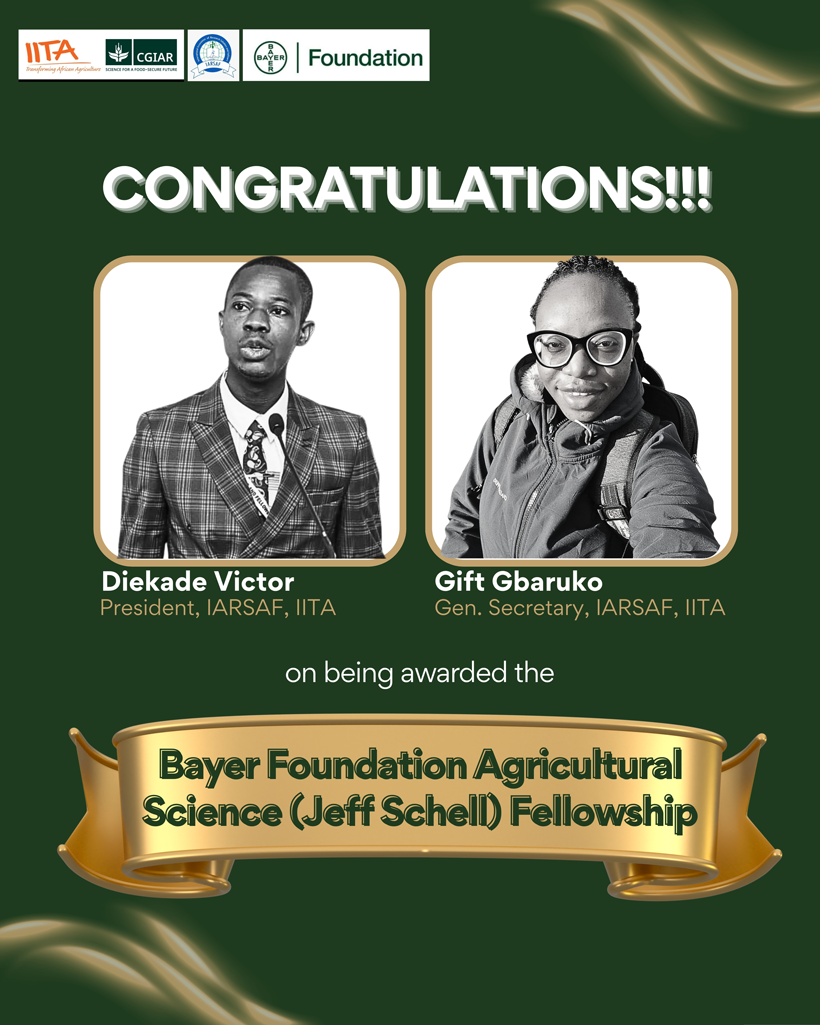
Two members of the International Association of Research Scholars and Fellows (IARSAF) have been selected as recipients of the 2025 Bayer Foundation Scientific Fellowship under the Jeff Schell Fellowship for Agricultural Science.

The fellowship will give the recipients, Victor Adelodun Diekade, IARSAF President, and Gift Chinonye Gbaruko, IARSAF General Secretary, the opportunity to increase the impact of their research while building a network that will support their research career.

Awarded by the Bayer Foundation, the fellowship is a globally recognized program that supports early-career researchers committed to developing innovative solutions in agricultural science. It highlights excellence in research and the potential of young scientists to contribute to sustainable agricultural development worldwide.

The selection of IARSAF’s members reflects the association’s outstanding contributions to agricultural research, scientific leadership, and dedication to advancing knowledge that addresses pressing challenges in food security and sustainable agriculture.

The awardees’ selection also demonstrates the importance of nurturing emerging scientific talent and fostering international collaboration in agricultural research.

Contributed by Ayooluwa Samuel Ayoola

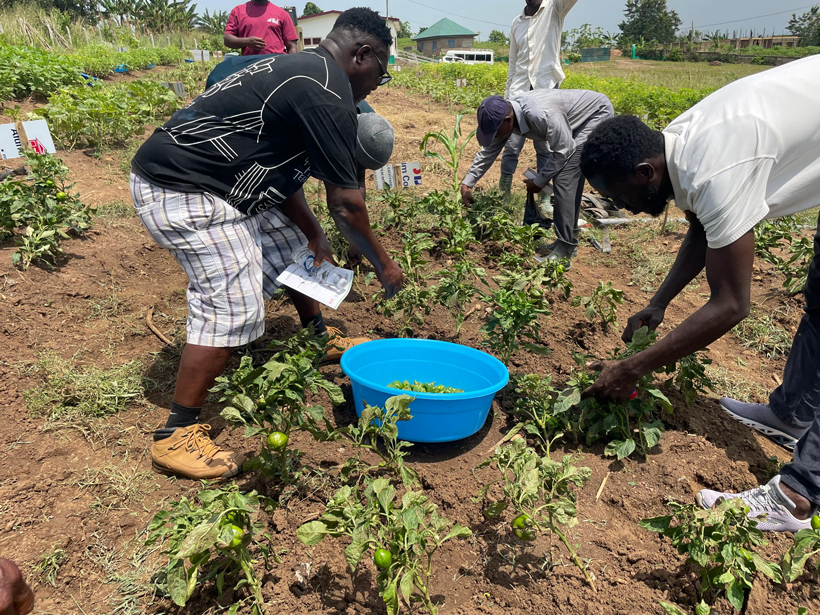
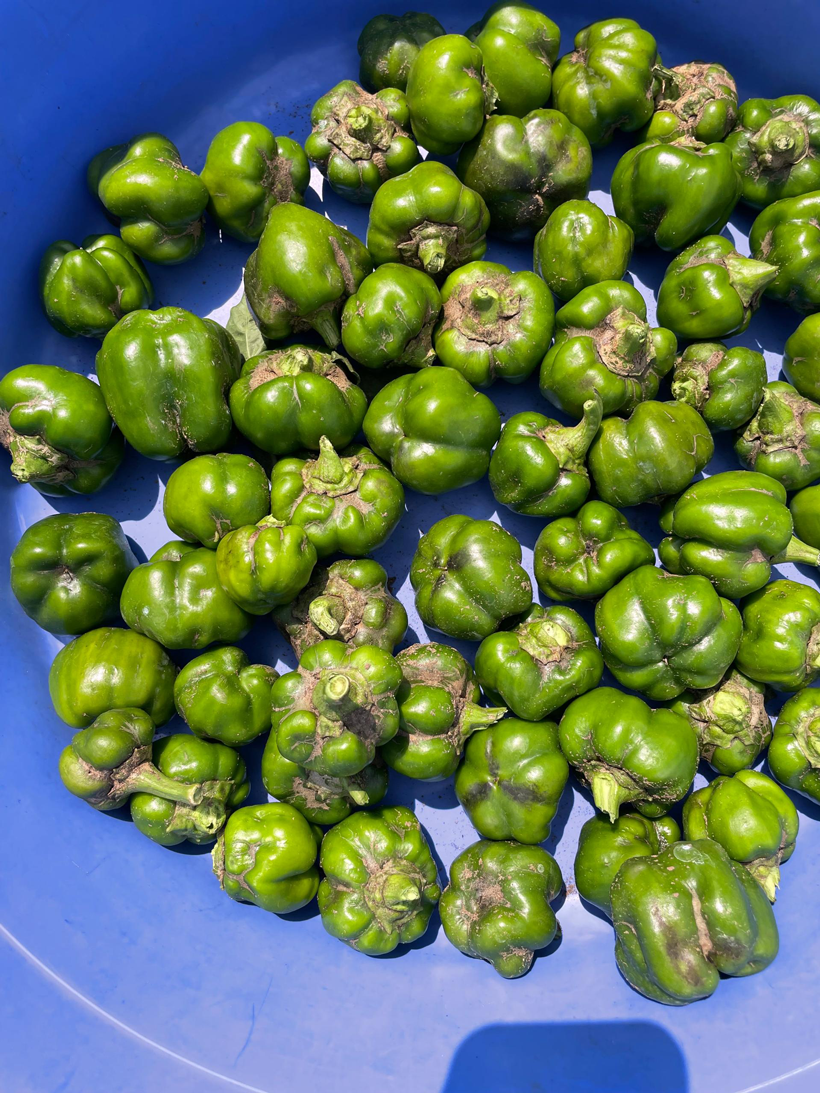
Vegetable farmers harvesting sweet pepper from the demonstration.

The IITA-led BBEST project in Ghana, in collaboration with BNARI, recently hosted farmer groups from Kawukudi (Ayawaso East municipality), Evandy (Ayawaso West Wuogon municipality), and GAEC (Ga East Municipality) at its vegetable demonstration field in Kofisah, Nsawam. This event aimed to promote the adoption and use of the black soldier fly frass (BSFF), a by-product of BSF technology, among smallholder vegetable farmers.

About 20 farmers and extension agents from different parts of Accra were introduced to BSF frass. During this informative session, the facilitators highlighted the advantages of using frass, a nutrient-rich organic fertilizer, produced in an environmentally friendly manner. It contains nitrogen, phosphorus, potassium, and beneficial microorganisms that improve yield and strengthen soil health. These positions BSF frass as an alternative organic fertilizer for growing vegetables.

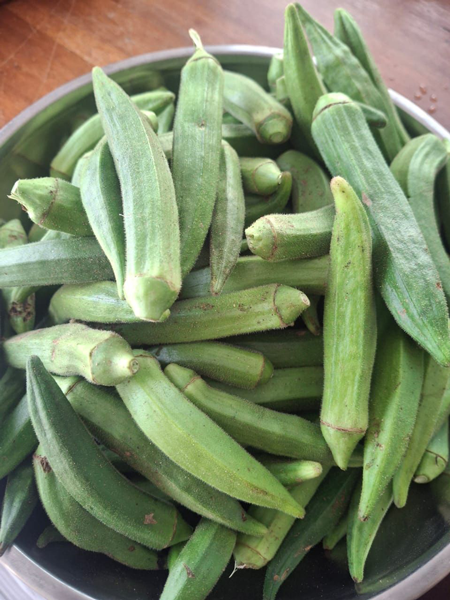
Okra harvested from the demonstration field.

The facilitators provided farmers with insights into applying BSF frass and combining it with inorganic fertilizer to achieve good yields. They highlighted the effects of frass on vegetable growth. Farmers observed the effects of the frass and its combination with other inorganic fertilizers on the vegetables cultivated, namely: Okra, African eggplant, Amaranthus, and sweet pepper.

They shared their perspectives on yields and recognized the importance of integrated soil fertility management for yield increases and long-term crop cultivation.

One of the farmers who used the frass told us, “The application of the BSF frass helped in controlling weeds in his farm. He stated that he obtains more yield using the BSF frass”.

The farmers visited the BSF larvae facility to observe BSF larvae production, another product from the BSF technology, rich in protein and used in poultry, aquaculture, and pig production.

They expressed their appreciation to the IITA and the BNARI team for introducing them to the BSF products and showed interest in purchasing BSF frass. Others expressed a desire to be trained to produce BSF larvae and frass.

The BSF larvae and frass are both certified products in Ghana by the Ghana Standards Authority (GSA) and the Plant Protection and Regulatory Service Directorate (PPRSD) under the Ministry of Food and Agriculture (MoFA).

The BBEST is an IITA-led initiative funded by Norway through the Norwegian Agency for Development Cooperation (Norad) and implemented in Ghana, Mali, Niger, and DRC, with the overall goal to improve the livelihoods of smallholder chicken, fish, pig, and vegetable producers and other value chain actors and contribute to improved urban sanitation and climate change mitigation.

Contributed by Francisca Ocloo

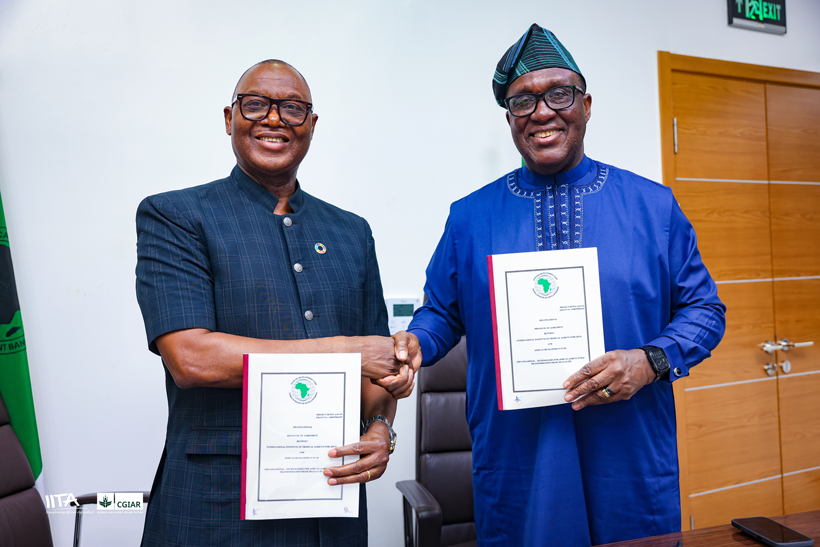
The African Development Bank (AfDB) has approved the commencement of Phase III of the Technologies for African Agricultural Transformation (TAAT) program. The Bank Group’s Board of Directors on 14 January 2026 approved the release of an additional US$16 million to implement the third phase of the program.

This approval, which comes as an added boost to the program, underscores the Bank’s core commitment to addressing the critical challenges hindering African agriculture, notably low productivity stemming from limited access to modern technologies, inadequate infrastructure, and insufficient investment in climate-resilient practices. The Bank further contends that the urgency driving this approval is amplified by the ongoing Russia-Ukraine conflict, which has disrupted global supply chains and driven up the prices of essential inputs, such as seeds and fertilizers.

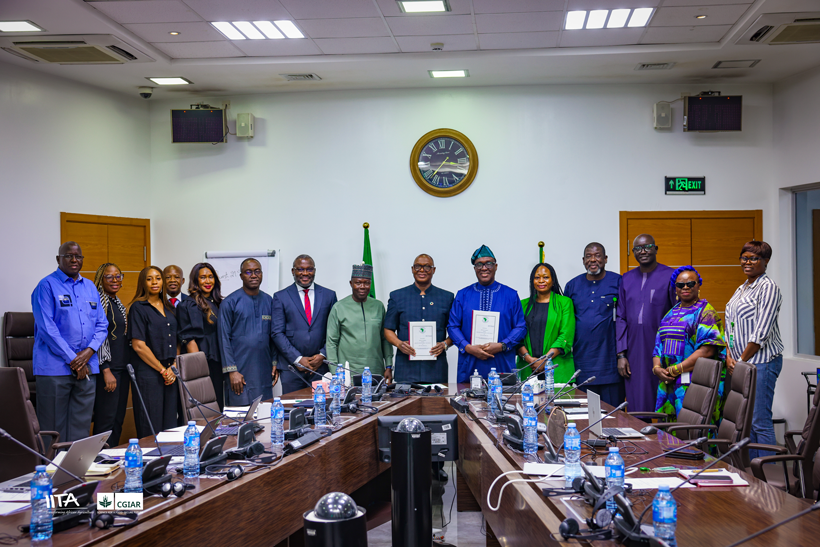
At the 18 February 2026 signing of the protocol of agreement between the Bank and the International Institute of Tropical Agriculture (IITA)—the executing agency for TAAT,  the Bank lauded the giant strides recorded under the first and second phases of TAAT which have galvanized engagements that influenced a total of US$3.18 billion in agricultural investments—US$857.5 million through the African Emergency Food Production Facility (AEFPF) large-scale operations and US$2.31 billion through non-AEFPF projects.

Speaking at the ceremony, the Bank’s Director for Nigeria, Dr. Abdul Kamara, said:
“TAAT III reflects the Bank’s commitment to ensuring that proven, climate‑resilient technologies reach farmers faster and at scale. This new phase strengthens the systems that deliver innovation, helping countries boost productivity, enhance resilience, and align agricultural transformation efforts with the Bank’s Four Cardinal Points.”

Dr Martin Fregene, the Officer in Charge of the Bank’s Vice Presidency for Agriculture, Human and Social Development, affirmed that TAAT I and TAAT II have laid the foundational groundwork to address the challenges facing African agriculture by vetting technologies, accelerating the adoption and scaling of proven agricultural technologies, promoting climate-resilient agricultural practices, building capacities within the farming’ and seed ecosystem, and developing e-platforms to facilitate access to technologies, primarily for smallholder farmers.

“Through technical assistance and collaboration with Regional Member Countries (RMCs) of the Bank and development partners, TAAT has supported the integration of 238 technology use cases into 46 countries and regional investment projects spanning 31 countries,” Dr Fregene said.

“The Bank is well positioned to harness the power of science, knowledge, and innovation needed to catalyze Africa’s agricultural transformation through this investment. The Bank already has extensive experience in agricultural development assistance in Africa, and this additional funding will help us to consolidate the achievements of TAATs I and II,” Dr Abdul Kamara, the Bank’s Director General for Nigeria, added.

The IITA Director General and CGIAR’s Regional Director for Continental Africa, Dr Simeon Ehui, in his remarks at the signing ceremony, commended the Bank’s commitment to transforming African agriculture through its Feed Africa strategy as well as the trust placed in the CGIAR-driven consortium of agricultural research institutions led by IITA to implement the goal of transforming African agriculture and ensuring food and nutritional security.

Dr Ehui assured the Bank of TAAT’s unwavering commitment to deepening its pathway of providing technical assistance, strengthening seed systems, disseminating climate-smart and high-yielding crop varieties, promoting post-harvest and mechanisation innovations, providing knowledge and ensuring learning and uptake of innovations, and supporting policy and digital solutions to enhance agricultural productivity and resilience across Africa.

“These efforts,” according to Dr Ehui, “have led to productivity increases of up to 69% across targeted crops, reaching over 25 million farmers. Additionally, under the implementation of the AEFPF, TAAT has provided technical assistance to RMCs, including technical specifications for the supply and quality assurance of certified seeds. This assistance has enabled the distribution of 476,747.96 metric tons of improved, climate-resilient seeds to 14.437 million smallholder farmers.”

“This third phase of the program will achieve sustainability through the institutionalization of the TAAT model within CGIAR and fostering regional cooperation among Regional Economic Communities (RECs) and private sector actors, supporting the Dakar 2 vision of achieving food sovereignty, increased productivity, and resilient food systems across Africa and contributing directly to the Sustainable Development Goals 1, 2, 13, & 15 (No Poverty; Zero Hunger; Climate Action; and Life on Land), and the African Union’s Agenda 2063 vision for a prosperous Africa based on inclusive growth and sustainable development,” Dr Ehui added.

The Bank affirms that TAAT III’s objective is to consolidate and scale TAAT I and II achievements, while strengthening their operational and financial sustainability. TAAT III will strengthen the regional technology delivery infrastructure by supporting National Agricultural Research Systems (NARS) and private seed companies to sustainably increase the production and availability of early-generation (EGS) and certified high-yielding, climate-resilient seeds, respectively.

The third phase of the program will equally promote the digitalization of TAAT-vetted technologies and the development of information and communication technology (ICT) platforms and other digital solutions to facilitate the deployment and accessibility of appropriate agricultural technologies, E-extension, and advisory services. To further scale TAAT technology deployment, TAAT III will support the development of the Regional Technology Market, enhancing technology deployment and accessibility across borders.

TAAT, in this third phase, will deploy its extensive partnership ecosystem to drive capacity-building initiatives for agricultural extensionists (Training of Trainers, ToT) and farmers, enhancing smallholder farmers’ awareness, access, and adoption of agricultural technologies and e-advisory services. To catalyze the financial sustainability of the TAAT technology delivery ecosystem, TAAT III will provide technical assistance to RMCs to attract private-sector investment and mainstream TAAT-vetted technologies into national and large-scale agricultural investment projects.

To enhance farmer resilience, TAAT III will build the capacities of meteorological institutions and frontline extension workers to collect, analyze, and disseminate climate data to improve weather forecasts and early warning systems, and expand the integration of weather forecasts into the planning of agricultural activities at the smallholder farmer level.

With the signing of the TAAT Phase III grant agreement, the African Development Bank envisions a continent accelerating agricultural transformation for food systems resilience through strengthened regional technology delivery infrastructure; increased productivity through scaling up climate-resilient and nutrition-sensitive technologies and reinforced, efficient production and distribution systems for improved seeds and fertilizers; enhanced farmers’ capacity and learning, and resilience to climate change; and advanced adoption of innovative digital solutions and enhanced market integration and regional trade competitiveness through strategic private sector participation.


About the African Development Bank Group

The African Development Bank Group (AfDB) is Africa’s premier development finance institution. It comprises three distinct entities: the African Development Bank (AfDB), the African Development Fund (ADF) and the Nigeria Trust Fund (NTF). On the ground in 44 African countries with an external office in Japan, the AfDB contributes to the economic development and the social progress of its 54 regional member states.

About IITA

The International Institute of Tropical Agriculture (IITA) is a non-profit research-for-development organization that works across Africa to improve food security, increase agricultural productivity, create employment and wealth, and enhance the resilience of natural resources. Founded in 1967 and headquartered in Ibadan, Nigeria, IITA is a member of CGIAR, the global research partnership for a food-secure future. Through research, partnerships, and innovations, IITA addresses the challenges of hunger, malnutrition, poverty, and natural resource degradation, contributing to achieving the United Nations Sustainable Development Goals (SDGs).

About TAAT

Established in 2018 as a key flagship program of the Bank’s Feed Africa strategy, TAAT is a continent-wide initiative designed to boost agricultural productivity by rapidly delivering proven technologies to millions of farmers. Implemented by IITA and a host of other CGIAR centers and Technical Institutions, TAAT facilitates food systems transformation in Africa by providing access to path-breaking agricultural innovations, policy harmonization, and robust seed systems. TAAT seeks to double crop, livestock, and fish productivity by expanding access to productivity-increasing technologies to more than 40 million smallholder farmers across Africa and generate an additional 120 million metric tons.


Contacts:

AfDB: Nkiruka-Henrietta Ugoh
n.ugoh@afdb.org

TAAT: Atayi Opaluwah
A.Opaluwah@cgiar.org

IITA: Katherine Lopez
K.Lopez@cgiar.org

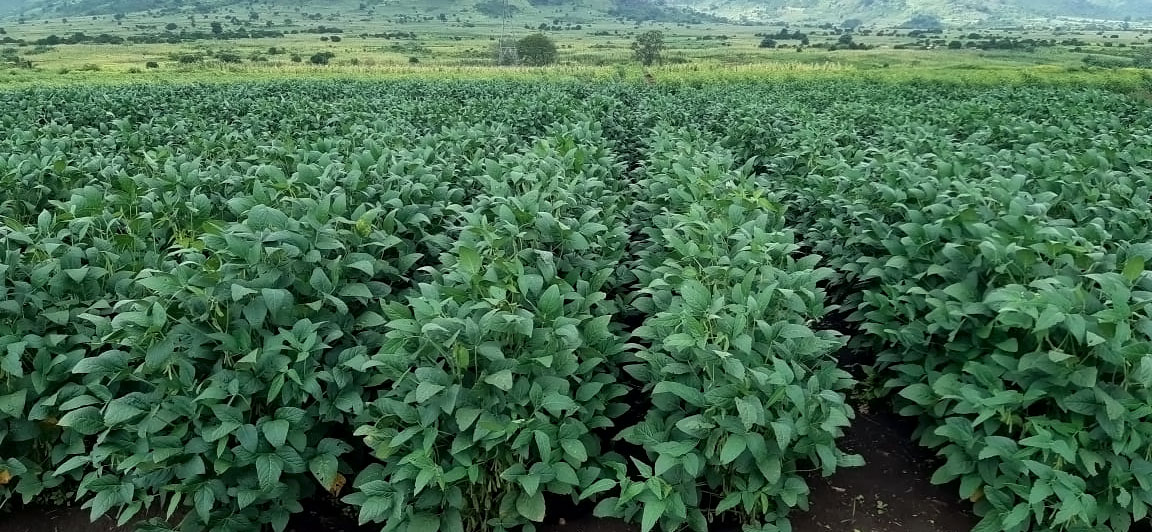
Soybean variety trial field

In a major development following years of research efforts and collaborating with national systems and partners in Mozambique, IITACGIAR, in partnership with the Agricultural Research Institute of Mozambique (IIAM) and the Soybean Innovation Lab, released five climate-resilient soybean varieties in Mozambique in December 2025.

The new varieties, named Bela, Malonda, Ovilela, Ulimi, and 10E, were tested in four provinces in the central and northern regions of the country, namely Niassa, Manica, Tete, and Zambézia, where soybean production predominates for four seasons.

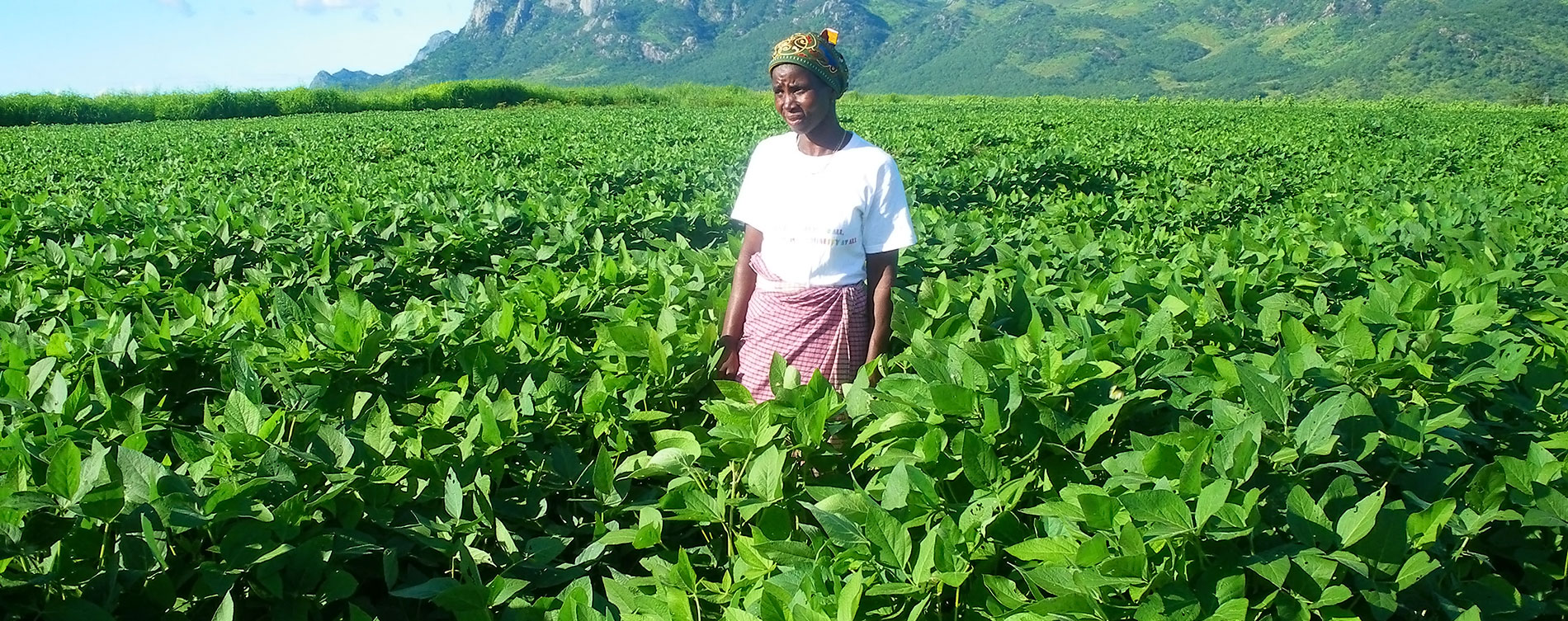
Soybean seed multiplication field in Gurue district, Zambezia province.

According to the IITA Mozambique Country Representative, Dr Steve Boahen, the research initiative stemmed from the need to replace existing old varieties, which are vulnerable to diseases such as soybean rust. The new varieties are more drought- and disease-resistant, have higher protein and oil contents, and yield 3.1–4.3 tons/ha, whereas the old varieties yield up to 2.8 tons/ha. They also have larger seed sizes, which are attractive to some farmers.

“These varieties also have short maturity duration, allowing for better adaptation to climate change since the rainy seasons have become shorter than usual. They provide options for farmers who plant late due to the late onset of rains or for other reasons, since they are early-maturing and can fit within the shortened season. With this innovation, producers can choose early, medium, or late duration soybean to optimize farm productivity,” said Dr Boahen.

As next steps, IITA-CGIAR will work with the country’s government agencies and partners to begin disseminating the varieties by producing basic seed for seed companies and community-based seed producers, who will then multiply and distribute certified seed to soybean producers.

By facilitating access to improved-quality seed adapted to climate change for producers in Mozambique; while simultaneously transferring enhanced knowledge of agricultural production techniques, IITA-CGIAR thus strengthens its role in improving productivity, income generation, and food security.

“We are here to support IIAM and the agriculture sector. We are here to improve productivity for producers and improve food security and income. And if we want that to happen, the first step is to improve the varieties and seeds, and then improve agricultural practices, the best way to produce the crops,” added Dr Boahen.

The soybean breeding team in IITA Zambia, provided 40 soybean lines to the Mozambique team, from which five were selected after the requisite trials for release.

IITA-CGIAR, in partnership with IIAM, has played a crucial role in the research, development, release, and dissemination of seed varieties such as soybean, cowpea, and sesame, which form an important basis for agricultural production in the country.

In 2011, IITA and IIAM released 5 soybean varieties, the first batch of soybean varieties ever released in the country.

Soybeans in Mozambique are an important agricultural product because they provide a good source of income for smallholder farmers. Due to its high nutritional value, it is used for food, animal feed (mainly poultry), and as an industrial raw material.

This milestone marks a major step in translating years of dedicated research into real impact for farmers. These improved, climate-resilient soybean varieties reaching farmers’ fields, will enhance productivity, strengthen resilience, and create new opportunities for income generation.

The research efforts and collaboration between the IITA Mozambique and IITA Zambia, and partners demonstrates the importance of teamwork, commitment, and partnership in delivering innovations that transform agriculture and livelihoods across Mozambique and the region.

Contributed by Safira Chirindza

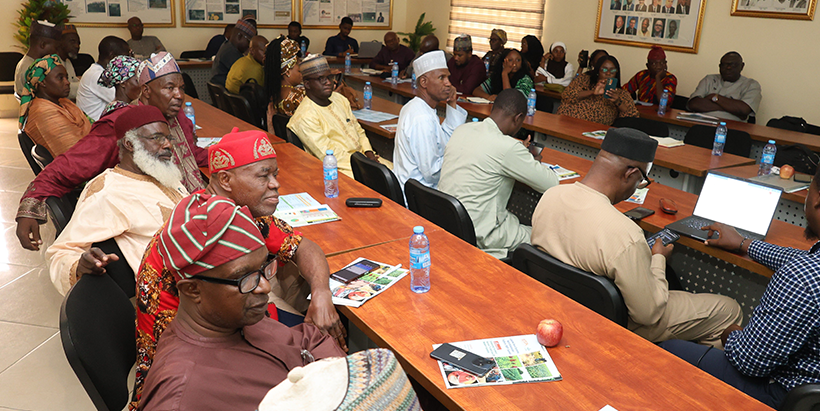
IITA and UI representatives discussing ways to strengthening collaboration between the two institutions.

On 6 February, the Vice Chancellor of the University of Ibadan (UI), Professor Kayode Oyebode Adebowale, led a delegation to IITA’s Headquarters for a strategic engagement to strengthen collaboration between the two institutions. The visit built on their long-standing relationship and focused on exploring structured partnerships that could enhance research delivery, capacity development, and development impact.

Welcoming the delegation, IITA Director General, Dr Simeon Ehui, described the partnership between IITA and UI as both historic and special. He noted that IITA-CGIAR is privileged to work closely with Nigerian universities and training institutions, emphasizing that the timing of the visit was particularly significant.

The IITA team with the UI delegation.

According to him, stronger coordination in research and development is critical to addressing major challenges such as food insecurity and youth unemployment, which continue to affect Nigeria and the wider African continent.

Dr Ehui stressed the importance of aligning academic research with development delivery, noting that effective partnerships between universities and research institutes are essential for translating scientific innovations into practical solutions for farmers and communities. “IITA is proud to be part of the ecosystem that promotes research and delivery,” he said.

The Deputy Director General, Partnerships for Delivery, Tahirou Abdoulaye, provided an overview of IITA’s value propositions and strategic focus. He explained that IITA operates within a network of 30 CGIAR centers and is committed to developing solutions that improve efficiency across agricultural value chains. He highlighted Nutrition and Health, alongside Climate Adaptation, as two major thematic areas guiding IITA’s research and development agenda.

In his remarks, Professor Adebowale expressed pride that nearly 75 percent of the participants at the meeting were alumni of the University of Ibadan, reflecting the strong institutional linkages between UI and IITA. He commended IITA for its far-reaching impact across Africa and noted that the presence of more institutions with similar mandates would significantly deepen grassroots engagement and accelerate agricultural transformation.

To further strengthen collaboration, the Vice Chancellor proposed three strategic pillars: integrating research and postgraduate training; institutional capacity-building; and infrastructure sharing, and the commercialization of research outputs with a strong focus on community impact. He emphasized that structured partnerships in these areas would create mutual benefits and enhance the relevance of academic research to societal needs. “UI is ready, willing, and eager to be IITA’s dynamic partner. Let us write the next chapter together for agricultural transformation,” he added.

Responding to the proposals, Dr Ehui welcomed the suggested pillars and underscored the need to formalize and deepen collaboration between both institutions. He also proposed extending the partnership to include collaboration between the Communication Offices of UI and IITA to improve visibility and showcase joint research achievements and development outcomes.

The visit concluded with a shared commitment to advancing a more coordinated and impactful partnership that leverages the strengths of both institutions to drive agricultural innovation and sustainable development in Africa.

Contributed by Ochuwa Favour Daramola
ACSAM delegates with IITA youth participants and staff during the field visit. (Photo credit: FAO).

When over 100 delegates from the Africa Conference on Sustainable Agricultural Mechanization (ACSAM) visited the IITACGIAR Youth Incubation Centre on 6 February in Dar es Salaam, they witnessed a demonstration of a model that turned four days of conference deliberations into a tangible reality. The key takeaways endorsed by 400 stakeholders were not merely theoretical ideals; they were already operational, scalable, and transforming lives in Tanzania.

“What you are doing truly reflects the discussions we have had over the past three days,” said Mark Fynn, Policy Officer at the UN Food and Agriculture Organization (FAO). “We sincerely thank IITA for hosting us and demonstrating that these discussions are not just theoretical but are being actively implemented on the ground. We are excited to witness this in action.”

IITA youth beneficiary demonstrates a bio-fertilizer product developed through the program's training and mentorship. (Photo credit: FAO).
IITA youth beneficiary demonstrates a bio-fertilizer product developed through the program’s training and mentorship. (Photo credit: FAO).

The four-day gathering, organized by FAO from 3-6 February 2026, brought together approximately 400 participants, including representatives of farming communities, mechanization practitioners, researchers, development partners, government officials, extension officers, civil society organizations, thought leaders, and private-sector actors. The conference explored new pathways for sustainable agricultural mechanization and produced several recommendations. Remarkably, the IITA Youth Incubation Centre is already implementing many of them.

In line with the conference theme of enhancing investment and financing, the Center presented its partnerships-driven model involving municipal councils, financial institutions, and the various Foundations. Through these collaborations, youth gain access to soft loans at 10% interest, financed by municipal internal revenue. To date, the Center has supported 16 youth and women’s groups, each comprising an average of 5 members, totaling approximately USD 7,200 per group. These funds have enabled enterprises in poultry production, cassava value addition, organic fertilizer production, maize milling, fruit and vegetable farming, and financial literacy services.

Advancing service-based mechanization business models, program graduates now operate youth-led farming enterprises, mechanized agro-processing ventures, and agribusiness start-ups. Many have transitioned into self-employment as professional service providers or cooperative members, creating jobs and strengthening local value chains.

Responding to the conference’s call for African solutions to African challenges and for stronger mechanization ecosystems, IITA showcased its two-decade partnership with Intermech Engineering Limited (IEL), a Tanzania-based company that manufactures agricultural implements and agro- and food-processing machinery tailored to local conditions.

What began as an initiative to adapt cassava processing equipment has evolved into a national and regional hub for postharvest and processing technologies, serving farming communities across the region.

“At IITA-CGIAR, we recognize that mechanization only works when it fits the local context,” said Dr Frederick Baijukya, IITA Country Representative for Tanzania. “Our approach goes beyond importing technologies. We collaborate closely with local artisans, engineers, and the private sector partners to co-create, co-engineer, and adapt machinery that is functional, maintainable, and sustainably adopted by farmers and agribusiness.”

While opportunities remain to further strengthen the model, the Center’s impact underscores its potential for replication across the continent. Since its establishment, it has trained and supported more than 10,000 youth and women farmers in Dar es Salaam, Newala, Mafinga, Dodoma, and Singida through hands-on practical knowledge transfer and technology adoption.

For delegates from across Africa, the Center offered more than inspiration; it presented a blueprint. The model demonstrates that sustainable agricultural mechanization depends on adapting proven approaches to local contexts, expanding youth access to finance and technology, and building partnerships that reinforce local capacity and long-term resilience.

Contributed by Gloriana Ndibalema and Hadi Rashid