In Kenya, potatoes (Solanum tuberosum), is the second most important staple food crop after maize, and a cornerstone of global food security. It is under threat from root-knot nematodes (Meloidogyne spp.), microscopic soil-borne pests, which can severely impact potato yields. This compounds food security in a region where potatoes provide sustenance and livelihoods for millions of people.
To address this, a groundbreaking study offers hope, in the form of a biodegradable innovation—banana fibre paper.
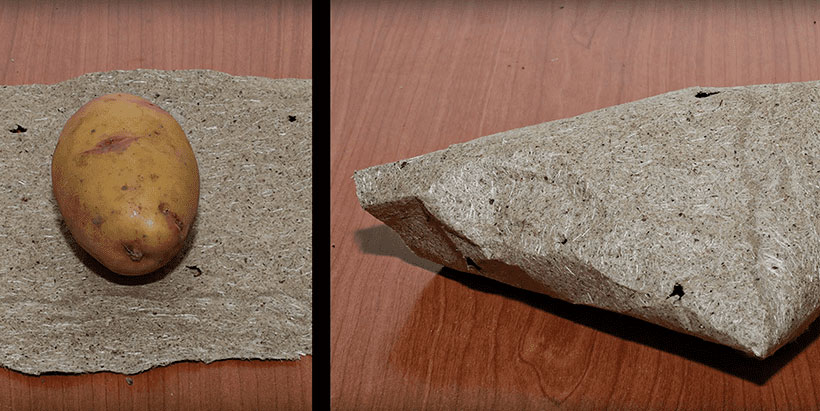
The study, an evaluation of the effectiveness of a lignocellulose fibre matrix – banana paper – for the management of root-knot nematodes on potatoes entitled: “Efficacy of banana fiber paper for the management of the root-knot nematode, Meloidogyne incognita, on potato (Solanum tuberosum) in Kenya”, was carried out in pot and field trials over two consecutive cropping seasons.
During the study, seed potatoes were wrapped in banana paper either impregnated with the nematicide abamectin or soaked with a biologically based nematicide – Trichoderma asperellum (Real Trichoderma®).
This led to the suppression of root-knot nematode densities by up to 87% in the field, and up to 86% in pots, resulting in over 3-fold yield increases in the field.
This novel technology, first developed at North Carolina State University, USA, where it is referred to as ‘Wrap & Plant’, presents a practical option for nematode management in potato under the resource-limited conditions in sub-Saharan Africa. It also offers potential for the targeted management of other soil-borne diseases.
Kenya’s potato productivity lags significantly behind its potential. With pests, such as root-knot nematodes, combined with limited access to sustainable pest control options, researchers are developing solutions that can address major contributors to this decline.
Using banana fibre paper impregnated with chemical or biological nematicides, researchers at NemAfrica, the joint IITA–CGIAR and International Centre of Insect Physiology and Ecology (icipe) nematology and soil health research lab based at icipe in Kenya, are testing its impact as a sustainable pest control technique together with many other partners. By enclosing potato seed tubers within banana fibre paper, which gradually releases nematicides as it deteriorates in the soil, remarkable improvements in crop protection and yield can be experienced. The unique lignocellulose matrix of banana fibre enables the application of much lower pesticide dosages, by up to 500 times compared to recommended rates, cutting costs and environmental risks. Additionally, the biologically based Trichoderma option provides for a much more environmentally sustainable alternative to synthetic chemicals. By addressing both crop productivity and environmental concerns, this research breakthrough offers a scalable, sustainable path to agricultural resilience. The innovation could revolutionize pest management in resource-limited regions for more than just potatoes, providing a multipurpose crop protection tool. On going research is also refining the method into a more user-friendly pouch system for large-scale adoption. It offers a practical, cost-effective, and environmentally friendly tool, addressing food security and increasing income for smallholder farmers in resource-limited settings.
Contributed by ’Timilehin Osunde and Danny Coyne
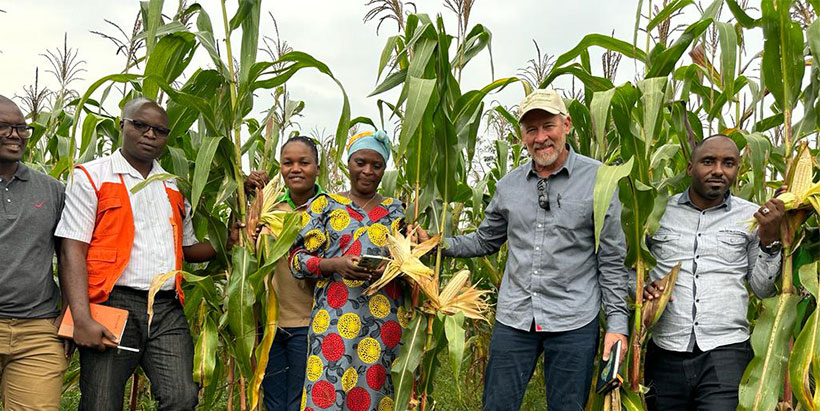
January 2024: Excellent performance of ‘bazooka’ hybrid maize variety performance in a farmer’s field in Kirundo District, Burundi. World Vision International Burundi, SSG, and ISABU were on the ground to assess the results.
Lack of quality seeds and difficulties getting essential agricultural inputs have been significant challenges for farmers across Burundi. The IITA–CGIAR led AID-I GLR project – known as the Kugwiza Project in Burundi – is addressing this critical need by not only equipping farmers with the knowledge to acquire high-quality seeds but also forging strong connections between farmers and local input suppliers so that quality seeds are available to farmers.
Consistent access to high-quality seeds and related inputs improves both productivity and profitability. By facilitating partnerships with local input suppliers, the project has created a reliable network to enhance timely access to essential agricultural inputs, going beyond quality seeds to cover other essential inputs such as fertilizer and lime.
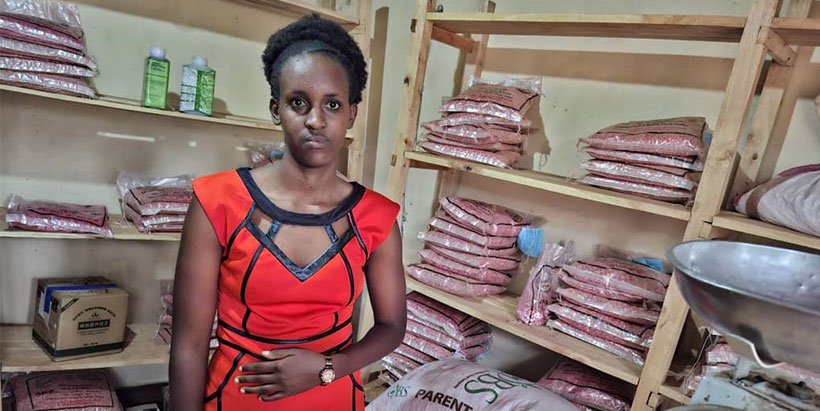
In Kayanza Province, World Vision Burundi leads a consortium of scaling partners whose goal is to empower small-scale farmers through good agronomic practices and better crop varieties. Triphonie Hakizimana is one such farmer. At 43 and a mother of four, her livelihood has been positively transformed by the project.
World Vision Burundi has trained farmers on good agricultural practices to improve smallholder farming and livelihoods, including field preparation, fertilization with organic and mineral manure, line sowing, weeding, disease control, and seed preservation. This was coupled with access to certified, clean, high-yield seeds for common food crops such as beans, hybrid maize (bazooka), orange-fleshed sweet potatoes, livestock-improvement practices, and advisory services, including brochures explaining the inputs.
“This knowledge has been very beneficial because, in the past, we planted using disorganized methods,” says Triphonie.
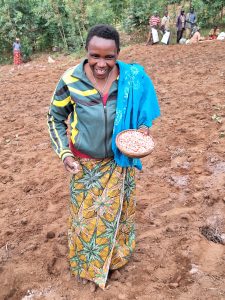
Triphonie initially thought the 100-gram pack of bazooka hybrid maize seeds was a joke. But she couldn’t believe her eyes after the harvest—the yield had increased significantly. She went to an agro-dealer and bought more seeds (eight kilos) to plant on a larger plot for the next season.
She lives in Muhanga Commune, Kayanza Province, where families typically rely on farming and livestock-keeping as their economic mainstays. Initially skeptical when the project distributed only a small pack of hybrid maize seeds, she quickly recognized the benefits of certified, high-yielding seeds and the improved farming techniques accompanying the dissemination of the small-pack approach.
“When I received the 100 grams of seeds, I thought it was a joke. But after the harvest, I was truly surprised. It was a learning experience because I planted these seeds near my old plots and prepared both fields similarly, yet the yields were completely different,” Triphonie said.
The impact was significant in just one season (2024 A, October 2023–January 2024). The 100-gram seeds of bazooka hybrid maize on a 5 x 10-meter plot yielded 23 kilos, a marked difference from her previous yields of less than 150 kilos from a 50 x 50-meter plot. Her initial surprise blossomed into confidence as she observed the crop’s lush growth and climate resilience, withstanding disease and wind.
“Everyone who passed by my field asked questions about the plot planted with certified seeds,” she proudly recalls. “We are asking the Kugwiza Project to make more seeds available, as there will be high demand but not enough supply from the seed multipliers,” she cautions.
For the following cropping season, 2025 A (October 2024–January 2025), and inspired by her positive small-pack experience, Triphonie confidently purchased about eight kilos from an agro-dealer to plant on a larger 50 x 50-meter plot.
“We purchased the seeds from a seed shop in our commune,” Triphonie added.
To streamline, standardize, and systematize the availability of high-quality certified seeds and other inputs for smallholder farmers, the Kugwiza Project collaborated with agro-dealers. The project strengthened the capacity of the agro-dealers by connecting them with seed companies to ensure a steadfast and stable seed supply.
The connections have caught and now have traction. A local hybrid maize seed entrepreneur, Yvette Akimana, has seen a sharp rise in demand for certified and clean maize seeds, which not only yield more but also resist diseases and adverse climate effects.
An agro-dealer since 2022, Yvette notes that “before the Kugwiza Project, seed demand was low. Now, farmers know the value of high-quality hybrid maize seeds, and our sales have grown season after season.”
Her efforts have steadily increased the bazooka seed supply and corresponding acreage. With growing interest from local farmers, she’s expanding her stock to meet demand. Efforts like hers significantly contribute to improving the country’s agriculture and seed systems. These steadfast and expanding agro-dealer promote-and-supply efforts of hybrid maize seed, and the need-driven demonstrable farmer interest are both reflected in the quantities sold countrywide in three consecutive years (2022–2024) and seasons standing at 1.5, 3.2, and 5.6 tons, respectively.
For the upcoming 2025 A cropping season, farmers nationwide have already pre-ordered 8.6 tons of hybrid maize seeds, outstripping supply, “The quantities imported from NASECO were insufficient to meet the demand,” observed Yvette, the agro-dealer.
According to NASECO, demand has more than doubled this year, rising from 156 tons in 2023 to 377 tons in 2024. Yields increased from less than one ton per hectare to more than four tons in Burundi.
Currently, Burundi’s seed system still heavily relies on seed import, leaving supply and affordability susceptible to external forces. For example, Yvette imports seeds from Uganda’s NASECO company.
But the seed-supply future is promising. Local seed multipliers like Larissa Igiraneza are key in supplying high-quality seeds locally. Based in Muyinga, Larissa has worked with Institut des Sciences Agronomiques du Burundi (ISABU) since 2014 to produce certified seeds. With the Kugwiza Project’s support, she has doubled her fields to keep pace with local demand, recognizing that “certified seeds are strong, productive, and resistant.” Kugwiza has amplified her capacity through training and the small-pack approach, fostering the adoption of improved seed and agricultural growth in the community.
Larissa Igiraneza said;
“I will build greenhouses as soon as I get the bags to cover the nursery. Currently, I cannot meet the demand, so I am working to increase the harvest by cultivating on a larger scale. After the project explained to the community the importance of consuming orange-fleshed sweet potatoes, for example, and with the emergence of processing units that produce various products from sweet potatoes such asbread, chapatis, and cakes, many farmers are now requesting them. As a result, I had to expand my fields and have already purchased two hectares on another hill.
I have also already opened stores for certified seeds – especially hybrid maize and beans – in Gashoho and Gasorwe. There are model farmers [Village-Based Advisors] who are under the guidance of the Kugwiza Project and help us promote certified seeds in the Gashoho commune. I have just opened three seed shops in the Gasorwe commune to expand my market, whereas I have only worked in the Gashoho commune before.
Another strategy is to diversify the types of crop varieties in collaboration with certified seed producers, possibly with support from BPEAE [Bureau Provincial de l’Environnement, de l’Agriculture et de l’Elevage], responsible for providing agricultural technical assistance in Burundi]. I also plan to work with local microfinance institutions and have just applied for a loan to increase my working capital.
This project taught me how to raise community awareness of certified seeds by setting up small demonstration plots and sowing 100 grams of beans and maize in high-traffic areas. This made it much easier to promote these seeds [as farmers could see the results for themselves]. This is the approach I plan to use to compete with other seed multipliers.
The seed multiplication and sales sectors are very beneficial. I have registered at the national level, and ISABU has listed me as a certified seed multiplier recognized by ONCCS, Burundi’s national agency responsible for controlling and certifying seeds.
When the planting season arrives, farmers come to me for certified seeds. We have observed that these farmers are now a growing part of our client base: previously, we only had corporate customers, with organizations – especially NGOs – buying seeds to distribute to their target beneficiaries.
Farmers’ demand for bazooka hybrid maize was around 732 kilos during the planting season 2023B. After the Kugwiza intervention, the demand rose exponentially in seasons 2024A and B. More than 4,000 customers ordered nearly 5 tons, up from 2.6 tons previously sold to individual farmers.
I am very grateful to this project and its partners for providing the knowledge to help us now and in the future.”
The collaboration above exemplifies the Kugwiza Project’s model of bringing together farmers, distributors, and multipliers to create a self-sustaining ecosystem to distribute high-quality seeds.
With continued education and community outreach, AID-I GLR provides resources and empowers local businesses to carry these gains forward, creating enduring benefits for the region.
Contributed by Bumwe Ritha, Patrick Mutuo and Christophe Gahungu
The IITA and TARI team after the meeting in Tanzania. (Photo: Gloriana Ndibalema/IITA).
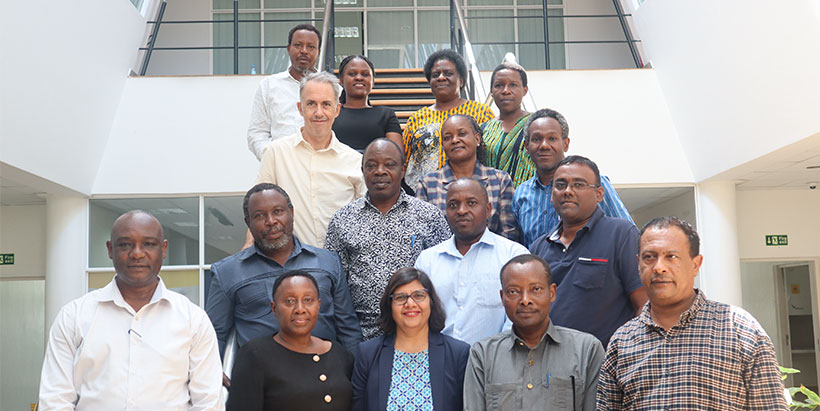
To strengthen partnerships and foster agricultural research, IITA Eastern Africa hub, led by Dr Leena Tripathi, recently hosted Dr Thomas Bwana, the new Director General of the Tanzania Agricultural Research Institute (TARI). The visit provided a platform for Dr Bwana to gain insights into IITA’s ongoing projects and discuss collaborative strategies to advance Tanzania’s agricultural sector.
During the meeting, Dr Tripathi presented IITA’s core competencies, emphasizing its focus on genetic innovation, resilient agri-food systems, and systems transformation. She highlighted the hub’s work on plant health through crop improvement and seed systems, which aligns closely with TARI’s operational pillars. “When you explained TARI’s platforms, it became evident that we operate on similar frameworks. IITA collaborates with advanced institutes; for research innovation, and partner with national research organizations like TARI,” she remarked.
Discussions also centered on managing invasive plant diseases like Banana Bunch Top Disease (BBTD) and Fusarium Tropical Race 4 (TR4), which pose major threats to banana cultivation in Tanzania. Sharing updates on the progress in breeding TR4-resistant banana varieties, Dr Tripathi said joint efforts with TARI and the Tanzania Plant Health and Pesticides Authority (TPHPA) is helping to control the spread of BBTD in the country.
The importance of creating awareness and using communication to disseminate information to farmers was raised Dr Bwana suggesting the use of social media platforms like WhatsApp to connect farmers to scientists for real-time problem-solving said, “Scientists cannot be in the field every day, but if farmers are well informed about the diseases, they can easily reach out through these platforms.”
The TARI team emphasized the need to strengthen capacity-building initiatives, including skill development and refresher courses through training, scholarships, and exchange visits. “We need to improve efficiency in capacity building, particularly in areas like internships, research expertise, and effective science communication,” Dr Bwana said.
With IITA recognizing the importance of capacity development in strengthening research for development (R4D), the institute has facilitated both formal and informal training initiatives as part of its strategy to enhance food security and alleviate poverty in the region. Through its capacity development program, thousands of professionals across sub-Saharan Africa have gained valuable expertise, with countless others benefiting indirectly from the knowledge these professionals share with their communities. The objective is to enhance the capacity of partners within national agricultural research and extension systems.
Both IITA and TARI recognized the long-standing collaboration between them, while celebrating shared accomplishments and identifying areas for improvement to ensure the sustainable scaling of agricultural solutions to the smallholder farmers in Tanzania.
Reaffirming commitment to strengthening partnerships and leveraging their shared vision, both IITA and TARI will be working together to address the pressing challenges facing Tanzania’s agricultural sector and transform food systems in the country.
Contributed by Rashid Hadi.
Manduwa (R) briefing the visitors on research activities at IITA.
The Embassy of Ireland in Malawi has stressed the need for strengthened collaboration to improve seed systems, technology development, market linkages, value addition, and food and nutrition activities in the ongoing phase of the RTC-MARKET Project in Malawi.
The embassy and various project partners were visiting IITA–CGIAR in Malawi on a joint field visit to appreciate cassava activities under the Root and Tuber Crops RTC-MARKET Project.
The team, led by the head of operations, Sarah McCan, was impressed with the positive contribution IITA and partners are making to cassava farmers through the RTC-MARKETS in improving seed systems, technology development, market linkages, value addition, and food and nutrition activities. McCan expressed her satisfaction with the demand-driven interventions demonstrated by IITA, citing their importance in ensuring sustainability.
“It is good to see all the partners working together. Ireland has a long history of supporting agriculture in Africa. We are also an agriculture-based nation. For us, it is important to support technologies and extension work. We have enjoyed partnering with the International Potato Center (CIP) and the government of Malawi, and we would like this to continue. We believe there must be demand for products and that we should attain sustainability at the end of the project,” said McCan.
Irish Aid has been providing financial support for root and tuber crops, focusing on delivering productive root and tuber crop technologies and management practices. Under the RTC-Market, Irish Aid is now focusing on markets, aiming to harness market incentives, and working with the private sector to create increased and equitable income opportunities in the RTC sector for farmers and micro, small, and medium-scale enterprises. It aims to contribute to a productive and sustainable agricultural sector in Malawi that generates increased employment and income opportunities and supports food security and healthy, more diverse, and affordable diets for all Malawians.
Mounted displays of processors and Cassava products.
During the visit to Lilongwe, visitors were shown how IITA and the Department of Agriculture Research Services (DARS) use the Semi-Autotrophic Hydroponics (SAH) laboratory for rapid clean seed multiplication of farmer-preferred cassava varieties. They were drawn to the effectiveness of the SAH technology in producing a high number of clean planting materials within a short period and in a small space.
McCan and the team were updated on the ongoing experiments comparing the performance of plants generated from single-node cuttings versus those from conventional cuttings. Preliminary data suggests that plots with single-node cuttings yielded higher than those with conventional cuttings. The second-round trials, to be harvested in December, will have to confirm the first round before concluding.
IITA and DARS are working towards increasing the nutritional value of cassava by fortifying it with beta-carotene through yellow—or orange-fleshed cassava breeding. The vision is to incorporate the high beta-carotene varieties into school feeding programs and food security interventions in cassava-consuming areas.
Under the commercialization drive, IITA demonstrated how it is working to boost the cassava value chain by supporting processors like Kankhuyu Creations and Perisha Agro and Packaging Enterprise in enhancing their supply chain and exposing them to high-end markets.
Perisha Agro is one of the small-scale organizations working with IITA to help empower farmers in cassava and sweet potato value chains. With over eighty-five farmers around Lilongwe, Perisha cultivates over thirty acres of land with an emphasis on new varieties. Perisha and its farmers plan to venture into winter cropping for root and tuber crops.
In Nkhotakota, over three hundred farmers sell their cassava roots to Kankhuyu Processors. Kankhuyu Processors, owned by Lester Kasiya Maliro, has established itself as a formidable, budding business along the lakeshore districts of Malawi. He prides himself on having the capacity to produce four tons of cassava flour per month. This follows the growing demand for Kondowole (cassava flour), which people are now mixing with scarce maize to cook the staple nsima. Maliro was taken to the National Agriculture fair by IITA, with support from the Government of Ireland-funded RTC-MARKET Project. Since then, his Kankhuyu Creations have seen increased demand for his HQCF.
“We have collaborated with DARS to train farmer clubs, processors, and businesses to increase awareness and utilization of cassava-based foods for households and small and medium enterprises,” explained Daniel Manduwa, who is a research associate working with IITA under the RTC-Markets Project.
Sika Gbegbelegbe, IITA Malawi Country Representative, thanked McCan and the team for the visit, which strengthened the partner relationship and highlighted activities to achieve value for money. She expressed optimism that the current partnership with the national program and other partners will continue to grow and that Malawi will also attain and be able to help other countries in need, just like Ireland is doing.
Taking his turn, the station manager for Chitedze Research Station, Dr Lawrent Pungulani, thanked Irish Aid for supporting the government in research and development.
“We do recognize the strong collaboration between the DARS AND CGIAR communities. We are here to solve problems for our common farmers. We need to drive that agenda together to address persistent problems with farmers. The support we get from Ireland is important to the country. You have placed interest in the agriculture sector, particularly in agriculture research. We know that we must justify funding for research, and it’s pleasing to note that Ireland is flexible in research. We hope this continues because this is where farming systems start,” added Pungulani.
CIP leads the RTC Market project and coordinates the Irish and sweet potato component. The cassava component is led by IITA. DARS co-implements all the research and technology development components. Partners who joined during the joint visit included CIP, Agriculture Commodity Exchange (ACE), Tradeline, DARS, Department of Agriculture Extension Services (DAES), Department of Crop Development (DCD), and the Ministry of Trade and Industry.
Contributed by Emmanuel Mwale
Participants of the genome editing workshop.
A major step toward the future of agricultural innovation unfolded as scientists, researchers, and regulators gathered in Nairobi, Kenya, for the Genome Editing in Crops Workshop from 22 to 25 October. Organized by IITA–CGIAR in collaboration with the International Rice Research Institute (IRRI), this workshop aimed to harness cutting-edge genome editing technologies, such as CRISPR-Cas, to address key agricultural challenges like drought, disease, and pest resistance.
A unique aspect of this event was its emphasis on bridging the gap betweenscience and regulation. It brought together leading researchers and regulators from six different African countries—Ethiopia, Ghana, Kenya, Malawi, Nigeria, and Rwanda—to explore the scientific advancements and regulatory frameworks necessary for genome editing innovations to safely reach farmers and markets.
In addition to technical training, participants benefited from in-depth sessions on intellectual property (IP) and regulatory frameworks, which are essential for understanding the broader landscape in which genome-edited crops are developed and commercialized. These discussions covered patenting, licensing, and global biosafety protocols, equipping scientists and regulators with the knowledge to navigate the complex legal considerations of agricultural biotechnology.
The workshop recognized the importance of building public trust and ensuring the successful implementation of genome editing technologies and included a comprehensive module on stakeholder mapping and engagement. Participants were trained to identify key stakeholders—from farmers and policymakers to consumers and advocacy groups—and develop strategies to effectively communicate the benefits and address concerns related to genome-edited crops. Understanding these dynamics is crucial for creating an environment where new agricultural technologies can thrive and be accepted by the public.
Leena Tripathi, Director of the IITA Eastern Africa Hub and Biotechnology Program Lead, emphasized the importance of interdisciplinary efforts: “The success of genome editing in agriculture depends not only on scientific breakthroughs but also on strong regulatory frameworks and meaningful engagement with all stakeholders. This workshop provides a critical opportunity to integrate these elements.”
Workshop participants during the stakeholder engagement and communications training.
Participants engaged in hands-on sessions, applying CRISPR-Cas9 tools to real-world crop improvement scenarios. These practical modules allowed scientists and regulators to work side by side, gaining a deeper understanding of the scientific processes and the regulatory implications.
The workshop culminated with a roundtable discussion, where participants shared their visions for the future of genome editing in agriculture and explored the opportunities for South-to-South cooperation. The focus was on how countries in the Global South can collaborate to leverage scientific innovation and align regulatory frameworks to address shared agricultural challenges and drive food security solutions. This cooperative approach will help build stronger partnerships, knowledge exchange, and capacity building across regions, ensuring that genome editing technologies benefit farmers and communities in developing countries.
Contributed by Rose-Harriet Okech
Participants of the banana seed production training with facilitators.
Seed systems play an important role in food security and agricultural productivity. However, the subsector faces several challenges, including limited access to quality seeds, seed market monopolization, a lack of seed diversity, and climate change.
As part of efforts to solve the challenges in Tanzania, IITA–CGIAR, through its PROSSIVA (Program for Seed Systems Innovations for Vegetatively Propagated Crops in Africa) project, conducted a training workshop for its local partners, the Tanzania Agricultural Research Institute (TARI) and PlantVillage focusing on using macro-propagation technology to produce healthier, disease-free banana seedlings with improved yields. This initiative aims to enhance food security and boost agricultural productivity.
The training objective was to equip the teams with practical skills in banana macro-propagation and nursery management to improve the production of quality planting materials. The hands-on training aimed to support community-level seed entrepreneurship and address the challenge of insufficient high-quality banana seeds in the country.
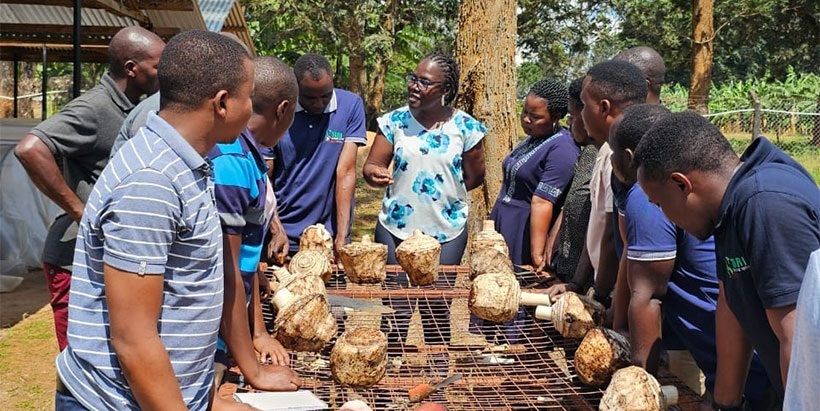
Banana macro-propagation is a moderately simple and cost-effective technique to multiply banana plantlets rapidly. It benefits smallholder farmers and areas with limited access to tissue culture labs. This technique is simple and low cost, with the potential for increased seed accessibility, control of diseases, and faster multiplication of seeds compared to the traditional method of field sucker production. Research expert Delphine Amah, from IITA Nigeria, led the training on propagation techniques and procedures, including constructing basic propagation facilities, field selection of parent material, corm preparation, and management for optimal performance.
Moreover, she demonstrated how a single banana corm can produce between 10 to 100 seedlings in just four months, compared to the traditional method, which yields only 5 to 10 seedlings over a longer period.
Dr Delphine Amah trains the participants on preparing corms for planting in the macro-propagator humidity chamber.
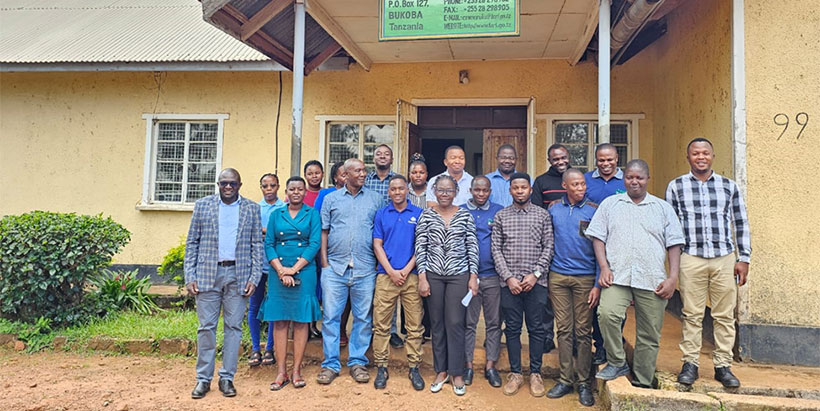
Dr Mpoki Shimwela, TARI Maruku Center Manager and the National Banana Research Coordinator, believes that learning macro-propagation is one of the crucial measures to fight the Banana Bunchy Top Virus (BBTV) disease and other banana diseases like Banana Xanthomonas Wilt (BXW). “To combat BBTV and other diseases, producing high-quality, disease-free seeds is essential. We previously had limited knowledge and practice of this advanced technology, but this training has broadened our understanding. We now aim to produce more banana seeds using these new techniques and train banana producers in the country,” said Mpoki.
This initiative marks a significant step toward advancing agricultural development in East Africa, where bananas are a crucial food source and income generator for millions, particularly smallholder farmers. The 20 participants in the training came from various TARI centers, including Maruku, Tengeru, Kihinga, Uyole, and other agricultural stakeholders from the private sector Plant Village Tanzania. Training participants formed a WhatsApp platform to share and learn from each other beyond the training with a strong commitment to promoting the technology in their various communities within the country.
PROSSIVA project aims to refine and integrate this technology in seed business models with community-level seed producers, assess the productivity and profitability for sustainable seed production in Tanzania, and ultimately help alleviate poverty for smallholder farmers. By enhancing the partners’ expertise in macro-propagation techniques, the initiative hopes to ensure a more efficient implementation of this technology in their respective roles within the banana seed value chain.
Contributed by Rashid Hadi
Dr Leena Tripathi, IITA Eastern Africa Hub Director with the Comoros Minister of Agriculture, Dr Daniel Ali Bandar, and some staff of the Ministry and IITA staff.
In a significant step towards enhancing agricultural development in Comoros, IITA–CGIAR representatives recently met with the Minister of Agriculture, Dr Daniel Ali Bandar. Discussions focused on enhancing collaboration between IITA and the Comorian government to improve agricultural research and help the farming community enhance productivity and income.
The meeting, which took place at the Minister of Agriculture’s office at M’de (Ex CFADER), Ministry of Agriculture, Fishing, and Craft Office, was a courtesy visit held alongside the launch of the EU BRECOMA project. This visit underscored IITA’s commitment to strengthening collaboration with the government and provided an opportunity to report on the progress achieved in the region.
The meeting discussed key topics, including strengthening the seed system, advancing the banana value chain, and leveraging biotechnology through a state-of-the-art National Research Institute (INRAPE) laboratory. Notably, the visit focused on disease control efforts, particularly containing the Fusarium wilt tropical race 4 (TR4) strain affecting bananas.
The Minister acknowledged IITA’s research expertise and emphasized the importance of close collaboration with the National Institute of Research in Agriculture and Fisheries [Institut National de Recherche pour l’Agriculture et la Pêche (INRAPE)] to enhance capacity building for local scientists and farmers. He highlighted the need for support through projects and the introduction of improved crop varieties. Moreover, during his recent visit to Rome, the Minister noted that the African Development Bank (AfDB) recommended a robust partnership with IITA. He also affirmed the full support of the Government of Comoros for IITA’s initiatives. To solidify these collaborative efforts, he suggested drafting a Memorandum of Understanding to be submitted through the Ministry for formal endorsement.
The partnership aims to address critical agricultural challenges to improve nutrition and economic stability across Comoros and parts of sub-Saharan Africa. Proposed actions include developing joint project proposals, fostering knowledge exchange, and building capacity in plant disease control, productivity enhancement, and processing techniques.
During the meeting, both parties expected to see the development of a joint proposal and regular interaction on science developments, along with capacity-building focused on plant disease control, increased production, and enhanced processing. This was crucial to research development, particularly in enhancing agricultural innovations.
Among the participants was the Minister of Agriculture of Comoros, who led discussions on crucial areas for enhanced collaboration. Others were Dr Fouad, the Director of the National Directorate of Agricultural Strategies and Livestock (DNSAE); Dr Leena Tripathi, IITA Eastern Africa Hub Director; Farhati Mohamed, the Deputy Director General of INRAPE; Cheick Diarra Coulibaly, IITA Country Representative in Madagascar; Mouzdalifa Mmadi, a researcher from INRAPE; and Jean Prosper Kanyaruguru, IITA’s BRECOMA Project Coordinator for Comoros and Madagascar.
This collaborative effort marks a crucial step toward advancing agricultural research and innovation, strengthening food security, and uplifting livelihoods across the region.
Contributed by Rashid Hadi
IITA–CGIAR, in partnership with the University of California, Davis (UC Davis), the Innovative Genomics Institute (IGI) at UC Berkeley, and the African Orphan Crops Consortium (AOCC), celebrated a milestone on 11 October as the participants of cohort II graduated from the African Plant Breeding Academy (AfPBA) CRISPR course. The training is a part of IITA’s broader efforts to equip African scientists with cutting-edge skills in agricultural biotechnology, particularly applying CRISPR-based genome editing to improve crop resilience and productivity.
Graduates of the CRISPR Course during the procession CRISPR Course cohort with instructors at the graduation ceremony.
The graduating class included 11 scientists from 8 African countries: Burkina Faso, Ethiopia, Ghana, Kenya, Malawi, Mozambique, Nigeria, and South Africa. These researchers underwent an intensive program covering both theoretical and practical aspects of genome editing with three two-week sessions at IITA-Nairobi, hosted by ILRI and World Agroforestry in Nairobi, Kenya. The course was designed to address the growing demand for expertise in CRISPR technology to address key agricultural challenges such as disease resistance, drought tolerance, nutrition enhancement, and crop yield improvement.
With this latest cohort, 21 scientists from national research institutions in nine African countries have been trained in CRISPR technology. During the course, participants engaged in hands-on lab sessions, learning to design and execute CRISPR experiments on crops. These practical sessions were complemented by expert-led lectures from IITA’s leading scientists and international experts from IGI and UC Davis, providing insights into the latest advancements and applications of gene editing in agriculture.
CRISPR Course cohort with instructors at the graduation ceremony.
The program imparted technical skills and fostered collaboration and networking, encouraging participants to share ideas and explore how CRISPR technology can be applied to solve some of Africa’s most pressing agricultural challenges.
Leena Tripathi, IITA Eastern Africa Hub Director and Biotechnology Program Lead, emphasized the importance of capacity building in cutting-edge technologies like CRISPR. “This course is part of our commitment to empowering African researchers with the tools they need to drive innovation in agriculture. By equipping them with genome editing skills, we are enabling a new wave of scientific breakthroughs that will benefit farmers across the continent,” she said.
As IITA celebrates the graduation of the second AfPBA CRISPR cohort, it continues solidifying its role as a leader in advancing agricultural science in Africa. The course’s success reflects IITA’s ongoing efforts to transform African agriculture through innovation.
IITA is looking forward to continuing this capacity development drive with cohort III in 2025.
Contributed by Rose Harriet Okech
IITA and Nelson Mandela African Institution of Science and Technology (NM-AIST) have reaffirmed their commitment to a strong partnership, marking an important step in advancing collaborative research, innovation, and capacity-building initiatives. This partnership emphasizes their shared vision to address critical regional challenges, particularly in agriculture and food security.
IITA Eastern Africa Hub Director Leena Tripathi and new NM-AIST Vice Chancellor Prof. Maulilio Kipanyula with IITA Scientists Rony Swennen and Allan Brown.
Since the initial signing of the Memorandum of Understanding (MoU) in 2014 and its renewal in May 2019, NM-AIST has served as an important host for IITA’s highland cooking banana breeding program. This program aims to develop improved, high-yielding varieties of the East African highland cooking banana and Mchare. NM-AIST provides essential support, including office space, access to laboratories, and trial fields for banana research.
In a recent courtesy call in September at NM-AIST’s Arusha campus, IITA Eastern Africa Hub Director Leena Tripathi, accompanied by IITA scientists Rony Swennen and Allan Brown, and new NM-AIST Vice Chancellor Prof. Maulilio Kipanyula, reviewed the progress of their partnership. Prof. Kipanyula highlighted the significant partnership milestone achieved with the release of the first cooking banana hybrid in 2021 and the development of Fusarium-resistant Mchare bananas, stressing the positive outcomes of their collaboration and instilling optimism for the future.
Looking ahead, NM-AIST expressed keen interest in expanding the partnership beyond banana breeding to include other research programs. This expansion aims to strengthen research capabilities and contribute to broader development goals such as sustainable agriculture, environmental conservation, and rural development. Both institutions also emphasized the importance of community engagement through participatory action research, ensuring that scientific advancements are integrated with societal needs.
Central to their collaboration is a shared mission to combat poverty and hunger through scientific research, focusing on challenges such as agricultural pests and diseases. This effort is crucial in enhancing food safety and security in the region, bringing economic opportunities to local farmers, and contributing to the community’s overall development.
By leveraging their combined expertise, NM-AIST and IITA are determined to apply their advanced cutting-edge scientific research to acquire advanced knowledge and skills among future scientists. This partnership strengthens institutional capacities and reinforces their commitment to sustainable development and the well-being of communities across East Africa.