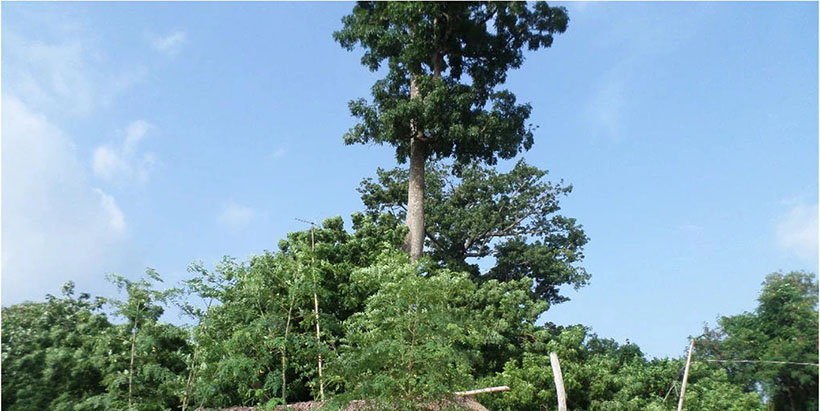
Typical Forest island in Ghana.

West Africa’s ecosystems are transforming, reshaping its vast savannas into forest islands or arable lands. This change, mainly driven by human activity, has profound implications for soil health and ecosystem sustainability.

Researchers from Institut de L’Environnement Et de Recherches Agricoles, Burkina Faso; Crop Research Institute (CSIR), Ghana; Kwame Nkrumah University of Science and Technology (KNUST), Ghana; Imperial College of Science and Technology, London; Wageningen University, Netherlands; Federal University of Agriculture, Abeokuta (FUNAAB), and the International Institute of Tropical Agriculture (IITA), have explored these impacts, shedding light on how land-use changes affect soil organic matter (SOM) and key soil quality indicators, such as macro- and micronutrients.

The study revealed that when savannas transition into forest islands, soil health significantly improves. The SOM in the topsoil rose dramatically—up to 794%—and the abundance of essential nutrients such as potassium, calcium, and magnesium surged. These improvements are attributed to the favorable microclimate and nutrient cycling fostered by forest ecosystems.

Soil profile photos of the ecosystem types at Elewure community (ELE), Nigeria.

Conversely, converting savannas to arable land paints a more concerning picture. The SOM levels plummeted up to 74%, particularly in topsoil layers. This decline compromises the soil’s productive capacity, making it prone to erosion, reduced aggregation, and decreased activity of beneficial soil organisms. Despite efforts to enrich soils through fertilization, the benefits of these practices often fall short of compensating for the inherent losses caused by the transition.

The role of local communities in preserving soil health cannot be overlooked. The study highlights how indigenous land management practices have contributed to the formation of forest islands, countering earlier misconceptions that these patches were remnants of ancient forests. These community-driven efforts offer valuable lessons in sustainable land stewardship and could inform strategies to mitigate the adverse effects of climate change on resource-poor agrarian systems.

The research showed that soil quality indicators vary significantly by land use type and geographic location. For instance, nutrient-rich soils and intensive farming practices at one site in northern Ghana, led to better soil quality in arable lands than in forest islands or savannas. However, this was an exception rather than the rule, with forest islands generally outperforming other ecosystems in soil health.

With the growing demand for food production, there is also an urgent need to convert more savannas into farmland. The findings underscore the urgent need to adopt sustainable farming practices. Techniques such as agroforestry, improved crop rotation, and soil conservation methods could help offset the negative impacts of land-use changes.

As we look ahead, the study offers a hopeful perspective. Restoring marginal lands as forest islands enhances soil fertility and contributes to overall ecosystem health. As West Africa grapples with balancing agricultural expansion and ecological preservation, embracing indigenous practices and promoting sustainable land use could hold the key to a more resilient future.

This research adds a critical voice to the global conversation on land use and climate change, highlighting how localized solutions can make a significant difference in safeguarding soil health and improving food security on the continent.

 Contributed by ‘Timilehin Osunde
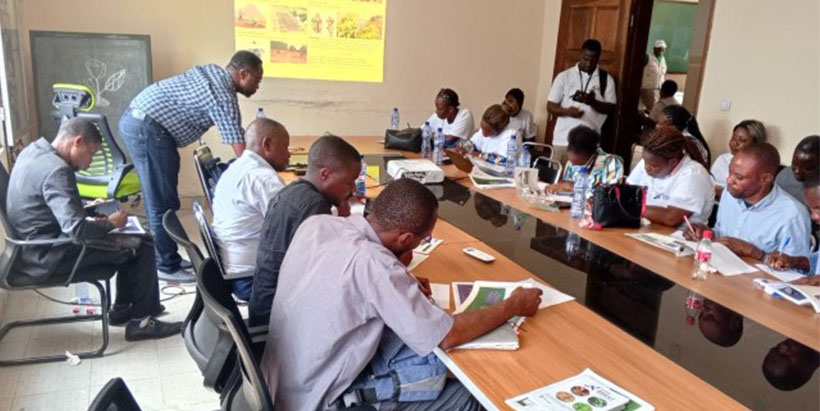
Training of the vegetable farmers.

Vegetable farmers in the Democratic Republic of the Congo are building their capacity in the production of organic fertilizer under the IITA BSF for Bio Circular Economy and Environmental Sustainability (IITA-BBEST) Project, in partnership with the National Institute for Agronomic Study and Research (INERA). A practical training workshop for 50 people, including 24 men and 26 women was organized on 6 January 2025, at the University of Kinshasa (UNIKIN) to equip these agripreneurs with knowledge on the production of organic fertilizer from the Black Soldier Fly residue (frass). This training is part of implementing the (BSF for Bio Circular Economy and Environmental Sustainability) IITA-BBEST Project, the activities funded by the Norwegian Agency for Development Cooperation (NORAD).

This workshop was structured in two parts. The first part focused on rearing the black soldier fly (BSF) with a general overview of its origin and some fundamental characteristics of the species that make it a good candidate for rearing without risk for humans and animals. These characteristics are the expansion of the species throughout the intertropical zone despite its American origin, its wealth in proteins and lipids, making it an extremely interesting alternative source of feed for different livestock sectors (chickens, fish, and pigs), and its harmlessness to humans (i.e., does not bite).

It was highlighted that using BSF larvae for animal nutrition and organic fertilizers from livestock farming for market gardening is an innovative and sustainable solution that offers farmers an effective way to reduce costs while increasing their productivity. Also, integrating black soldier fly larvae and organic fertilizer into agriculture helps to preserve the environment.

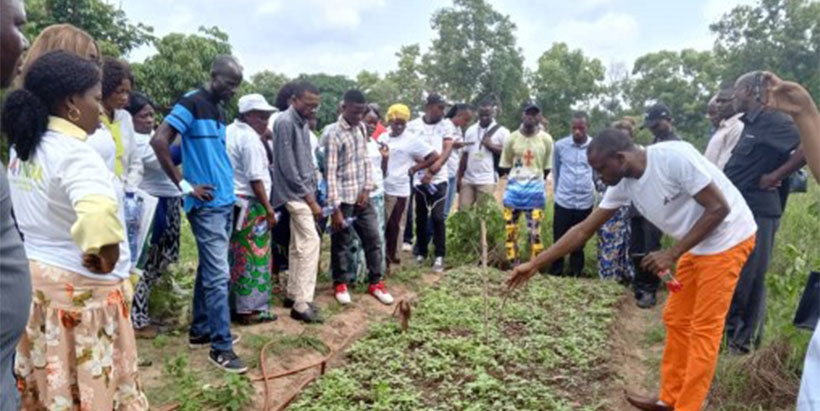
Visit of the agripreneurs to the vegetable field fertilized with the BSF frass.

After the explanations on breeding the black soldier fly, the participants visited the black soldier fly larvae production unit to follow the different rearing stages, starting with the collection of waste and ending with obtaining the fly, including the collection of eggs, pre-pupae, and pupae.

The second part of the workshop was to train the participants on using organic fertilizers from the larvae of the black soldier fly. It was mentioned that the residues obtained after the digestion of organic matter by the larvae constitute a rich fertilizer and can be used after composting as an organic amendment to fertilize crops. It was recalled that organic fertilizer makes it possible to grow healthier vegetables and reduce the ecological footprint. Participants were advised to opt for these agroecological practices to ensure sustainable management of their resources by reducing chemical inputs. The participants visited some flower beds made and fertilized with the black soldier fly larvae organic fertilizer at the University of Kinshasa.

Eight members of the IITA BBEST project beneficiaries in Kinshasa participated in this workshop to increase their knowledge. These include two members of the Agricultural Cooperative of the Center of Kimbanseke (COOPACEK), two members of the Agricultural Cooperative of the Center Maraicher of N’djili (COOPACEN), two members of the Association of Fish Farmers for Development in Congo (APIDEC) and two members of the Judith farm.

This training ended with the presentation of a certificate to each participant.

Contributed by Claude Bahati and Francisca Ocloo

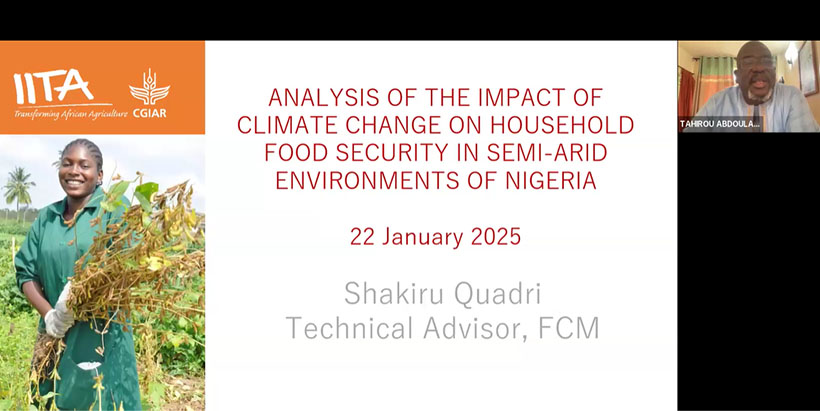
Kicking off the IITA Knowledge Café series for 2025, Shakiru Quadri, the IITA Technical Advisor for the CGIAR Fragility, Conflict and Migration (FCM) Initiative, delivered an insightful presentation on his research work. The discussion, which was held on 22 January and coordinated by IITA Director for Sahel Africa Hub Tahirou Abdoulaye, focused on the impact of climate change on household food security in the semi-arid regions of Nigeria.

IITA Director for Sahel Africa Hub, Tahirou Abdoulaye, coordinating the Café.

Quadri mentioned that the study was inspired by his research team’s experience working in fragile and conflict-affected areas of Nigeria. These regions are uniquely vulnerable to climate change due to their reliance on natural systems and resources critical for survival in dryland environments. He added that climate change has become a pressing issue globally, significantly affecting agriculture and food security. This reality spurred researchers to investigate the implications for communities in northern Nigeria.

Conducted in the semi-arid eco-climatic zone, where recurrent droughts and conflicts are common, the study analyzed data from 626 respondents across three states: Borno, Katsina, and Sokoto. Using secondary data from the Food and Agriculture Organization (FAO) alongside cross-sectional data, the team employed multi-stage sampling techniques and specified several linear and non-linear models to analyze the trends.

The study showed that food security across the three states is highly vulnerable to climate variability, with a statistically significant impact at the 1% level. Forecasts for five years (up to 2025) shows a continued decline in food availability. A combined normalized livelihood exposure index of 0.79 indicates a high level of exposure to climate risks, while the adaptive capacity remains moderate at 0.35. The data revealed a 51% reduction in household food availability due to conflicts. Also, variables such as rainfall, drought, temperature, and conflict were found to significantly affect food security at both 1% and 5% significance levels.

The study concluded that climate variability and extreme weather events, compounded by disruptions from the COVID-19 pandemic, rising fertilizer and fuel costs, widespread banditry, and insurgency, have significantly destabilized the region’s food systems. The likelihood of a major food system shock remained high through 2024.

IITA Technical Advisor for FCM project, Sakiru Quadri, presenting on his research.

The study has proposed several solutions to address these challenges, including promoting drought- and flood-tolerant crop varieties, adopting climate-smart and precision farming practices, and expanding agricultural innovation. The suggested solutions were also to invest in functional irrigation systems, routinely desilting rivers and streams, and strengthening social safety nets.

Developing sustainable, climate-adaptive food systems that minimize environmental damage and promote long-term resilience were also suggested solutions.

Quadri emphasized the urgent need for coordinated efforts to protect vulnerable communities and build sustainable systems capable of withstanding future climate challenges. “There is a need for collective action to secure food systems for the 21st century and beyond,” he concluded.


Contributed by Ochuwa Favour Daramola

IITA-DDG P4D Kenton Dashiell assuring Aletheia University of a promising partnership.

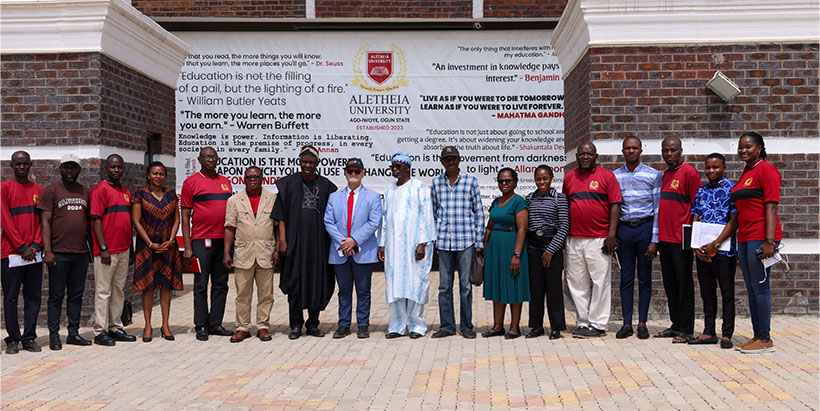
On 22 January, the IITACGIAR Deputy Director General Partnerships for Delivery (P4D), Dr Kenton Dashiell, accompanied by a team, paid a courtesy visit to Aletheia University, Ago-Iwoye, Nigeria. Highlight of the visit was the signing of a Memorandum of Understanding (MoU) between the two parties to advance agricultural research, capacity building, and sustainable development in Nigeria.

In his opening remarks, Aletheia University Vice-Chancellor, Prof Amos Onasanya, warmly welcomed the IITA team and provided an insightful overview of the university’s mission and activities. He emphasized Aletheia’s unique approach to education, which integrates moral values, academics, technology, entrepreneurship, agriculture, and ICT into its curriculum. Prof Onasanya explained that every university graduate has at least four distinct skills, including agricultural expertise, to contribute to eradicating hunger and driving Africa’s economic growth.

The partnership with IITA, leveraging the institute’s extensive research portfolio and proven successes in innovation scaling, will enable Aletheia University to focus on tropical agriculture as a cornerstone for research, publications, and capacity development for students and staff.

Representatives from IITA and Aletheia University team after the meeting.

In his address, Aletheia University’s Chancellor and Founder, Major General S. A. Awosanya (Rtd), lauded IITA’s dedication to combating food insecurity across Africa. He shared his vision for establishing Aletheia as a transformative force within Nigeria’s academic system, designed to foster sustainability and innovation. He expressed optimism that the collaboration with IITA would lead to the development of a thriving agricultural system that aligns with the university’s founding objectives.

Dashiell, impressed by Aletheia’s mission and educational model, commended the institution for its forward-thinking approach. Echoing the sentiments of the Aletheia team, he noted that the university’s emphasis on skill acquisition and entrepreneurship aligns seamlessly with IITA’s vision of empowering youths to drive food security and development.

“Based on our shared goals, I am thrilled about this partnership,” Dashiell remarked. “Together, we will identify programs and initiatives to engage and inspire millions of young people.”

During the discussion, the IITA Youth Agribusiness (IYA) Communication Officer, Babatunde Ajaja, encouraged adopting climate-smart agricultural practices to achieve sustainable outcomes. He highlighted IYA’s efforts across Africa to reposition agriculture as a profitable enterprise for the youth, emphasizing the potential impact of this partnership.

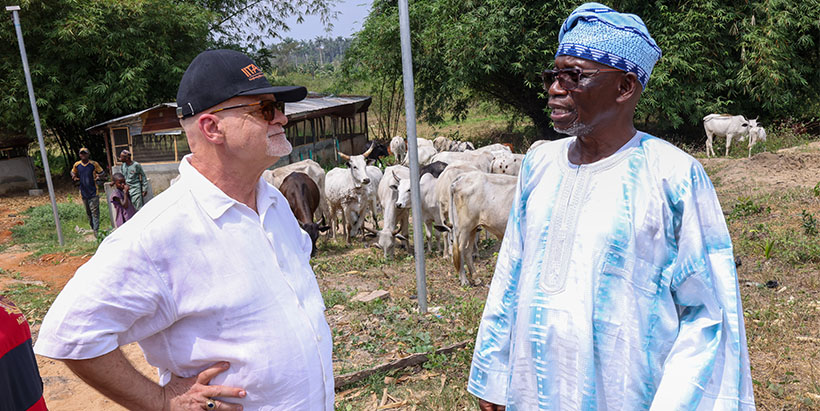
IITA-DDG P4D Kenton Dashiell with Aletheia University’s Chancellor and Founder, Major General S. A. Awosanya on a tour of the university's farm.
IITA-DDG P4D Kenton Dashiell with Aletheia University’s Chancellor and Founder, Major General S. A. Awosanya on a tour of the university’s farm.

Additionally, IITA Partnership and Stakeholder Engagement Manager Adetola Adenmosun underscored the critical role of ICT in agriculture and encouraged Aletheia to integrate advanced digital technologies into its agricultural initiatives to expand its reach and impact.

Prof Onasanya concluded the session by emphasizing the partnership’s potential to catalyze agricultural projects that could extend beyond Ogun State to other regions in Nigeria.

“This collaboration is pivotal to harnessing our shared strengths for impactful implementation,” he said.

The visit concluded with a tour of Aletheia University’s campus and farms, during which the IITA team saw the university’s agricultural output and innovative livestock-rearing practices. Dashiell admired the impressive farm operations and the application of modern technology in cattle rearing.

The partnership between IITA and Aletheia University marks a significant step toward fostering sustainable agriculture, advancing educational innovation, and empowering the next generation of agripreneurs in Nigeria.


Contributed by Anita Akinyomade

Related stories: Forging partnership to advance agricultural research and education

IITA, Aletheia University sign MoU on research, youth in agribusiness model adoption

The former Minister of Agriculture in Equatorial Guinea, H.E. Victor Grange in a meeting with IITA representatives and partners.

In line with IITA’s public-private sector engagement agenda to improve the livelihood of millions of Africans, strengthen food and nutrition security, and transform the agricultural sector, the institute received the former Minister of Agriculture in Equatorial Guinea (2016-2018), H.E. Victor Grange at the headquarters in Ibadan from 9 to 10 January.

His visit was centered on exploring potential partnerships with IITA to advance agricultural commercialization in Equatorial Guinea and strengthen the country’s food and nutrition security.

During the meeting, IITA Deputy Director General, Partnerships for Delivery, Kenton Dashiell, highlighted IITA’s core activities and technologies, during a video documentary that showed the institute’s impact across Africa. Dashiell expressed optimism that the visit would lay the foundation for a mutually beneficial collaboration between IITA and Equatorial Guinea.

IITA Director, R4D, Central Africa Hub, Zoumana Bamba highlighting IITA’s extensive research in Central Africa, added that Equatorial Guinea was the only country in the region where IITA did not currently operate, while proposing a meeting with the country’s president to formalize the partnership and establish a framework for cooperation.

H.E Grange on a tour of IITA Cassava Processing Center to see products made with cassava.

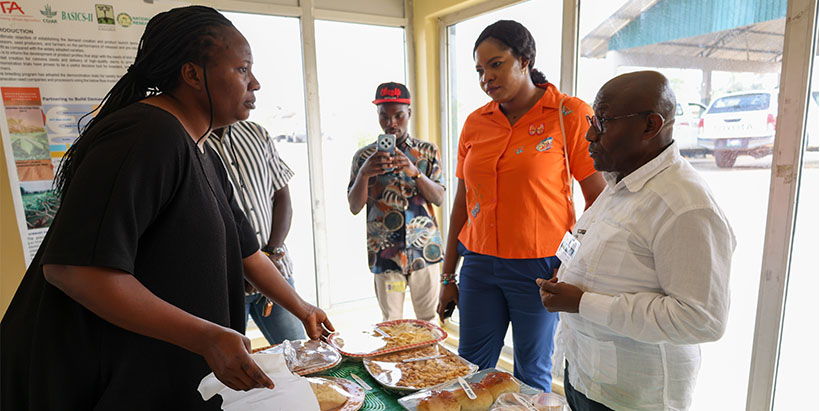
Representatives from several IITA programs including cassava breeding, Business Incubation Platform (BIP), soybean, Forest Center, and IITA Youth Agripreneurs (IYA), CGIAR Centers WorldFish, and International Livestock Research Institute (ILRI), and IITA partner National Horticultural Research Institute (NIHORT), shared insights into their research, helping H.E. Grange identify potential areas for collaboration.

Dashiell reassured him of IITA’s support in fostering engagements with partners to support the country’s agricultural goals.

H.E. Grange emphasized the urgent need for a transformation in Equatorial Guinea’s agricultural sector, citing cassava and rice as major areas of interest. These two staples, which form the backbone of the country’s food security, would be key to Equatorial Guinea’s strategy to reduce dependence on imports and create job opportunities, particularly for youth and women, 80% of whom are currently unemployed.

He expressed keen interest in IITA’s cassava varieties for garri and flour production, noting that the leaves could be used for food and cosmetics. He also showed interest in IITA-BIP, youth agripreneurs’ program, and plantain propagation for commercial production.

H.E. Grange praised IITA’s innovative contributions, citing the institute’s cassava bread as a prime example of how local agriculture could replace costly imports. “I tasted IITA’s bread made with cassava and couldn’t differentiate it from wheat bread. I believe that using cassava will save us money, as we rely heavily on wheat flour for everything,” he remarked.

Emphasizing the need for private sector involvement in driving agricultural commercialization, H.E. Grange affirmed that Equatorial Guinea is ready to form an official partnership with IITA through the signing of a Memorandum of Understanding (MOU). “We cannot keep waiting on the government to sponsor us. We need to reach out to companies that could help sponsor these projects,” he added.

In response, Dashiell assured him that IITA would support his vision, providing connections to key stakeholders to drive change. “We will work on connecting you with the right people and draft an MOU to formalize our partnership with the Equatorial Guinea Ministry of Agriculture,” he said, signaling the beginning of a promising collaboration between IITA and Equatorial Guinea.

Contributed by: Ochuwa Favour Daramola

Great harvest from IITA, Ibadan trial field.

Farmers’ access to improved yam varieties is vital for boosting yields and improving livelihoods. In Benue, Cross River, Kaduna, Nasarawa, Niger and Oyo states, and the Federal Capital Territory (FCT) Abuja, yam farmers are adopting the newly released varieties from IITACGIAR as these varieties promise higher yields and better resilience.

Over the past two decades, yam cultivation has declined due to the unavailability of preferred varieties and quality seed tubers. However, IITA’s Yam Breeding Program is revitalizing this essential crop by providing farmers with the tools they need to increase productivity. This initiative is promoting economic stability and strengthening food security in the region.

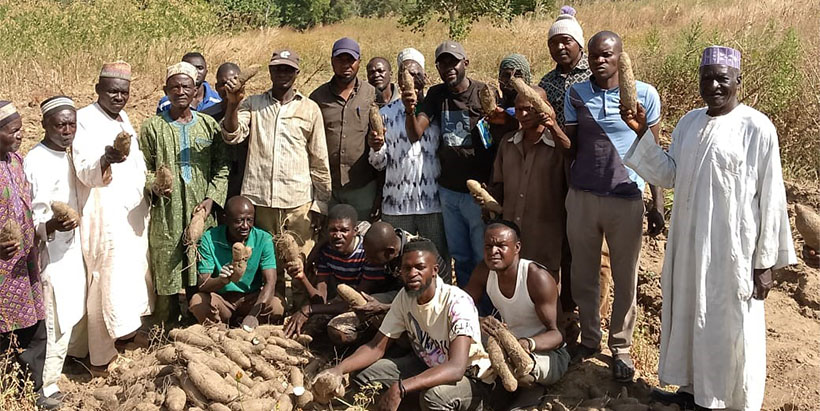
Yam farmers from Kachia, Kaduna State with bountiful harvests of Va yam and Aku Abata.

The Breeding Program embarked on harvesting the varieties in October 2024, marking the end of the 2024 yam planting season. The harvest started on the trial field located within IITA Headquarters at Ibadan, followed by other parts of the country – FCT Abuja, Oyo State (Alagbede, Igboho); Kaduna State (Kachia and Zango Kataf); Cross River (Nyanya and Bekwara); Niger State  (Bosso, Kafin Koro, Lapai); Nasarawa (Obi, Deddere, Keana); and Benue (Tarka, Guma and Konshisha). The Program has sustained collaborative research with farmers, enhancing their agronomic practices related to yam propagation.

The popularization of the elite yam varieties, Favorite, Super, Va yam, Akuabata, and Asiedu, developed at IITA, among farmers in these states, is still in progress.  The diffusion of genetic gains plays a critical role in enhancing the livelihood of farmers benefiting from this scheme.

Women yam yam farmers from Alagbede, Oyo State showcasing their massive harvest.

These yam varieties have continued to gain popularity among farmers, and many are showing interest in acquiring the IITA released varieties.

In 2024, comprehensive training was organized to acquaint the farmers with the improved varieties and also expose them to the seed system. The training programs and workshops focused on seed production technologies, sustainable farming practices, and pest and disease management.  IITA–Yam Improvement Program (IITA-YIP) will continue to provide farmers with orientation on the benefit of being a community-based seed producer and seed entrepreneurs.

Focusing on seed production supports sustainable farming practices and improves farmers’ livelihood. With responsible farming techniques, diversification, education, and strong market links, farmers can now cultivate yams in a way that strengthens seed systems and economic stability.


Contributed by Emmanuel Onasanya

For more information, contact: Asrat Amele (Head, IITA-Yam Breeding Program) A.Amele@cgiar.org

Pelemo Olugboyega (Manager Field/Seed System, IITA-Yam Breeding Program) O.Pelemo@cgiar.org

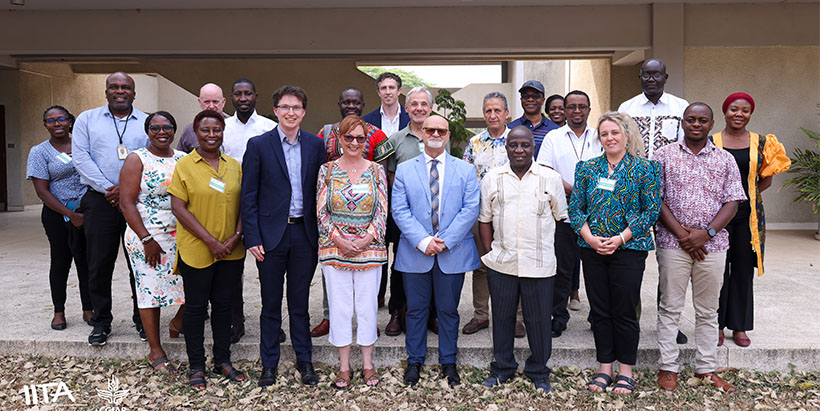
The ACIAR delegates with IITA staff after the partnership deliberation meeting.

Climate resilience and food security are central to Australia’s Regional Development Program for Africa. In October 2024, the Australian Government announced the African-Australian partnership for climate-responsive agriculture, pledging a $76.4 million investment over the next six years to support the African continent.

In line with this initiative, delegates from the Australian Centre for International Agricultural Research (ACIAR), accompanied by Calum Walker, Second Secretary of the Australian High Commission, and Tristan O’Brien, Officer at the Australian High Commission Department of Foreign Affairs and Trade, visited IITA-CGIAR on 21 January.

The delegates toured IITA to observe ongoing research, scaling efforts, partnerships, and the delivery of innovative food solutions to African communities. Their primary objective was to gather insights and experiences to inform the development of a framework for delivering climate-smart and sustainable food systems in North and West Africa. O’Brien remarked, “The next phase of African-Australian investment will mainly extend ACIAR’s decade-long expertise and work in East and Southern Africa to North and West Africa – particularly Egypt, Morocco, Nigeria, and Ghana.”

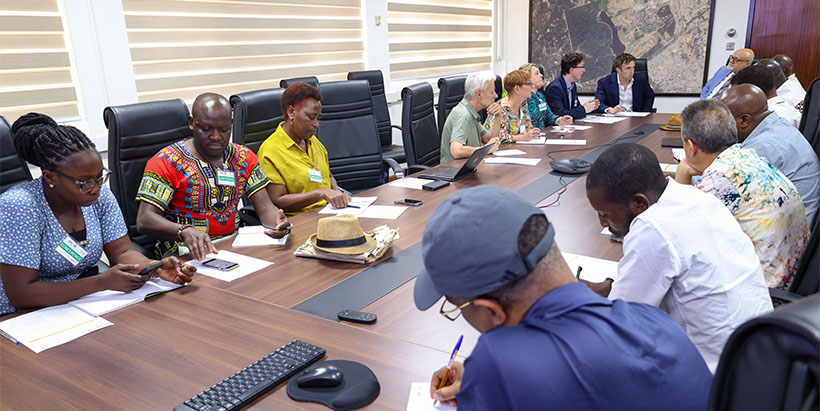
ACIAR delegates and IITA staff in an in-door meeting during their visit to IITA.

The delegation was keen to understand how IITA collaborates with national partners and agricultural research institutions to deliver impactful solutions to farmers and end-users. IITA’s Deputy Director General for Partnerships and Delivery, Kenton Dashiell, highlighted the Australian Government’s contributions to IITA’s work and emphasized the importance of strengthening collaborations to drive research and agricultural development across Africa. Dashiell said, “Our partnership with Australia has been vital in addressing agricultural challenges across the continent. However, there is a need to deepen intellectual, research, and scaling partnerships to achieve greater impact.”

During discussions, IITA proposed technical assistance to support youth agenda and agribusiness initiatives. The delegation learned about the Youth in Agribusiness (IYA) initiative, which focuses on engaging young people in agriculture by equipping them with technologies developed by IITA and other CGIAR centers. This initiative aims to empower youth to take an active role in transforming agriculture across Africa.

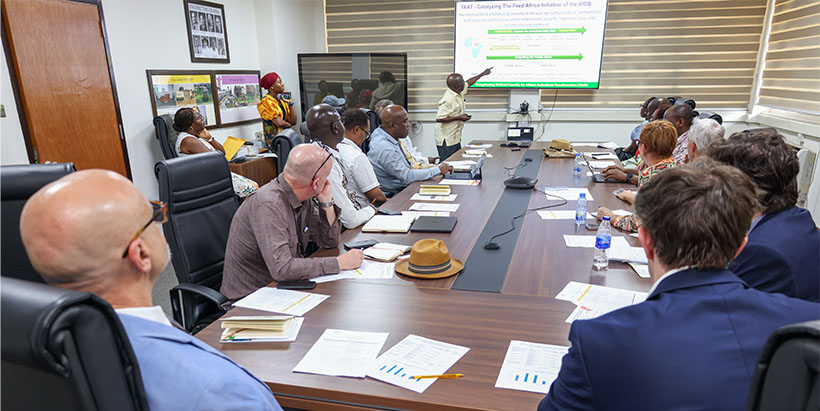
Dr Chrys Akem, TAAT Program Coordinator, presenting the TAAT scaling model to the delegates.

The delegation also gained insights into the Technologies for African Agricultural Transformation (TAAT) program. This cross-country, multi-commodity system deploys ready-to-scale technologies to farmers across the continent. TAAT has introduced over 150 technologies across 10 key commodities so far, supported by enabler compacts in policy, youth engagement, and capacity building. Through collaborations with African governments, regional bodies, private sectors, and research institutions, TAAT has created jobs, improved livelihoods, and promoted environmental sustainability.

As part of their visit, the delegation toured IITA’s cutting-edge facilities. These included the Semi-Autotrophic Hydroponics (SAH) facility, where the Rapid Multiplication Technology for cassava seeds revolutionizes seed production. They also visited the Germplasm Health Unit and Genetic Resources Center, where IITA ensures the delivery of clean, healthy, and high-quality seeds to farmers.

At the Cassava Processing Unit, the visitors saw firsthand how value addition to cassava roots enhances income generation and improves food security. These innovations reflect IITA’s commitment to addressing Africa’s food challenges through science and technology.

The partnership between IITA and Australia holds immense potential for shaping the future of climate-smart agriculture in Africa. By leveraging IITA’s existing models, partnerships, and extensive database of research outcomes, ACIAR can rely on IITA’s expertise to deliver innovative and sustainable solutions to Africa’s food security issues.


Contributed by Folake Oduntan

Related story:  IITA-Australia collaboration promises productive investments in agriculture


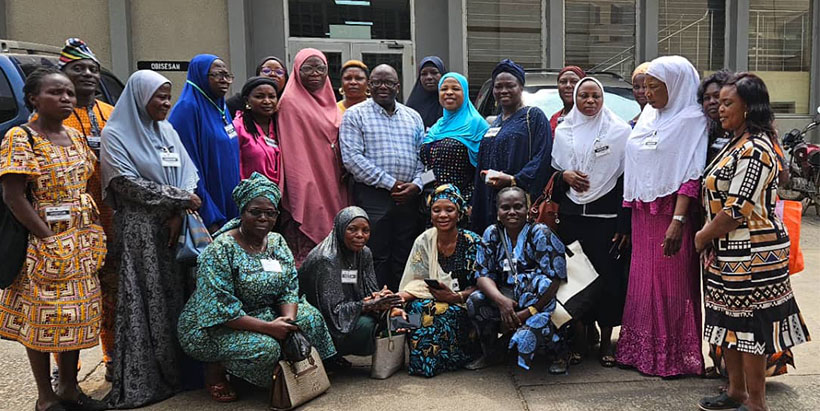
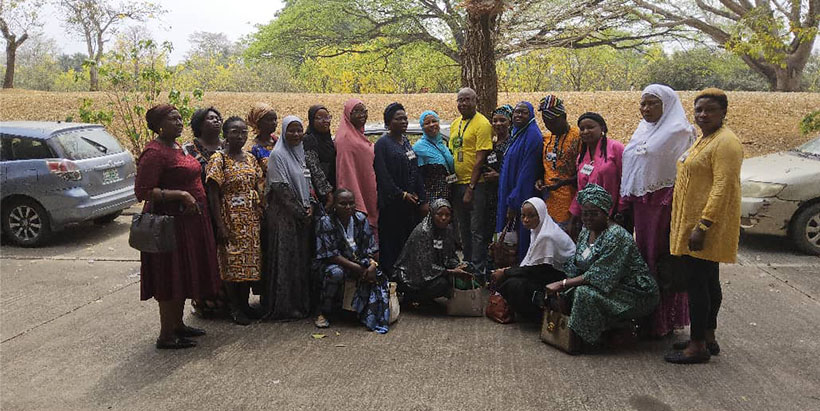
Dr Olaniyi Oyatomi IITA-GRC Seed Manager and SUL Linkage Officer with the NAWAI visiting team.

On 16 January 2025, a 19-member team from the Nigerian Association of Women in Agriculture (NAWIA), in collaboration with the Society of Underutilized Legumes (SUL), visited IITACGIAR. The courtesy visit aimed to deepen their understanding and explore the integration of underutilized legumes for potential product development. Idayat Ibrahim-Raji, Osun State Coordinator NAWAI along with Prof Kehinde Soetan, SUL-National Vice President representing SUL president, Dr Taofeek Adegboyega led the NAWIA team to IITA’s Genetic Resources Centre (GRC).

During the visit, Dr Olaniyi Oyatomi IITA-GRC Seed Manager and SUL Linkage Officer received the team on behalf of Head of IITA-GRC Prof Micheal Abberton, and gave the NAWIA team a tour of the Genetic Resources Centre. He provided insights into the vast collection of accessions of various underutilized legumes preserved by the Centre. Dr Oyatomi also explained the different storage methodologies employed in ensuring the long-term viability of the collection. Oyeyemi Olayemi from the Tissue Culture Laboratory highlighted the role of tissue culture in the conservation of genetic resources. He explained how tissue culture techniques are employed to propagate and preserve plant species and how this can also be used for underutilized legumes to ensure their availability for future research and development.

The NAWAI visiting team with Research Associate IITA Food and Nutrition Lab, Gregory Nwaoliwe.

Michael Adesokan and Gregory Nwaoliwe from the Food and Nutrition Laboratory briefed the team on ongoing nutrition research and how IITA’s efforts is contributing to nutrition by incorporating underutilized legumes, such as Bambara groundnut and soybean, into various food products. These crops, known for their high protein content, are being explored to significantly improvethe nutritional value of food, offering great potential for widespread dietary benefits.

The visit marks a significant step towards fostering collaboration and innovation in agriculture, particularly in the use of underutilized legumes to boost nutrition and food security while emphasizing NAWIA’s commitment to promoting agricultural innovation and nutrition value addition by adopting underutilized legumes.

NAWAI’s objective aligns with IITA’s goal in strengthening food and nutrition security in Nigeria and Africa.


Contributed by Kafilat Odesola

WorldFish project beneficiary, Agbor Delta State.
WorldFish project beneficiary, Agbor Delta State. (Photo credit: Olaniyi Ajibola/WorldFish).

Aquatic foods, sourced from inland and marine fisheries or cultivated through aquaculture, are vital pillars for global food security, poverty alleviation, and economic development. Across the world, millions of people depend on these aquatic food systems (AFS) for their livelihoods and sustenance. However, these systems are facing growing threats from human activities. Overfishing, habitat destruction, pollution, and the worsening impacts of climate change are placing unprecedented pressure on AFS.

The changing climate, marked by rising temperatures, ocean acidification, and extreme weather events, compounds these challenges. Without intervention, lower-income countries in Africa, the Indo-Pacific, and South and Southeast Asia stand to face the gravest risks by 2100. The consequences will affect nutrition, health, social structures, economies, and the environment. Ironically, higher-income countries contribute the most to greenhouse gas emissions and are projected to experience comparatively lower climate risks.

However, not everyone experiences these challenges equally. The harshest impacts of climate change fall on those who already live with inequality. Women, in particular, are disproportionately vulnerable due to their reliance on natural resources and the burdens of household, caregiving, and productive labor. Despite their critical role in AFS, women often lack the resources and opportunities to adapt, restrained by entrenched gender norms and power imbalances.

WorldFish project beneficiary, Agbor Delta State.
WorldFish project beneficiary, Asaba Delta State. (Photo credit: Olaniyi Ajibola/WorldFish).

To tackle this challenge, a team of gender researchers carried out a study to understand how gender and other social identities shape the adaptive capacity of AFS. This initiative, spearheaded by WorldFish, the International Water Management Institute, and other CGIAR centers, including IITA, aimed to explore how women and marginalized groups respond to climate risks and build resilience.

The team developed a conceptual framework to map how climate stressors interact with gender and socio-economic factors, influencing AFS outcomes. A comprehensive literature review spanning 2017 to 2022 was conducted to capture the latest insights. The research also drew from global datasets, including the Illuminating Hidden Harvests project, to analyze participation in small-scale fisheries. Bangladesh, a leading aquaculture producer, was a case study to delve deeper into how women navigate and adapt to climate challenges.

Findings showed that women are central to small-scale fisheries and aquaculture economies, yet their contributions often go unrecognized. Addressing this invisibility is essential to achieving Sustainable Development Goal 14, which calls for the conservation and sustainable use of oceans and marine resources. For sustainable progress, the focus must shift towards empowering women and fostering resilience within AFS.

The study proposed several pathways for policy, research, and intervention. First, addressing power inequalities is paramount to drive meaningful change. Women need greater decision-making power over resource allocation and income. This can be achieved by involving both women and men in initiatives that enhance food security and diversify livelihoods.

Second, the value of women’s work across the aquatic food value chain must be acknowledged and documented. Gender-sensitive approaches should be integrated into project planning, supported by sex-disaggregated data to track progress and outcomes.

Third, research must continue to investigate the intersection of gender, climate change, and small-scale fisheries, amplifying the voices of local actors and reinforcing their role in shaping solutions. This inclusive approach ensures that communities actively participate in building sustainable, equitable, and resilient AFS.

As climate change continues to reshape our world, the resilience of aquatic food systems depends on scientific innovation and social transformation. According to one of the researchers, a Senior Scientist and Gender Specialist at IITA, Steven Cole,
“By addressing gender inequalities and embracing intersectional perspectives, we pave the way for a future where AFS thrive, communities prosper, and the oceans remain a source of life for generations to come.”

Contributed by Ochuwa Favour Daramola